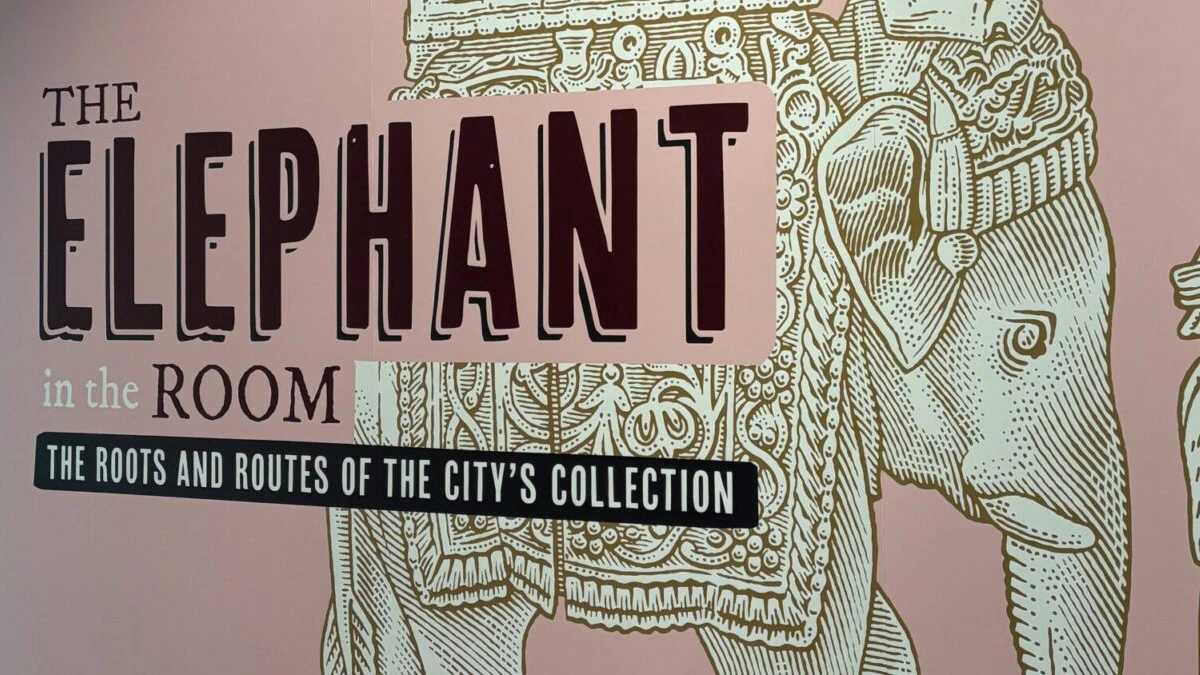
Birmingham Museum and Art Gallery (BMAG) has reopened its global history galleries, titled The Elephant in the Room: The Roots and Routes of the City’s Collections
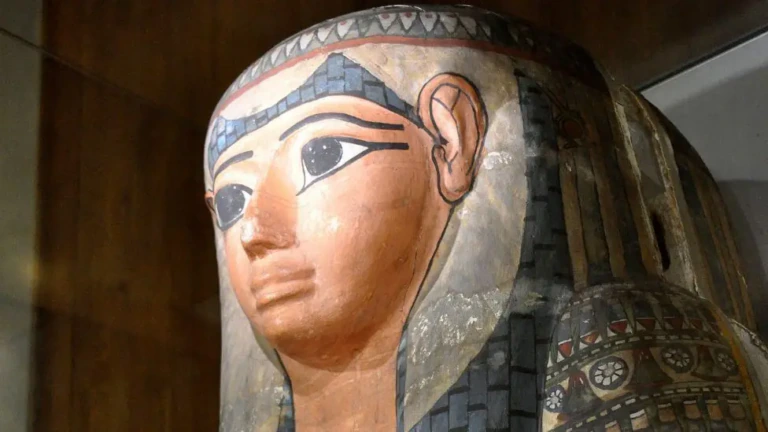
The permanent exhibition aims to encourage reflection on topics such as empire, colonialism, repatriation and the display of human remains through objects including the Sultanganj Buddha, one of the most significant early bronze statues from India discovered during the building of the Indian railway, a 22-foot-long Inuit kayak and mummified animals. These and other objects raise questions about how museums have collected, displayed and interpreted cultural heritage over time.
The addition of this gallery comes among a tranche of galleries opening at BMAG, including the revamped local history galleries last week, and six galleries in October.
Responding directly to feedback from visitors that they want to better understand the origins of Birmingham’s collections of nearly one million objects, the display explores how the city's global history and its role in the former British Empire have informed what and how objects have come to the museum and what they mean for people in the city today, as well as in their countries of origin.
Zak Mensah and Sara Wajid, co-chief executives of Birmingham Museums Trust, said: “Museums have in the past tended to overlook stories involving histories of empire and conflict. They’ve been ‘the elephant in the room’ – something that’s too big to hide but is ignored because it seems too complicated or uncomfortable to deal with.
“By confronting these questions, this display aims to ‘shrink the elephant’ by acknowledging the impact of the British Empire on Birmingham’s museums, facing complex topics with curiosity, treating these stories with sensitivity and respect and having an open and ongoing conversation with audiences about how we should care for and display these objects in the future.”