York Museums Trust (YMT) is at a “critical juncture in its existence” due to funding challenges and deteriorating buildings, councillors at City of York Council (CYC) have been told.
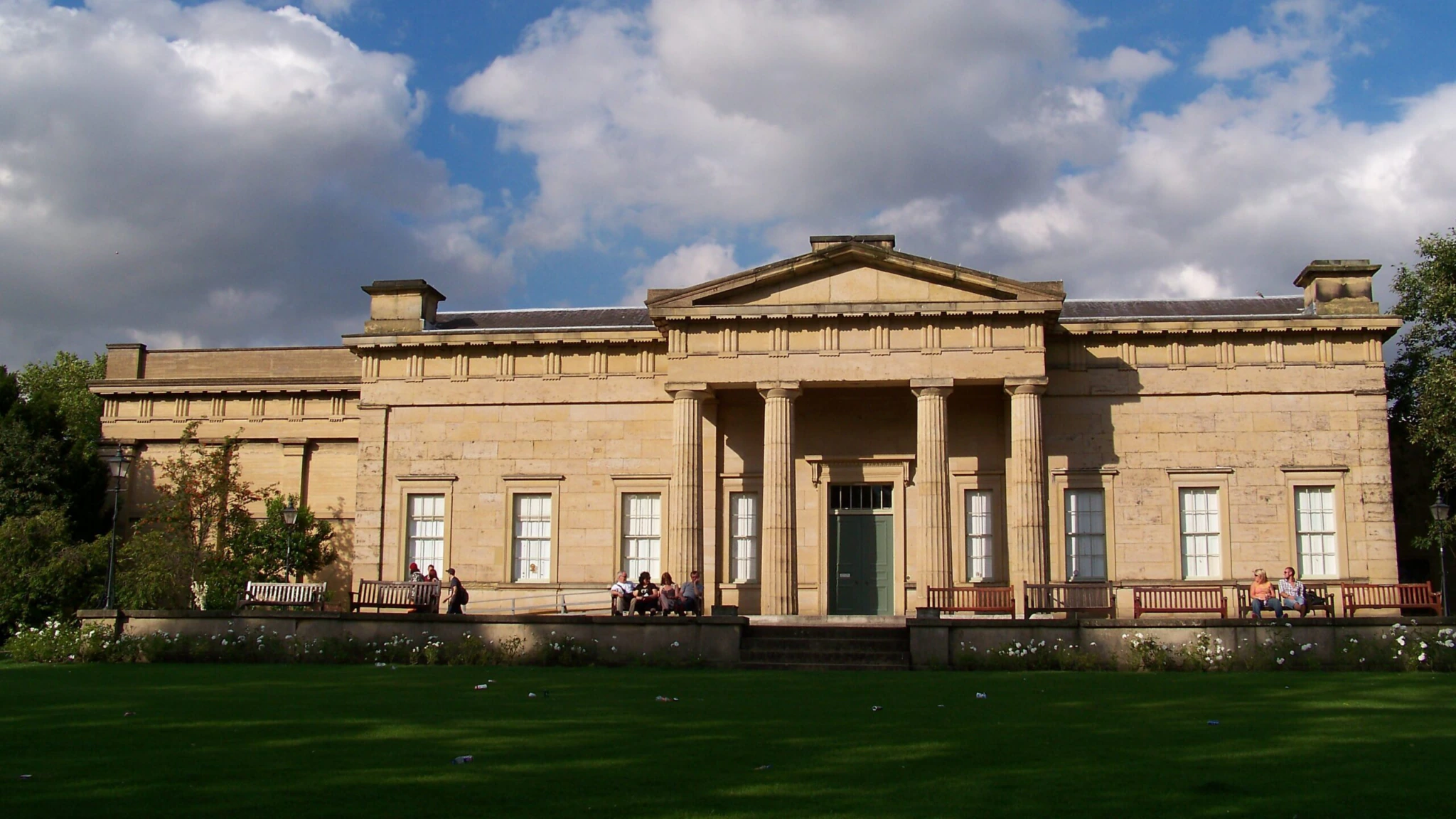
The charity manages five sites in York on behalf of the council: York Art Gallery, Yorkshire Museum, York Castle Museum, Museum Gardens and York St Mary’s Church.
Ahead of a meeting with councillors last week, the trust submitted a report outlining the challenges facing the three museums in its portfolio.
The report said that visitor numbers to three museums “are continuing to fall” and, in spite of successful programming such as last year’s Monet exhibition at York Art Gallery, “without considerable investment into the buildings and infrastructure, YMT’s attractiveness to visitors will continue to decline because its overall offer doesn’t meet modern standards”.
The trust reported a £111,000 deficit in 2024/25, up from a £54,000 deficit the previous year. Meanwhile, visitor figures to the three sites were forecasted to be 386,500 in 2024/25, down from 406,014 in 2023/24.
“With continued deficits, our reserves are less than two months of our operating costs,” the report said.
Advertisement
The trust is relying on a letter of credit of £1m from CYC to support it “as a last resort” to satisfy the going concern requirements of its auditors, but is hoping to have alternative arrangements in place by the summer to avoid using this.
The organisation self-generates 75% of its income through ticketed admissions and commercial operations. The remaining 25% of its funding comes from CYC and from Arts Council England (ACE) as a National Portfolio Organisation.
The trust’s council funding has fallen significantly in the past decade, from £1.1m in 2014/15 to £600,000 in 2015/16, and just £300,000 in 2024/25.
The report said the trust would require investment before it can become financially sustainable. It said: “YMT is confident that with the significant investment in its estate and an updating of facilities, it can generate more than 75% of its funding profile through its own means and thus achieve financial sustainability but until that investment is secured, YMT will need continued financial support from CYC.”
The trust missed out on a bid to last year’s round of the Museum Estate and Development Fund (Mend) for urgent repairs to the roof of Yorkshire Museum.
Meanwhile York Castle Museum saw a drop in visitor numbers after reinforced autoclaved aerated concrete (Raac) was discovered in the roof of the Female Prison part of the site in 2023, forcing the whole museum to close for remedial work. The site did not fully reopen to visitors until autumn 2024.
Advertisement
The report said: “The work done to remedy Raac has an expected life of 10 years and so we need to ensure that the offer at the Castle Museum is as strong as it can be for as long as possible because it remains by far our most popular venue in terms of footfall and income generation from ticket admissions.”
The charity is also continuing to deal with the long-term impact of the Covid pandemic, which saw it shed 60 staff and introduce an admission charge at York Art Gallery.
Chief executive Kathryn Blacker told councillors last week that the trust was in talks with the council and with bodies including ACE to try and secure more funding.
She said the cost of making the trust’s listed buildings more accessible was prohibitively expensive.
According to York Press, Blacker told the council: “We’re trying to find better solutions to care for our buildings in a more sustainable way, our buildings are special and unique and they help us to tell a global story of York.
“During the pandemic we brought in bruising cost-cutting measures and we did things we wished we wouldn’t have had to do like charging for York Art Gallery.
“There comes a point where if we continue to cut the things that people come to see, the quality will be diminished and fewer people will come to see them, it’s really hard to strike a balance and set a prudent budget.
“It would be difficult to sit here in future years and say that we could deliver the kind of visitor numbers and revenue that we do now if we were to cut any further.”