Museum educators have been urged to stop thinking of themselves as service providers and instead move towards a model of partnership with schools.
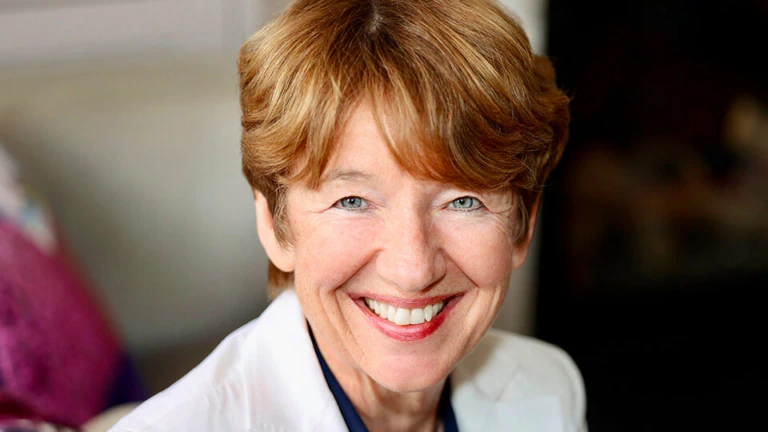
Speaking at the Museums Association’s 2012 conference in Edinburgh, Sandra Stancliffe, head of education and interpretation at English Heritage, called for museums to work with, not for, schools to achieve their joint goals.
“We need to stop thinking about ourselves as services providers - that’s not what education is about,” she said. “It’s not about offering a service to schools who may or may not take it up; our role is much more fundamental.”
Changes to the curriculum, and new freedoms for teachers in how they teach, mean a new potential for museums to support schools, she added.
“There’s a clear role for us to work with the education sector to help them make effective use of these freedoms. We can work with schools to develop content that makes the most sense for our organisations and show them what’s exciting on their doorsteps.”
Stancliffe was speaking at Never mind the curriculum, where’s the beef?. Nick Wintherbotham, who chaired the session, said participation and listening to visitors’ views was key to learning.
“The trouble with what we do is we can never tell what people will take away. But one thing is certain – if we allow for real interaction, perspectives will change and be changed forever. That’s all we can hope for.”
Robin Clutterbuck, consultant director at White Rock Projects, spoke about the importance of approaching learners as individuals and understanding different learning styles.
“Schools are not good places to learn; they are about socialisation, control, obeying rules, playing with others and learning to survive,” he said. “I left teaching to explore areas where we can touch into something more basic and fundamental, and achieve something really memorable.”
Speaking at the Museums Association’s 2012 conference in Edinburgh, Sandra Stancliffe, head of education and interpretation at English Heritage, called for museums to work with, not for, schools to achieve their joint goals.
“We need to stop thinking about ourselves as services providers - that’s not what education is about,” she said. “It’s not about offering a service to schools who may or may not take it up; our role is much more fundamental.”
Changes to the curriculum, and new freedoms for teachers in how they teach, mean a new potential for museums to support schools, she added.
“There’s a clear role for us to work with the education sector to help them make effective use of these freedoms. We can work with schools to develop content that makes the most sense for our organisations and show them what’s exciting on their doorsteps.”
Stancliffe was speaking at Never mind the curriculum, where’s the beef?. Nick Wintherbotham, who chaired the session, said participation and listening to visitors’ views was key to learning.
“The trouble with what we do is we can never tell what people will take away. But one thing is certain – if we allow for real interaction, perspectives will change and be changed forever. That’s all we can hope for.”
Robin Clutterbuck, consultant director at White Rock Projects, spoke about the importance of approaching learners as individuals and understanding different learning styles.
“Schools are not good places to learn; they are about socialisation, control, obeying rules, playing with others and learning to survive,” he said. “I left teaching to explore areas where we can touch into something more basic and fundamental, and achieve something really memorable.”