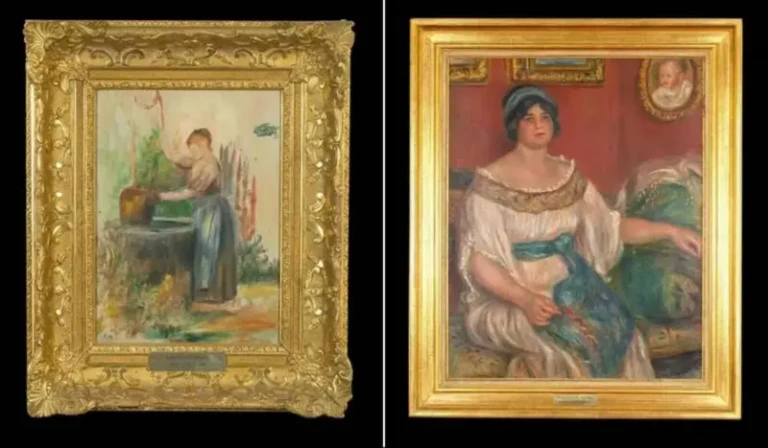
The Royal Scottish Academy (RSA) plans to dispose of 40 items as part of an ongoing programme of collections rationalisation.
An RSA spokeswoman said the process had begun with a thorough examination of the academy’s permanent collections, which were reviewed in the light of the RSA’s mission statement and operational activities.
“The academy has now identified its core collections and areas relevant for future development, but also material that no longer sits within our spheres of interest,” she said.
The spokeswoman added that the RSA was moving towards a programme of the disposal of 40 items comprising paintings, drawings and related material.
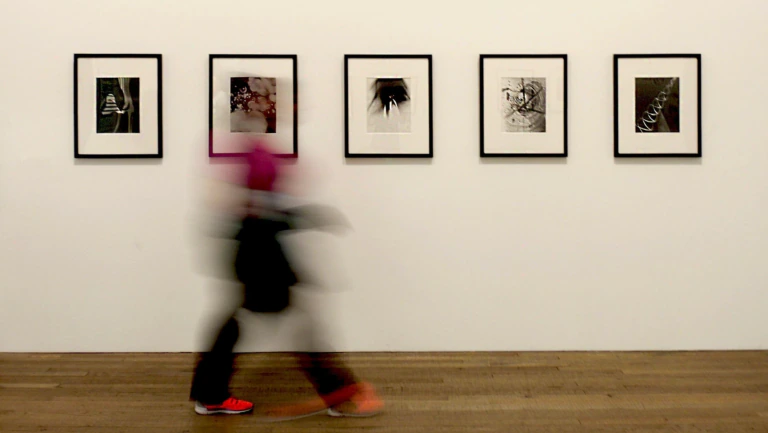
It is also formalising a long-term loan of about 1,900 old-master drawings to National Galleries of Scotland, and is seeking to broaden the profile of certain Scottish artists by distributing non-permanent collections material to interested organisations across Scotland.
Sally Cross, the Museums Association’s collections coordinator, said: “We applaud the thought the RSA has put into the process and its commitment to improving the use of its collections.”
An RSA spokeswoman said the process had begun with a thorough examination of the academy’s permanent collections, which were reviewed in the light of the RSA’s mission statement and operational activities.
“The academy has now identified its core collections and areas relevant for future development, but also material that no longer sits within our spheres of interest,” she said.
The spokeswoman added that the RSA was moving towards a programme of the disposal of 40 items comprising paintings, drawings and related material.
It is also formalising a long-term loan of about 1,900 old-master drawings to National Galleries of Scotland, and is seeking to broaden the profile of certain Scottish artists by distributing non-permanent collections material to interested organisations across Scotland.
Sally Cross, the Museums Association’s collections coordinator, said: “We applaud the thought the RSA has put into the process and its commitment to improving the use of its collections.”