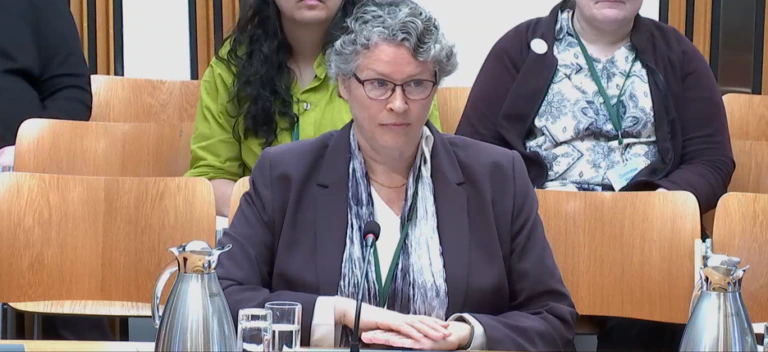
The culture select committee has issued a stinging criticism of government policy on restitution, illicit trade and Nazi loot.
The report published at the end of last year condemns government inaction, but museums don't get off scot free either.
The select committee said that it was difficult to imagine a clearer moral case than that of Ethiopia for the return of the Maqdala treasures currently held in the British Museum, for example. It also called on the government to address the legal issues that prevent museums from returning objects.
The treasure was looted from the fortress of Emperor Tewodros in northern Ethiopia in 1868. After the raid parts of the treasure were auctioned off to raise prize money for the soldiers. Richard Holmes, acting on behalf of the British Museum, was one of the principal purchasers.
In a statement to Museums Journal the British Museum has asserted that moral arguments may be acknowledged in ways that do not involve the restitution of objects. 'In the case of the [Ethiopian] tabots we have been in friendly and detailed discussion with our Ethiopian counterparts. The tabots are therefore curated with proper respect for the sentiments of the members of the Ethiopian Orthodox Church.'
The statement says that request for return would be for the trustees to consider within the provisions of the British Museums Act, which generally prevents disposal.
But Derek Wyatt MP, a member of the culture select committee, told Museums Journal: 'The Maqdala treasures are the crown jewels of someone else's culture. There should be no fudging: they should go back.' He added that there was a simple solution: 'Both the Hermitage and the Guggenheim have established non-American bases. What's wrong with a British Museum, Africa, in Addis Ababa?'
The select committee report said that the government should sort out with the attorney general the confusion over the statutes covering the governance of museums, which affect restitution. The trustees of the BM have asked the attorney general for clarification on whether it is able to return objects using section 27 of the Charities Act, even though the British Museum Act prevents it from doing so.
The Charities Act states that trustees may dispose of the charity's property where there is a moral case for doing so. If the attorney general advises that disposal is possible, the British Museum, and other national museums would be able to consider requests for return. But if the advice is negative it would take a change in the law for national museums to dispose of items from their collections.
The British Museum said that it was still waiting for an answer from the attorney general's office. It said that it hoped a ruling from the attorney general would 'assist the museum in assessing its scope to lawfully respond to claims.'
But legal experts have said that it is doubtful that the Charities Act would apply in the case of a museum or any organisation that is already expressly prohibited from disposal. According to one legal adviser giving precedence to the Charities Act in this case would lead to the risk of a legal challenge or even a judicial review.
However if the Charities Act did override the British Museum Act the museum would then have to decide if there was a moral case for return, which would then be referred to either the Charity Commissioners or the attorney general for a final decision. A legal commentator described it as a way of shifting the burden of decision-making.
The select committee report also heavily criticised government inaction on other questions of cultural property and return.
The first select committee into illicit trade reported in 2000 and made a number of recommendations including: a national database of stolen and illegally removed property; the criminalisation of dealing in such property; accession to an appropriate international convention and legislation to permit museums to return objects in two categories -
Nazi loot and human remains.
The new report, prompted by the looting in Iraq, says that while the government accepted these recommendations at the time there have been 'few concrete achievements'.
Although the government has now signed the UNESCO convention and passed legislation to criminalise dealing in tainted goods (see box right) the report says that progress has been slow or non-existent in other areas.
The database of tainted cultural objects, which would enable dealers
and museums to check the provenance of artefacts, has not been created despite over two years of consideration. The report describes this lack of progress as 'lamentable' and says the discussion has been mired in a wrangle between DCMS, the Home Office and the police. The Home Office has now committed to a timetable that should see a pilot database established by April.
On the question of Nazi loot the committee was critical of the government for backing off from the idea of legislative change to allow museums to return looted items. The report warns that DCMS should not wait for a valid spoliation claim to be made (other than can be satisfied by compensation) to change the law as it will be too late.
A government reply to the report is expected by the end of this month.
The report published at the end of last year condemns government inaction, but museums don't get off scot free either.
The select committee said that it was difficult to imagine a clearer moral case than that of Ethiopia for the return of the Maqdala treasures currently held in the British Museum, for example. It also called on the government to address the legal issues that prevent museums from returning objects.
The treasure was looted from the fortress of Emperor Tewodros in northern Ethiopia in 1868. After the raid parts of the treasure were auctioned off to raise prize money for the soldiers. Richard Holmes, acting on behalf of the British Museum, was one of the principal purchasers.
In a statement to Museums Journal the British Museum has asserted that moral arguments may be acknowledged in ways that do not involve the restitution of objects. 'In the case of the [Ethiopian] tabots we have been in friendly and detailed discussion with our Ethiopian counterparts. The tabots are therefore curated with proper respect for the sentiments of the members of the Ethiopian Orthodox Church.'
The statement says that request for return would be for the trustees to consider within the provisions of the British Museums Act, which generally prevents disposal.
But Derek Wyatt MP, a member of the culture select committee, told Museums Journal: 'The Maqdala treasures are the crown jewels of someone else's culture. There should be no fudging: they should go back.' He added that there was a simple solution: 'Both the Hermitage and the Guggenheim have established non-American bases. What's wrong with a British Museum, Africa, in Addis Ababa?'
The select committee report said that the government should sort out with the attorney general the confusion over the statutes covering the governance of museums, which affect restitution. The trustees of the BM have asked the attorney general for clarification on whether it is able to return objects using section 27 of the Charities Act, even though the British Museum Act prevents it from doing so.
The Charities Act states that trustees may dispose of the charity's property where there is a moral case for doing so. If the attorney general advises that disposal is possible, the British Museum, and other national museums would be able to consider requests for return. But if the advice is negative it would take a change in the law for national museums to dispose of items from their collections.
The British Museum said that it was still waiting for an answer from the attorney general's office. It said that it hoped a ruling from the attorney general would 'assist the museum in assessing its scope to lawfully respond to claims.'
But legal experts have said that it is doubtful that the Charities Act would apply in the case of a museum or any organisation that is already expressly prohibited from disposal. According to one legal adviser giving precedence to the Charities Act in this case would lead to the risk of a legal challenge or even a judicial review.
However if the Charities Act did override the British Museum Act the museum would then have to decide if there was a moral case for return, which would then be referred to either the Charity Commissioners or the attorney general for a final decision. A legal commentator described it as a way of shifting the burden of decision-making.
The select committee report also heavily criticised government inaction on other questions of cultural property and return.
The first select committee into illicit trade reported in 2000 and made a number of recommendations including: a national database of stolen and illegally removed property; the criminalisation of dealing in such property; accession to an appropriate international convention and legislation to permit museums to return objects in two categories -
Nazi loot and human remains.
The new report, prompted by the looting in Iraq, says that while the government accepted these recommendations at the time there have been 'few concrete achievements'.
Although the government has now signed the UNESCO convention and passed legislation to criminalise dealing in tainted goods (see box right) the report says that progress has been slow or non-existent in other areas.
The database of tainted cultural objects, which would enable dealers
and museums to check the provenance of artefacts, has not been created despite over two years of consideration. The report describes this lack of progress as 'lamentable' and says the discussion has been mired in a wrangle between DCMS, the Home Office and the police. The Home Office has now committed to a timetable that should see a pilot database established by April.
On the question of Nazi loot the committee was critical of the government for backing off from the idea of legislative change to allow museums to return looted items. The report warns that DCMS should not wait for a valid spoliation claim to be made (other than can be satisfied by compensation) to change the law as it will be too late.
A government reply to the report is expected by the end of this month.