Members of the Scottish Parliament have heard evidence from cultural leaders making the case for enhanced funding for arts and heritage in the Scottish Government's next budget.
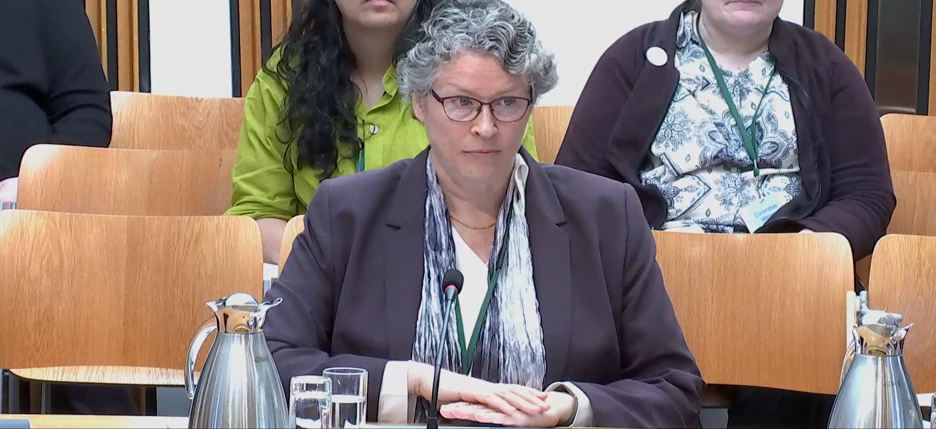
The Europe, External Affairs and Culture Committee met earlier this week to discuss the 2027-28 budget and to hear evidence from sector representatives, including Lucy Casot, the chief executive officer of Museums Galleries Scotland (MGS).
New research by MGS shows that 40% of Scottish museums have three months’ reserves or less. More than half of those surveyed said they could not keep up with routine maintenance and 17% said they were at risk of closure within the next 12 months.
In its written evidence to the committee, MGS said: “We are nearing the point where the resilience built up by museums themselves cannot compensate for the structural pressures outside their control.
“Without stable revenue funding, a resilient workforce and investment in buildings and infrastructure, museums will need to devote their scarce resources to delivering core roles at the expense of the social value and opportunities that they currently provide for Scotland’s people and places.”
Museum Futures
According to the sector support body, less than 6% of the £70m in additional culture funding announced by the government in recent years has been directed to Scotland’s non-national museums through Museum Futures.
Advertisement
Responding to this figure, Colin Beattie, MSP for Midlothian North and also a trustee at the National Mining Museum Scotland, asked Casot what museums would do with the money if their share increased.
She said that more strategic investment was needed to find different ways of working, pointing to initiatives being funded through its £4m Museum Futures programme, such as shared storage facilities and even shared job roles in more remote areas of the country.
Museums in Scotland currently have no route to multi-year funding, Casot added, so the focus for MGS has been to support them to work more resiliently, generate new income streams and reduce their costs.
“But even after they have done these things, for many museums there will still be a structural funding gap,” she said, pointing to the fact that six local authority museums in Scotland have closed so far this year.
The rising cost of caring for collections and keeping the doors open means that “discretionary activities” such as community engagement, collections care and learning are being “stripped out”, Casot warned.
“When museums are really flourishing, they can respond to wider societal issues – but they can only do that if the doors are open.”
Advertisement
Pushed on what a “fair” funding settlement would look like for museums in Scotland, Casot said it was not about trying to save every museum but thinking more strategically about what the sector could look like and how it could operate.
Also giving evidence, Joseph Peach, the director of policy and public affairs at Culture Counts, spoke to the issue of public sector reform in Scotland, which aims to save £1bn by 2030.
Although this is unlikely to impact government spending on culture, Peach said he had “huge worries” about what it might do to local authorities and the institutions in their care.
Local authorities in Scotland have seen a real-time reduction in their spending of 21.5% since 2013, and within a context where further cuts are anticipated, there is a really high risk of eroding cultural services even further, he added.
In a statement following the hearing, Casot said: "The evidence we are seeing is clear: the challenge is not a lack of demand for museums. It is the growing gap between what museums are being asked to deliver and the resources available to do it.
"Museum Futures is showing us what we need to do to support the sector. Stable, multi-year funding would give museums the confidence to plan, retain skilled staff, invest in their buildings and collections, and continue developing the services their communities value."
Strategy refresh
MGS is seeking sector feedback on a planned refresh of the Strategy for Scotland's Museums and Galleries as it reaches the midpoint of its seven-year span.
Advertisement
The arm's-length body has reviewed the strategy to determine where progress has been made and what remains to be done between 2027 and 2030, and is now surveying the sector for a broader perspective.
The strategy's three strands, Connection, Workforce and Resilience, and the 10 priority areas are unchanged, but MGS is proposing to refresh the actions that sit beneath them.
Museums and galleries are invited to comment on the proposed refreshed actions through an online survey by Friday 30 October. The refreshed actions will be launched at MGS's next Strategy Symposium on 4 March 2027.