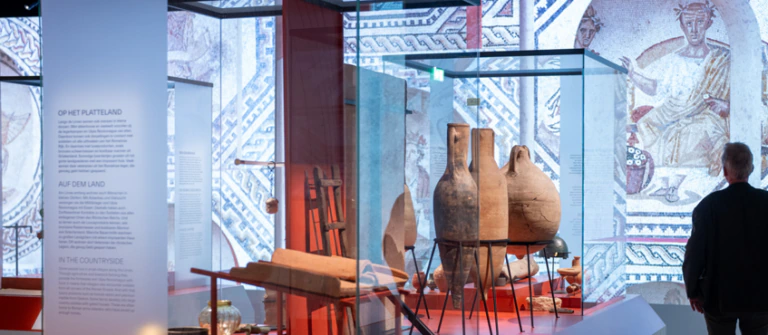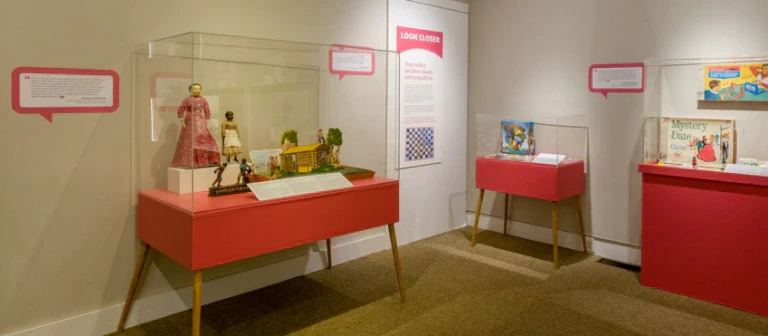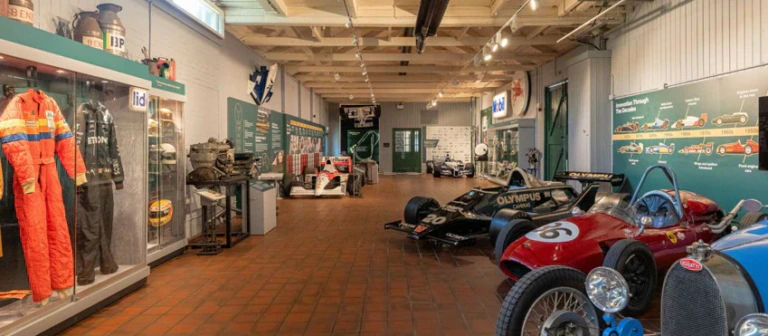
In Venice, heritage conservation is never a static act. In a city constantly balanced between land and water, display cases are a dynamic "shield" designed to coexist with a city in continuous, imperceptible motion.
Museums in the city represents face three major challenges:
- A highly humid microclimate.
- The phenomenon of “acqua alta” (seasonal flooding or “high water”)
- The necessity of operating in buildings subject to strict conservation constraints and movements of the floors.
Protection from lagoon influences
The lagoon environment poses one of the main conservation challenges for collection care. High humidity, along with the constant presence of marine aerosol, salts and pollutants, can accelerate the degradation of delicate materials such as paper, parchment, wood, metals and textiles, which are highly sensitive to hygrothermal variations.
In historic buildings, where invasive climate control systems cannot always be installed, microclimate control is increasingly entrusted to the display cases themselves.
Advertisement
A study conducted at Museo Correr confirmed the importance of the preventive conservation principles promoted by International Council of Museum’s committee for conservation. These find practical expression in modern climate-controlled display cases, which rely on high-airtightness structures, sealed compartments and chemically inert materials.
These become protective barriers that stabilise humidity and temperature while limiting the ingress of salts and contaminants.
Protection from flooding
The high tide (known as “acqua alta”) represents a unique vulnerability for Venice. On 12 November 2019, peak tides reached 187cm, affecting numerous historic buildings across the city, including museums and monumental sites.
This highlighted the vulnerability of collections displayed on ground floors and underscored the need to integrate flood risk into conservation strategies.
In response, display case design utilises raised plinths, water-resistant materials, sealing systems that limit water ingress during minor flooding and structural solutions designed to facilitate rapid emergency operations.
Advertisement
Display cases thus represent an additional layer of protection, reducing the vulnerability of artworks to extreme events that are increasingly frequent in the lagoon.
Displaying without altering the architecture
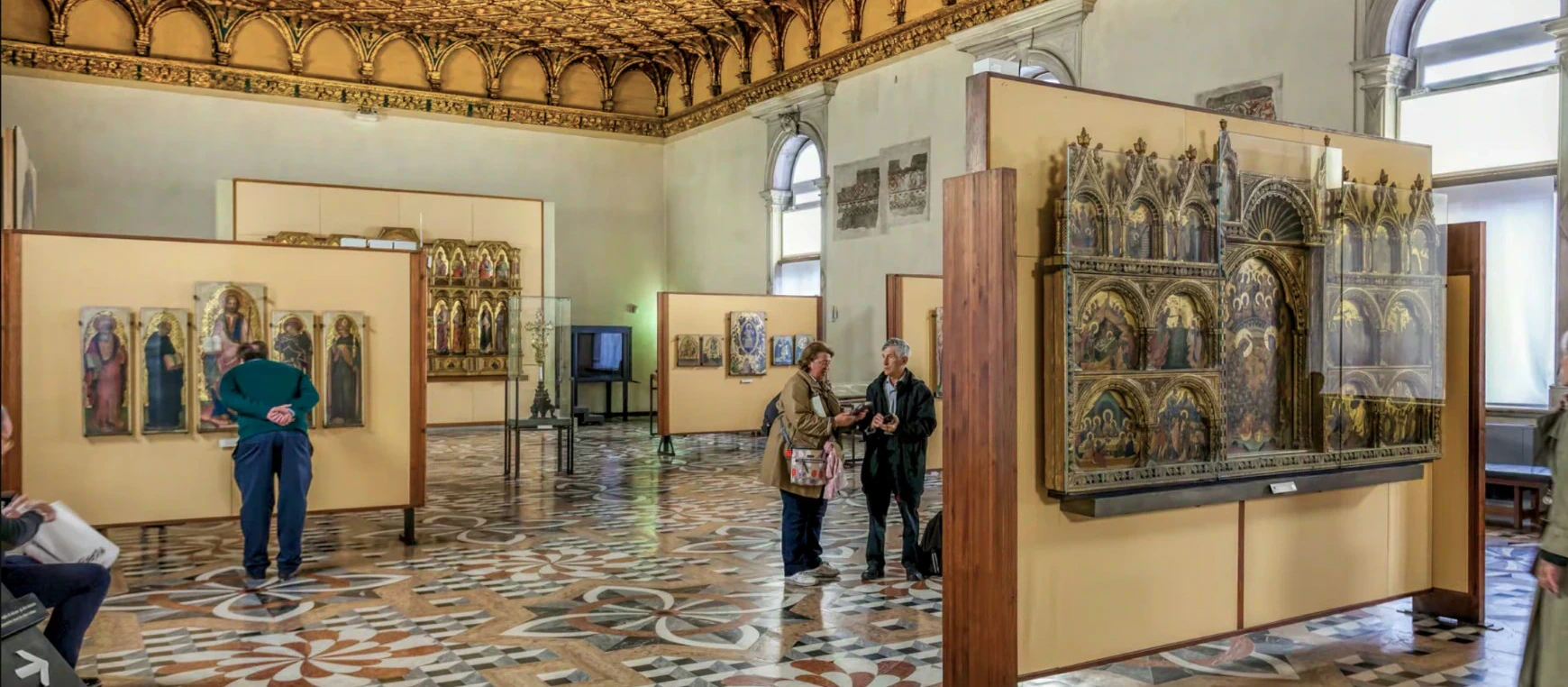
Most Venetian museums are housed in historic monumental buildings where any intervention must respect ancient floorings, decorated surfaces, and structural elements subject to the natural movements of the lagoon soil. A significant benchmark is set by the exhibition designs created by Carlo Scarpa for Museo Correr and for Gallerie dell'Accademia, 1945-1960.
His showcases established a balanced dialogue between architecture, artwork, and visitor, intervening in a precise, non-intrusive manner without compromising historic spaces. This approach continues to influence contemporary display case designs, which comply with international principles of minimal invasiveness and are engineered to distribute loads correctly, ensuring the stability of artworks even in buildings subject to slight movements and vibrations.
Technology that saves history (and the environment)
The Venetian lesson demonstrates the extraordinary evolution of the display case: no longer a mere piece of furniture, but a preventive conservation device capable of mediating between the artwork and its surrounding environment.
Advertisement
This philosophy allows for the renewal of exhibition displays while respecting the fragile nature of historic sites, meeting modern demands for sustainability, reversibility and reduced environmental impact.
Venice teaches us that the perfect display case does not isolate the artwork from the outside world; rather, it creates a controlled dialogue with it, transforming environmental vulnerabilities into a design challenge and an extraordinary opportunity for conservation.
Aurora Simeoni is a multilingual client relations specialist and local tour guide in Venice