Whether you’re just starting out in museums or have decades of experience, we all face challenges in our working lives such as feeling stuck or unsure of the next step. But there are ways to tackle these common situations and feel confident throughout your career.
Early Career
Challenges
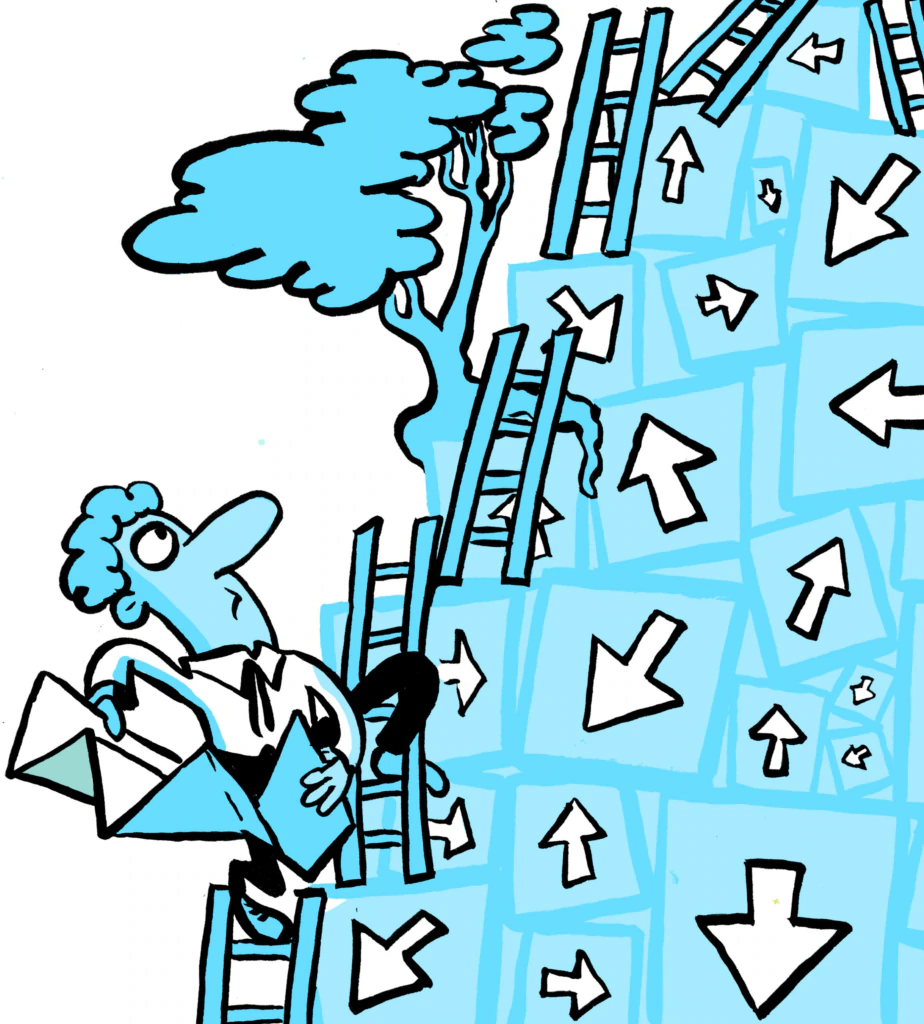
- A lack of experience can make it hard to get your foot on the ladder.
- You might lack confidence and feel as if the sector is “unreachable”, or struggling to find your place within it.
- Uncertainty around what specific roles exist.
The early stage is typically the first five to 10 years of your museum career. You might be just out of college or university, volunteering or a career changer with years of experience working in a different setting.
“It’s completely normal not to have everything figured out,” says Patrick Whife, the policy and programmes director at the Institute of Conservation UK.
Advertisement
“Your career path will evolve, and where you end up in five years may look very different from what you’re doing now. Try not to compare yourself to others – staying focused on your own progress is far more useful.”
Whife recommends talking to other people, as they can almost always see things that you can’t. A colleague might notice your excellent documentation skills, your steady hand during surface cleaning or how well you communicate condition issues – strengths you may overlook when you’re focused on what you can’t yet do.
A lack of experience can feel daunting, but there are ways to move forwards.
“Actively build your network – this often opens doors that experience alone cannot,” says Whife. “Avoid becoming fixated on finding a ‘perfect’ job, and be open to roles that offer growth, even if they’re not a perfect match on paper.”
Easy actions
Deepen your knowledge of the sector. Whife recommends choosing five relevant job descriptions and identifying the knowledge, skills and behaviours they consistently ask for. Then use these as a guide for your development path.
Emerging
Challenges
- You may find that you’re still struggling to demonstrate experience, while navigating the need to gain additional skills to progress alongside fulfilling your day job.
- You may feel unsure about how to progress professionally – perhaps you are considering leaving the sector to gain additional skills – as well as how to demonstrate what you have.
Advertisement
You may still be in the first 10 to 15 years of working in the sector, and while you have moved on from junior positions, you may not yet be in a managerial role.
“Be open to opportunities you might not have considered or might not be on the career path you had in mind,” says Dana Andrew, the professional development manager at The Exhibitions Group. “This can open up a wider variety of options for expanding your experience, if you’re looking to move into a new role.”
Ensure you build a wide professional network that isn’t limited to people in similar roles to yourself or just working in comparable organisations.
Consider what skills you already have, and how to showcase these more, which could involve asking to lead on a project that will demonstrate your abilities in a way you don’t always get the chance to. Also identify what skills you are missing, and whether there are ways to develop these within your current role.
Remember that you’re far from alone if you’re feeling stuck.
“It’s totally normal to feel unsure, or actually be unsure, about what you want to do and how to do it,” says Andrew. “Education often focuses on a small number of roles in the sector, which can make it feel like you have limited options. There are lots of roles in the sector that you only find out about once you are working in it.”
Advertisement
Easy action
There are a wide range of grassroots and charitable networks across the sector. As well as joining those relevant to your career aspirations, consider those that might give rise to new ideas or connections.
Take a look at the list of sector networks on the Museums Association’s careers hub
Mid-career
Challenges
- This is often the longest period in people’s careers, so it’s common to feel stuck.
- You may want to progress into a leadership role, but how do you go about this?
- You may also particularly want to ensure a good work/life balance.
At the mid-career stage, you’re likely to have a steady CV behind you
and may already be in a senior management role. Or you may have been in the same role or department for some time, potentially without any development opportunities on the horizon.
This is another career stage where people can often feel stuck – you might have had years of success, but aren’t sure if or what your next move should be.
“Think about why you feel stuck,” suggests Whife. “Is it boredom, not being challenged, feeling undervalued or wanting to do something different? Really understanding this is important, so that you don’t jump into something that’s not right.”
You may be considering moving into a management role but feel unsure about how to do so.
“Be proactive about gaining leadership experience,” says Whife. “Look for opportunities to lead small teams, supervise volunteers, run a project or chair a meeting – leadership often starts informally. You may need to ask for, or actively seek out, this experience.”
Whife recommends looking at leadership roles and identifying the specific skills you’ll need.
“You’re likely an excellent practitioner already, but skills such as budgeting, people management and strategic planning become increasingly important,” he says. “Try to focus on the bigger picture. Many of us enjoy diving into the detail, but more-senior roles require you to step back and see things from a wider organisational perspective.”
It’s also common to find a strain on your work/life balance at this stage of your career.
“Decide on reasonable working hours and protect them where possible,” advises Whife. “Communicate expectations clearly with colleagues and managers. Remember to delegate – you don’t have to take everything on yourself. And do something for yourself.
"This is often easier said than done, but it’s essential for maintaining energy and perspective.”
Easy actions
We often neglect our professional development at this stage of our careers, especially if you have caring responsibilities outside of work. Sector bodies such as the Museums Association offer formal professional development programmes, as well as conferences and online training.
Late career
Challenges
- Retirement may be in sight, but how do you start to move towards this with confidence?
- You may feel pushed out of the sector, or face age discrimination.
- You may have concerns about succession planning or wanting to give something back to the sector.
You could be in a junior or a senior role, and you’re heading towards retirement or potentially slowing down career wise.
There are lots of ways to make the most of the latter stage of your career.
“Find opportunities to share your knowledge and experience with colleagues and the wider sector,” advises Andrew. Activities such as mentoring and coaching, sitting on boards or volunteering elsewhere are ways to give back, and can also offer new perspective in the face of change.
People at this stage of their career can face age discrimination. It’s important to recognise this, and to acknowledge that it can be a difficult experience, as well as something that can be challenged, as age is a protected characteristic under the Equality Act.
“Don’t be tempted to move sideways or stop aspiring,” says Andrew. “Make sure to stay on top of technology and maintain digital culture awareness appropriate to your role, as it’s probably this area where people make the most assumptions about the competence of older people.”
Easy action
Be open to continuing to invest in your professional development and to learn from others, especially younger colleagues or those with different lived and professional experiences to your own.
Caroline Butterwick is a freelance writer