The architecture of the Barbican Art Gallery – particularly its combination of a compartmentalised upper level and a high, open lower level – presents challenges that each exhibition we stage seeks to tackle in a different way. With each new exhibition comes a new collaboration with an often emerging architecture or designer, looking to not only change how the space looks but also how it functions and feels.
For the exhibition Dirty Looks: Desire and Decay in Fashion (25 September 2025 until 25 January 2026) we worked with Studio Dennis Vanderbroeck (SDV), a Rotterdam-based design spatial design studio that more commonly works on theatre set design and fashion presentations.
As curators, working with a studio with this different background was hugely eye-opening, putting far more focus on how the space would not only facilitate the display of objects and visitor flow, but become a storytelling device. Not a single dividing wall was built.
Instead, SDV arrived at three core gestures that guided the whole design:
- A metal rail alluding to a dry cleaners that weaves through the bays.
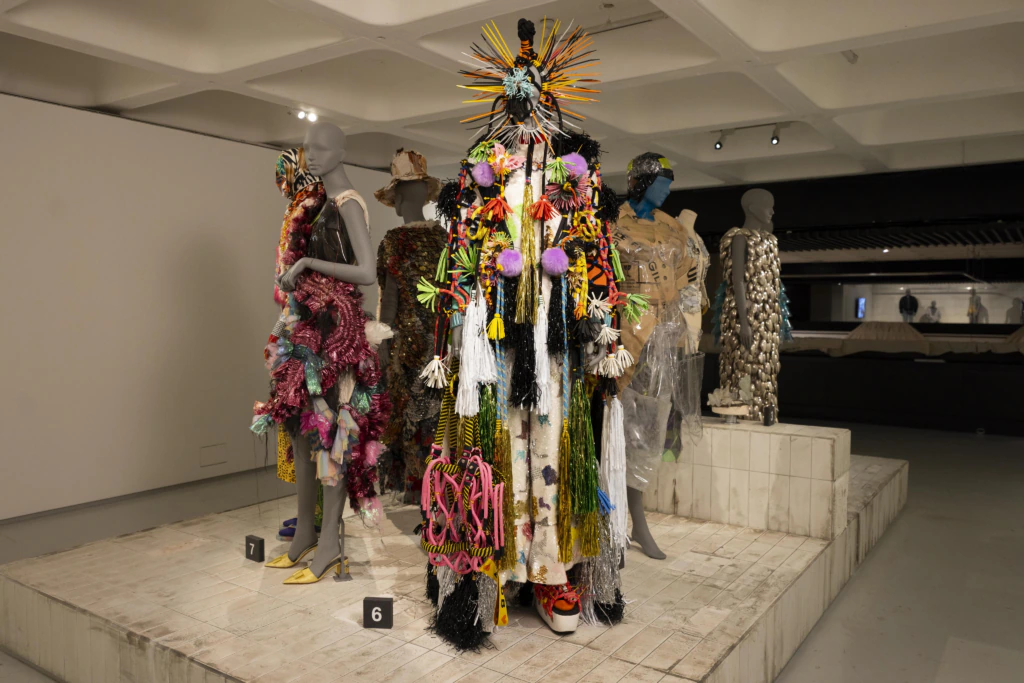
- A process of “designed decay” that sees the wall surfaces gradually crack and become dirtier.
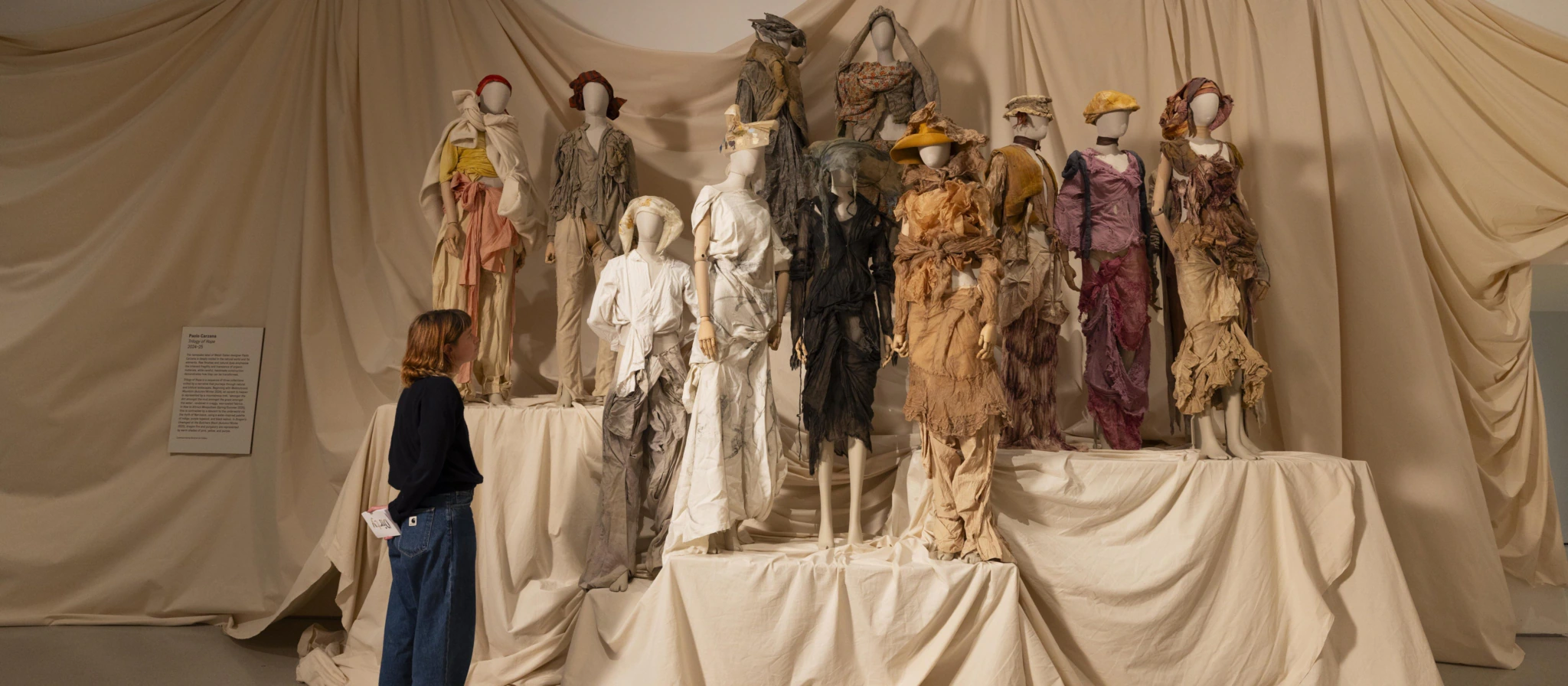
- And drapes of unbleached cotton canvas that surround the entire lower galleries.
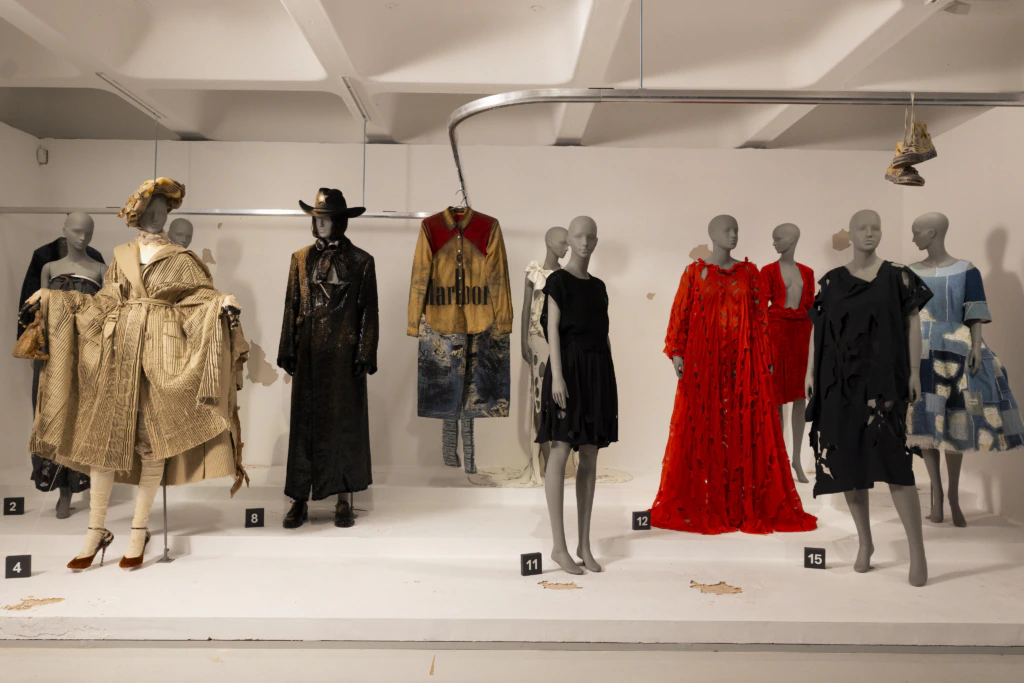
The design became a mirror for the objects being displayed, particularly through the concept of “designed decay”. Our contractors, Raskl Art + Architectural, collaborated closely with SDV on how to achieve the convincing appearance of ruined walls – plaster was rapidly heated while drying to naturally crack, and tiles were waxed to ensure they would easily drop off and leave the adhesive behind.
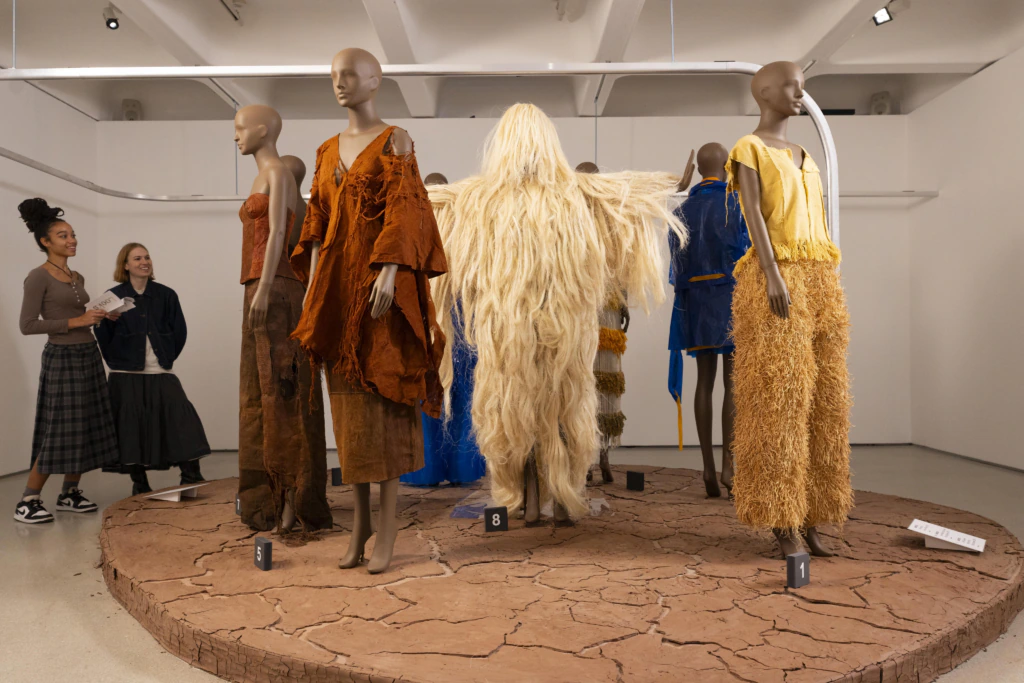
It created a wonderful parallel and dialogue with the incredible techniques so many of the fashion designers in the show have used to carefully craft an aesthetic of ruin.
Advertisement
In a fashion exhibition, unlike a painting or photography show, large areas of wall are often relatively empty, and so it is rare to be able to treat these as something a little more playful and creative. The best reactions are from those who cannot quite tell if parts of the cracked paintwork are intentional.
We also worked with SDV to devise ways in which the garments themselves could tie into the wider design. The metal rail became more than just a visual element and was used as a means of hanging clothing, while the poses of mannequins and even the supporting poles for busts were all carefully considered.
Like many other institutions, we have been considering how the environmental impact of our exhibition design and build can be reduced. Here, fabric draping meant avoiding having to paint areas of wall or construct highly-finished plinths as the materials underneath the drape could be minimal and raw (in some cases simply scaffolding).
After the exhibition, the fabric is destined for London’s fashion school’s where it can become the raw material for toiles and other experiments.
Jon Astbury is co-curator of the Dirty Looks exhibition at the Barbican (until 25 January 2026). He is speaking at Show Time: Designing Great Exhibitions on 18 March.