The return of items from collection to their communities or countries of origin has become a regular and important part of museum practice. In addition to the complex legal and practical considerations involved, repatriation is a sensitive cultural and political issue, often linked to legacies of slavery and empire. It needs to be carefully navigated and communicated to stakeholders and the public.
The Museums Association’s revised Code of Ethics advises institutions to “take an open, proactive and positive approach to repatriation and restitution [and] to deal sensitively and promptly with requests, whether from the UK or from abroad”.
An increasing number of museums in the UK are embedding repatriation as a core part of their work, and their developing practice has shown that it should not be considered as a loss to the institution, but rather the beginning of a meaningful and enriching process that can be of lasting benefit to all parties involved.
Museums Journal spoke to some of the people who have been involved in recent repatriation projects to hear more about best practice in this field.
National Museums NI and the Office of Hawaiian Affairs
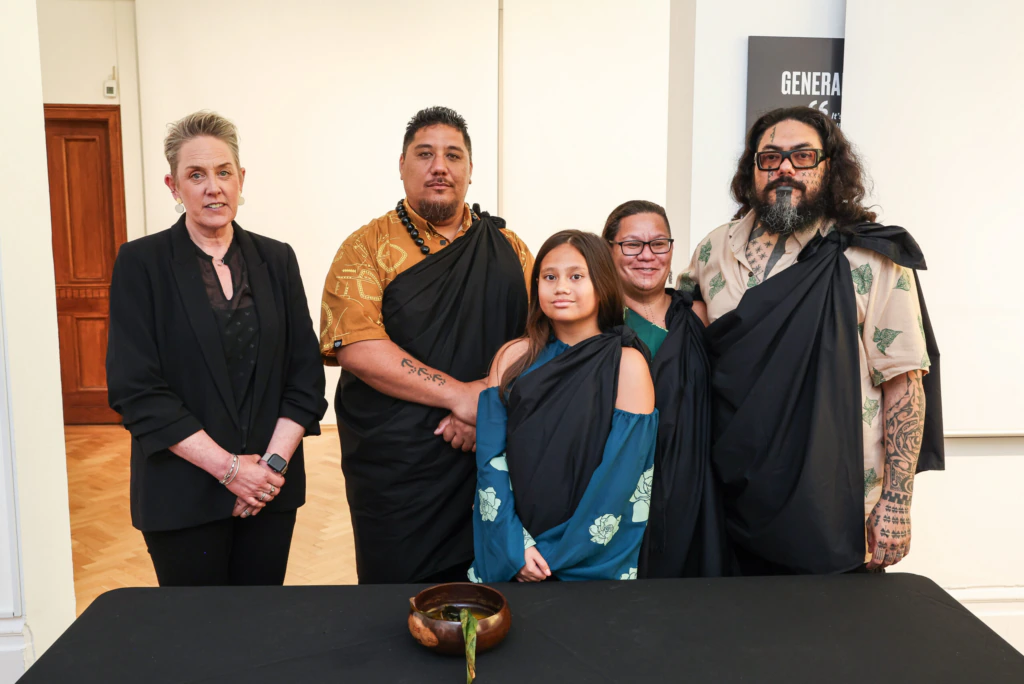
Hannah Crowdy, the head of curatorial at National Museums NI, says: "In 2022, National Museums NI was privileged to return five mea kapu (sacred objects) and two iwi k˜upuna (ancestral human remains) to Hawaii following a formal request by the Office of Hawaiian Affairs.
Advertisement
"Provenance research revealed that they had been collected by a man from County Antrim in 1840, who subsequently donated them to the Belfast Natural History and Philosophical Society. They were then included in a 1910 donation to what would subsequently become Ulster Museum.
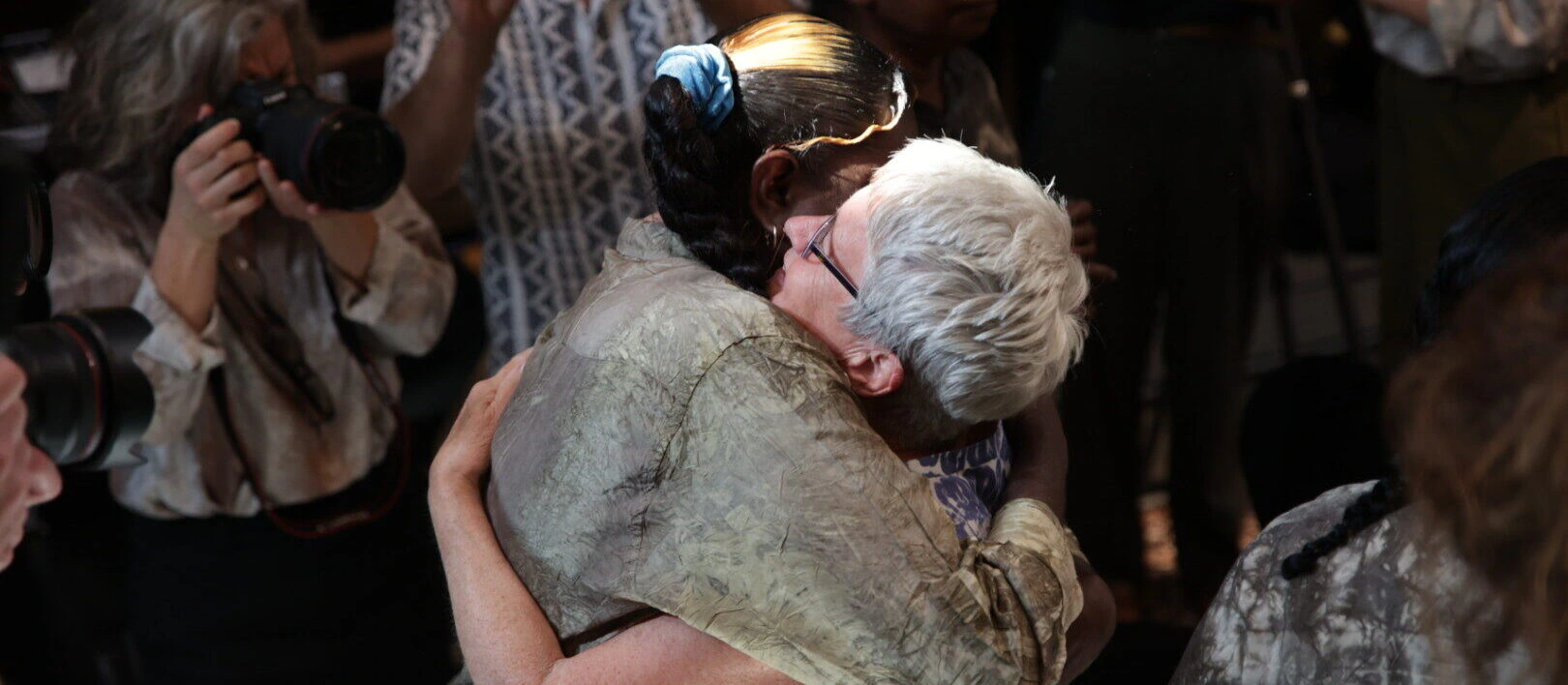
"There was nothing in our documentation to indicate consent to remove them from Hawaii. Following approval by our board, the repatriation was planned for May 2022. It was our pleasure to welcome our Hawaiian guests to Belfast, and the ceremony and associated dialogue were deeply moving.
"National Museums NI committed to continuing the search for three iwi k˜upuna that could not be located at the time. Given the 19th-century context in which the iwi k˜upuna were brought to Belfast, and the absence of professional collection management practices at the time, their whereabouts remained uncertain.
"In 2024, however, the three iwi k˜upuna were located and the Office of Hawaiian Affairs was notified. In April, we welcomed our Hawaiian friends back to Belfast to close the circle on their original request.
"The whole experience has been educational and rewarding. We have learned more about Hawaiian culture, made valuable new contacts in a source community, and addressed a historic injustice.
"Throughout the process we have been mindful of professional sectoral guidance but have primarily been led by our Hawaiian partners – it is their culture, their story and their area of expertise and experience. While the time difference was challenging, video conferencing was invaluable, as it allowed us to have frank and productive discussions and develop our relationship.
Advertisement
"We were keen to share the story of the repatriation with the public. The first time around, details of the repatriation were shared only after the event. On the second occasion, having established a strong partnership based on trust and respect, we worked together to share more details in advance."
Tips for success
- Work with the official agencies in the country of origin – listen and learn from them.
- Do not rush the process and ensure you go at the pace set by your partners.
- Always have a collaborative approach to engagement with the media – do not issue any statements or press releases without joint approval.
- See the process for the enriching opportunity that it is. These repatriations mark an end of the righting of a historic injustice, but are also the beginning of a new healing, restorative process for the present and the future. We continue to work together to discuss the future of the Hawaiian collection at the Ulster Museum.
Manchester Museum and the Anindilyakwa People of Australia’s Groote Archipelago
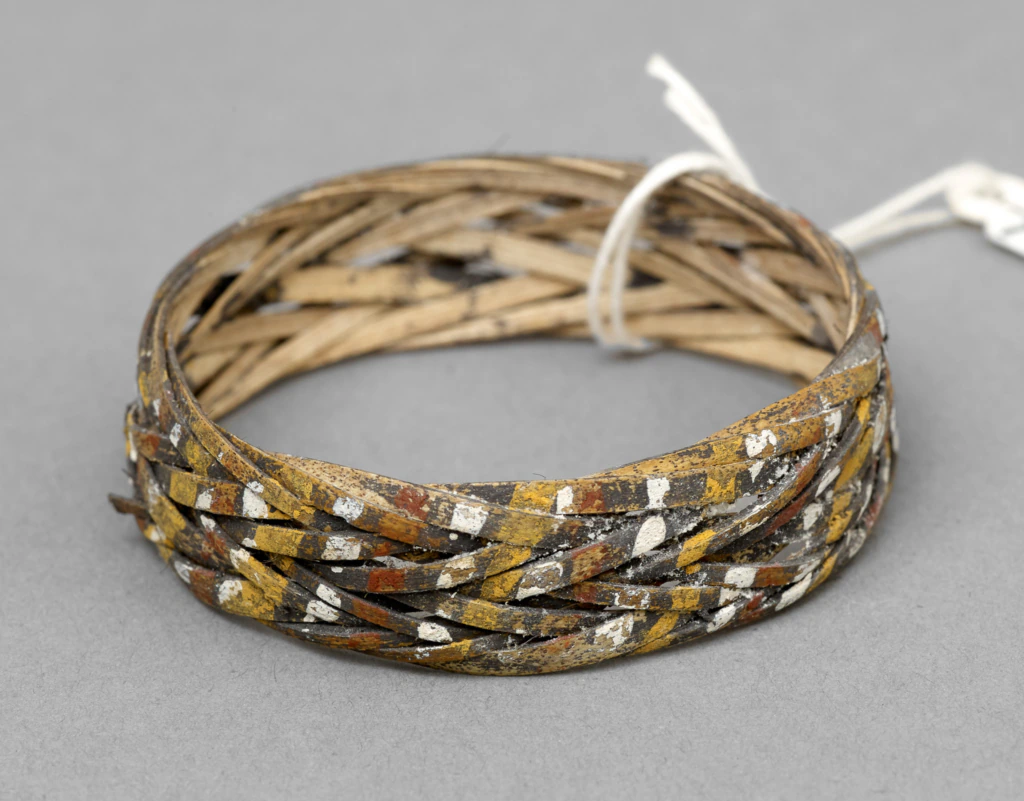
Georgina Young, the head of exhibitions and collections at Manchester Museum, says: "Manchester Museum’s repatriation work with the Anindilyakwa People of Australia’s Groote Archipelago demonstrates how museums can work with community leaders to combine ethical practice and public engagement.
"The relationship built upon previous collaborations between Manchester Museum and Aboriginal and Torres Strait Islander Studies (Aiatsis) through its Return of Cultural Heritage programme in 2019, with collaboration with the Anindilyakwa Land Council beginning in 2020.
Advertisement
"From the outset, this work was community led and relationally focused. Warnindilyakwa Elders directed priorities, advised on handling and care, and defined how collections would be used and shared.
"Aiatsis facilitated cultural protocols and led ongoing conversations, while our role was to facilitate access, ensure proper documentation and maintain transparency at each stage. Measures to ensure equity included regular consultation, shared decision-making and co-authored project plans, keeping the Warnindilyakwa voice central at every stage.
"This relational approach created space for reflection, dialogue and the rich complexities that naturally accompany the return of cultural heritage. Cultural priorities guided the process rather than standard museum routines, and Manchester Museum staff visited Groote Eylandt, for open consultation and to be part of the return to Country.
"While no single toolkit dictated our approach, Aiatsis guidance was central to ensuring cultural protocols were respected and that the process remained community led. Its team facilitated relationship-building, led conversations and ensured the work aligned with Anindilyakwa priorities, supported by internal museum frameworks on our side.
"Communication was key: through Aiatsis-led discussions, staff briefings, stakeholder meetings and public messaging, the project’s rationale, process and outcomes were shared and understood across the whole museum.
"The repatriation laid the groundwork for Anindilyakwa Arts: Stories from our Country, a long-term exhibition co-created with Warnindilyakwa artists and Elders, which opened in April.
"This project’s legacy is both tangible and cultural. Objects are returned, relationships are strengthened and the museum is enriched by a deeper understanding of ethical collaboration. The exhibition and accompanying programmes ensure that the voices, stories and traditions of the Warnindilyakwa People continue to resonate with audiences locally and globally."
Tips for success
- Prioritise community leadership, maintain transparency and remain flexible.
- Listen to the communities of origin and adapt institutional processes to support their needs. This fosters trust, strengthens relationships and ensures that repatriation has a lasting impact.
Bristol Museum & Art Gallery and the Larrakia community
Jay Kickett, the director of the Return of Cultural Heritage team at Aiatsis, says: The Larrakia community, a group of Aboriginal Australian people living in and around Darwin in the Northern Territory, first contacted the Australian Institute of Aboriginal an Torres Strait Islander Studies (Aiatsis) about returning cultural objects via the Return of Cultural Heritage programme in September 2021.
"Since then, the Aiatsis team has been working with the community to conduct audits of their cultural heritage materials held in overseas institutions around the world.
"The repatriation of culturally significant items by Bristol Museum & Art Gallery in September was the second return of cultural objects to the Larrakia community. It was the culmination of extensive provenance research and consultation with the community across different projects.
"There were no major issues, but we did encounter several minor logistical challenges. For example, the museum’s narrow halls meant that the long spears had to be boxed and crated for return off-site. Their length also meant that they also could not be transported on a domestic plane.
"The whole process took four years – meaningful consultation takes time. Bristol Museum & Art Gallery, the Larrakia Development Corporation and Aiatsis met each week for months before the return, and a tremendous amount of planning went into repatriation events.
"We had strong levels of support and the museum staff have gone above and beyond in their support of this return. It’s great to see, in general, the level of importance that is placed on repatriation.
"These 33 cultural objects will go on display at the Larrakia Cultural Centre when it opens next April.
"The objects will help to build a bridge of respect between the Larrakia people and the institutions that have held these objects. It will open the door for truth telling, healing and walking together in reconciliation.
"These objects will be back in their country, with the energy and spirit of those ancestors who created them many years ago."
Tips for success
- If you hold Aboriginal and Torres Strait Islander cultural heritage objects, and are thinking about repatriation, first make contact with Aiatsis and the Return of Cultural Heritage programme at roch@aiatsis.gov.au
- Lean into the repatriation process. These cultural objects are treasures that belong to the ancestors of the people that created them many years ago. You will get to see and listen to the community talk about those objects in such a powerful way, while knowing they are being returned to their community to be part of their continuing culture.
- See the process as a gain, rather than a loss, as you will gain an ongoing relationship with people on the other side of the world.
Hunterian Museum & Art Gallery and stakeholders in Jamaica
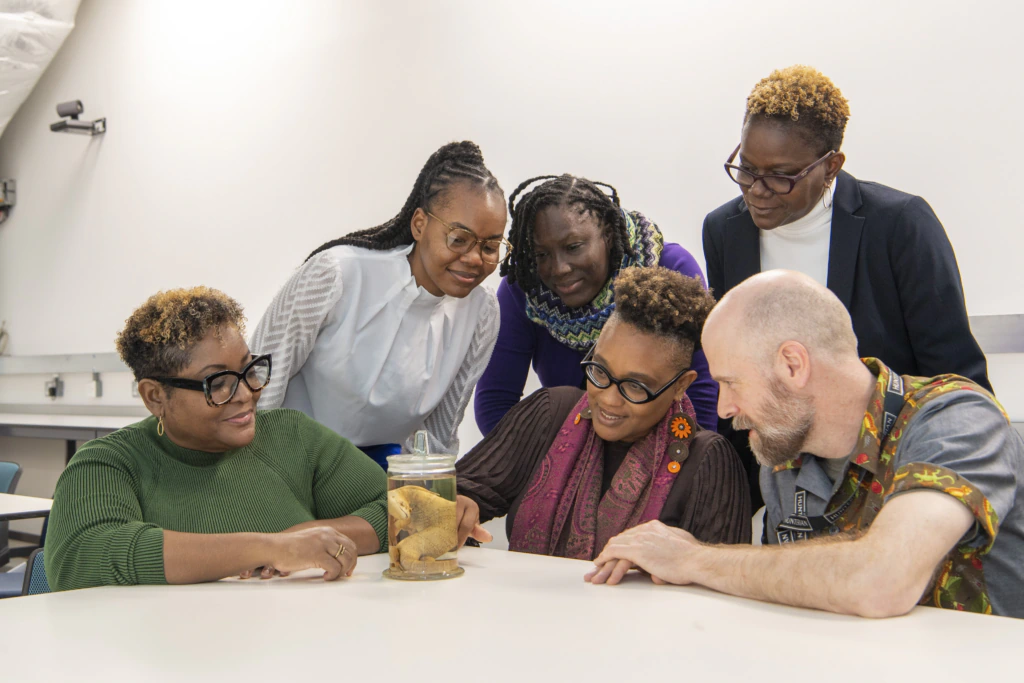
Mike Rutherford, the curator of zoology and anatomy at the Hunterian Museum & Art Gallery, part of the University of Glasgow, says: "The Return of the Galliwasp project, which was initiated in mid-2022, was based on the repatriation of a preserved specimen of the Jamaican giant galliwasp, Celestus Occiduus, to Jamaica.
"There are preserved remains of this extinct endemic lizard in several museums in Europe and the US, but none were known of on the island from which it came – so I thought it only fair to send our specimen back.
"After almost two years of discussions, virtual events and finding the necessary funding, the handover took place in April 2024, when a group of curators and academics from Jamaica came to the Hunterian at the University of Glasgow to collect the specimen.
"From the very beginning, this was an open conversation between the Hunterian and several stakeholders in Jamaica, including Shani Roper, the curator of the University of the West Indies Museum, as well as curators from the Natural History Museum at the Institute of Jamaica.
"Our initial plan was just to send the lizard back. But it soon developed into much more, as it became a knowledge exchange and a way in which to strengthen connections between the two universities, as well as between Scotland and Jamaica.
"The main challenge was funding the visit of the Jamaican contingency to Scotland; fortunately, being part of a big university gave us access to several internal funding streams.
"The Hunterian has a repatriation policy, but it is aimed at those making a claim and is focused on human remains, culturally significant items and unethically acquired items. As we made the initial offer, we had to develop the process as we went along.
"To communicate the project, we ran a webinar with speakers from Jamaica and the UK, delivered presentations at academic and museum conferences, and released press statements that were picked up by national and international media.
"Some of the stakeholders in Jamaica also used social media, such as Instagram and Facebook, to share news of the return before and after the event. This allowed us all to see comments from the public, which were both good and bad.
Tips for success
- Start the process as a conversation with the relevant people and organisations in the source country, and let it develop from there.
- Have an idea of what you want to get out of the repatriation, but accept that anything can be brought to the table for discussion, and be ready to adapt your plans as required.
- Every repatriation will be different, so there is no single correct way to do it.