Almost all of us have listened to one: on our walk into work, while we’re putting our socks on in the morning or when we’re settling down for that mid-afternoon brew. I have a friend who recently queued up The Rest is Politics to get her pumped for a park run – she achieved a personal best.
Podcast listenership is increasing year on year, with about 21 million people in the UK tuning in regularly. The number of people producing podcasts is growing too. In 2024, an inaugural episode was dropped 185,000 times.
Podcast listeners are a far more engaged audience than those of many other digital outlets. If a listener tunes into your pod, they’re likely to stick with an episode all the way through before deciding whether they like it or not. And a podcast is a slower, more mindful way of processing digital content – a break from doom scrolling on phones or being screamed at by influencers on social media.
As a producer, I’ve found podcasts to be a respite from the intense and urgent nature of crafting content for Instagram and TikTok. Developing your podcast is also an interesting exercise in understanding your strategic aims. To reach new audiences, you need to meet them wherever they’re already listening.
This might mean leaning into a particular format (women are twice as likely to listen to crime podcasts than men, for example). Or if you want to reach a niche audience, make sure your host reflects that demographic.
Make sure you have advocates in every team who are invested from the offset. Done well, the podcast will become their project too.
Advertisement
Any museum with a story to tell (that is, all of us) should think about having a podcast. But thinking should become doing when your museum also has funny and engaging staff, or volunteers who can represent you to audiences in a winning way.
Getting started
Does a podcast align with your content, digital and audience development strategies?
Podcasts take time, and it’s almost pointless to make one if you can’t ensure it has longevity, or the buy-in of your board. How much time you have, what assets you have got to hand and who you’ve got to present and produce it should all feed into your podcast scoping.
If you don’t have a lot of time, then go for an informal, chatty podcast. If you have lots of time and a larger budget, a narrative podcast with different layers of storytelling is more available to you.
In practice, the first step to developing your podcast is having a solid plan and purpose in place. It can help to have a critical friend throughout this, who understands you, your target audience and your strategy.
Advertisement
Production skills and equipment
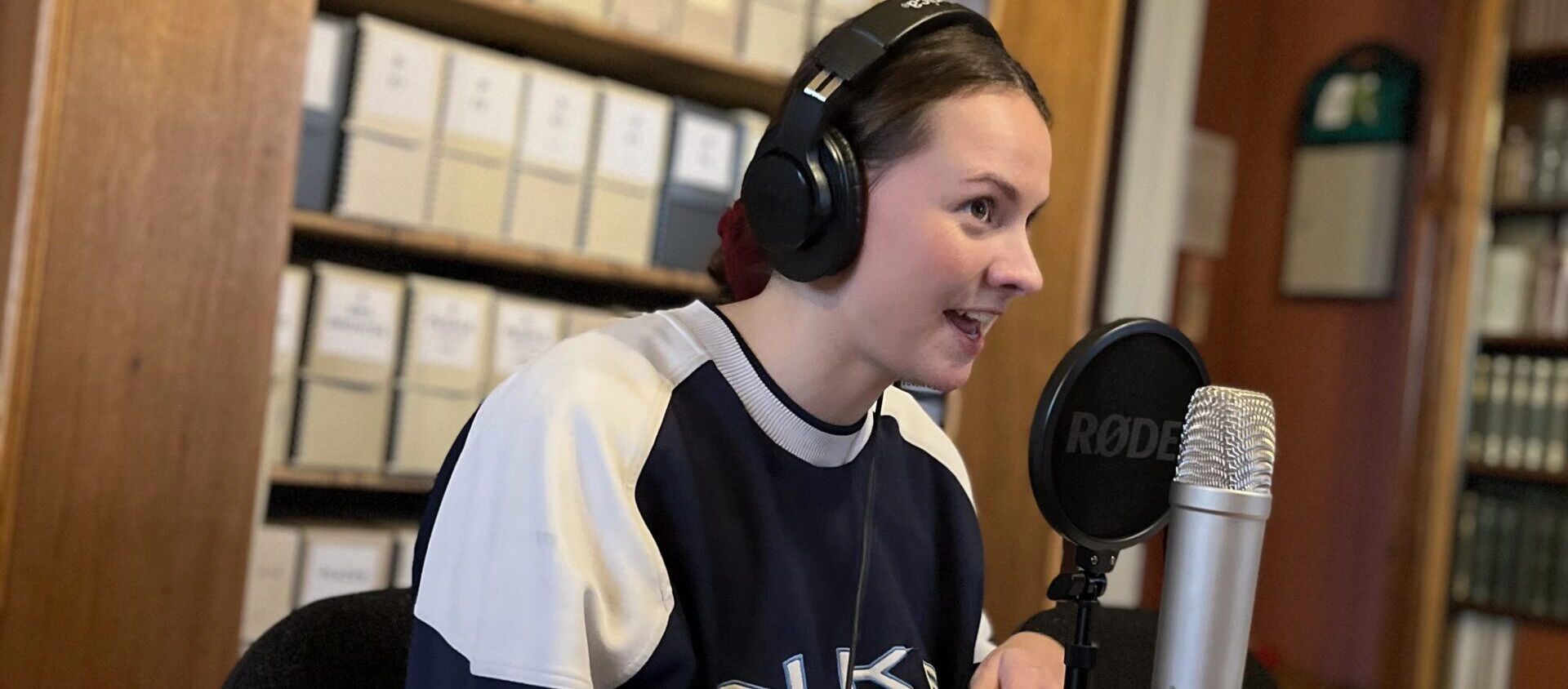
The tech you need depends on the tone you are taking, as well as the number of voices. I recently spent £450 on good-quality kit for a two-host podcast. Your hosting platform, audio levelling and transcription and editing software all incur a cost, too. This is generally either a subscription cost or billed per hour of audio processed.
Do you already have the production skills in-house? If not, this could be an opportunity for teams to develop a new skill. If you don’t have the time, budget or a strategy, that’s OK.
Having a standalone audio piece, consumed on a platform by an audience you already engage with, may best serve the story you want to tell.
You also need to consider costs when it comes to artwork and any music you’re licensing, as well as fees for external guests where needed. If you’re outsourcing your edit, the time and expense will be dependent on the quality of the raw audio you send, the format and the length.
It’s a good idea to record practice interviews ahead of time and to think about promotion from the offset. Understand your campaign beats: your trailer, your first episode drop and who is lined up to chip in with the fuss when it does.
Advertisement
Supporting assets are key to consider before you begin. Do you need to film your recording or to ask your guests to shoot a short reel with you before they leave?
Prepare your episodes in a batch before you launch, if possible, to avoid putting yourself under unnecessary pressure. Their length depends on your purpose and resource – 35 to 50 minutes is a fairly safe sweet spot. If you’re low on time, make your episodes short and sharp. I’d love to do a 15-minute, quick-fire daily podcast.
Podcasts should drop regularly – weekly is ideal to build consistent listeners. If your podcast is released as a series, keep your best episodes for first and last, as these will be the most listened to.
Evaluating your success
Set out what success looks like to you before you begin, and evaluate performance to that effect. Some of your KPIs should be internal, while some should be about your listeners. What are they saying about your museum, your format or the audio? Where are they saying it, and where are they listening from?
As with any organic digital content, podcasts shouldn’t be seen as a marketing tool or a way to get feet through the doors. Your purpose should be brand recognition and generating interest in your stories.
However, there are marketing opportunities that a podcast may lead to down the line, such as “merch”, podswaps (where two or more podcast shows collaborate on an episode, often with the hosts of one show appearing on another), live shows and donations.
I can’t think of a museum podcast that’s broken into this yet – but why not?
Megan Jones is a freelance writer and digital content manager at National Museums Scotland