Under lockdown measures imposed to control the Covid-19 pandemic, museums in England will remain closed until 4 July at the earliest, and no indicative opening dates have been provided for museums in other UK nations.
But in other countries, institutions have begun to reopen. We review the precautions they are taking to explore the issues UK museums will need to consider when they begin to welcome visitors back.
Visitor flow
Managing the numbers and movement of visitors is widely recognised as a key safety consideration.
The International Council of Museums (Icom) recommends a number of measures to ensure social distancing, such as setting a maximum number of visitors for a venue and a maximum number of visitors for each gallery or room.
Other approaches suggested by Icom and other sector bodies include using time slots; booking systems (managed either online or by phone); and extended opening hours.
A number of bodies recommend that visitors should follow prescribed routes around spaces using signs and possibly barriers. The American Alliance of Museums (AAM) highlights the importance of considering ticketing and information desks, shops and cafes, and protecting security staff in this context.
Other suggested approaches to managing visitor flow include:
- Clearly marked routes and queue positions
- A one-way system
- Waiting areas
- Reducing the number of entrances used
- Separate entrances and exits
- Avoiding or managing queues
- Reorganising or postponing educational activities
- Limited or no entry to restricted spaces such as cafes and theatres
Other recommended measures on social distancing generally include:
- Limiting numbers for guided tours and events, or cancelling these completely
- Installing extra monitoring equipment such as cameras
- Dedicated opening hours for vulnerable groups
Hygiene
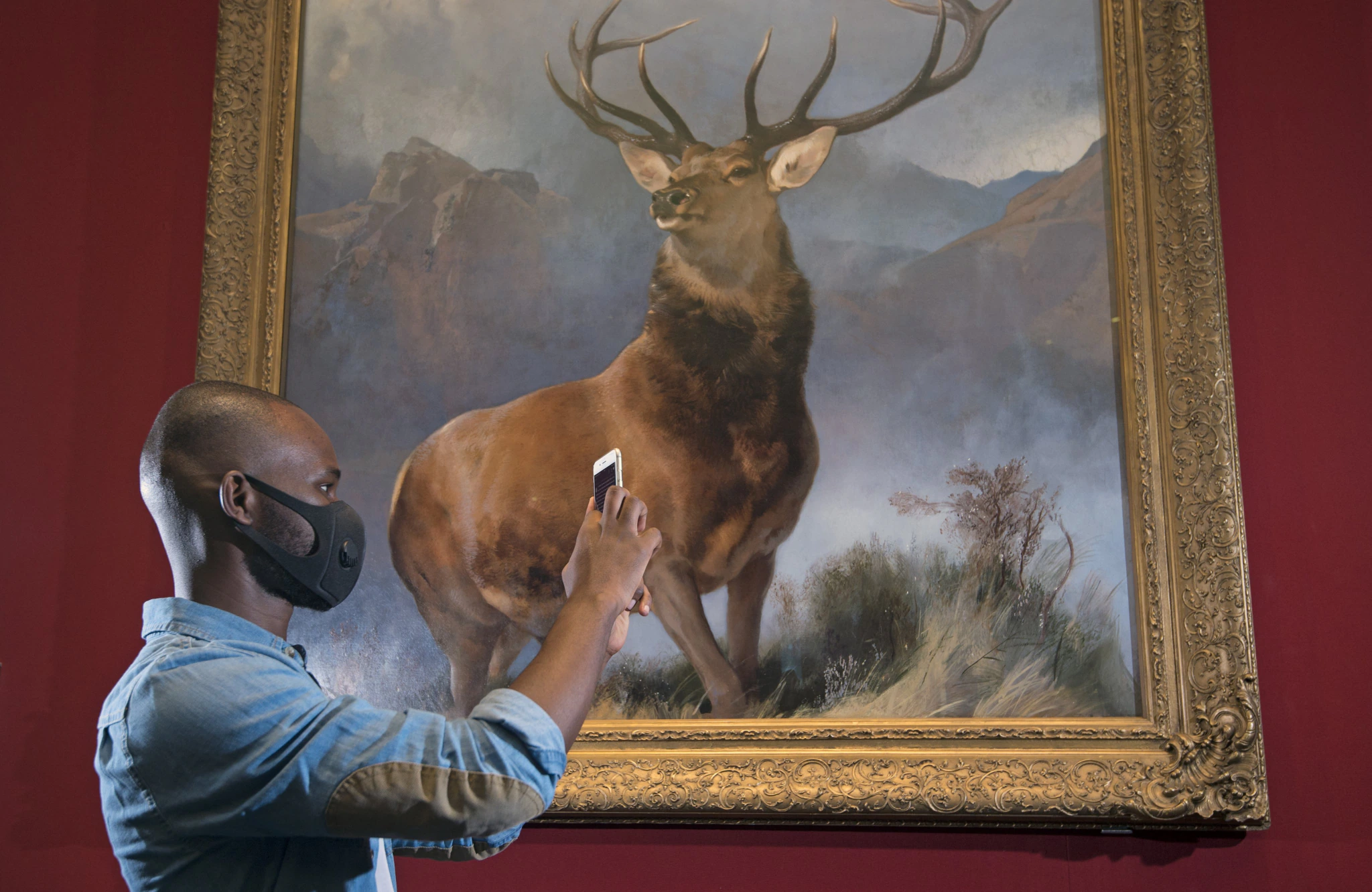
Key hygiene measures include providing hand sanitisers as well as soap and water for handwashing. Some sector bodies also recommend offering or requiring face coverings.
Frequent cleaning is also crucial. Icom says public areas should be cleaned on a daily basis at a minimum. It also recommends that venues should restrict the use of areas that can’t be fully cleaned or disinfected; close installations that involve visitor interaction; and only allow visitors with reduced mobility to use lifts.
If museum shops and cafes reopen, they should make sure they align with government safety guidelines on retail and hospitality.
Other measures suggested by sector bodies include:
- Encouraging contactless payments
- Disinfecting surfaces that are touched regularly
- Disinfecting devices such as audio guides and headphones after each use
- Servicing ventilation and air conditioning systems
- Deactivating or regulating the use of touchscreen exhibits
- Screening visitors for Covid-19 symptoms
- Glass or Perspex barriers at tills
- Closing cloakrooms
- Keeping interior doors open
- Increasing air circulation (fans, opening windows etc)
Staff
Staff safety and wellbeing is described by Icom as a “top priority”, alongside the security of the museum. It says staff whose activities don’t require them to be on site should continue working from home (while taking account of national regulations).
For staff working on site, it is important to arrange workspaces and set procedures to ensure social distancing. Personal protective equipment (PPE) is also essential – this may include sanitiser, face coverings, gloves and gowns depending on responsibilities.
Appropriate PPE is particularly important for staff in high visitor traffic environments and those who are cleaning and disinfecting.
It may be necessary to hire, retrain or reallocate staff resources to reopen a museum safely.
The Museums Assocation (MA) says “it is likely museums will need at least as many if not more staff in public areas to support social distancing and give reassurance – as well as a warm welcome back – to visitors”.
The MA also points out that many venues could face a shortage of volunteers, since a large number of these are retirees who are more likely to be at a higher risk from the virus. This may mean smaller museums dependent on volunteer support will struggle to reopen.
Specific measures recommended by sector bodies relating to staff include:
- Cleaning and disinfecting work areas and equipment
- Avoiding group lunch breaks and regulating canteen access
- Asking visitors rather than staff to scan online tickets
- Training staff in Covid-19 safety measures
- Creating an up-to-date emergency plan
- Offering support for mental health and wellbeing
- A clear system for self-reporting Covid-19 symptoms
- Designating a specific staff member responsible for responding to Covid-19 concerns
- Extending object loans to minimise handling and transportation
- Protecting vulnerable staff from direct contact with visitors
Communication
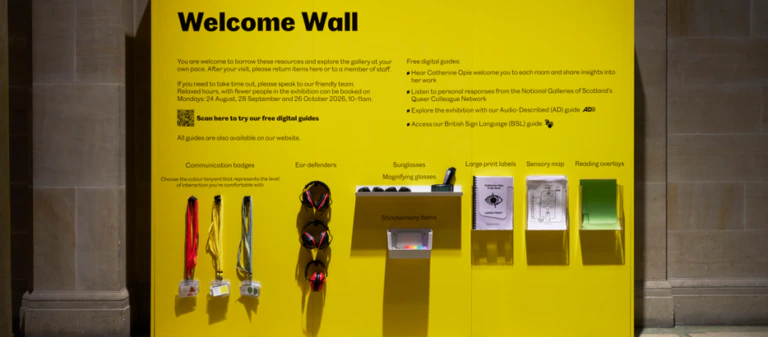
Communicating hygiene and social distancing protocols to the public can include information on the website as well as signs in the building and in-person support from staff.
Measures suggested by sector bodies include signposting routes (such as tape lines on the floor) and displaying key information at busy points such as ticket desks and entrances, or even in every exhibition room. Organisations also urge museums to network with their peers to share ideas and tips on reopening.
Ongoing adjustment and support
There is a widespread recognition that the reopening of museums should be a gradual process subject to regular review and refinement.
The American Alliance of Museums (AAM) says this approach “allows your museum to prioritise health and safety while taking progressive steps to restore regular operations”. It recommends museums co-ordinate reopening plans with local authorities and other institutions, and bear in mind conditions such as trends in Covid-19 cases, staff resources and availability of equipment.
In other countries:
- Poland’s Ministry of Culture and Heritage suggests opening park and garden areas first
- Icom Belgium has proposed beginning by opening to individual visitors or those from the same household
- In Icom Austria’s guidelines, festivals and large events are banned until 31 August.
The practicalities of reopening may involve reduced incomes and higher expenditure than previously, and many sector bodies have called for ongoing support from governments.
The MA expects “a period of adjustment during which museums will need both public support and a reappraisal of business models in order to secure their operations in the long-term”.
It is calling for “emergency public support during an extended period following the end of lockdown to ensure their continued survival”.
Links and downloads