Public face
Monitoring recruitment processes over time might allow managers to spot where problems may lie: for example, is a postgraduate qualification a desirable attribute in the person specification having an impact on the diversity of those selected for interview? Would you be prepared to let this go in return for a more diverse workforce?
Diversity training
Training for managers can be useful, but is not sufficient alone to create a diverse and inclusive organisation. The overall inclusion climate and support for diverse groups is likely to underlie the success of any diversity initiatives, according to the Chartered Institute of Professional Development (CIPD). Concepts and practices should also be built into all relevant training and policy, starting from staff inductions.
Committing to flexible working
Flexible working – through part-time roles, being open to job-shares or allowing work from home – can lead to higher levels of job satisfaction and can open up jobs to a wider range of potential applicants. It can also help employees to manage disability, long-term health conditions and their mental health. The supply of flexible working jobs falls well short of demand, according to CIPD, which suggests including the line “Happy to talk flexible working” in job advertisements.
Diversity policies
Although there is no legal obligation to produce diversity policies, having one can demonstrate that an organisation takes inclusion and diversity seriously. This must have the support of senior management and be properly put into practice, as well as being reconsidered and updated regularly.
Overall, as the CIPD says, there should not need to be a bottom-line business case in order to treat individuals with respect and dignity at work.
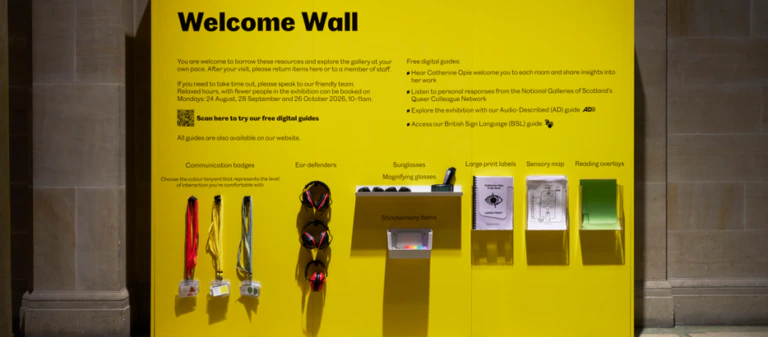
A museum or heritage organisation that has a confident, inclusive public programme is already making a strong display of its culture and values.
“For museums that take it seriously, it shows in their audience engagement figures,” says arts and heritage consultant Sandra Shakespeare. “If you look at Tate, and Zoe Whitley and Mark Godfrey's Soul of a Nation exhibition in 2017, that absolutely smashed it in terms of ticket sales.”
The BAME staff network at Tate has also produced a guide to the collection that asks the question: “What do you do when you walk through a gallery that showcases the best of British art through the decades, but you cannot see yourself being represented?”
Visibly inclusive public-facing activity such as this will encourage interest from a wider range of applicants when recruiting.
Be clear about the process
“For museums that take it seriously, it shows in their audience engagement figures,” says arts and heritage consultant Sandra Shakespeare. “If you look at Tate, and Zoe Whitley and Mark Godfrey's Soul of a Nation exhibition in 2017, that absolutely smashed it in terms of ticket sales.”
The BAME staff network at Tate has also produced a guide to the collection that asks the question: “What do you do when you walk through a gallery that showcases the best of British art through the decades, but you cannot see yourself being represented?”
Visibly inclusive public-facing activity such as this will encourage interest from a wider range of applicants when recruiting.
Be clear about the process
Highlighting diversity and inclusion in the recruitment process is a simple way to attract a more diverse range of applicants. Employers could also make submissions to schemes such as Stonewall’s UK Workplace Equality Index, although the cultural sector does lag behind others – higher education, for example – in industry-led diversity awards.
Monitoring
Monitoring
Monitoring recruitment processes over time might allow managers to spot where problems may lie: for example, is a postgraduate qualification a desirable attribute in the person specification having an impact on the diversity of those selected for interview? Would you be prepared to let this go in return for a more diverse workforce?
Diversity training
Training for managers can be useful, but is not sufficient alone to create a diverse and inclusive organisation. The overall inclusion climate and support for diverse groups is likely to underlie the success of any diversity initiatives, according to the Chartered Institute of Professional Development (CIPD). Concepts and practices should also be built into all relevant training and policy, starting from staff inductions.
Committing to flexible working
Flexible working – through part-time roles, being open to job-shares or allowing work from home – can lead to higher levels of job satisfaction and can open up jobs to a wider range of potential applicants. It can also help employees to manage disability, long-term health conditions and their mental health. The supply of flexible working jobs falls well short of demand, according to CIPD, which suggests including the line “Happy to talk flexible working” in job advertisements.
Diversity policies
Although there is no legal obligation to produce diversity policies, having one can demonstrate that an organisation takes inclusion and diversity seriously. This must have the support of senior management and be properly put into practice, as well as being reconsidered and updated regularly.
Overall, as the CIPD says, there should not need to be a bottom-line business case in order to treat individuals with respect and dignity at work.