Businesses and brands are often perceived as using social media to broadcast yet more noise at us; another way for them to tell us about stuff we may not be interested in. In many cases this view is justified.
But while I don’t care which crisp flavour the public has recently voted for, I am aware that plenty of organisations do interesting things with social media and many of these go beyond marketing.
Social media managers at certain companies excel at developing a casual or tongue- in-cheek tone. No matter how irreverently droll, this approach keeps the brands relevant and helps them stand out from the crowd, increasing the public’s awareness of them, presumably leading to more business/and or loyalty.
Museums and other cultural organisations have similar reasons for being on social media, but arguably have a lot more to offer – content that is more meaningful. Or at least they should do.
At the Wellcome Collection we explore what it means to be human, so inviting our audiences (who usually tend to be human) to join in leads to a much richer experience for us, as well as the people taking part. We use social media to reach people directly, to ask them questions and involve them in discussions about different topics. And sometimes we just like to provoke.
The functional, customer service role of social media is also important, but we hope we have developed a tone that is engaging and slightly unexpected from a museum, and one that fits with us as an organisation. Making sure we appear human ourselves is an important part of running the Wellcome Collection’s social media accounts.
Another important role of social media is of course marketing. Social media can be used before, during and after an exhibition’s run to not only to make people aware of it but also to create more meaningful interactions.
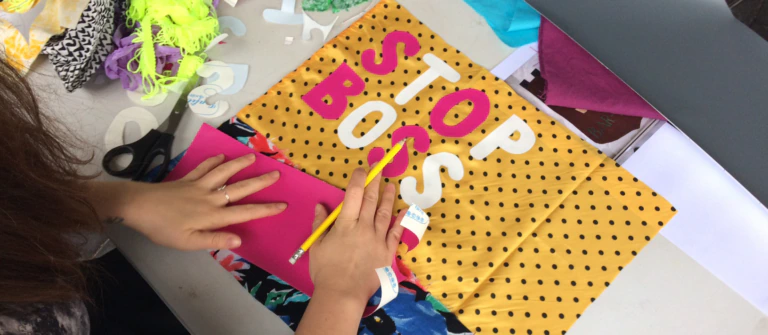
Ways of doing this include posting behind-the-scenes pictures of the exhibition being installed on Instagram; asking people to submit and embroider their sleep stories for a quilt relating to the current exhibition; and taking part in hashtag event days, posting content related to past exhibitions, such as the recent #QueerMuseums.
The creative benefits of videos and GIF animations, especially considering how much the former is still prioritised on social feeds, means that more organisations are using them to reach their followers. Live video is especially important to Facebook’s algorithm, meaning it gets pushed to more of the audience than other types of content (for now at least).
We’ve filmed a short tour of our permanent exhibition Medicine Man already and plan to use live video to show highlights from Bedlam: the asylum and beyond exhibition. This whets the appetite of potential visitors and gives those who can’t visit a taste of the experience.
Occasionally it makes sense to explore newer channels to see what they might have to offer. Snapchat might seem trivial and frivolous, and will its main user group – the almost mythical youth audience even follow us? I’m not convinced. But channels like Snapchat present interesting opportunities not available from more established ones, allowing users to post stories that remain visible for 24 hours.
At least they did until Instagram revealed its “stories” function. Whether it’s Instagram vs Snapchat or Periscope vs Facebook Live, experimenting with different tools allows you to see what works for you and which tool to concentrate on across different formats.
We’ve also used Phhhoto, which it creates animated GIFs that can be shared on most other channels (of course then Instagram released Boomerang – there’s a pattern here). The great thing about Phhhoto is that their booth can be hired for events, which is something we did for one of our Friday Late Spectaculars.
Visitors were invited to select an emotion at random and act it out in front of the booth. A screen in the building showcased the GIFs (which could also be seen online) and people shared them on social media too.
Social media allows people to share aspects of their lives with their networks, and we essentially do the same. The fact that museums and galleries are culturally relevant enough to feature in our visitors’ updates to their friends is something not only to be celebrated, but fostered.
This, combined with the fascinating and unique content museums have to draw on, means we can use social media in a way that deepens our audience’s engagement with us, without demanding anything from them except a few seconds of their time.
Russell Dornan is the web editor at the Wellcome Collection
But while I don’t care which crisp flavour the public has recently voted for, I am aware that plenty of organisations do interesting things with social media and many of these go beyond marketing.
Social media managers at certain companies excel at developing a casual or tongue- in-cheek tone. No matter how irreverently droll, this approach keeps the brands relevant and helps them stand out from the crowd, increasing the public’s awareness of them, presumably leading to more business/and or loyalty.
Museums and other cultural organisations have similar reasons for being on social media, but arguably have a lot more to offer – content that is more meaningful. Or at least they should do.
At the Wellcome Collection we explore what it means to be human, so inviting our audiences (who usually tend to be human) to join in leads to a much richer experience for us, as well as the people taking part. We use social media to reach people directly, to ask them questions and involve them in discussions about different topics. And sometimes we just like to provoke.
The functional, customer service role of social media is also important, but we hope we have developed a tone that is engaging and slightly unexpected from a museum, and one that fits with us as an organisation. Making sure we appear human ourselves is an important part of running the Wellcome Collection’s social media accounts.
Another important role of social media is of course marketing. Social media can be used before, during and after an exhibition’s run to not only to make people aware of it but also to create more meaningful interactions.
Ways of doing this include posting behind-the-scenes pictures of the exhibition being installed on Instagram; asking people to submit and embroider their sleep stories for a quilt relating to the current exhibition; and taking part in hashtag event days, posting content related to past exhibitions, such as the recent #QueerMuseums.
The creative benefits of videos and GIF animations, especially considering how much the former is still prioritised on social feeds, means that more organisations are using them to reach their followers. Live video is especially important to Facebook’s algorithm, meaning it gets pushed to more of the audience than other types of content (for now at least).
We’ve filmed a short tour of our permanent exhibition Medicine Man already and plan to use live video to show highlights from Bedlam: the asylum and beyond exhibition. This whets the appetite of potential visitors and gives those who can’t visit a taste of the experience.
Occasionally it makes sense to explore newer channels to see what they might have to offer. Snapchat might seem trivial and frivolous, and will its main user group – the almost mythical youth audience even follow us? I’m not convinced. But channels like Snapchat present interesting opportunities not available from more established ones, allowing users to post stories that remain visible for 24 hours.
At least they did until Instagram revealed its “stories” function. Whether it’s Instagram vs Snapchat or Periscope vs Facebook Live, experimenting with different tools allows you to see what works for you and which tool to concentrate on across different formats.
We’ve also used Phhhoto, which it creates animated GIFs that can be shared on most other channels (of course then Instagram released Boomerang – there’s a pattern here). The great thing about Phhhoto is that their booth can be hired for events, which is something we did for one of our Friday Late Spectaculars.
Visitors were invited to select an emotion at random and act it out in front of the booth. A screen in the building showcased the GIFs (which could also be seen online) and people shared them on social media too.
Social media allows people to share aspects of their lives with their networks, and we essentially do the same. The fact that museums and galleries are culturally relevant enough to feature in our visitors’ updates to their friends is something not only to be celebrated, but fostered.
This, combined with the fascinating and unique content museums have to draw on, means we can use social media in a way that deepens our audience’s engagement with us, without demanding anything from them except a few seconds of their time.
Russell Dornan is the web editor at the Wellcome Collection