Traditionally, visiting a museum involves blocking out time; ‘planning an attack’ on what you would like to see; and ensuring you have got enough supplies (food in my case) to make it through the day.
Many people, however, are accessing museums in a much more dynamic way. Some don’t even leave the house and instead access museum services virtually.
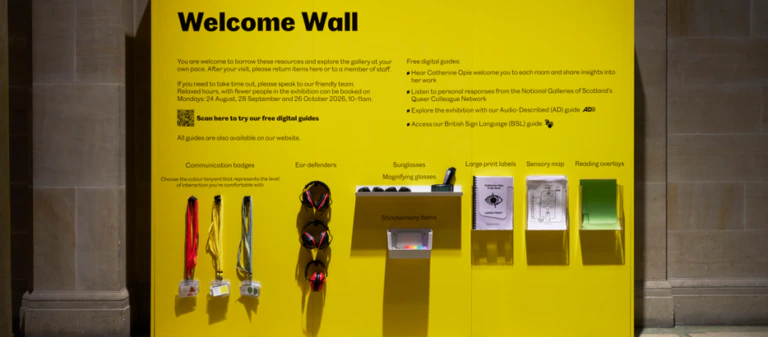
Museums should be enjoyed, not conquered. While there is no right or wrong way of achieving this it’s important that visitors know what is on offer and have the opportunity to access what they want to see at a time and in a way that works for them and meets their needs.
All of the above hinges on effective wayfinding, which refers to the processes people go through to find their way round a space or an open environment. The process is fundamentally about problem-solving, and is affected by many factors: how people perceive their environment; the quality and amount of wayfinding information available; and a visitor’s physical and cognitive capacity to find their way around museums in both the physical and virtual world.
Wayfinding in museums takes many forms. These include static and digital signage and, of course, having a person to show the way, which is never to be underestimated. Being able to ask someone the way is still one of the best precursors to an effective and personalised wayfinding strategy.
Wayfinding apps can transform the experience of disabled visitors. They often provide data on the accessibility of specific venues and routes, and present information in an accessible format.
Another advantage of apps is that they can be downloaded in advance and the information can be tailored to the needs of the individual. They include both pre-programmed and real-time information and can be easily updated and revised, making them suitable for both temporary and permanent exhibitions.
Navigational features can also be easily combined with curatorial content, ensuring that disabled people can not only get around a museum but also have greater intellectual access to it.
For example, iBeacons or Bluetooth low energy (BLE) address the need for low-cost and easy-to-implement solutions. This type of technology is a great way of tailoring information for disabled people, who, depending on their disability, may need more or less curatorial information.
There are still challenges about iBeacon technology and its reliability in a museum setting but there is no doubt that it will continue to be in the mix for the future of accessible wayfinding.
Nick Goss is the Managing Consultant at Goss Consultancy, which works across the creative and cultural sector and is an access training and consultancy delivery partner for Shape Arts.
Many people, however, are accessing museums in a much more dynamic way. Some don’t even leave the house and instead access museum services virtually.
Museums should be enjoyed, not conquered. While there is no right or wrong way of achieving this it’s important that visitors know what is on offer and have the opportunity to access what they want to see at a time and in a way that works for them and meets their needs.
All of the above hinges on effective wayfinding, which refers to the processes people go through to find their way round a space or an open environment. The process is fundamentally about problem-solving, and is affected by many factors: how people perceive their environment; the quality and amount of wayfinding information available; and a visitor’s physical and cognitive capacity to find their way around museums in both the physical and virtual world.
Wayfinding in museums takes many forms. These include static and digital signage and, of course, having a person to show the way, which is never to be underestimated. Being able to ask someone the way is still one of the best precursors to an effective and personalised wayfinding strategy.
Wayfinding apps can transform the experience of disabled visitors. They often provide data on the accessibility of specific venues and routes, and present information in an accessible format.
Another advantage of apps is that they can be downloaded in advance and the information can be tailored to the needs of the individual. They include both pre-programmed and real-time information and can be easily updated and revised, making them suitable for both temporary and permanent exhibitions.
Navigational features can also be easily combined with curatorial content, ensuring that disabled people can not only get around a museum but also have greater intellectual access to it.
For example, iBeacons or Bluetooth low energy (BLE) address the need for low-cost and easy-to-implement solutions. This type of technology is a great way of tailoring information for disabled people, who, depending on their disability, may need more or less curatorial information.
There are still challenges about iBeacon technology and its reliability in a museum setting but there is no doubt that it will continue to be in the mix for the future of accessible wayfinding.
Nick Goss is the Managing Consultant at Goss Consultancy, which works across the creative and cultural sector and is an access training and consultancy delivery partner for Shape Arts.