Wayfinding in museums, galleries and cultural attractions isn’t simply about directing visitors from A to B and through the gift shop.
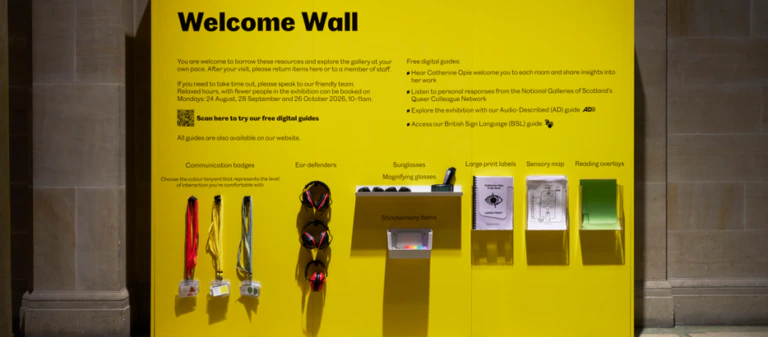
Instead it should be viewed as an opportunity to enrich the overall visitor experience and increase engagement with the collections and content. This is best achieved through a carefully planned combination of signage, maps, guides and visitor engagement teams.
A wayfinding principle we often follow at True North is "head, heart and hands". No matter what the type, shape and size of the organisation, we have found that by creatively applying this approach, wayfinding becomes more practical, more engaging and more inspiring.
Head: making wayfinding functional
First and foremost wayfinding has a functional role to play. This goes beyond helping visitors find the nearest toilet or the cafe. Instead it involves a carefully planned wayfinding strategy based on practical realities and visitor circulation.
Clarifying how you want visitors to move and navigate within the space is important and the collection is often a good place to start. Are you telling a story that is best experienced chronologically? Or do you want to encourage visitors to find their way independently within a structure that is minimally intuitive?
If the collection on display is to be regularly changed, an updatable and flexible signage system is needed. Whatever the answers, getting to grips with such practicalities from the outset is key to successful wayfinding.
When True North worked with the National Gallery of Ireland to improve wayfinding there were a number of practical challenges to overcome. Years of multiple architectural changes and extensions during the building’s 150-year history had created 15 uneven floor levels across four individual wings. This, combined with two separate entrances, made the space difficult to navigate. Inconsistent and poorly considered signage further added to the confusion.
A thorough understanding of these issues and how to overcome them was crucial to ensure that new signage didn’t just serve as a superficial makeover but actually made a significant improvement to the visitors’ journey through the gallery.
Heart: making emotional connections
Wayfinding can also help to communicate with audiences on an emotional level. This is where brand and identity comes into play. What brand qualities do you want to convey through signage? Do you need to communicate a sense of trust and reliability or do you want to appear playful and inviting?
This will dictate how the visual elements of the brand are applied to wayfinding and will influence the choice of materials, size, shape, colour, typography and iconography.
For example, the National Conservation Centre is one institution that has managed to communicate its brand experience on its signage. Visitors to the centre get to see the conservation work that goes on behind the scenes in galleries and museums so the brand needed to feel open, accessible and inviting.
This was achieved through playful illustrations of the conservationists at work, which interacted with the signage in a tongue-in-cheek way. This helped to raise a smile and put visitors at ease in an environment that the public were not originally able to see.
Hands: wayfinding can encourage greater interaction with the collection
Wayfinding can encourage deeper interaction, not only with signage but also with the collection. This is when the line between wayfinding and curation becomes blurred. In my experience, finding creative ways to encourage visitors to interact and engage with the collection is best achieved through close collaborations between marketing, design and curatorial teams.
Over the past few years we have worked with teams at the Wellcome Collection in London on a number of projects that have focused on enriching the visitor experience through creative communication, environmental and wayfinding solutions.
Interaction can be achieved through digital displays, guides and apps. True North worked with the Wellcome Collection to develop its interactive and updateable "what’s on’ wall", which incorporates iPads and encourages visitors to explore the exhibitions and collections on offer.
If digital isn’t an option printed materials can still be used to good effect. Last year the Wellcome Collection created bespoke visitor trails to encourage exploration of its newly opened spaces. The trails are themed according to gallery content.
Visitors are also directed to trails based on their mood and the type of experience they are looking for. The Braver Trail, for instance, is designed to inspire people about the bravery of individuals, leading them on an exploration of tattoos, phantom limbs and oppressed sexualities.
Trail leaflets were displayed in a giant "decision tree" and a variety of trails were on offer, giving visitors a reason to return time and time again.
Karen Hughes is the creative director at True North – a design and branding agency based in Manchester.
Instead it should be viewed as an opportunity to enrich the overall visitor experience and increase engagement with the collections and content. This is best achieved through a carefully planned combination of signage, maps, guides and visitor engagement teams.
A wayfinding principle we often follow at True North is "head, heart and hands". No matter what the type, shape and size of the organisation, we have found that by creatively applying this approach, wayfinding becomes more practical, more engaging and more inspiring.
Head: making wayfinding functional
First and foremost wayfinding has a functional role to play. This goes beyond helping visitors find the nearest toilet or the cafe. Instead it involves a carefully planned wayfinding strategy based on practical realities and visitor circulation.
Clarifying how you want visitors to move and navigate within the space is important and the collection is often a good place to start. Are you telling a story that is best experienced chronologically? Or do you want to encourage visitors to find their way independently within a structure that is minimally intuitive?
If the collection on display is to be regularly changed, an updatable and flexible signage system is needed. Whatever the answers, getting to grips with such practicalities from the outset is key to successful wayfinding.
When True North worked with the National Gallery of Ireland to improve wayfinding there were a number of practical challenges to overcome. Years of multiple architectural changes and extensions during the building’s 150-year history had created 15 uneven floor levels across four individual wings. This, combined with two separate entrances, made the space difficult to navigate. Inconsistent and poorly considered signage further added to the confusion.
A thorough understanding of these issues and how to overcome them was crucial to ensure that new signage didn’t just serve as a superficial makeover but actually made a significant improvement to the visitors’ journey through the gallery.
Heart: making emotional connections
Wayfinding can also help to communicate with audiences on an emotional level. This is where brand and identity comes into play. What brand qualities do you want to convey through signage? Do you need to communicate a sense of trust and reliability or do you want to appear playful and inviting?
This will dictate how the visual elements of the brand are applied to wayfinding and will influence the choice of materials, size, shape, colour, typography and iconography.
For example, the National Conservation Centre is one institution that has managed to communicate its brand experience on its signage. Visitors to the centre get to see the conservation work that goes on behind the scenes in galleries and museums so the brand needed to feel open, accessible and inviting.
This was achieved through playful illustrations of the conservationists at work, which interacted with the signage in a tongue-in-cheek way. This helped to raise a smile and put visitors at ease in an environment that the public were not originally able to see.
Hands: wayfinding can encourage greater interaction with the collection
Wayfinding can encourage deeper interaction, not only with signage but also with the collection. This is when the line between wayfinding and curation becomes blurred. In my experience, finding creative ways to encourage visitors to interact and engage with the collection is best achieved through close collaborations between marketing, design and curatorial teams.
Over the past few years we have worked with teams at the Wellcome Collection in London on a number of projects that have focused on enriching the visitor experience through creative communication, environmental and wayfinding solutions.
Interaction can be achieved through digital displays, guides and apps. True North worked with the Wellcome Collection to develop its interactive and updateable "what’s on’ wall", which incorporates iPads and encourages visitors to explore the exhibitions and collections on offer.
If digital isn’t an option printed materials can still be used to good effect. Last year the Wellcome Collection created bespoke visitor trails to encourage exploration of its newly opened spaces. The trails are themed according to gallery content.
Visitors are also directed to trails based on their mood and the type of experience they are looking for. The Braver Trail, for instance, is designed to inspire people about the bravery of individuals, leading them on an exploration of tattoos, phantom limbs and oppressed sexualities.
Trail leaflets were displayed in a giant "decision tree" and a variety of trails were on offer, giving visitors a reason to return time and time again.
Karen Hughes is the creative director at True North – a design and branding agency based in Manchester.