On 17 May 1974, a loyalist car bomb exploded in the border county town of Monaghan in the Irish Republic, killing seven people and leaving many others with life-changing injuries. Accompanied by simultaneous car bombings in Dublin, the dual atrocity resulted in the highest single-day death toll of the Troubles.
Four months on from those tragic events, Monaghan County Museum first opened its doors to the public.
Its emergence at the height of the conflict means the local history museum has played a particularly significant role in capturing the story of a shattered community, as well as exploring Monaghan’s unique and complex identity as a border town.
The institution was also a significant milestone for Ireland’s museum sector, as the first official local authority museum service established in the Irish state.
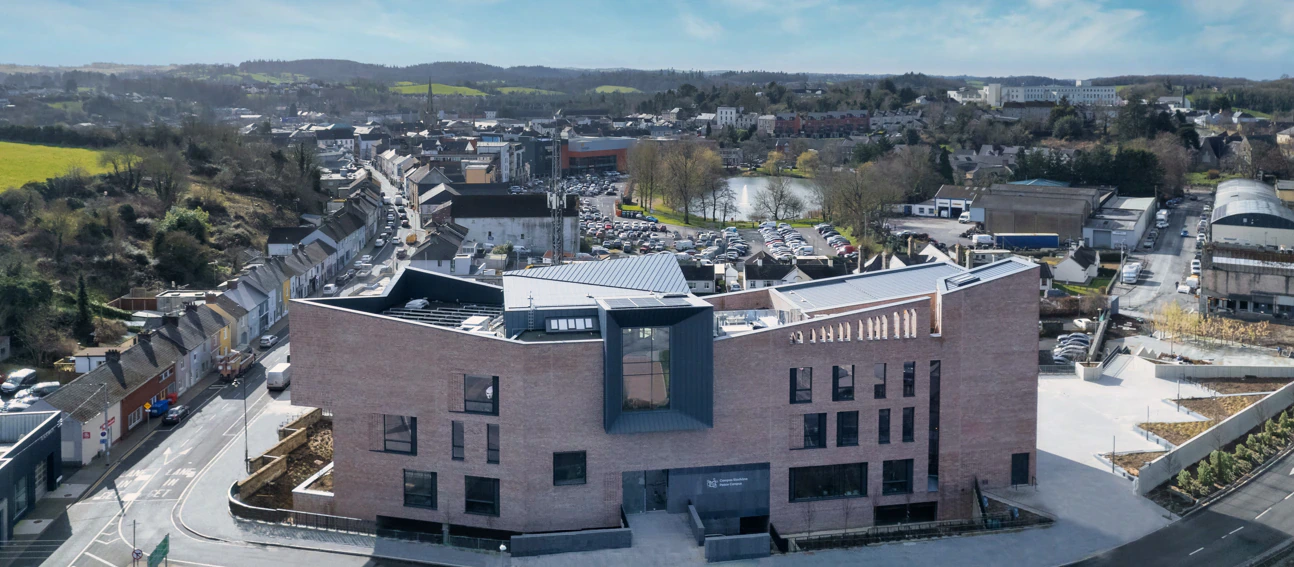
In 2024, the museum was rehoused in the Peace Campus, a state-of-the-art hub built with the support of the EU’s Peace IV Programme, which also features a library, youth club, cafe and multi-functional community spaces.
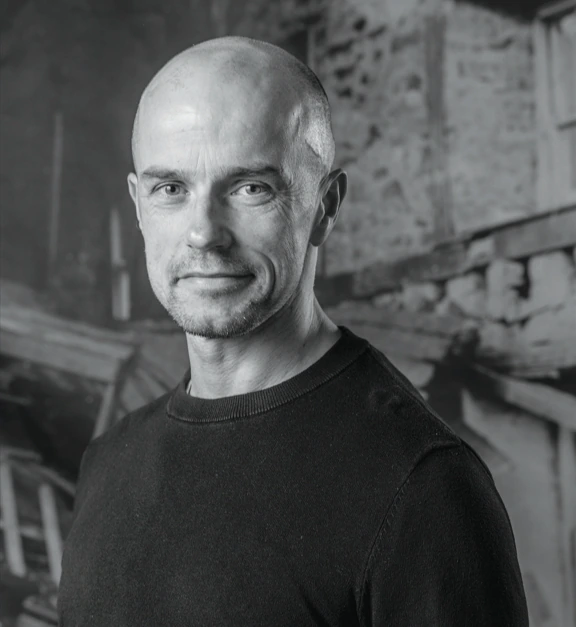
Museums Journal spoke to Liam Bradley, the director of Monaghan County Museum, about the institution’s important role in the town, and the impact of its relocation and redevelopment.
Can you tell us about the museum’s history?
Liam Bradley: Monaghan County Museum was the first full-time, professionally staffed local authority museum in the Irish state. Never before had a local authority decided to set up and fund a museum service.
Advertisement
It was not done because they needed to fulfil an immediate political goal or a statutory obligation, but because they wanted to invest in their county’s future by preserving its past. They knew that they would not receive a tangible output from this investment for years, yet they did it anyway because they believed it would benefit future generations.
So often we look at the past in black and white. This idea was an explosion of inspiration where colours didn’t matter – black and white or orange and green – this was a place for everyone, a place not of objects but of stories.
In September 1974, the museum opened its doors on the steps of Monaghan Courthouse. Just 50 metres away was the now-barricaded street that hid the devastating scars of the blast that had ripped the heart out of the county.
The museum began its existence in a divided and mistrustful society that was mourning and angry. Its mission was to collect those stories and keep them safe so that the community could remember, commemorate, but also discuss and debate, and learn to enjoy each other’s company.
What were the goals of the redevelopment?
We carried out a series of public consultations to find out what worked in the museum and what our community wanted from a new building and a new service. In the responses, one theme stood out above all else: that of division. A society that was fractured, not broken.
Advertisement
There was no clear rupture that could be identified, no areas that were separated by a wall or flags or colours painted on kerbstones. The lines were much more subtle. There were eight different meeting houses in Monaghan town, each reflecting a different faith or political ideal.
Yet there was no space that could be said to be truly open to everyone, where everyone felt safe. The legacy of the Monaghan bombing, and other bombings around the county during those turbulent years, still impacted on society.
We knew we needed a building that could be a safe space for everyone in the county, but more than that, encapsulated the unuttered hope that simmered below the surface of every response we received.
While we knew the pain was there, we could also see the love: love of place, love of shared history, our shared story. That is what the museum and its new home in the Peace Campus became.
What impact has the project had on the public?
One phrase comes back repeatedly, that the Peace Campus is becoming the beating of heart of the community. On a macro level, we are only beginning to understand how we in the museum, working with our other partners in the Peace Campus, can facilitate change in our community and address the legacy of the conflict to help build a more cohesive society.
Advertisement
On a micro level, it is the gravitational pull of such an ambitious project that I believe inspires visitors to express themselves in ways they would not normally do.
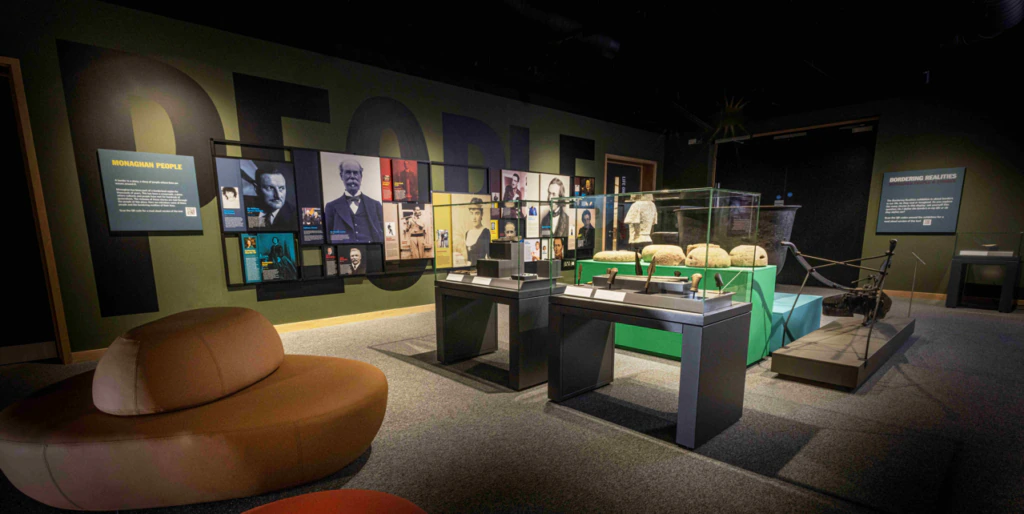
The exhibitions in the museum investigate the lines in our shared cultural identity. A border by its definition delineates a meeting point of two places, two peoples, two cultures. Although that can bring disagreement and conflict, it can also engender cooperation and learning.
How do you ensure the museum stays rooted in the community?
The focus of the museum was always to tell the stories captured within the collection – thousands of local stories about local people.
Our main display, Bordering Realities – Monaghan People and Stories, attempts to unlock those narratives. That is how we maintain an anchor in the county and its history, but the story is universal and appeals to all visitors. We use images and objects that are everyday to help tell incredible stories that are as true in Monaghan as they are around the world.
How does the museum explore Monaghan’s identity as a border town?
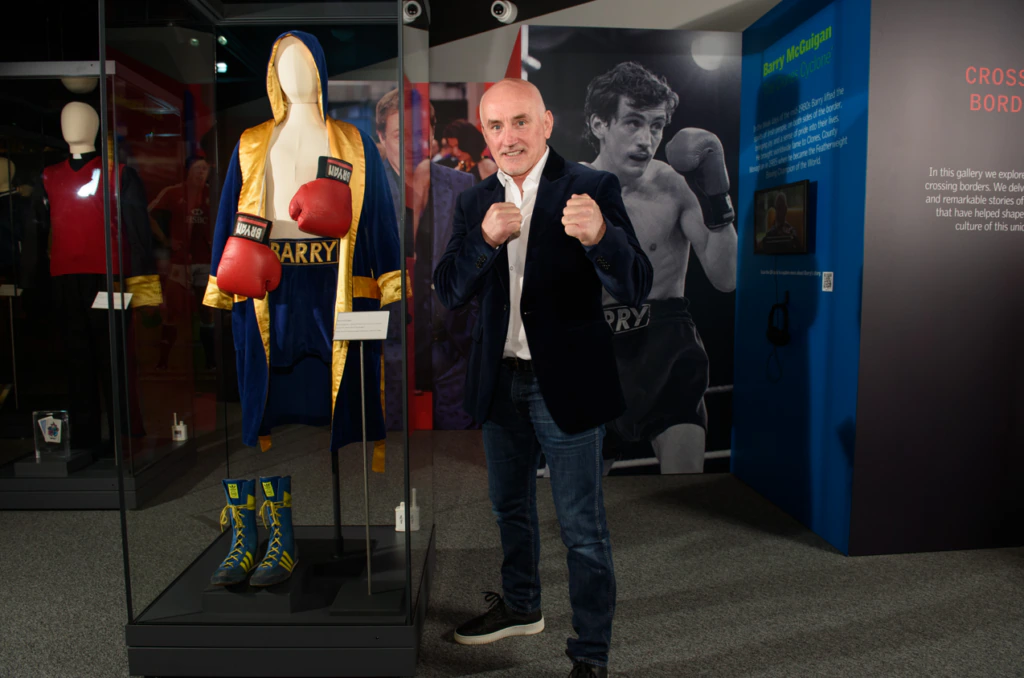
The plough is used a symbol of a border we crossed almost 10,000 years ago at the beginning of the agricultural revolution. It was the dawn of civilisation, the first time that humans drew a line in the ground and said “that’s mine and this is yours”. And yet so much of what we do is still rooted in our hunter-gatherer traditions. We look at how we are not just one thing because we crossed over a border.
We are a mismatch of many borders, many lines. No one moment, no one colour, no one symbol defines us. That is a local and international experience.
Tell us about some of the museum’s highlights
For The Story of the Ulster Scots, we worked with cross-borders partners in the Ulster Scots Agency as well as groups representing the Ulster Scots or Scots Irish story in the US to create a space chronicling the journey of sharing cultural ideas and identities.
Visitors can also see key artefacts of local and national significance, including the Cross of Clogher, approximately 500 years old and one of the most famous pieces of Medieval Irish Art in existence; and the fully restored door to Rossmore Castle, one of the last remaining pieces of Rossmore Castle, which was destroyed by fire and demolished eventually in 1974.
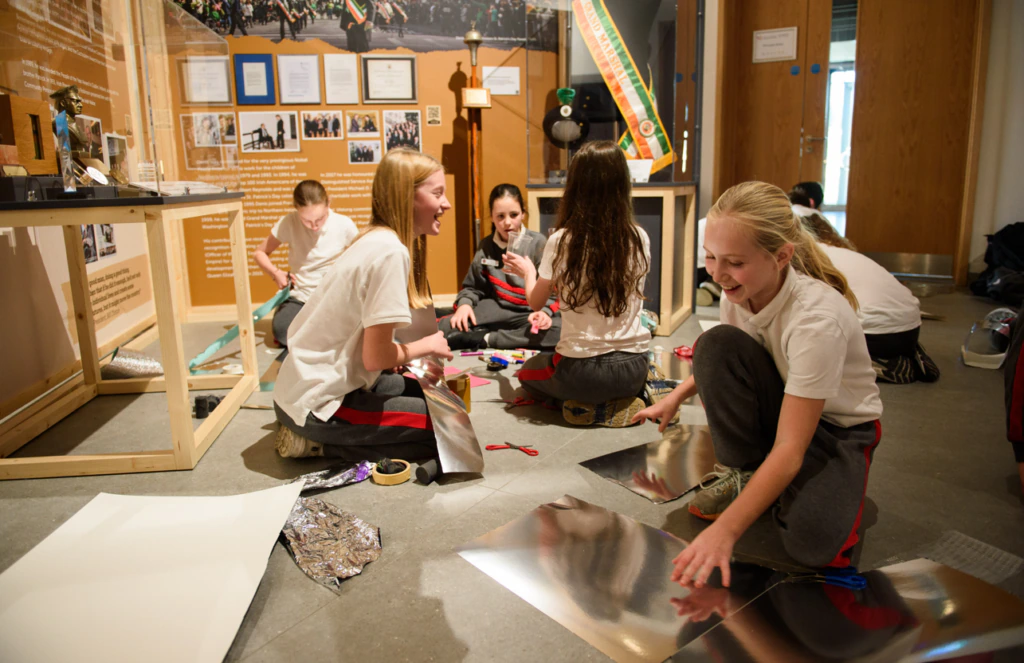
Our new temporary exhibition, The Project Children Stories – A Legacy of Peace Lives on in Monaghan, chronicles the extraordinary legacy of Project Children, which brought more than 23,000 Catholic and Protestant children to the US for a summer holiday respite during the Troubles. It offered them a temporary escape from conflict, and the chance to experience understanding and friendship in a neutral environment.
What about your future plans?
We want the museum to become a transformative service for the region and to reach out to communities across Northern Ireland and around the world. Borders are a universal reality.
We’d like to develop relationships with other collecting institutions and museums that focus on the story of borders in their countries and explore the commonalities between us and the opportunities they provide.
But most importantly, we are a community space for people in Monaghan and the region. If the community feel they have ownership of this space, they will do a lot of the work in bringing visitors from afar to the museum and the Peace Campus.
This is a place of borders and lines but they do not define us; rather they help to shape our own identities. The Peace Campus can be the catalyst for further exploration into what those identities are in this place of frontiers.
Project data
Cost
€22.5m
Main funders
Special European Union Programmes Body; Peace IV Shared Spaces Initiative; Department of Rural and Community Development; Monaghan County Council
Architect
Hall Black Douglas
Exhibition design for Bordering Realities - Monaghan People and Stories
Makedot Graphic Design
Exhibition design for The Project Children Stories - A Legacy of Peace Lives
Universal Graphics
Lighting
The Lighthouse
Display cases
Darac
Admission
Free