
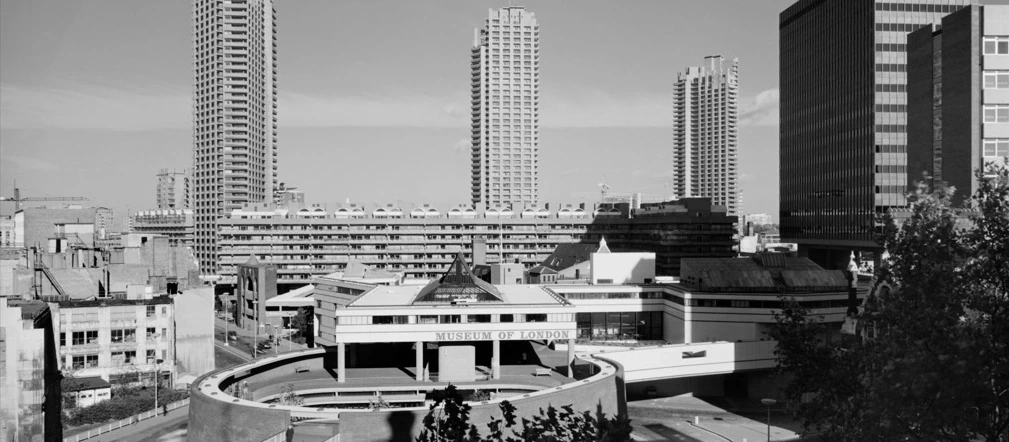
Starting with the swinging Sixties and ending with the optimistic nineties, the last four decades of the 20th century were marked by huge societal shifts and technological advances. We saw sexual revolutions as well as war and famine.
In the UK, there was the rise of Thatcherism and the onset of the Troubles. There was also girl power, and the global Aids crisis. Walls were toppled, and new spaces on the world wide web were carved out.
For museums, these were the boom years. The sector grew exponentially, with dramatic increases in local authority and smaller independent museums, fuelled by a desire to preserve heritage in the face of Britain’s industrial decline, an increasing interest in local and social histories, and more leisure time and disposable income.
The number of people working in museums increased accordingly, and roles began to deviate from traditional curatorial positions – education departments were born during this era alongside an awareness that people, as much as collections, are what makes museums special.
Change is exciting but scary and tends to result in one of two responses – those who want to cling on to the good old times and those who want to steam ahead regardless of where the path leads.
As Museums Journal’s editorial noted in June 1968: “Keeping the balance between old and the new, the familiar and the novel, even between the useful and the beautiful: this is the constant duty of the museum curator. The same balance needs to be kept by this journal, which must also have an eye on the conflicting claims of fashion and function, of conservation and progress.”
Advertisement
The writer was referring to the “revolution in printing methods”, but with the benefit of hindsight it also nicely sums up the way the magazine not only reported changes to the sector but how its content changed to reflect them.
Another 1968 editorial grapples with the question of what to do about “the new public”. I’ll spare you the snobbish rhetoric, but suffice to say there was significant handwringing over how museums can give the people what they want – namely “the authority of knowledge” and “discovery of their own humanity”.
At the same time, pressure was on for museums to reflect the changes going on around them, justify their existence and even “change their own role in a changing community”.
The contemporary reader will find delights in this part of the journal archive as it slowly charts rapidly changing times. A 1960s advert for a company called Soundguide promotes a “modern self-guiding system by tape-player”, while a headline from the same period proclaims “Brecknock Museum acquires a videotape”.
In the 1970s, we read more on how museums can provide educational services to the masses and discussions about whether museums should restitute objects to their rightful owners.
“This might be repugnant to museums professionals in the UK,” Brenda Capstick (a museum professional herself) writes in 1979, after a meeting between the Museums Association and Icom UK to obtain views of the Unesco statement of policy of the Restitution and Return of Cultural Property. “But the strength of feeling in certain countries could not be denied.”
Advertisement
In the 1980s, the design of Museums Journal starts to feel more modern and accessible. Slowly, the heavy blocks of text are replaced with more photographs, pull-quotes and catchy headlines.
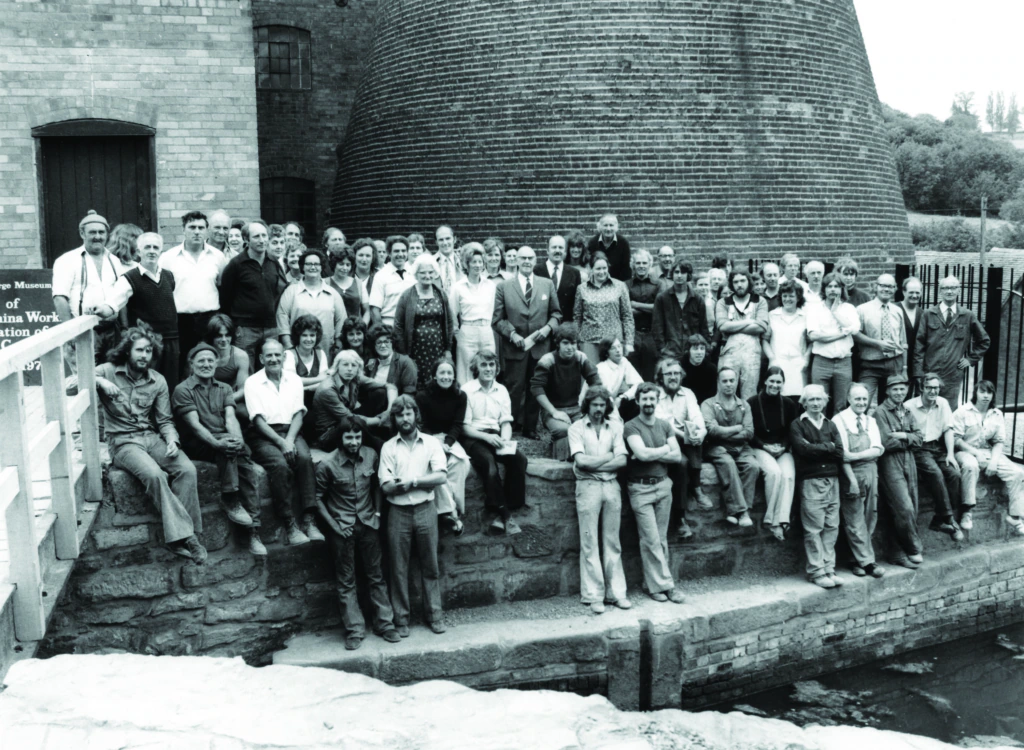
By 1985, we start to hear how some museums are modernising their retail offer, with Ironbridge Gorge Museum going so far as to offer a “mail-order business with a list of 50,000 names”.
And the growing awareness of public perceptions of museums starts to pick up pace. In a feature from the late 1980s, the writer describes independent museums as “cheerful places” with displays that are either “very good or terrible”, while their local authority counterparts are seen as “forbidding, overstaffed and visibly scruffy”. Ouch.
While there are references to the politics of the times, today’s reader doesn’t get much sense of their impact on the sector.
Turning a new page
Which brings us to the 1990s and the emergence of Museums Journal articles that could almost be written and published today. Readers will soon start to enjoy sub-heads in articles, new features such as cartoons, opinion pieces and reviews, and an editorial tone that feels increasingly topical and progressive.
Advertisement
“What beckons for 1990?”, writes the editor Maurice Davies in the first editorial of the decade, not long after the government announced more funding for nationals.
“Financial stringency and restructuring will no longer go hand-in-hand, and it will be interesting to see if change occurs at the same rapid pace [as 1989] or whether managers decide to play safe and leave things as they are – now they can afford to.”
Alongside a sense of optimism, key themes repeat throughout the 1990s. One is the debate on compulsory admission charges, which morphs in the latter years into excitement that these might be abolished altogether (and indeed were in 2001).
There is also increasing interest in the wider function of the museum workforce, such as marketing, commercial and fundraising teams. And the eternal question: if museums exist to serve the public, how best can they do this?
For the first time, we see the magazine start to acknowledge that the sector is not in complete agreement over how to embrace (or resist) change. At times, it even seems to delight in this controversy.
An editorial in August 1990 notes that two local museum federations have accused the journal of lacking “serious museological content” and invites critics to send suggestions for the content that they want to see on its pages.
Whether this offer was taken up, we don’t know. But as the decade progresses there is little sign of a return to a more academic slant.
The contents pages during these years are enlightening, with teasers such as: Sally MacDonald writes on how museums can represent Black history; Giliane Tawadros examines how colonialism has shaped collections across the UK; and Tariq Mehmood discusses the ethics of displaying human remains.
Creating a more diverse workforce, disposal and physical accessibility become regular discussion points. Readers learn more about efforts to widen their representation of “gay and lesbian culture” and how to use the emergent internet. “You don’t have to be a nerdy anorak with an aversion to light and fresh air to surf the net,” one article reassures readers in 1997.
The election of a Labour government that same year heralds increased positivity within the pages and the sector starts to look ahead to the new century. Millennium projects can be charted in the news pages, as well as the rapid changes to museum funding and presiding sector bodies, including the formation of the Museums, Libraries and Archives Council, which eventually launched in 2000.
“You don’t have to be a nerdy anorak with an aversion to light and fresh air to surf the net”
A time to act
Despite it all, there remains an undercurrent of fear for the future. In 1999, one writer predicts that within six years every local authority museum and most independent ones will have come under “the best value microscope”. Commentators lament the poor pay in museums and the need for “major intervention” (read: money) to allow meaningful change to happen.
Fast forward to 2026, and it’s easy to feel as if not much has changed. Our decolonisation to anti-ableism work has been in the making for decades and our worries – from a lack of funding to workforce wellbeing – have deep roots.
The past always looks safer than the present day, and for present-day Museums Journal readers (most of whom were born, grew up or entered the sector in the years covered by this article) it’s tempting to fall back on the comfort of nostalgia.
But if this period teaches us anything, it’s that we have long accepted that museums have the power to create change, and we know what path to take to achieve this. So, what’s really holding us back?
Nice and thought-provoking piece, but “restitute” – really??