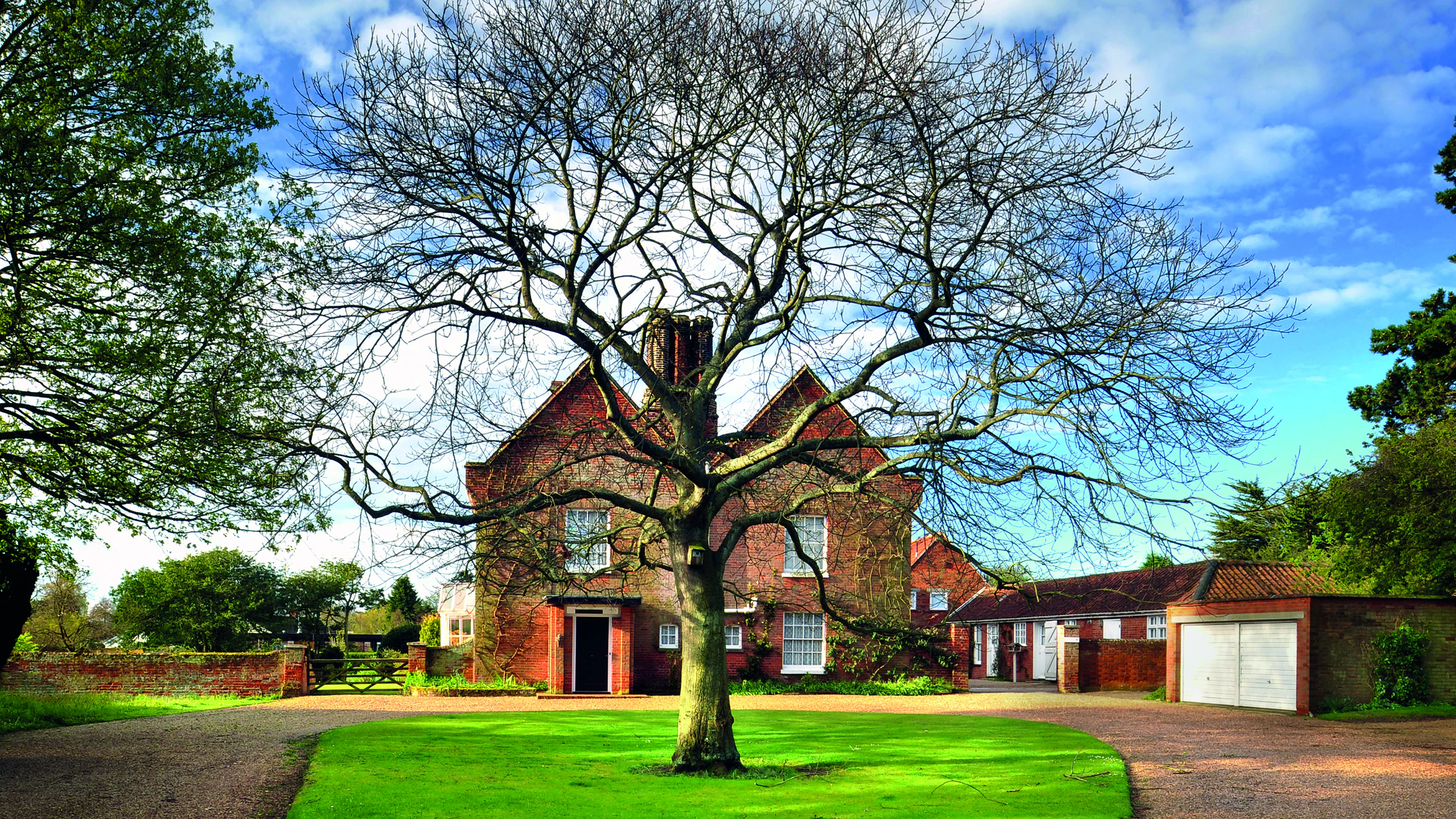
If ever there was a cultural venue that shows the value of having an extensive archive it is the Red House in Suffolk.
The five-acre site was home to England's most famous 20th-century composer, Benjamin Britten (1913–1976), and his partner, the singer Peter Pears (1910–1986). The pair moved to the Red House, a Grade II-listed 17th-century farmhouse, in 1957.
The Red House is run by Britten Pears Arts, a music, arts and heritage that is an Arts Council England National Portfolio Organisation. The charity also manages a second historic destination – Snape Maltings.
As well as its grant from the arts council, the organisation earns income from admissions, royalties from performances of Britten’s music and trading activities such as retail and catering.
The organisation started life in 1948 when Britten and Pears founded the Aldeburgh Festival, which still runs today. It became Britten Pears Arts in April 2020 when Snape Maltings, formerly Aldeburgh Music, and the Britten-Pears Foundation, that ran Britten and Pears’ estate, merged.
Britten Pears Arts holds the most complete archive for a composer in the world. It features manuscript scores of almost all Britten’s works, from his earliest childhood right up to his death.
But there’s so much more than just the manuscript scores – it also contains working papers, letters, costume designs, set designs and set models, a collection of programmes and more.
Advertisement
“It's really quite unusual for a composer to have their own archive dedicated just to them,” says Chris Hilton, the head of archive and library at Britten Pears Arts. “And it is unprecedented for it to be on this scale.
“The lovely thing here is that we're looking after Britten’s papers just across the lawn from where an awful lot of them were created. That really is an absolutely unique set-up.”
The scores are a rich source of stories, but Hilton is also very excited about the opportunities provided by the rest of the archive.
“There is a huge range of stuff documenting Britten and Pears as performers, but then we also document their lives off stage,” he says. “They were great letter writers, and they were effectively running a small business from here. So there’s about 11,000 files of correspondence between Britten and a huge range of people. Some of that’s professional, but there’s also friends and family.
“And there’s fan mail as well – you have the Reverend Richard Coles, aged 12, writing to Britten saying he was his third favourite composer, which got a little awkward when we did a podcast with him a few years ago.”
Britten and Pears were together from 1939 until Britten’s death in 1976, yet during Britten’s lifetime, neither spoke publicly about their relationship or sexuality. Homosexuality was illegal in England until it was partially decriminalised in 1967.
Advertisement
Hilton says: “We've got this fantastic deep dive into how they lived, what they ate, where they shopped, what you could get in Aldeburgh at the time – decent coffee is about the only thing you needed to send off to London for.”
One of the areas of the archive that animates Hilton is the financial records and what these can tell us about the lives of Britten and Pears.
“I'm quite obsessed with the financial documentation,” Hilton says. “Britten and Pears were self-employed, and had to provide a statement of their income at the end of every tax year, saying ‘we earned this much, we spent this much, and this much of our spending was work related’. But of course this is also evidence of how you run a household that is founded on an illegal relationship.
“So, they had to have plausible deniability about the nature of their relationship woven into all of their administrative setups,” Hilton says. “For example, they never have a joint bank account and the house belonged to Britten.”
The archive also includes an extensive art collection, which was mainly collected by Pears. Many of the 1,200 works are on display in the Red House, with mid-20th century British art at the heart of the collection.
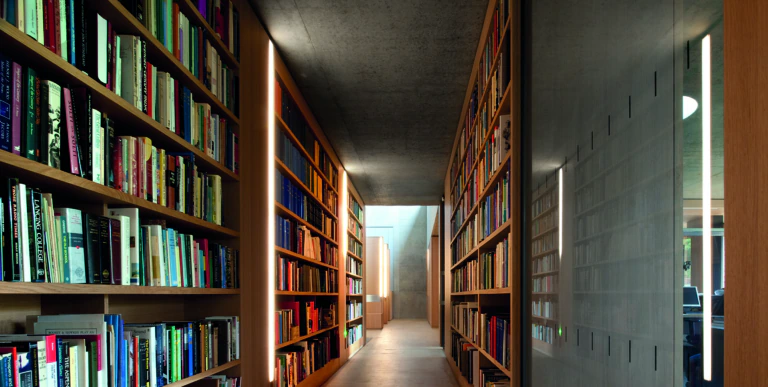
There is also an extensive book collection, which includes source material for operas such as The Turn of the Screw and Death in Venice. The publications often have extensive notes scribbled on them by Britten and Pears. Some of the books are housed in the Red House library.
Advertisement
There is very little interpretation in house itself but there are spaces for temporary exhibitions and there is a museum housed in the outbuildings opposite the house.
The Red House reopened after its winter break in early April with a new exhibition, Before Life and After (until 30 June), which celebrates the people that surrounded Britten in the last three years of his life. It will be 50 years since Britten’s death in December.
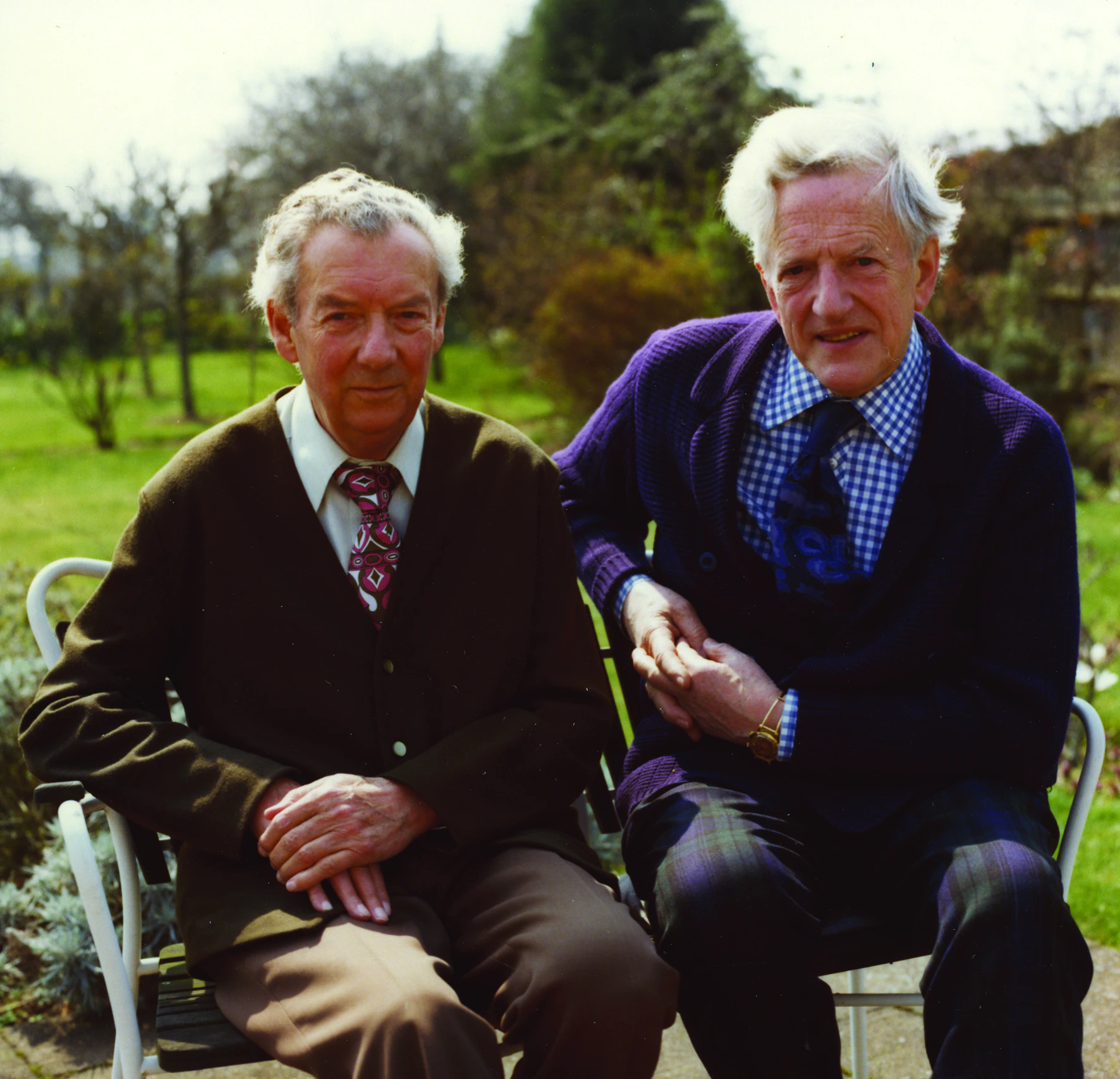
Before Life and After runs alongside the main exhibition Spiritual Britten (until 1 November), which explores the spiritual aspects of Britten’s life and music, looking at the defining moments and works that illustrate his motivations as a composer.
The Red House is open four days a week (Thursday to Sunday) and the visitor experience is supported by a pool of about 60 volunteers.
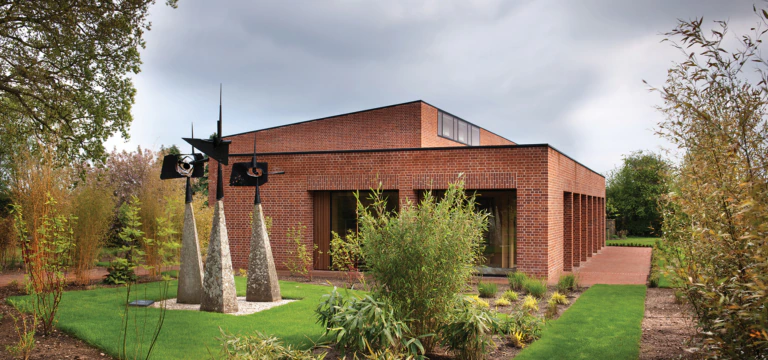
Items not on display in the house are held in the purpose-built archive that Hilton oversees. This beautiful but functional building, which was designed by Stanton Williams (the lead architect for the new London Museum) and was supported with a £4.7m grant from the National Lottery Heritage Fund, sits sensitively in the garden of the Red House.
The use of solid brick construction connects the structure visually with the rest of the site and also provides enough thermal mass to meet the collection’s environmental standards, which take a passively controlled, low energy approach. The collection itself is raised from the ground to protect it from flood risk, with the Suffolk coast close by.
The archive, which is still growing through acquisitions and donations, is also a popular resources for researchers. But Hilton is keen for the archive to also be used by the public as part of the wider visitor experience, with the facility offering talks and other events.
“I think that an archive of a classical composer and an operatic tenor carries a lot of cultural weight, ”Hilton says. “There is a sense that with classical music that there will be gatekeepers and people will ask: ‘Will I understand it? Will people welcome me?’ Our job here is basically to blow the doors open.
“Everything that we say in the Red House about how Britten and Pears lived is substantiated by the stuff in the archive. Ultimately, at the heart of every archive is a big box of human stories.”
Other artist homes
Hoglands, Henry Moore Studios & Gardens, Perry Green, Much Hadham, Hertfordshire
English sculptor Henry Moore moved to Perry Green with his wife Irina in 1940 after their home in London was damaged in the Blitz. They stayed there for the rest of their lives.
Red House, Bexleyheath, London
Arts and crafts home of William and Jane Morris and the centre of the Pre-Raphaelite circle.
Farleys House and Gallery, Sussex
Lee Miller and Roland Penrose moved to the Sussex countryside to live at Farleys in 1949. Today, Farleys is the home of the Lee Miller Archives and the Penrose Collection.
Gainsborough’s House, Sudbury, Suffolk
Museum and art gallery that was the birthplace of 18th-century English painter Thomas Gainsborough.
Prospect Cottage, Dungeness, Romney Marsh, Kent
This is the former home of artist, filmmaker, gay rights activist and gardener Derek Jarman (1942 – 1994). Following a successful campaign to save the cottage for the nation, the public can now visit the cottage and its garden.