“When you think of how museums and galleries engage with working-class people and cultures, what words or phrases come to mind?”
I posed this question at a workshop held in July 2025 as part of Addressing the Elephant in the Room: Museums and Class Differences (2024-25), a research project that I lead. Participants featured a range of professionals working in UK museums and galleries in audience-focused roles, including learning and audience research.
Gloomy responses quickly filled up the screen – “awkwardly, reluctantly, minimal, not very well, for funding, ignorance, othering, reductive, broad strokes, snobbery”, and “educating or civilising”.
Participants’ perspectives on the sector’s attitudes to the working class confirm that museums in the UK are struggling to challenge their elitist roots and engage productively with working-classness.
Yet, a glimpse of hope was offered by one participant. They wrote “emerging conversations”, explaining that they had noted a recent shift as discussions around class were beginning to percolate the sector. Developed in partnership with Museum as Muck2 – working closely with its founders, Michelle McGrath and Fran Riando – and museum activists from other organisations such as Museum Detox, including Michelle Lisa Gayle and Kirsty Kerr – Addressing the Elephant in the Room is a testament to and driver of this shift.
This article features some preliminary findings that emerged during the first phase of data generation. Rather than offering definitive answers, it sketches critical issues surrounding class work in museums in our contemporary “post-capitalist” information age that require further attention. In so doing, it begins to outline the place of class in contemporary museology.
One issue that clearly emerged is that class remains the silent social identity within contemporary museum practices. Work addressing working-class cultures and identities is primarily undertaken through intersectional public programmes, including exhibitions focused on other social identities.
Advertisement
Yet class is addressed only tacitly or covertly. The “elephant in the room” is not explicitly named in public communication, and no internal reflection around class is carried out. Simply put, working-class identities are often subsumed to other minoritised social identities that museums – and contemporary societies – are more comfortable with.
An illustration of this trend was offered by a museum activist during one of the project’s Steering Committee meetings. They mentioned a project they had worked on in an English museum focused on the Turkish migrant community.
Although the project was explicitly framed around ethnicity and migration, it implicitly sought to ameliorate class-based inequalities confronted by this migrant community. Nonetheless, the institution carried out no reflection whatsoever around class. Class was the project’s silent social identity: present, yet unacknowledged.
During one of the workshops, we discussed why this happens, even in intersectional projects. There was agreement that institutions often focus on other minoritised identities – including race or religion – because these are protected characteristics that museums, like other public institutions, are legally required to attend to.
The negative sectorial implications of class not being a protected characteristic under the UK Equality Act 2010 have been noted in previous research.
Moreover, research indicates that individuals who face marginalisation along other social identities such as race or religion may prioritise these other aspects of their identity over class. This is contributing to museums’ timid engagement with class.
Advertisement
Addressing the issue
Recently, however, a few UK institutions have developed programmes addressing class differences and, specifically, working-class cultures and identities. Such a focus has been proclaimed explicitly, even celebratorily, in some programmes.
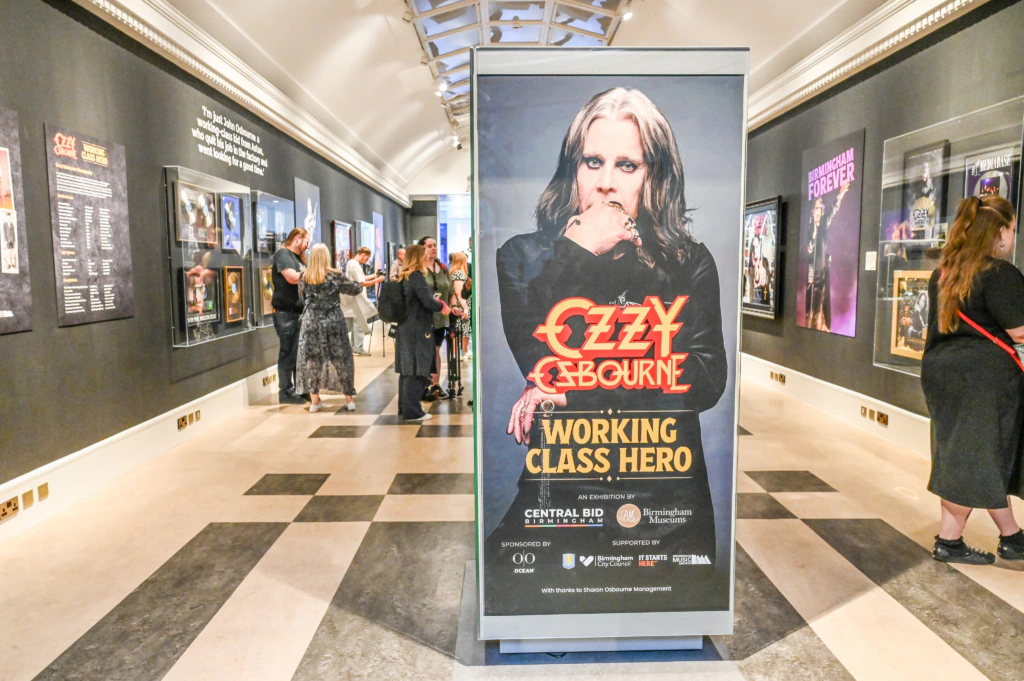
An example is the exhibition Ozzy Osbourne (1948-2025): Working Class Hero at Birmingham Museum & Art Gallery. The publicity says the exhibition “charts his journey from ‘a working-class kid from Aston’ to becoming the world’s most recognisable global rock legend”. Yet the use of the term “hero” could be regarded as problematic, potentially suggesting a heroic narrative of success in spite of his working-class roots.
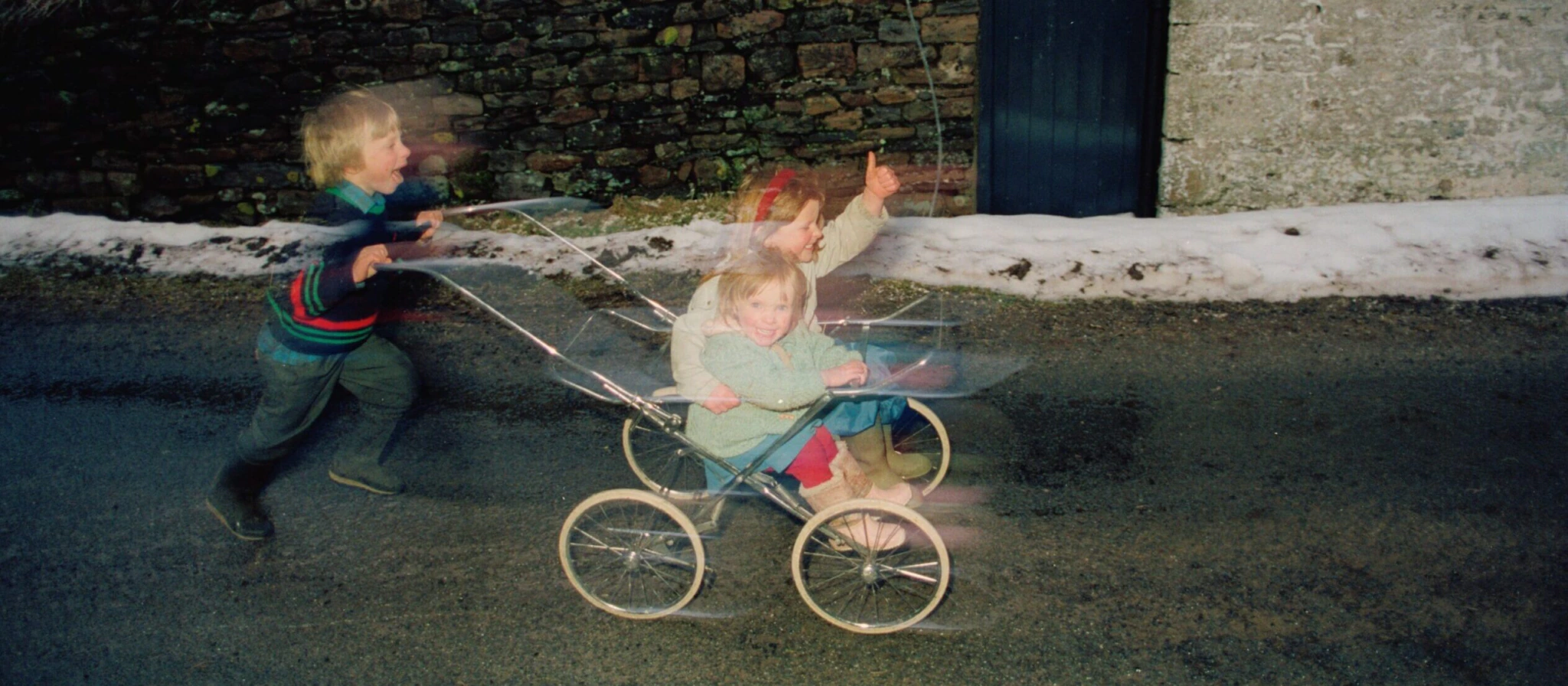
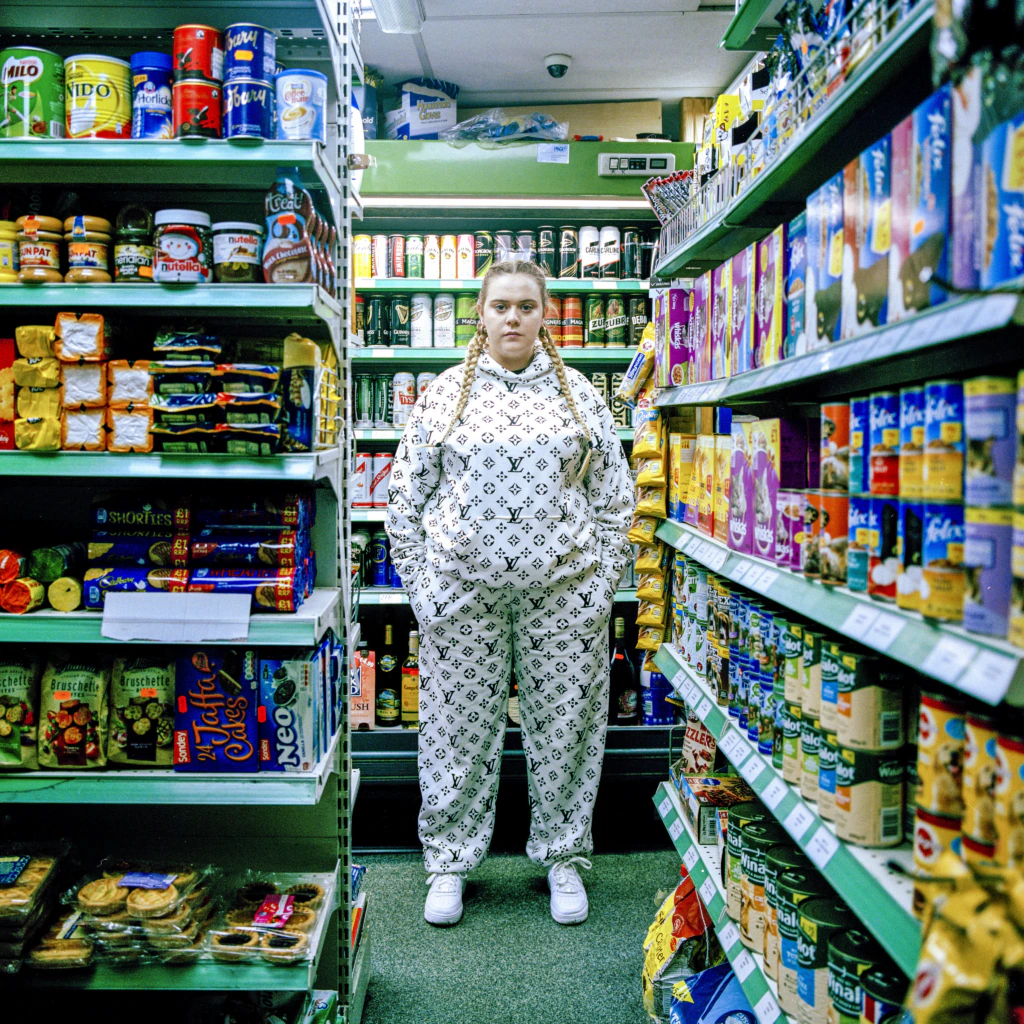
And the Hayward Touring exhibition, After the End of History: British Working Class Photography 1989-2024, looked at life in the UK through the lenses of working-class artists. The show visited museums and galleries in Edinburgh, Nottingham, Coventry, Cardiff and Southend-on-Sea.
Beyond these exceptions, most of class work is done silently. Yet class significantly impacts people’s lives and opportunities including cultural consumption, museum attendance and participation. More advocacy is needed for class to receive constitutional protection in contexts such as employment or culture. However, the problem goes beyond legal frameworks.
Advertisement
Definitions and mechanisms
One of the reasons professionals struggle to engage with the concept of working class is the lack of a straightforward definition or operational mechanisms in societies that deny the very existence of class.
While all participants agreed that class matters in contemporary society, professionals and activists alike raised questions during the workshops, including: “What counts as ‘working class’ in contemporary Britain?”, “Does the term obscure more than it reveals?”, “Do people identify as working class today?”, “When they do, can they rightly claim this identity? Or has the term become the appanage of those with working-class roots who have safely reached a middle-class status?”
The ambiguity around contemporary class, and particularly working-class identities, has been acknowledged by others. When reflecting on the challenges museums confront when handling contemporary working-classness, issues of upward mobility emerged as critical.
Research confirms that people in middle-class jobs still identify as working class due to their upbringing, cultural ties and parental socialisation. This remains the case even when their current occupation and lifestyle align more closely with middle-class norms.
More troublingly, individuals from privileged backgrounds often misidentify as working class to downplay structural privilege and frame their success as meritocratic. Class misrecognition is a valid concern for museums aiming to diversify their workforce.
One of the main challenges in museology is developing a workable and multi-layered definition of working class, which can guide museum practices.
Such a definition should avoid oversimplifying or flattening experiences and current realities, and instead account for the precarity of the current labour market, processes of upwards and downwards mobility and identification dynamics, among other things.
“A focus on socioeconomic background alone reduces class to economic factors, while disregarding the cultural and social components of working-class lives”
Another challenge is navigating the complex relationship between “class background” and “class identity”. This is a nuanced and evolving topic in sociology and cultural studies that requires attention in museology. Many of our workshop discussions tackled these concepts.
Class background refers to the “objective” social class someone is born into, typically measured by parental occupation, income and education. Class identity refers to individuals’ subjective perception of their own class position, which is shaped by personal experiences, cultural affiliations and emotional ties.
UK museums’ tentative efforts to attract working-class staff and audiences often address class through a focus on people’s socioeconomic background, thus aligning with the Cross-Industry Toolkit created by the Social Mobility Commission in 2021.
The toolkit proposes the occupation of one’s main household earner at the age of 14 as “the best measure … to assess someone’s socioeconomic background”. It describes “working-class backgrounds” as “technical and craft occupations; long-term unemployment; routine, semi-routine manual and service occupations”.
If parental occupation at age 14 has become a key indicator of working class background in the sector, some institutions use a combination of factors. For instance, the Inclusive Talent Engagement team at Somerset House invites applications from underrepresented “emerging talent aged 18-30” who identify as “working class and/or from lower socioeconomic background”.
It offers three factors as guidance to identify lower socioeconomic backgrounds: receipt of free school meal, parental income benefits, and parental university attendance. Interestingly, however, the team implicitly recognises that class identity and class background may or may not overlap.
Socioeconomic background
Surely, someone’s socioeconomic background is a relatively more “objective” measure than their class identity, which is highly subjective and unstable, as people constantly reinterpret their class position in light of changing circumstances. And a focus on socioeconomic background alone reduces class to economic factors, while disregarding the cultural and social components of working-class lives.
While perhaps effective in initiatives to diversify employment among young people, an emphasis on socioeconomic background poses challenges with older workers for whom class background and identity may no longer align due to social mobility.
Some activists involved in the project were adamant that one’s class identity is inaccurate and therefore unreliable. In their view, it should be disregarded in positive workforce diversity initiatives, as well as other museological processes around programming, representation and audience research.
They were concerned that class identity-focused initiatives may end up benefiting the wrong individuals – those from privileged backgrounds who misidentify as working class, or those from working class backgrounds who have experienced upward mobility but still identify with their working-class origins.
Identity shift
Activists’ rejection of self-identification seems rooted in the instability of class identity. It is unlikely that individuals sustain a stable and coherent class identity over time – from their origins to the present, due to a range of economic, social and cultural circumstances, such as employment or marriage.
Yet, rejecting self-identification would pose class as an exception in museum work around minoritised identities (including sexuality, gender or ethnicity), for which self-identification represents a cornerstone.
Museums increasingly enable individuals and communities to frame their own identities, rather than defining them based on institutional categories, in participatory practices. Discounting class self-identification would be problematic, or even patronising, in museums where identity is key to representation, interpretation and engagement.
Surely, the potential disjunction between class background and class identity requires careful consideration in diversity workforce initiatives.
Yet people whose current occupation and lifestyle align more with middle-class norms may still retain a strong emotional connection to their working-class upbringing. Their cultural habits and tastes may remain unchanged, making them feel like outsiders in middle-class spaces such as museums.
Museums must attend to these barriers. They need to reach out to, and develop programmes for, self-identifying working-class audiences, irrespective of their current job and lifestyle.
They should also engage a variety of self-identifying working-class groups and present nuanced stories, including those around social mobility. When addressing working-classness, museums must consider self-identification alongside other factors.
This article has outlined key issues around class that require critical attention in contemporary museology, drawing on research conducted in the context of Addressing the Elephant in the Room.
These issues emerged through the use of participatory methods that value diverse expertise, perspectives and lived experiences in the co-creation of knowledge.
The project is bringing UK scholars, professionals and activists into sustained dialogue. This dialogic approach enables critical reflection on the role of class in contemporary museum theory and practice.
Together with my project partners and comrades, I am currently implementing an experimental process of participatory data analysis designed to push beyond established conventions and reimagine what participatory museum research can look like.
Its ultimate aim is to move beyond academic critique and collaboratively produce innovative solutions and instruments to support museums’ future efforts around class differences. To achieve this, however, it is vital to address several foundational issues that have emerged as critical in the research.
Challenges related to definitions continue to impinge progress in this area, even in well-intended institutions, and must be addressed. Similarly, tensions between class background and class identity require careful consideration, as does the role of self-identification.
Without critical reflection on these issues and the development of workable tools, museums will continue to lack the confidence to engage with class ethically and responsibly. As a result, class will remain the silent identity category – at worst snubbed, at best addressed reductively or awkwardly.
Serena Iervolino is a senior lecturer in critical museology and impact and engagement co-lead at King’s College London