The British empire was continuing to expand, King Edward VII was on the throne and Ireland was still part of the United Kingdom during the first decade of Museums Journal, following the publication of the inaugural edition in 1901.
This was a period when Britain continued to plunder resources overseas, whether part of its empire or not. Expeditions set off to places such as South America, Africa and the Arctic.
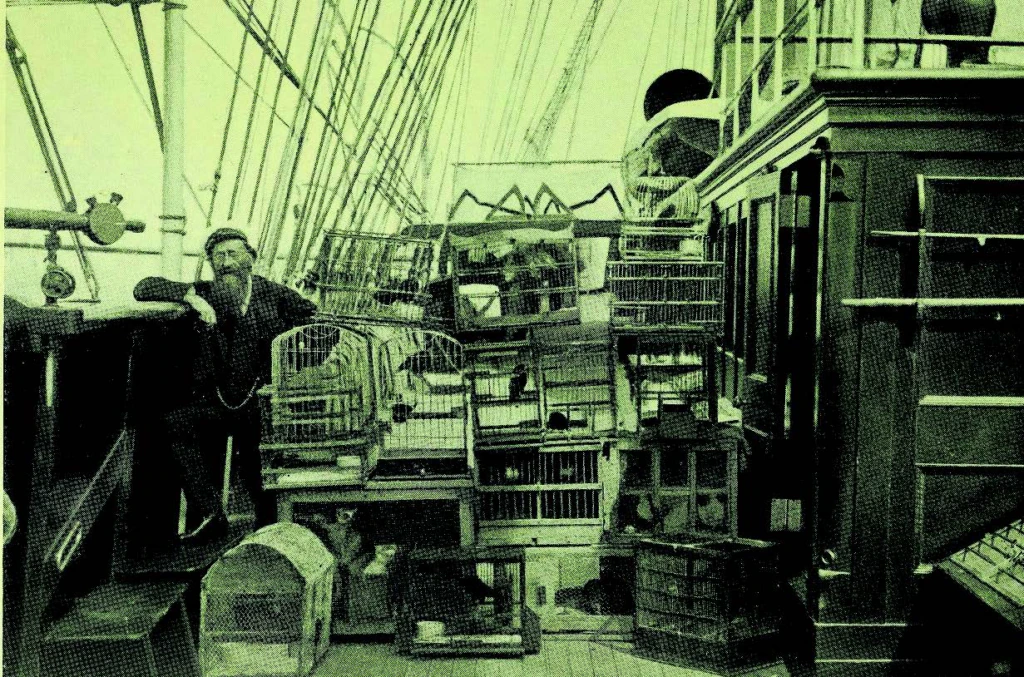
A 1906 edition of Museums Journal reported on the return voyage of the steam yacht Valhalla, which had been on a research trip to collect living specimens. After crossing the Atlantic it stopped off in Brazil, then onto the Southern Atlantic islands, the Southern Indian Ocean and then back to Britain.
The ship collected “500 birds, about 300 fishes and a considerable number of small mammals and butterflies”, which were all received by South Kensington’s Natural History Museum.
But the news item with a particularly eye-catching headline, “Sea serpent scientifically vouched for”, reveals an unexpected discovery off Brazil’s coast.
“From the poop [deck] a strange creature at about a hundred yards, but going at a slower speed than the ship. He then saw a fin or frill, brown in colour, and crimped at the top, like ribbon weeds. This he estimated to be about 8ft long. He got his glasses out, and saw a head and neck rising out of the water in front of the frill. The neck was about the thickness of a slightly built man, and the head resembled that of a turtle in shape.
Advertisement
“Underneath the fin in the water he saw a large dark mass, which he took to be the body … The yacht was under sail and they quickly lost sight of the creature.”
In 1901, Edward VII was crowned “King of the United Kingdom of Great Britain and Ireland and of the British Dominions Beyond the Seas, Defender of the Faith, Emperor of India.”
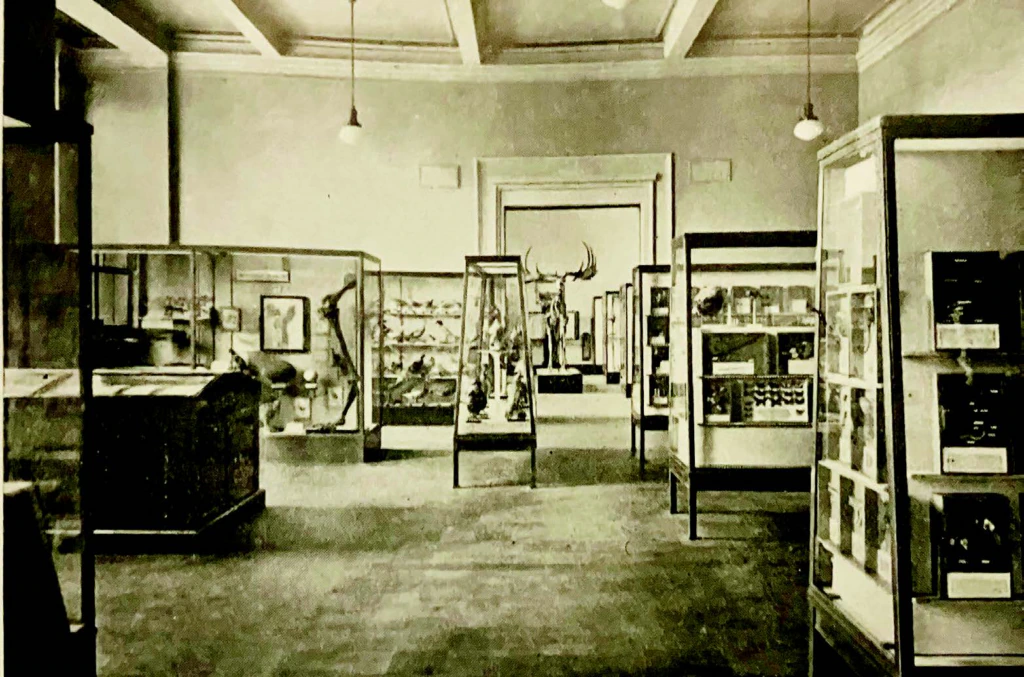
The king’s own elephant made it into the pages of Museums Journal when it became part of the British Museum’s natural history collection, which was then, confusingly, held at the Natural History Museum in South Kensington.
The animal, named Yung Pershad, was “brought home in 1876 and presented to the Zoological Society, in whose gardens it lived till 1896”.
Elephant in the room
Yung was placed close to “probably the finest mounted specimen of the African elephant in the world” in the museum’s great hall.
Advertisement
This 11ft4 male specimen had been shot in Rhodesia, a territory named after Cecil Rhodes, the British empire builder whose statue at Oriel College at the University of Oxford has recently been the subject of an ongoing debate on racism and the legacy of colonialism in Britain.
As well as the British empire, Museums Journal featured other international developments, including many in the US and France.
As today, the Louvre in Paris was of particular interest – in 1913, for instance, the journal carried a story about a valuable Egyptian papyrus, brought from Egypt in 1887, that had gone missing.
Many of the UK institutions that often appeared in the journal during this first decade still feature regularly in the magazine today – the national museums in all four home nations, as well as the growing number of regional museums.
These included Norwich Castle Museum, which featured in a 1906 article congratulating it on its new card cataloguing system. We recently carried a review of that very same museum after a £27.5m redevelopment.
Also like today, the annual Museums Association conference featured heavily in the journal’s first 30 years. The 1912 event was held in Dublin, with the whole of Ireland still part of the UK at the time.
Advertisement
By 1921, Ireland was divided into two states following the war of independence, and the MA no longer had a remit for the whole island. The Irish Museums Association was created in 1977, growing out of the Ireland branch of the International Council of Museums.
Of course, the most significant event of the period was the first world war, which – as it did on everyone – also had a huge impact on the sector.
Under the headline “Museums and National Service” an article published in October 1914 began: “War is a great readjuster of values. Already its distant blaze throws into relief the vanities of life, and the flames as they approach shrivel up mere fripperies till only that which is truly necessary has the strength to stand firm. And now even we museum curators may experience searchings of heart as we continue to enter our quiet halls to settle down to our accustomed routine.”
Copies of the journal got skinnier during the war years, but it had recovered its bulk by 1929. Throughout the conflict, the journal remained positive, keen to embrace and enthuse museum professionals as key to maintaining our cultural identity, promoting collections care, cataloguing and storage under headlines such as “On the Protection and Restoration of Pictures”.
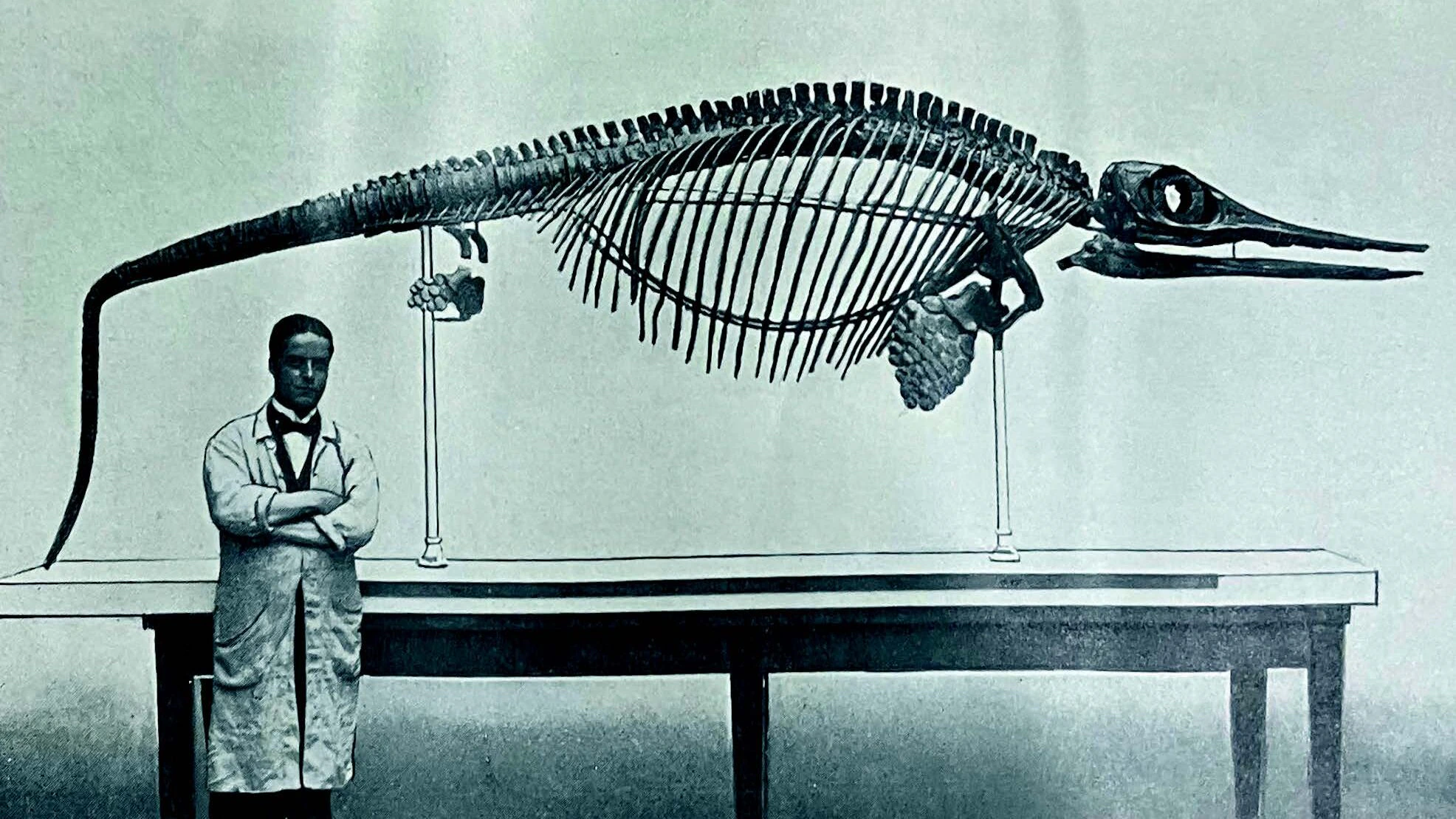
Among many war efforts covered, one stood out at the British Museum, where newly recruited cavalry troops were taught the physiology of horses using a mounted skin and skeletons from museum cases. In other parts of the museum, staff continued their work as normal, putting together the first ichthyosaur skeleton.
Strongly worded items appeared on the German destruction of cultural assets in Belgium, much like we report on the loss of heritage abroad now in Museums Journal.
Belfast Museum (not yet in its proper building) put on an exhibition of Wartime Economy in 1917, demonstrating practical methods of food provision, including food as fuel, simple wartime dishes, coal economy and makeshift utensils.
A museum to document war
By March 1917, talk of a new National War Museum was on the sector’s lips. Founded to document the “Great War” while it was still ravaging lives and landscapes, this was to become the Imperial War Museum.
A lengthy notice appeared in the journal in December 1918 addressing the nature of “War Trophies” and the fact that the army might need guns back from museums. The Treaty of Versailles, which officially ended the first world war, was not signed until 1919 and the armistice on 11 November 1918 was no guarantee fighting might not return.
With the war ended, emphasis was put on museums obtaining examples of the conflict. The journal reported that “towns which have suffered from the Zeppelin and aircraft raids should ask for relics”.
The journal later carried articles on museums across the UK and abroad putting on exhibitions about the war, with photographs of the trenches and related objects. The publication included details of a British Museum memorial dedicated to “the men who went from this museum and fought and fell in the war, 1914-1918”.
With the war over, British society would never be the same again – and neither would museums. In our next issue we look back at the 1930-1960 period and how Museums Journal reported on the impact of another world war on the sector and the start of the collapse of the British empire.