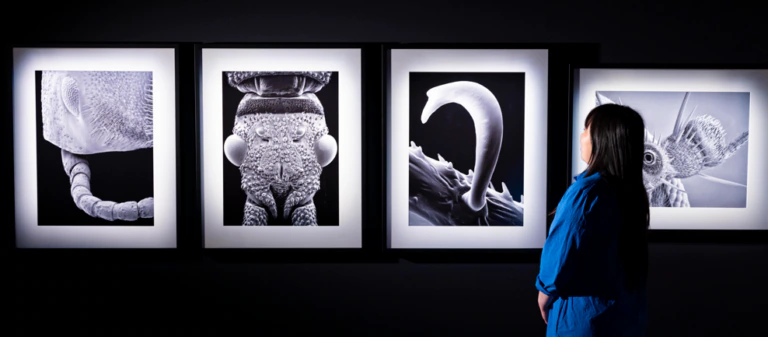
Global and local themes find common ground in Wales this autumn, as artists shortlisted for Artes Mundi (AM11), the UK’s biggest contemporary art prize (the winner receives £40,000), feature in exhibitions across the country from 24 October 2025 until 1 March 2026.
Past Artes Mundi winners include John Akomfrah, Theaster Gates, Taloi Havini and Teresa Margolles. This year’s winner will be announced in January 2026.
Join us in Cardiff or online for MA Conference 2025
Just days left to book!
Our conference theme this year focuses on perthyn, the Welsh word meaning to belong.
Join us in person or online from 6-9 October to discuss how ideas of community, solidarity and friendship bring people together in our museums to make them such special and engaging places.
Prices start from just £55.
Supported again by presenting partner and Asian arts organisation, the Bagri Foundation, this edition (24 October 2025-1 March 2026) builds on the multiple-venue format pioneered at AM10, with solo exhibitions at five venues complementing a group presentation of all six shortlisted artists at the National Museum Cardiff.
The group show will act as a focal point, says Artes Mundi director Nigel Prince, “setting in motion ideas and stories and memories that develop as you visit the more in-depth presentations, whether you’re just going to the other side of the park, at Chapter in Cardiff, a short train journey to the Glynn Vivian Art Gallery in Swansea, or a little further afield in Wales”.
Advertisement
The prize, which was first awarded in 2004, promotes a spirit of exchange between global artistic communities, and invites candidates from all over the world to address its long-running theme of the “human condition”, and “the pressing issues of our time”.
At a time of mass migration and displacement caused by conflict, political instability, natural disasters, climate change and poverty, ideas of belonging, home and community have emerged as strong themes among this year’s finalists.
Several shortlisted artists “were born or grew up in particular places, but now find themselves resident elsewhere”, says Prince. “That, in and of itself, challenges traditional ideas of belonging or of home, and of how we carry stories with us.”
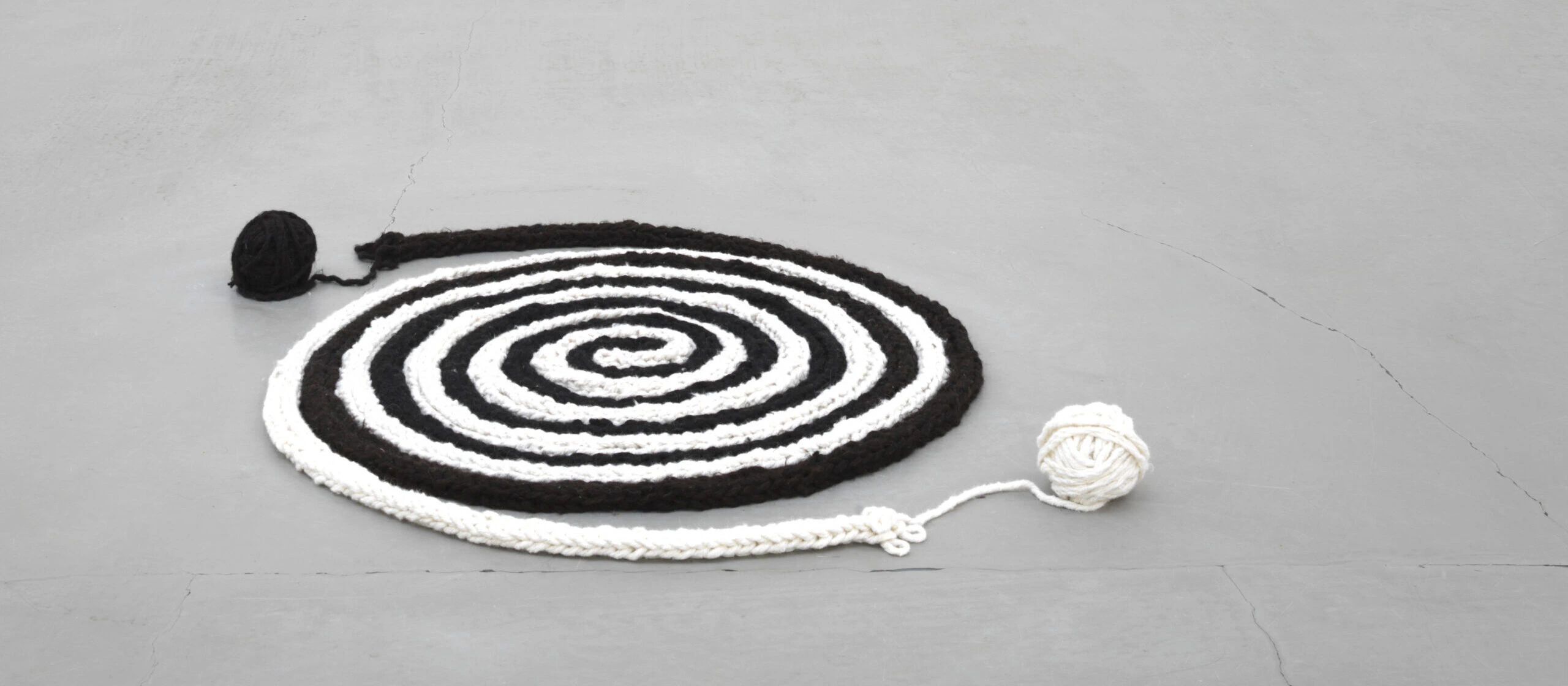
Anawana Haloba, whose show will take place at Aberystwyth Arts Centre, was born in Livingstone, Zambia, but now lives in Oslo: “Her work celebrates Zambian culture and music making and sound and is very much a reflection of growing up in that part of Africa, and the various sort of colonial interferences and histories there,” says Prince.
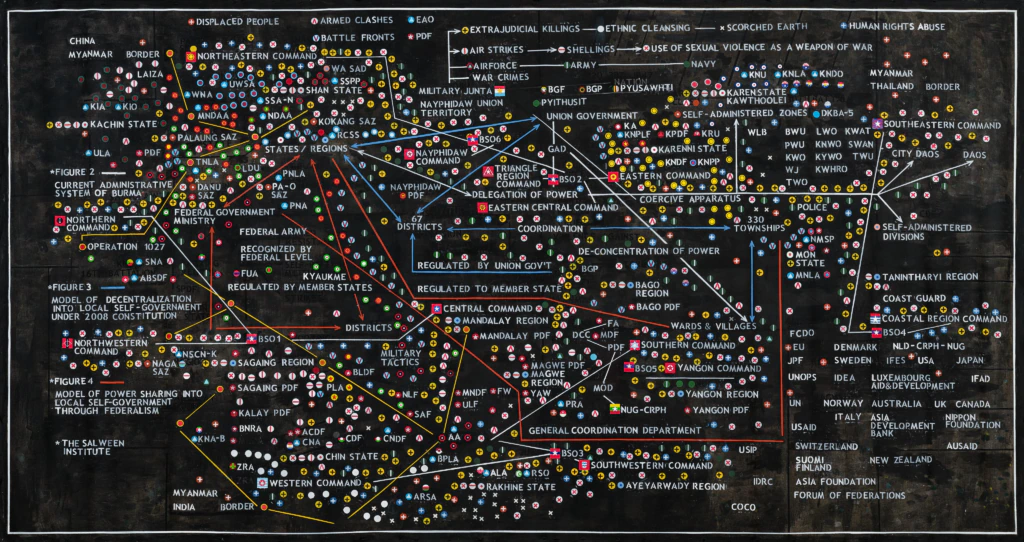
Also at Aberystwyth Arts Centre is Burmese artist Sawangwongse Yawnghwe, who is based in the Netherlands. His experience of political exile, which forced his family to leave Burma for Thailand, and then Canada where he grew up, informs paintings and installations that explore the broader story of his birth country.
Shared world view
These are topics with a broad, global impact, but Artes Mundi seeks to draw out their distinctly local resonances by bringing artists into venues across Wales that are each firmly embedded within their communities and environments.
Advertisement
Palestinian-Canadian artist Jumana Emil Abboud lives and works in Jerusalem and London. Her solo show will take place at Mostyn, Llandudno, in north Wales, which will also host Peruvian artist Antonio Paucar, who is based in Berlin and Huancayo, Peru.
“I felt very strongly that Antonio and Jumana were the artists that would work best in our context, and I definitely felt that their work would speak to our audiences in a particular way,” says Mostyn’s interim director, Clare Harding.
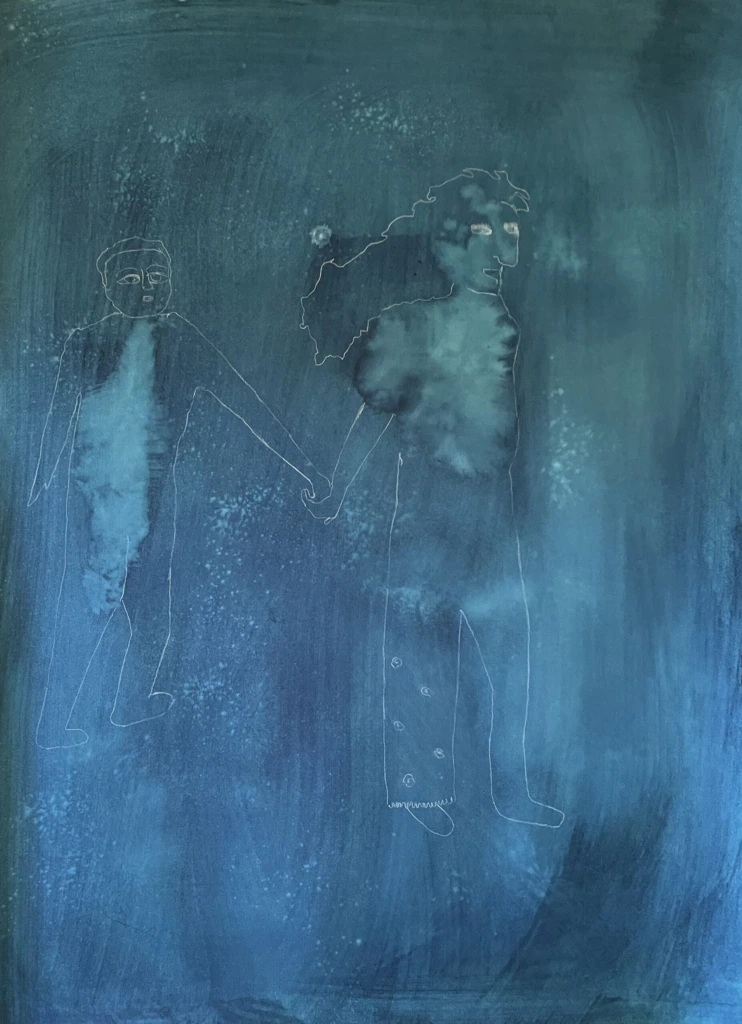
Abboud’s practice is rooted in folklore and storytelling, specifically the symbolism of water and water sources, which has a clear connection with Welsh folklore, fairytales and history in the region, says Harding.
“The Victorians came to take the waters here, but going back much further certain pools and bodies of water in this region were seen as being thresholds to Annwn, the Welsh underworld – Jumana’s work is involved in the creation of new myths and fairytales around these crossing points between water and earth.”
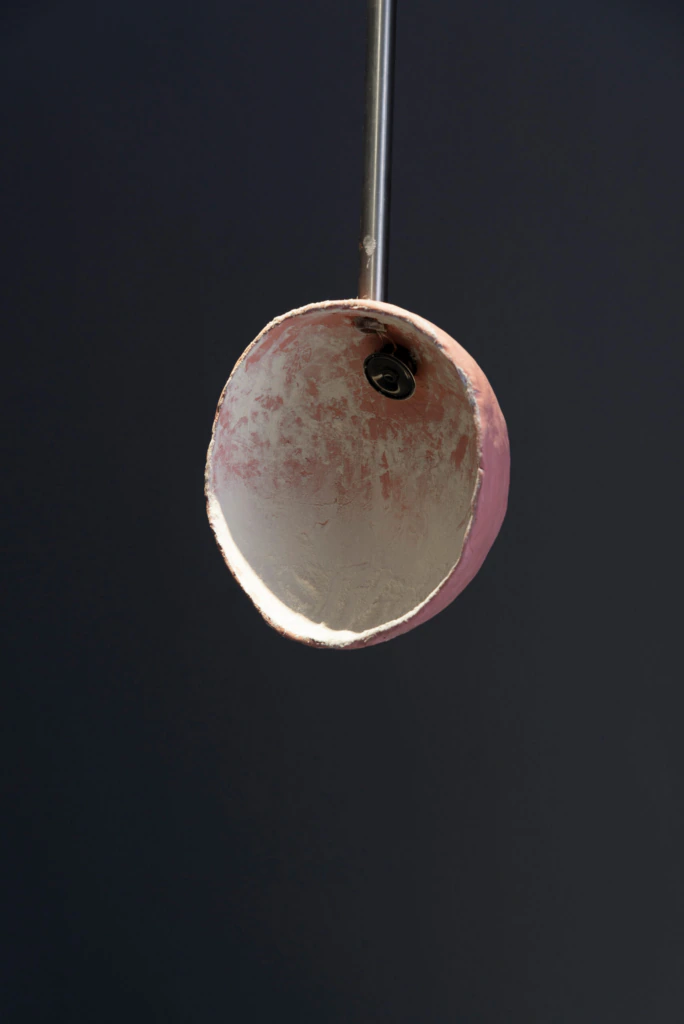
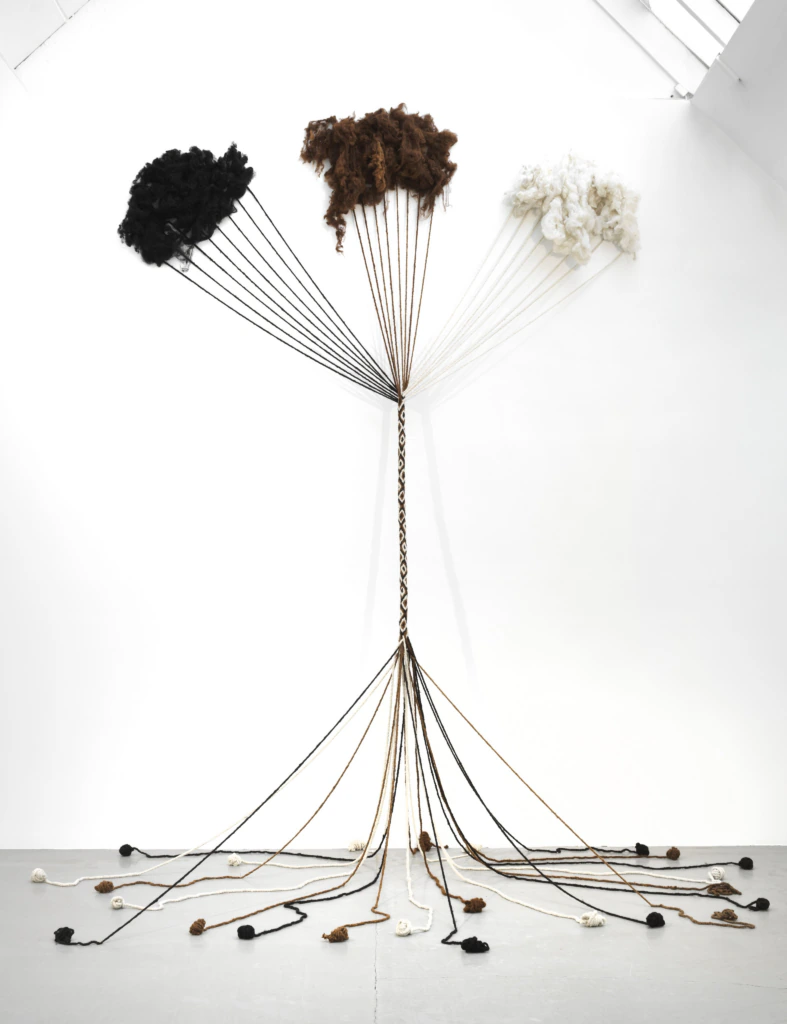
The sense of place at the core of Paucar’s work is equally meaningful, with his interest in indigenous Andean language, knowledge, crafts and skills, finding natural parallels with Welsh identity and shared materials such as wool.
Advertisement
“Wanting to preserve language skills, crafts, folklore, myths, oral histories of storytelling – all of these things are very much embedded in Welsh culture,” Harding says. “So there’s a natural parallel there with the sort of work that he makes.”
The work of Australian artist Sacintya Mohini Simpson, a descendant of indentured labourers forced to leave India to work on colonial sugar plantations in South Africa, may connect with the varied heritage and histories of communities in Cardiff, where her solo show is hosted by Chapter.
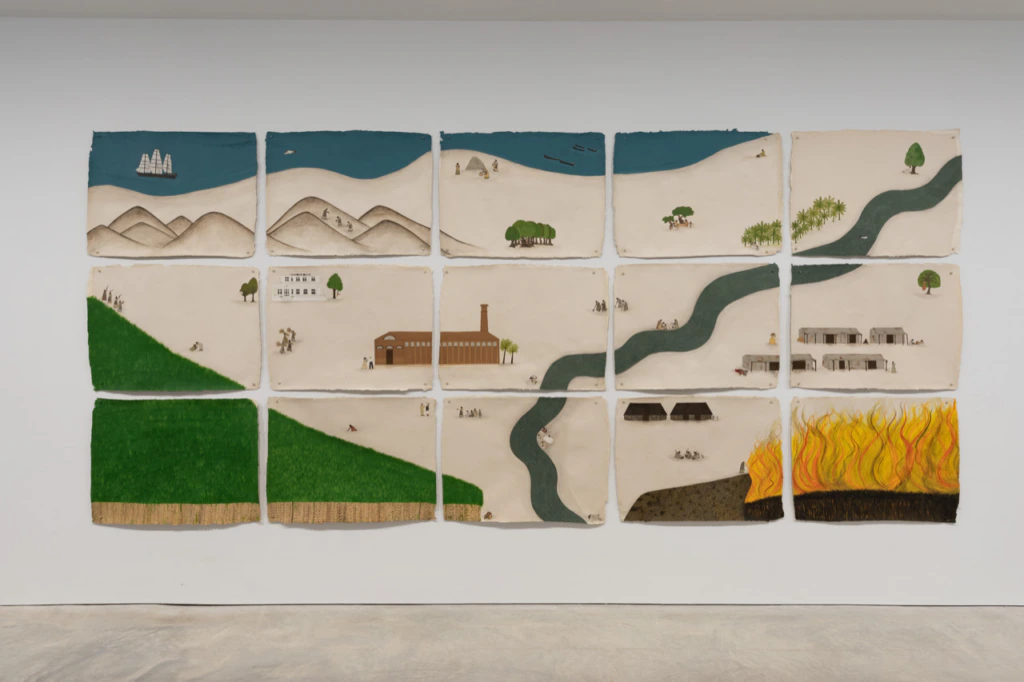
Simpson’s work is rooted in her family history and referenced in her use of sugar cane to make an inky black pigment. Her reach extends further, making visible the hidden histories of enforced migration, themselves part of a colonial legacy.
“The materials themselves carry meaning, as well as the objects, and that will resonate incredibly with the south-east Asian and Indian and Pakistani heritage of many families rooted in south Wales,” says Prince.
An extensive public programme aims to consolidate connections between the art and its audiences, whether through the water-divining workshops that are part of Abboud’s practice, or through activities and events for families, schools, and people with special physical or educational needs, as well as more specialist audiences, who will often have travelled some distance to see the exhibitions.
It’s a strategy, says Prince, aimed at finding ways to connect the art to the “broader context in which we’re all living and working and navigating our daily lives”.
The impact can be wide-reaching he says, pointing out that seven deaf creatives trained to deliver tours in British Sign Language for AM10 are now in huge demand around the UK.
Language and the written word are distinctive elements of the multidisciplinary practice of Californian-born Kameelah Janan Rasheed. Her solo show at Glynn Vivian Art Gallery, Swansea, may carry particular meaning in a city that despite having no Welsh language tradition is bucking a nationwide decline in Welsh speakers.
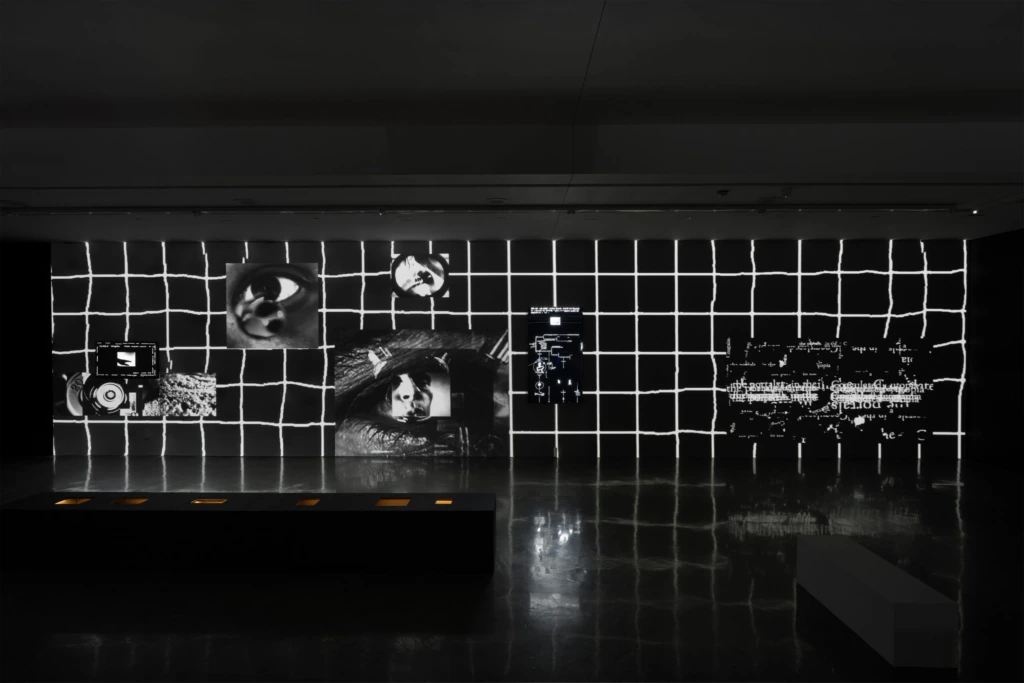
Writing is key to Artes Mundi’s broader mission, and has been developing since AM9, when the Journal section was introduced to the website. Since AM10, commissioning editor Dylan Huw has brought in a group of writers to reflect on individual artists and themes, an initiative that will be developed further this year.
Prince says that it’s all about trying to create roots. “It has to be a two-way street, with the local speaking to the international, and the global speaking to the local.”
A statement from the selectors neatly sums up the relevance of AM11: “The jury noted particular strength in the selected artists’ stories, experiences and inherited memories as timely and necessary in this world that lives within a fear of difference. We look forward to this exhibition knowing that it will showcase a broad array of perspective, methodology and belief.”
Florence Hallett is a critic and journalist