Bowled over
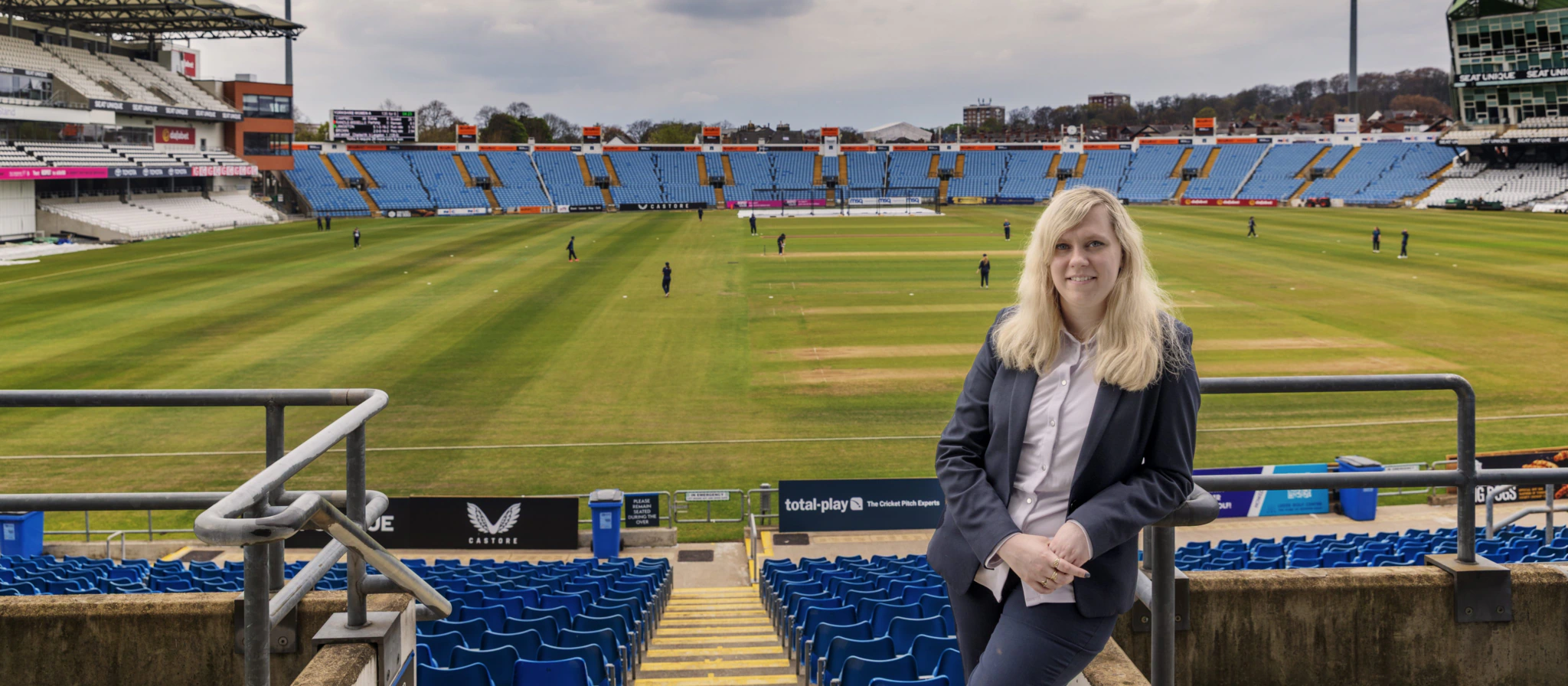
It took sports-mad family members to persuade Charlotte Hughes that a job at Yorkshire County Cricket Club’s museum would be a first-class career move.
“I wasn’t a cricket fan or historian but I’m curatorial by nature and happy to get stuck in anywhere. The museum is a rare asset but not Accredited so there’s a lot to do,” she says.
Hughes has proved to be a useful all-rounder as the sole heritage representative at the famous club – based in Headingley in Leeds – and claims that her lack of knowledge about the game gave her a unique perspective at the test match ground.
“It took away a level of bias or predictability, but it did take me time to understand what people were talking about, particularly when the arcane cricketing terms were combined with Yorkshire-isms,” says Hughes
who originally hails from Suffolk.
“My place of birth ensured I was welcomed as the consensus seemed to be ‘she’s not from Lancashire, so she’ll do’.”
Advertisement
Volunteers explained why seemingly non-essential facts and figures were so important to cricket fans, she adds.
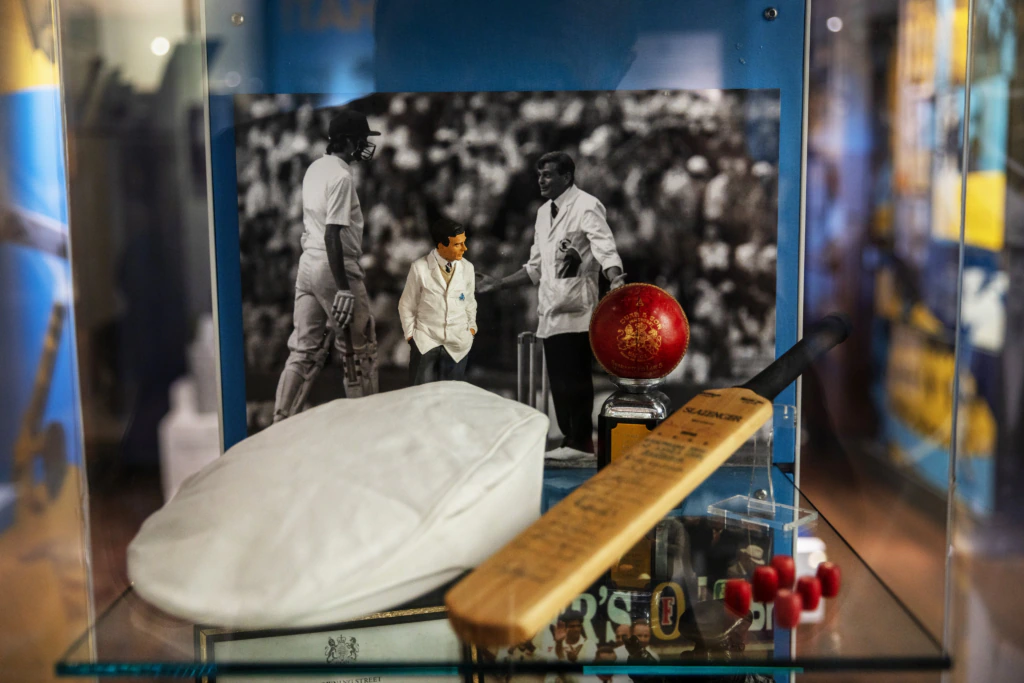
“The museum is open on all match days – men’s and women’s matches – so there can be very different audiences for the collection and temporary exhibitions. If one of the county or test match honours boards hasn’t been updated properly, for example, they’re not shy about telling me.”
Powered by volunteers
In addition, volunteers – a mixture of cricket enthusiasts and work experience students – act as guides and run the retail desk in return for tea, cake and the odd session of live cricket.
“They allow me time to concentrate on the museum side,” says Hughes. “When I arrived, we didn’t have a Spectrum-standard catalogue and we’re working on a full inventory of the collection and archive alongside a digitisation project.
Advertisement
“There were more than 2,000 objects that had never been recorded before; I’ve waded through some really boring stuff like you do in any museum, but there have been some great discoveries such as an old cartoon by EH Shepard of Winnie the Pooh fame and a miniature watercolour of the great Yorkshire and England batsman Len Hutton.
“These are little treasures that no one knew we had,” says Hughes, who is reinterpreting the permanent displays in order to tell more inclusive stories.
“My aim is for people with any level of cricket knowledge to come here and understand what they’re seeing, but the tale this museum tells tends to be very white and male-centric.
“There are, of course, lots of women playing locally, there’s a disability league, LGBTQ+ teams in Leeds and the Black and South Asian communities are very passionate about the game.”
One story yet to feature in the museum timeline is the Azeem Rafiq affair. In 2018, the ex-player accused former team mates of bullying while alleging the club itself was institutionally racist.
“My take is that we will eventually fully reflect the events and what subsequently occurred off the back of them, such as insightful reports and equality, diversity and inclusion initiatives,” she says. “Passions are still running high so it’s a bit too soon to go through it now but we will be non-biased and impartial when we do look back at what happened.”
Advertisement
‘My aim is for people with any level of cricket knowledge to come here’
Back to school
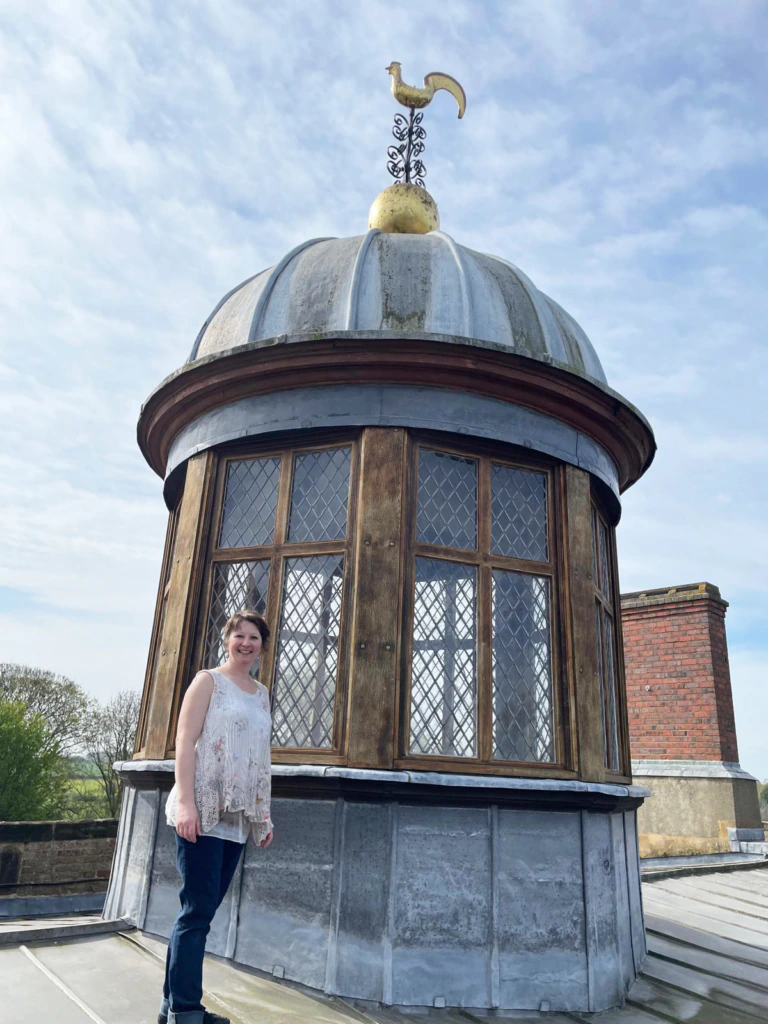
After an 18-year teaching career and the birth of her first son, Sally Lowe fancied a change in work-life balance. On completing an MA in museum development at Nottingham Trent University, however, she soon found herself back in the classroom.
Happily, her role is manager of the Sir John Moore Foundation Museum which is on the top floor of a Grade 1-listed school building in Appleby Magna, Leicestershire.
“The village school still operates on the ground floor so we can open only at weekends and the holidays,” says Lowe of the museum, which tells the story of the merchant, philanthropist and former Lord Mayor of London Sir John Moore and the school he founded next door to his family’s country estate in 1697.
“I went from teaching 150 kids a day in a noisy secondary school environment to working on my own in a quiet museum and it’s lovely,” Lowe adds.
“Sometimes, however, I’m reminded of the old teaching job when I’m changing the displays and rewriting every document going for re-accreditation, particularly all the safeguarding policies and conservation reports required for an old school building.”
The top floor, which used to be dormitories for pupil boarders, now comprises the museum gallery along with a classroom and a head teacher’s study, as they would have been in the 1890s, says Lowe.
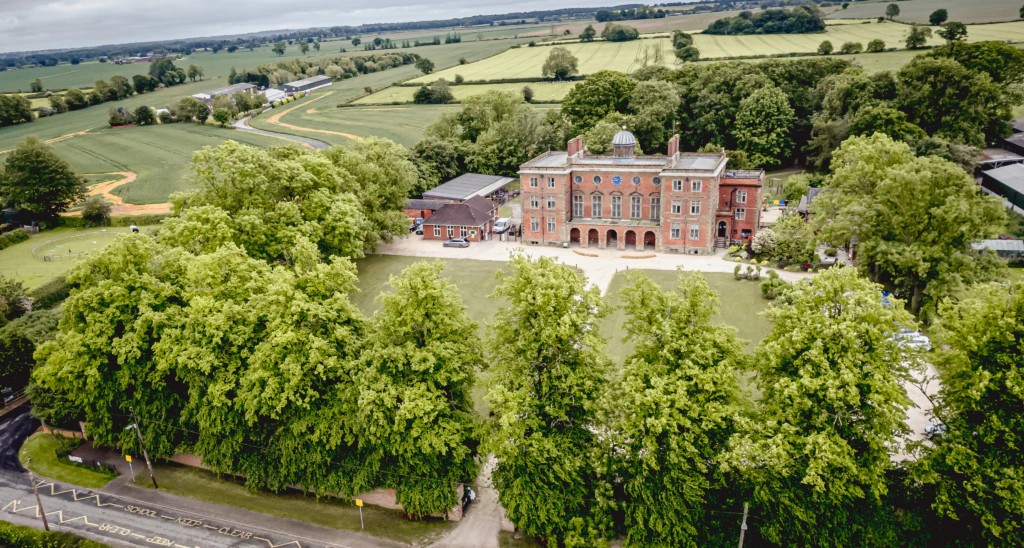
“We host a lot of community exhibitions and our volunteers help with family tree inquiries,” she adds.
“One former pupil recently asked if we still had the old Victorian Bible he used and, when we looked for it, we also discovered apprentice indentures, wedding photos and death cards, all from his family.”
People also come from far and wide to see the unique building, a Sir Christopher Wren architectural design that is rare outside London, says Lowe.
“Enthusiasts come to tick it off their Wren must-see lists, a building with an original design by him in the middle of a field in the middle of nowhere, where there isn’t even a bus service.”
Bleak history
The building’s history is not without its problems, however. Recent research commissioned by the trustees revealed a lot of Sir John Moore’s wealth resulted from an investment in the East India Company and a directorship with the Royal African Company, both of which had strong links with the transatlantic slave trade.
“It’s important that the museum reflects that involvement, but the way we do it is equally important,” Lowe says.
“Everyone who has ever lived in this tiny village has gone through the school and benefited from a free education, so we can’t simply say, ‘he was a bad man’.
“Should the place be renamed? In the long term, we may address that but, in the short term at least, his part in slavery does have to be acknowledged in the museum.”
Doing time

Ollie Knight opted to become a cultural sector lone wolf when he tired of scuttling between the Imperial War Museums’ five sites in a previous project manager role.
“I had to correct a work-life imbalance,” says Knight, manager of the Old Police Cells Museum in his home town of Brighton. “When this job came up, I knew the museum and the potential it had.
“I now have to keep fingers in a lot of pies, but as Brighton is a proper community which is arty and self-contained, people tend to know each other and you can quickly make important links.”
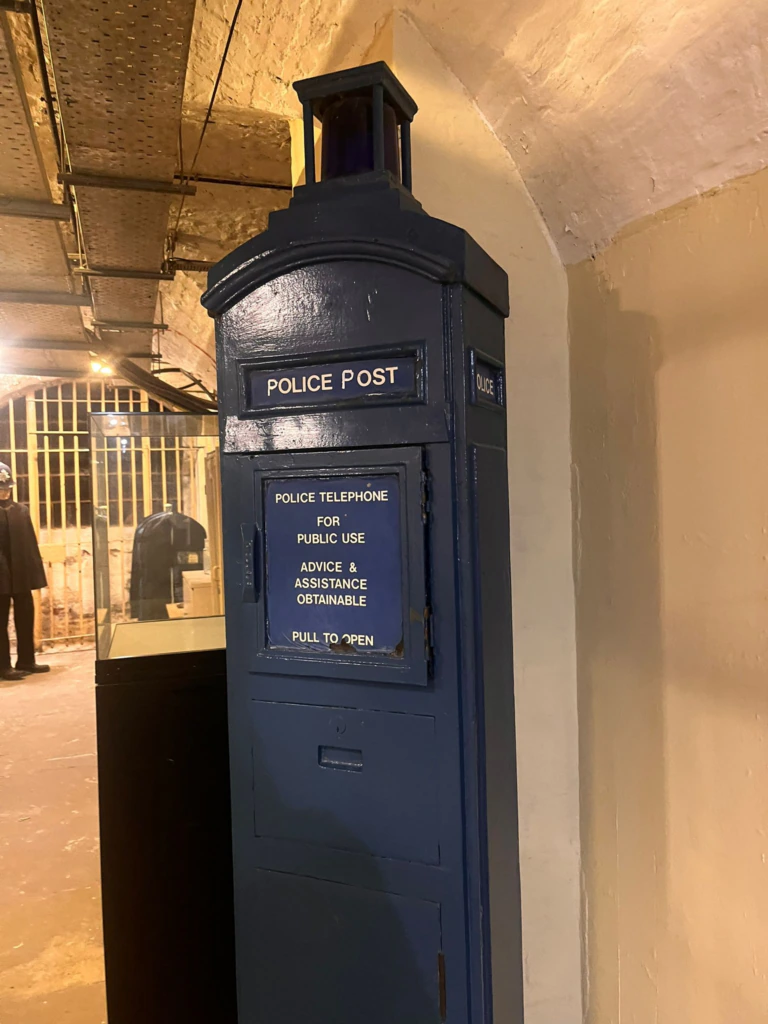
Those points of contact include the council, which owns the town hall that houses the museum in the former basement holding cells. Other links are with the tourist organisations that help bring holidaymakers through the door and the two local universities that provide historical back-up along with social media know-how.
“[When I began here] there were also the everyday practicalities of how the museum was opened, closed and cleaned,” Knight adds.
“I have to rely on unpaid assistants to take up some of the slack, particularly when I found myself at Year Zero in terms of policies and documentation. I was incredibly lucky to have some dedicated people prepared to workshop with me and to come back to me with draft documents.”
History-mad volunteers help with displays and interpretation, while others with commercial experience provide much-needed retail advice. Just about all of the volunteers delight in staying underground to show visitors around the atmospheric attraction, Knight adds.
“Being the only professional can be a strange experience and certainly wouldn’t be for everyone; I wonder if you have to be a certain age with the right maturity to do it,” says Knight.
“A lot of people might find it all a bit woolly to have no clear direction from above, but I’ve always appreciated the capacity to make decisions.”
Ongoing challenges
Knight continues to address the museum’s more laid-back legacies, such as untangling the different forms of interpretation in a wide variety of styles that often miss the target of a compelling narrative, and the fact that school outreach programmes have been a bit hit-and-miss.
But the scope is there to provide a truly arresting day out, he says.
“The cells are genuinely spooky and full of evocative graffiti from people who were locked up, such as the mods and rockers who fought on Brighton Beach on Whitsun weekend in 1964.
“While we have access, heat and ventilation issues – and no wifi – we have a lot of stuff such as uniforms, helmets and ceremonial esoterica.
“I want to cover the entire history of Sussex policing, along with its presence on stage and screen through the likes of Quadrophenia and the work of crime author Peter James.”
The museum’s prize exhibit is a model of Brighton’s Grand Hotel, showing damage after the hotel was bombed in 1984. It was made by police officer and part-time modeller Andrew Jones for the 1986 trial of IRA member Patrick Magee at the Old Bailey in London.
“It’s an extraordinary piece of work, which was made to illustrate to the court what happened on the night the hotel was bombed during the Conservative Party conference two years earlier,” says Knight.
Such enthusiasm stands him in good stead for future challenges and proves that he was right to step in to run the museum single-handedly.
“I remember someone at the time saying it sounded quite a lonely job. My experience [at Imperial War Museum] was that relentlessly catching trains all over the country was a solitary existence. Doing really interesting things just a 20-minute walk from where I live means that I don’t feel alone at all.”
Room to Judge
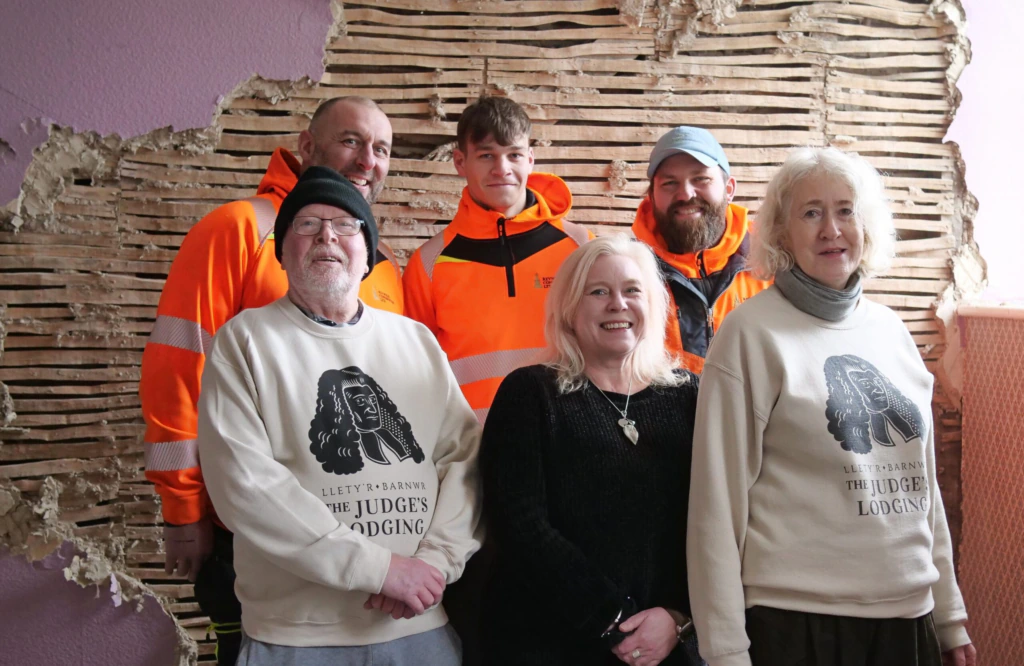
Gaby Rivers knows a thing or two about museum autonomy – she’s been holding the fort at the Judge’s Lodging in Presteigne, Wales, for 28 years.
“I came down from Yorkshire to help historical interiors expert Charles Kightly with the restoration of the building in the late 1990s,” she says. “I thought I’d stay a year or two to see it established as an attraction of some sort, but life happens and here I am.”
The Shire Hall was built in the 1820s on the site of the old town jail and boasted new courts of justice and luxurious judges’ lodgings, adds Rivers, now the museum’s development manager.
“By the 1990s, however, it was in a sorry state and, as the council did not want a white elephant doing nothing right in the middle of town, its future was uncertain.
“When Charles Kightly came, however, he spoke to a housekeeper who had been one of the last to look after judges staying here who told him, ‘wait until you see what’s in the attic’.”
Kightly discovered an enormous walk-through space, full of silver, glassware and period furniture and told the council there was enough of interest to recreate the building’s mid-19th-century heyday.
“The first thing he did was to rip out all of the electrics and put the gas lighting back in. Everyone who has a role here now is an expert in oil lamps and wick-trimming, and visitors love the warm glows, gloomy corners and heady smells,” Rivers says.
The building is now a fully-operational Victorian house with original decor and fixtures and fittings repurposed in the dining and sitting rooms, bedrooms, kitchen and courtroom.
Regulations, however, mean some aspects of the museum have a 21st-century look and feel.
“Policies and paperwork, particularly fire regulations and health and safety documentation, have become more and more extreme as the years go by. I started off with one file of health and safety stuff and now we have four full shelves of it,” says Rivers, who had no previous experience of running such an enterprise.
“My background was in medieval history, but I thought that if this was to work, I had to attract as many people here as possible so I went full-on with events and school packages.”
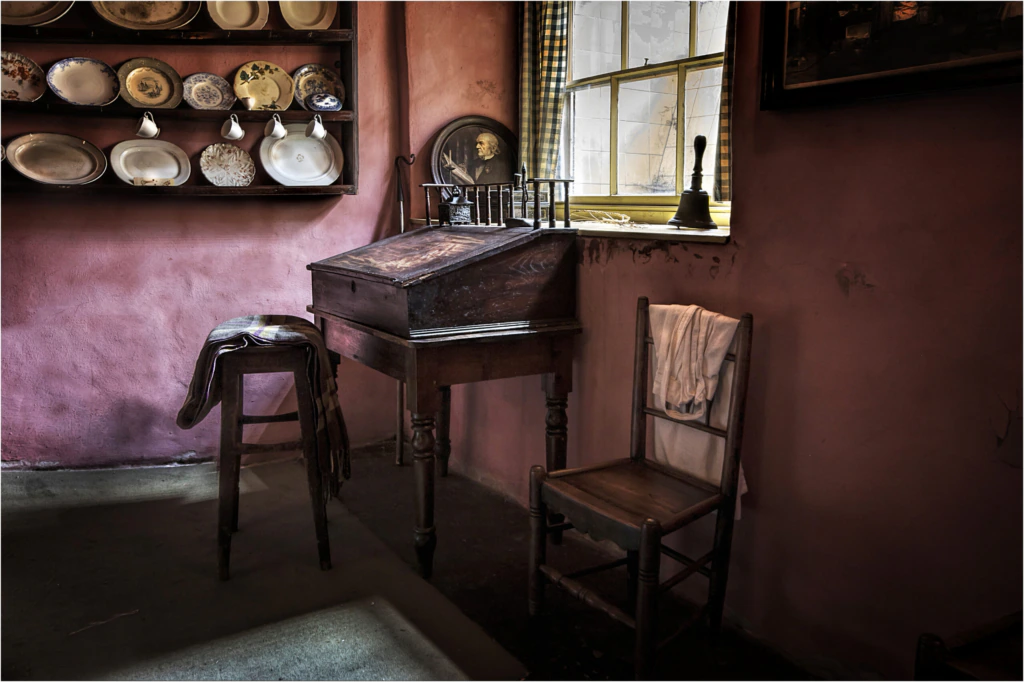
The Judge’s Lodging now holds crime and punishment events, dramatic re-enactments from a local theatre group and interactive days when schoolchildren pitch in with the housework as Victorian servants, with Rivers keeping them in line as a costumed kitchen maid.
“We have a very hands-on ethos throughout the building. It’s not a National Trust-type place where everything is behind ropes and barriers,” says Rivers.
She was surprised at the hearty appetites of visiting Victorian judges, however. “We used to do a Victorian dinner night once a year and it took us three weeks to prepare the five courses with five different options that their lordships would have enjoyed. There was a huge amount of work and an awful amount of waste.”
The “we” Rivers talks about with such fondness includes, of course, the team of volunteers who keep the place ticking over by carrying out maintenance work indoors and outside in the garden and running the front desk and the well-stocked tearoom.
“They’re wonderful,” she says.
John Holt is a freelance writer