The art nouveau Czech painter and illustrator Alphonse Mucha is perhaps under-appreciated internationally these days. But now, thanks to the Mucha Foundation, run by descendants of the artist, a grand new space dedicated to him has opened in Prague.
Mucha’s iconic work epitomises the belle epoque – a peaceful period in Europe between the end of the Franco-Prussian war in 1871 and the break out of the first world war in 1914. It was during this time of optimism and economic prosperity that the style of art nouveau developed.
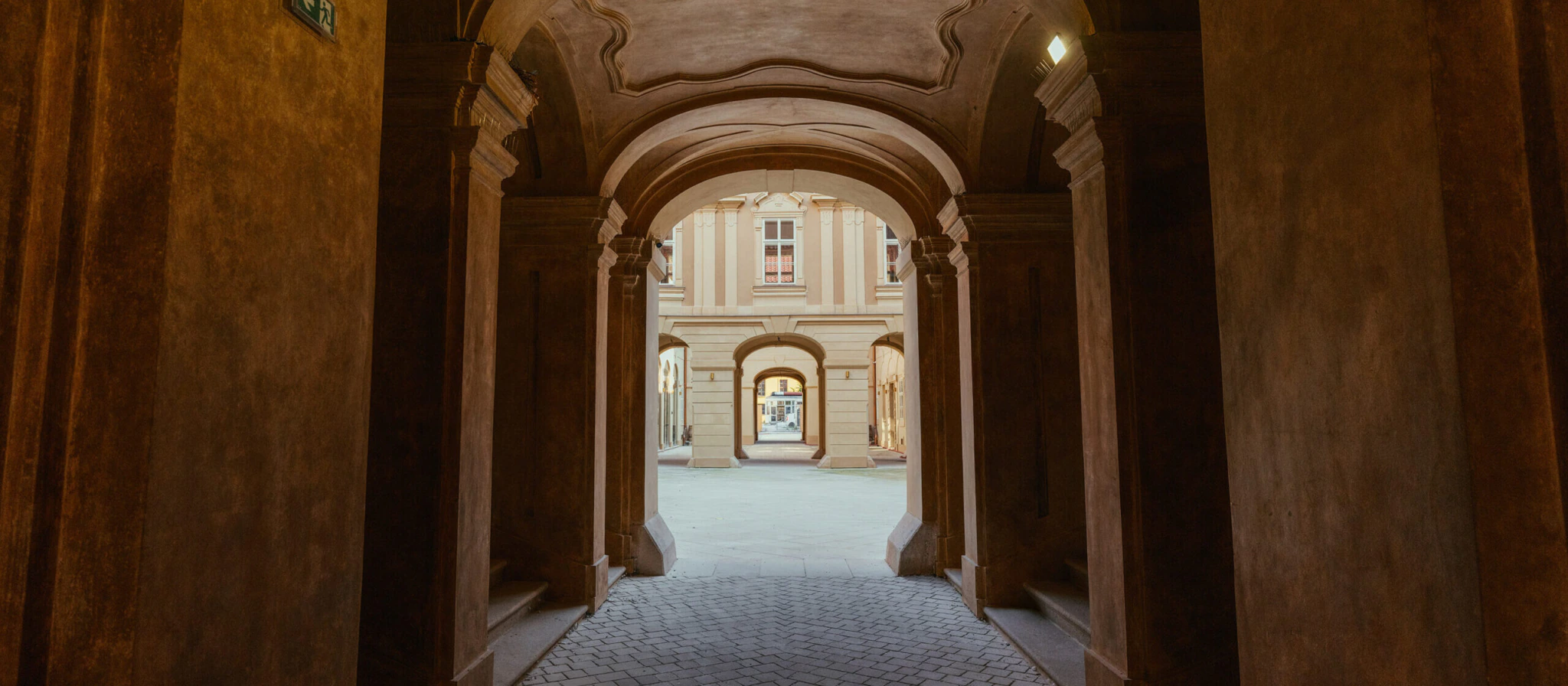
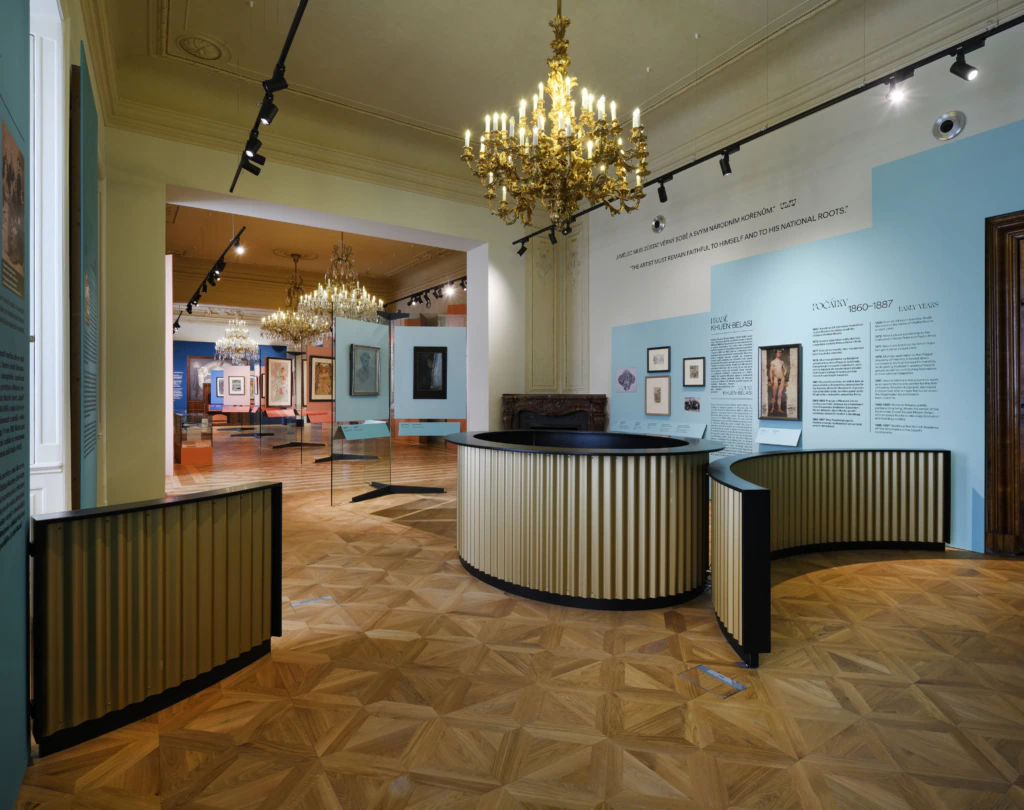
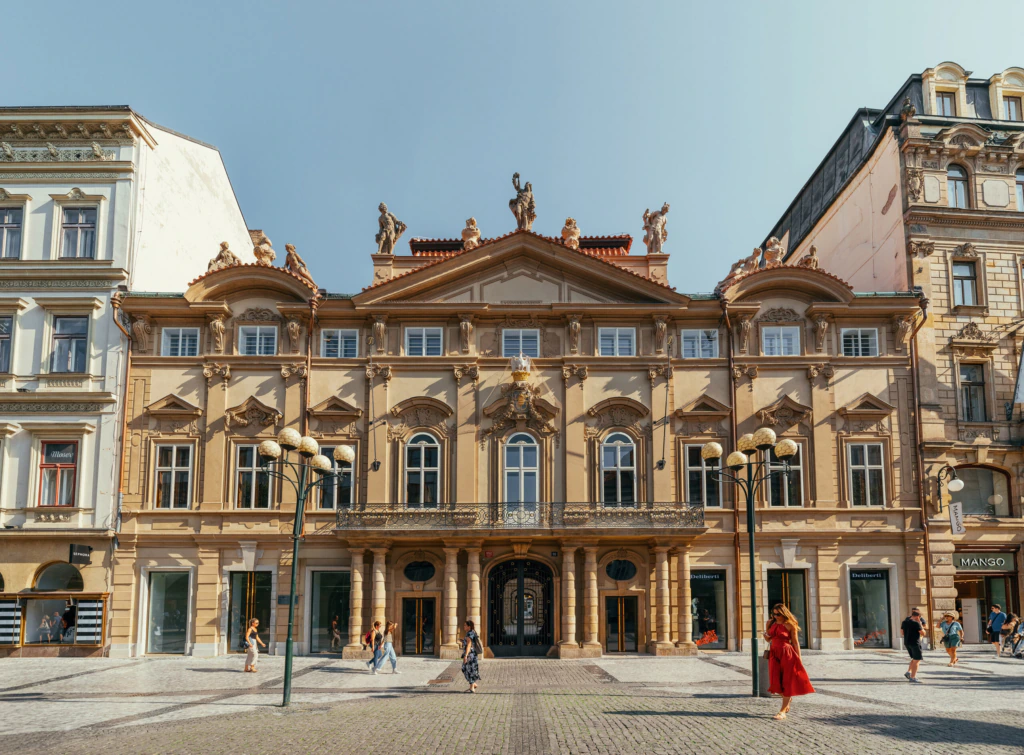
Characterised by organic swirls and elongated flowing forms, Mucha’s artistic style is reflected in the curvilinear 18th-century baroque forms of the Savarin Palace where his works are now displayed. The 1,100 sq metre palace, formerly used as a casino, has been carefully renovated to house the Mucha Museum, a prime cultural venue in the city’s heart on Na Píkop.
Marcus Mucha, great-grandson of Alphonse Mucha and the executive director of the Mucha Foundation, talks us through the museum.
What does the Savarin Palace bring to the work of Mucha?
Marcus Mucha: One of the things that strikes visitors most when they come to our new Mucha Museum is the quality of the scenography and the finish. Our museum is in an incredible space within the palace, perhaps one of the most beautiful baroque palaces in Prague, and the visual elements of the baroque are in thoughtful dialogue with the art nouveau aspects of Alphonse Mucha’s work.
Advertisement
This is all thanks to the architect, Eva Jiˇriˇcná and her team at AI Design, who created a harmony between the design of the original architecture, which has been restored to an exquisite level, the artistic style of my great-grandfather, and Eva’s clean, modern approach.
What was the most challenging aspect?
For us, it’s always most difficult figuring out which narrative we want to tell and which artworks we want to show. The Mucha Family Collection contains upwards of 11,000 artworks, and our amazing archivists are constantly uncovering new stories to share with the public.
It’s wonderful to have so much to choose from, but it can be a challenge to create something that simultaneously introduces Mucha to a public who might not be aware of the breadth of his achievement, while also showing new artworks and narratives for people who are more familiar with his work. Curator Tomoko Sato achieved both objectives.
How has the Savarin Palace been restored to show art?
Our partners at Crestyl, the developer that owns the palace, have taken extraordinary care to restore the building and bring it back to its original glory, when it was a gathering place for artistically minded luminaries and the home of some of the first collections that now make up the National Museum in Prague.
Advertisement
The Mucha Family Collection has many sensitive works on paper, and so our technical requirements are strict. With that in mind, the space has been fitted with state-of-the-art climate-control systems to keep the works looking just as fresh and vibrant as they were on the streets of Paris over 100 years ago.
How does art nouveau work in an 18th-century space?
While working on this presentation, curator Tomoko Sato uncovered some sketches of baroque-style ceilings that Alphonse did before he moved to Paris. These have striking similarities to the stunning ceiling above the grand staircase in the Savarin Palace that leads to the Mucha Museum’s entrance.
It was a mystical experience while looking at baroque church paintings in Moravia that helped propel Mucha to become an artist. Elements of those church paintings turn up again and again in his work, even in pieces – such as Reverie – that are now seen as icons of Parisian art nouveau.
What’s on show?
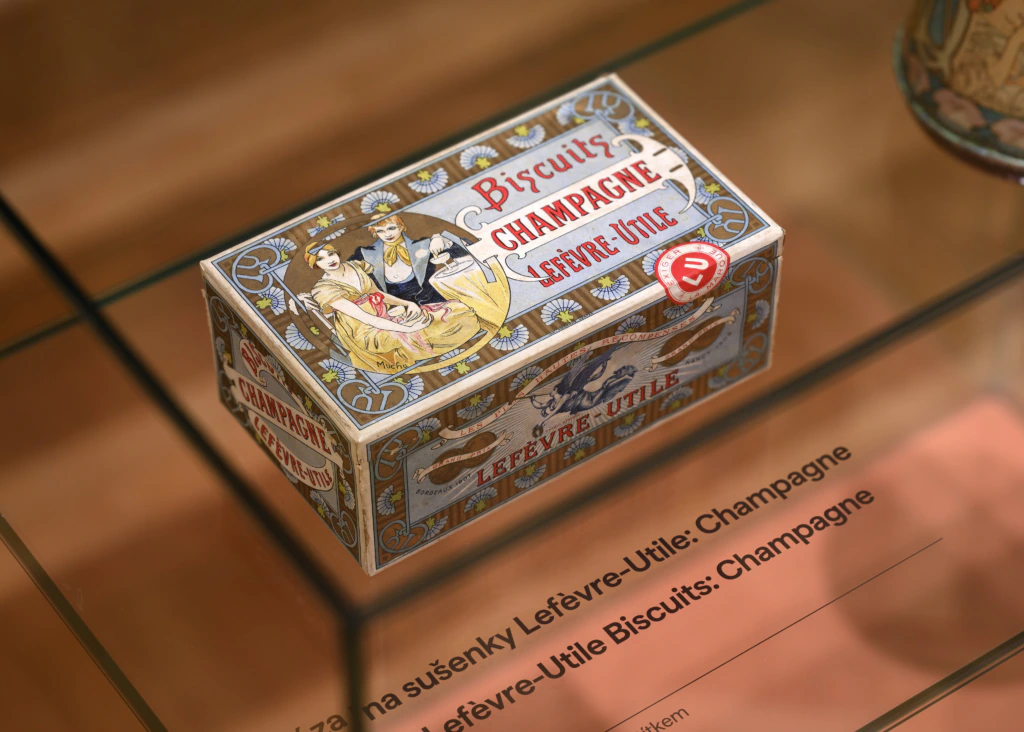
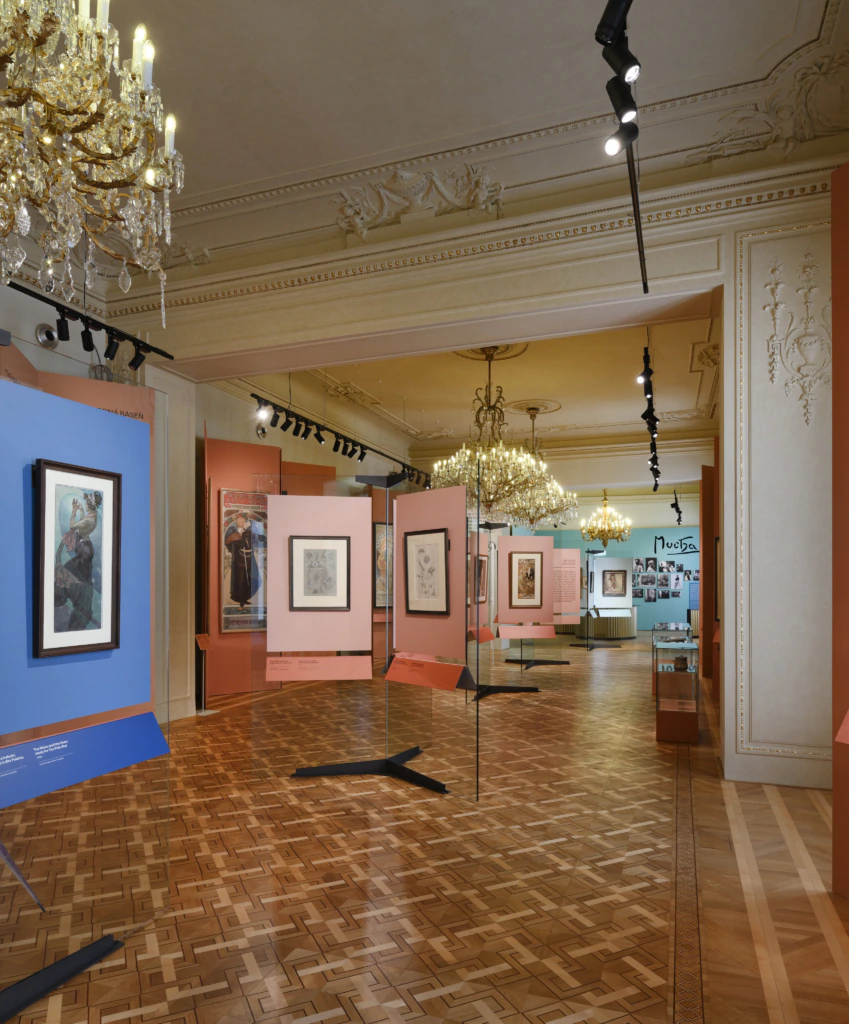
We’ve created a presentation that includes the fruits of all the research and scholarship around Mucha over the past 30 years, while also offering world premieres for works in the Mucha Family Collection.
Advertisement
So, as well as the highlights of Mucha’s time in Paris, those iconic lithographs that are part of our collective subconscious, we also explore his utopian philosophy – his belief that we could all find a way to respect our differences and still live in harmony.
We do this first by looking at his interactions with freemasonry, which he saw as bringing together the best aspects of cultures and religions around the world, and then seeing how the symbolism and utopianism he picked up from that found their fullest expression in the Slav Epic, his late, great masterpiece that tells the story of the Czech and Slavic peoples across 20 enormous canvases.
What is the most innovative aspect of the museum?
A couple of years ago we created a stunning immersive exhibition with the Grand Palais Immersif in Paris.
We used technology to show our audience how Mucha used the cutting-edge science of his own time to guide his viewers’ eyes through the various elements of his posters. We’ve incorporated part of that presentation into the museum, and so, rather than using wall texts to explain this process, visitors experience it in a more visceral way.
What are you most proud of?
My great-grandfather’s proudest possession was a gift from the French actress Sarah Bernhardt as a thank you for all that he did for her – a small travelling keyboard that she had, which previously belonged to Wolfgang Amadeus Mozart.
At the Mucha Foundation, all that we do is to honour Alphonse’s hopes and aspirations for his work. If he could have imagined that one day his art would be displayed in such a beautiful museum directly opposite the theatre where Mozart conducted the world premiere of his opera Don Giovanni, he would be very proud and happy indeed.
What does the future hold for the Mucha Museum?
At the moment, we are unable to present the full Slav Epic, as the series of large-scale canvases are too big for our space. Instead, we have re-creations of four of the canvases, displayed alongside study materials, some displayed for the first time, to give a full context for these works.
My great-grandfather’s greatest wish was that all 20 paintings could be presented together in a purpose-built hall in Prague.
With this in mind, we have signed an agreement with the mayor of Prague under which we will work with British architect Thomas Heatherwick to build a new space in another part of the Savarin development where the 20 original canvases will be displayed in line with Mucha’s own plan for their presentation – in a few years’ time.
Project data
Cost
CZK500m (£17m)
Main funders
Crestyl; Mucha Foundation
Architects
Eva Jiřičná and Oleksandra Krones at AI Design
Curator
Tomoko Sato
Graphic design
MadLove
Production management
Karina Kubišová
Construction
Artelo
Lepor; Pictoprint
Czech translation
Elizabet Kovačeva
Editing
Kristýna Pražanová; Elizabet Kovačeva
Admission
Adult 300CZK (£10.24); child 220CZK (£7.51)