
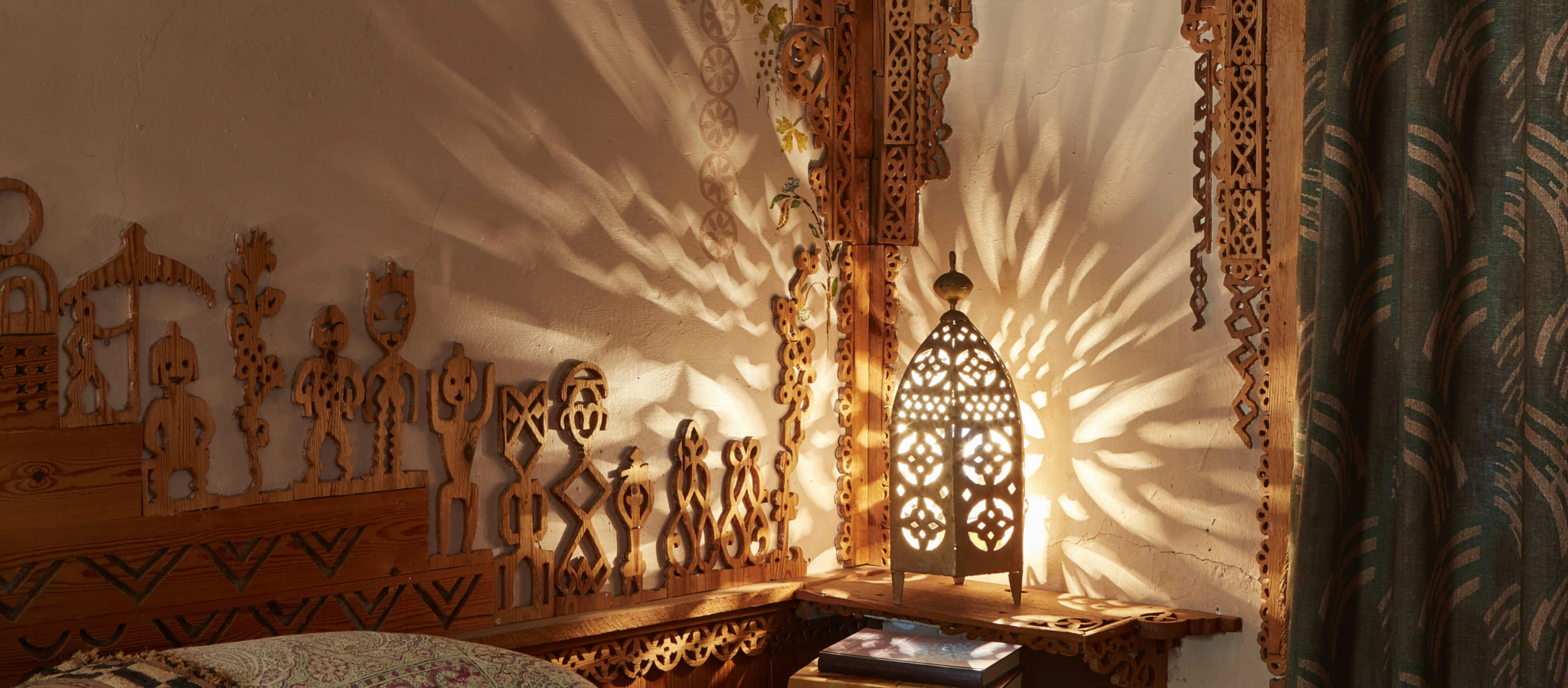
The artist, filmmaker, gay rights activist and gardener Derek Jarman died more than 30 years ago, but one of the ways his legacy lives on is his remarkable but fragile home – which can withstand a minimal number of people visiting – on the Kent coast.
Jarman moved into Prospect Cottage in 1986 and created an environment that became a source of inspiration to those who visited him, as well as a place where he could develop his artistic practices.
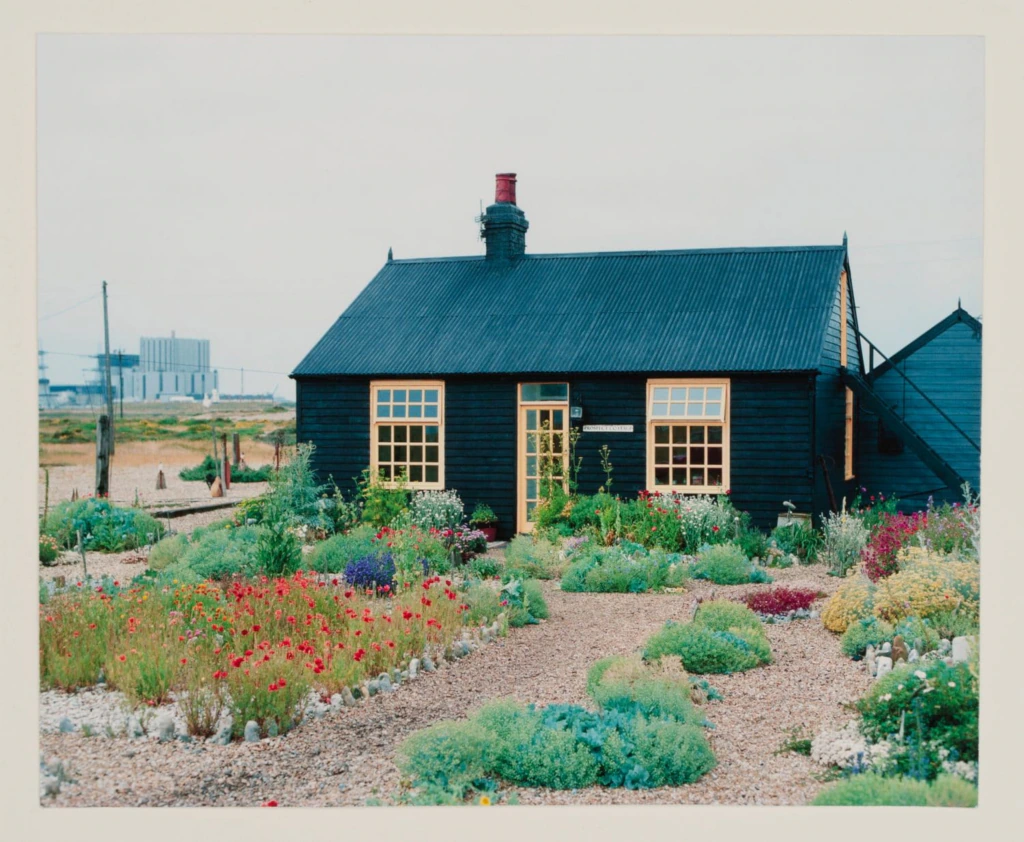
The small site on a windswept shingle beach, close to the de-commissioned Dungeness nuclear power station, was where Jarman wrote, created art and made films. He also designed the garden, which features sculptures made from driftwood, stones and pebbles, interspersed with plants that are suitable for the exposed coastal environment.
The importance of the property was highlighted five years ago when a campaign to save it for the nation led by the Art Fund reached its £3.5m target in just 10 weeks (see box).
Saving Prospect Cottage
The campaign to save Prospect Cottage, led by the Art Fund, was a spectacular success, with the £3.5m fundraising target being reached in just 10 weeks.
It was a good example of the effectiveness of a broad-based approach to funding as it included backing from big grant-givers, the art world and the public. There were more than 8,100 donations from the public, making it the largest arts crowdfunding campaign in the UK at the time.
“Prospect Cottage is a great example of big ambition, and what can happen when lots and lots of people come together to be part of a campaign,” says Alice Regent, the director of development at the Art Fund.
“And I think there’s something to be said about democratising philanthropy through these campaigns. It doesn’t just have to be a campaign that is supported by someone who gives a big six-figure donation.
“Obviously, those donations are massively important, but lots of people just give what they can. And at a time when funding is ever more stretched, and support for museums and galleries has never been more important, that message is something that we really want to keep playing back.”
Regent says it was important to send a very clear message about what campaign was trying to achieve from the start.
“It was to not only save Prospect Cottage, but also to harness its creative and inspirational aspect and give that a long life, so that Jarman’s work and the space he created could continue to inspire others.”
Communicating the inspirational and creative side of the campaign was helped by the support of high-profile figures such as the actress Tilda Swinton, a friend of Jarman after he directed her in his 1986 film Caravaggio. Others who were involved included contemporary artists Michael Craig-Martin, Tacita Dean, Jeremy Deller, Isaac Julien, Clare Twomey and Wolfgang Tillmans.
Many gave works and experiences as rewards in return for donations from the public as part of the crowdfunding campaign. The British artist David Hockney made a substantial personal donation to the appeal.
“We’d never done a campaign with an artist who was so alive for so many people,” Regent says. “It was quite extraordinary talking to those people and bringing them together. And they were so, so helpful in making the campaign a success. I think a big learning for us was advocacy – bringing voices together to help make a point of why somewhere or something is so important, and the ripple effect of that.”
The campaign was supported by grants of £750,000 from the National Heritage Memorial Fund, £500,000 from Art Fund and £250,000 from the Linbury Trust, as well as significant support from the Luma Foundation, the Roger De Haan Charitable Trust, the John Browne Charitable Trust and the Ampersand Foundation.
Advertisement
The need to secure the future of the cottage become urgent following the death in 2018 of Keith Collins, Jarman’s companion in his final years and the person to whom he bequeathed the property.
The successful campaign not only enabled the Art Fund to buy Prospect Cottage, but also helped support an ongoing public engagement programme and the conservation and maintenance of the building and garden.
Today, Prospect Cottage is one of a handful of UK heritage properties that allow public visits but are extremely vulnerable because of their size and fragility. The site is managed by Creative Folkestone, which carefully balances making the property accessible with the conservation requirements of the building and its contents.
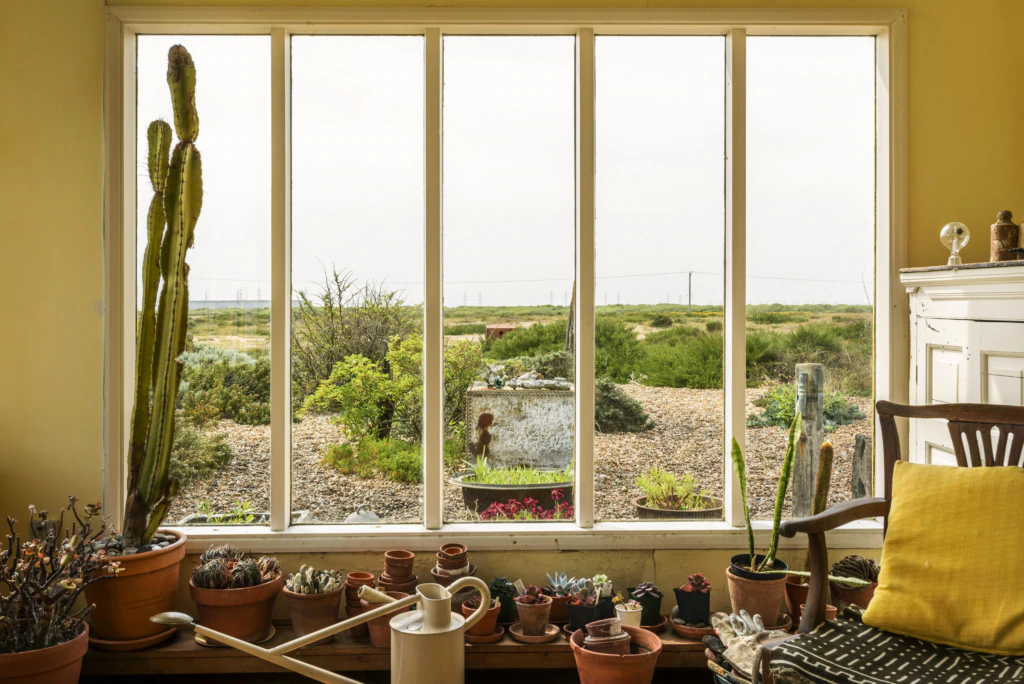
The cottage opens for visits one day a week, for 50 weeks a year. There is a maximum number of four visitors for each pre-booked time-slot and visits last 40 minutes. There is also an artists’ residency programme and a series of one-off visits by researchers and others interested in the property. The plan was always to create an open and inclusive space that would be used by people.
“The point of it was to be, above all else, a catalyst for new work and for creatives, activists and environmentalists – all the things that Jarman was interested in,” says Alastair Upton, the chief executive of Creative Folkestone. “It was to be there for active use.”
Advertisement
But this open approach does make conserving this fragile building quite a challenge.
“You just have to manage the place as best you can and understand that you’re making compromises with things such as the longevity of the objects,” Upton says.
“It would probably be the idea of a living hell for certain curators and conservators, and rightly so – this isn’t the solution for every location.”
But Upton says allowing access to the property provides an amazing experience for those lucky enough to see inside.
“It’s just a very, very intimate space and offers a very powerful visit, particularly for people for whom Jarman was a really influential character in their lives,” he says. “It’s very meaningful for a lot of people and we’ve got fantastic guides.”
A poet’s home
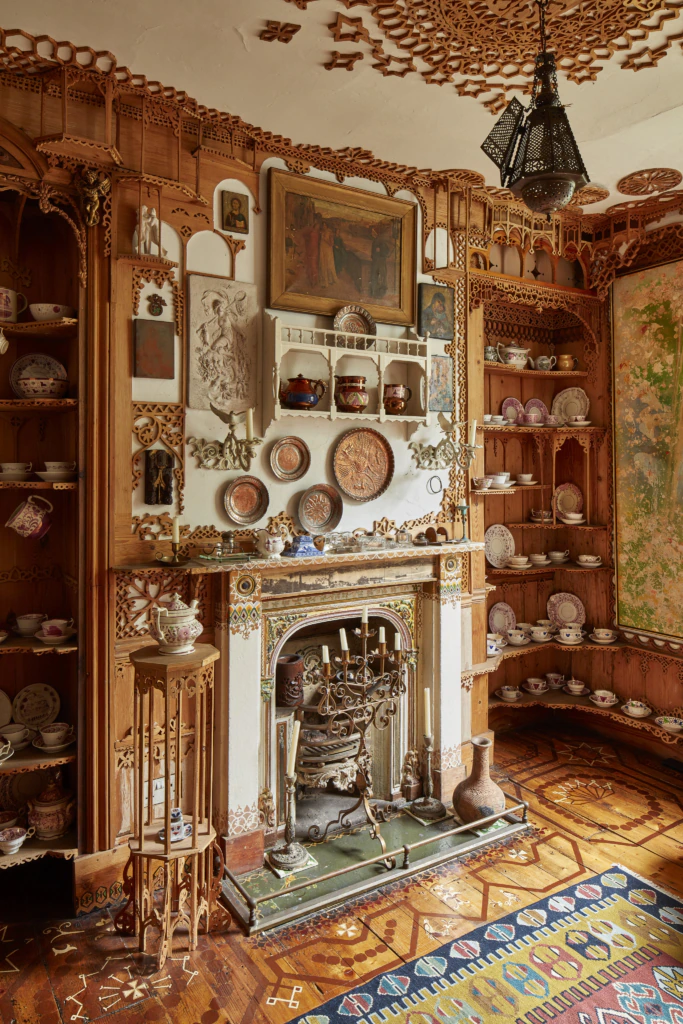
Another place that carefully limits numbers but offers an intimate visitor experience is 575 Wandsworth Road, which is managed by the National Trust. The property sits on a busy south London road and from the outside it looks like many other modest, early 19th century terraced houses.
Advertisement
But inside are the rich and striking interiors created by Khadambi Asalache (1935-2006), a Kenyan-born poet, novelist, philosopher of mathematics and British civil servant. He bought the house in 1981 and gradually turned it into a work of art by adding hand-carved fretwork, painted floors and carefully arranged objects.
The National Trust acquired 575 Wandsworth Road in 2010, opening it to the public three years later. Tours run from May-October and visits are limited to six people at a time and have to be pre-booked. There are about 2,000 visitors each year.
“One of the greatest joys of working at 575 Wandsworth Road is that you get to see and hear everyone’s individual reactions and the intimacy of the experience,” says Laura Hussey, the house and gardens manager at the property.
“There is no written interpretation, instead it is person-led – everything is experienced through conversation. There are just six people at a time, plus a member of staff and a volunteer – that’s a ratio of three-to-one, so you’re getting a bespoke visit. The feedback has always been incredibly high in terms of people’s satisfaction and feeling of a sense of connection to the place.”
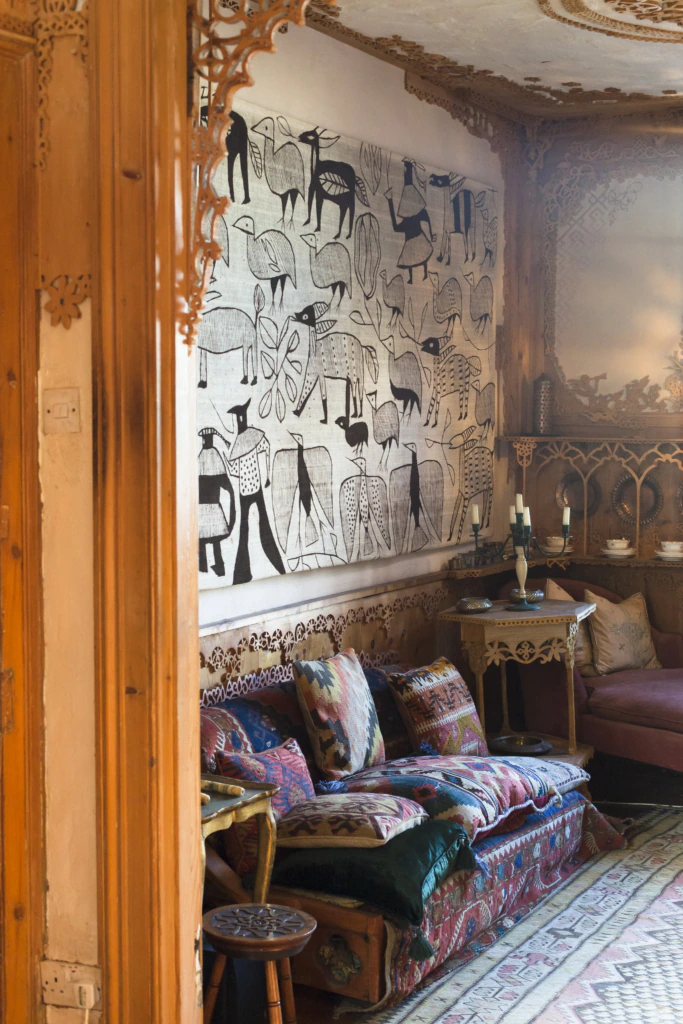
But like Prospect Cottage, conserving the fragile interiors is demanding, and the tours need to be carefully planned.
“Our conservation philosophy is very much influenced by Khadambi Asalache’s overarching vision for his home, which is now regarded as a complete artwork,” says Hussey.
“There is the fragility of the interiors themselves, including the hand-painted floors, which are a challenge. The carvings are also fragile, and the house is very small – these are all considerations.
“But there’s also an added challenge in that Khadambi placed things in an intentional way. And so even if it’s not something he made, he was positioning them and displaying them as part of a bigger idea – we have to honour that.
“Trying to recreate that harmony and balance as closely as possible when we’re doing any kind of interventive works is really important,” Hussey continues. “It takes the four months that we’re closed to clean the house from top to bottom, because it’s a methodical approach, like any other historic house.”
The tours help people to understand the conservation needs of the house and its contents, but the aim is to integrate this information into the visitor experience.
“We ask people to sit round the dinner table and take off their outdoor shoes when they arrive to protect the hand-painted floors, but we turn that into part of the journey, really cementing that feeling of being in someone’s home,” Hussey says.
“It helps people understand how we look after the house and helps them feel a bit more grounded in the space.”
With fragile properties such as 575 Wandsworth Road and Prospect Cottage, one of the obvious ways to protect them is by limiting visitor numbers. But how do you decide on an appropriate number? For both sites, it is more a feeling that the figure feels right, rather than using a clear method to arrive at the number.
Hussey says that the figure of 2,000 people a year at 575 Wandsworth Road was set before it opened to the public in 2013, based on results from vibration monitoring during tour trials.
“It’s the number that we’ve worked with the whole time, and it feels intuitively right in terms of the number of people who visit at any one time, with the footfall over a year helping us to balance conservation and access, and allowing the house to rest,” she explains.
Finding the right balance between conservation and visitor access is something that many heritage organisations must address. But finding definitive answers to the issue of visitor numbers is rarely straightforward.
Paula Whitelaw is the head of heritage planning at the National Trust for Scotland (NTS). Her role includes helping sites to think about what they are trying to achieve, including their significance and value.
“One of the things we get back a lot from site teams is that they are at capacity, or they say they have too many visitors, and that takes a variety of shapes and forms,” Whitelaw says.
NTS is responsible for a wide range of sites, including historic houses, battlefields, castles, gardens and coastlines. Capacity concerns can be related to conservation and maintenance, visitor experience, visitor behaviour or health and safety, with issues at built sites often very different from the trust’s countryside locations.
David Parr House
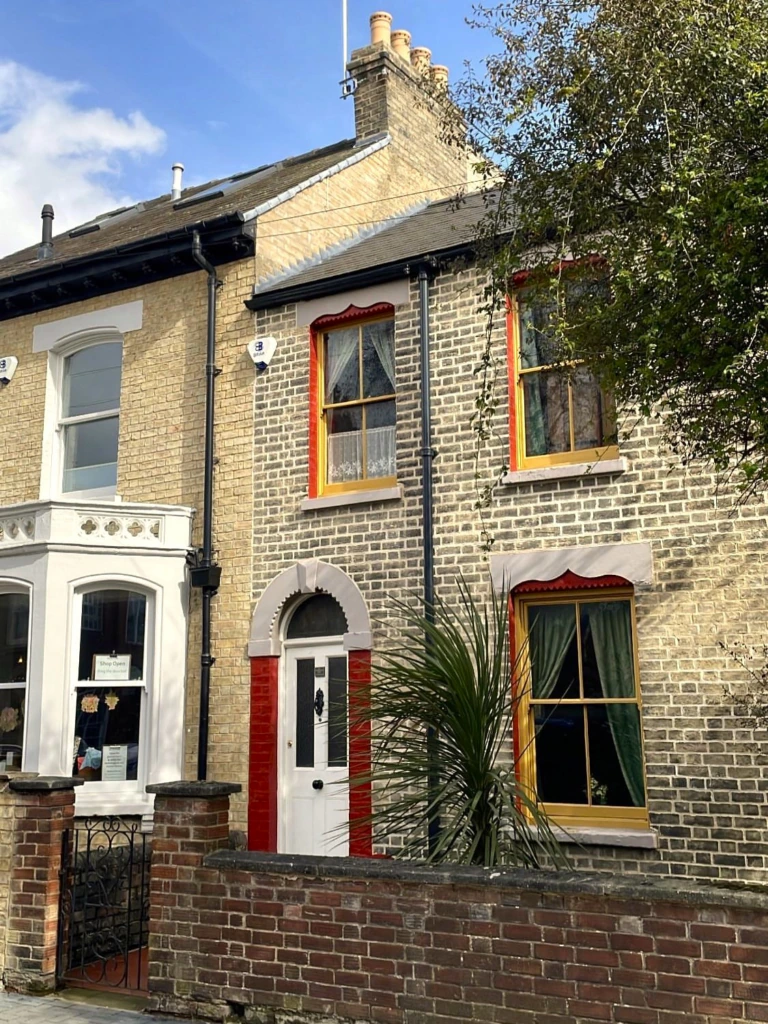
David Parr House is an ordinary terraced house in Cambridge that was home to the Victorian working-class artist David Parr and his family.
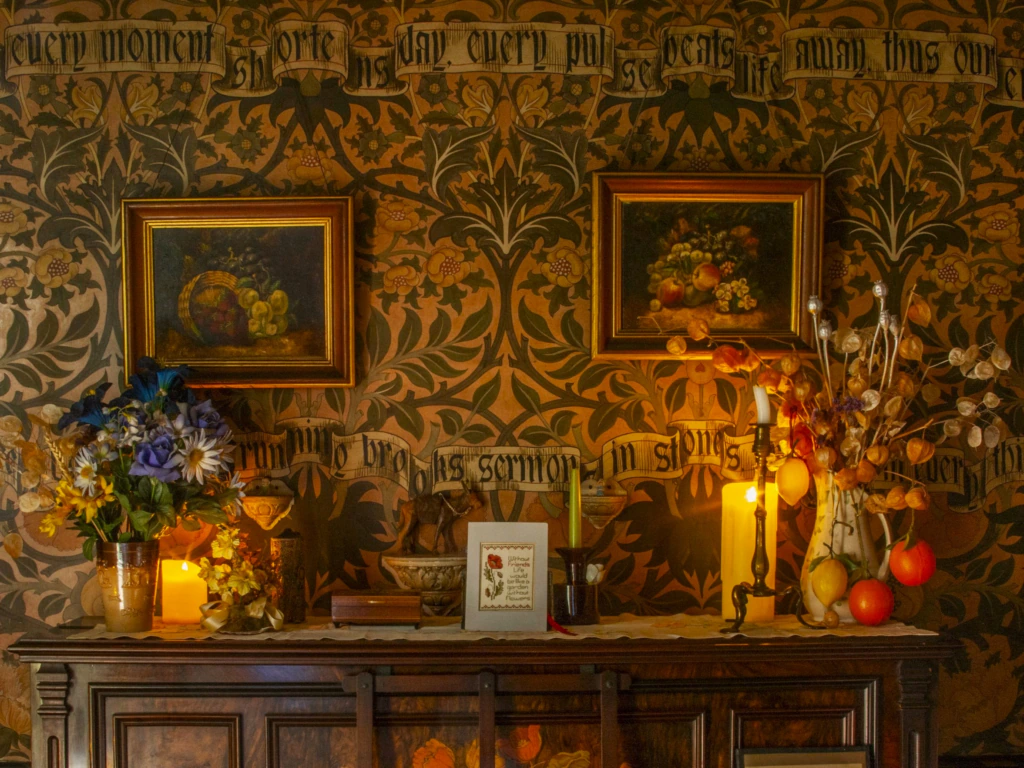
Parr bought 186 Gwydir Street in 1886 and spent the next 40 years transforming the house into a beautifully decorated, comfortable family home. He documented how the house was restructured, improved and decorated in his notebook.
Following Parr’s death in 1927, the home was preserved by his wife, Mary and later by his granddaughter, Elsie Palmer, who lived there for more than 85 years from the age of 12.
In 2009, a local historian visited the house and began creating the charitable trust that now preserves the house. Through the work of volunteers, crowdfunding and the support of individuals, foundations and trusts, the house was secured and opened to the public in 2019.
“To preserve these fragile interiors, we limit the number of guests in the house at any one time to six people,” says Bob Hewis, the visitor experience and house manager at David Parr House. “This limited group size means our visitors can explore this domestic setting comfortably without being in danger of brushing against the walls and objects.
“In addition, based on environmental monitoring, we determined that this number of visitors can be in the house without raising the humidity levels too high.
We are transparent with our guests about why we restrict numbers, and most are understanding.”
The site offers four tours a day, three times a week, which means 72 people moving through the house in a week.
“We don’t see this as a challenge but more of an opportunity, as it allows us to provide an intimate and personal experience,” Hewis continues. “Indeed, one of the things many of our visitors comment
on in their feedback is how friendly and knowledgeable the guides were, highlighting how the limit on visitors creates space for close conversation and collaborative learning.”
A numbers game
For the built properties, such as historic houses, there are often guided tours, many of which stipulate limited numbers. “We put a limit on them because we think that more than 20 people, say, either won’t physically fit in the space and it’ll be uncomfortable, or not as enjoyable an experience,” Whitelaw says.
“So, we have a capacity in our mind, but without a huge amount of empirical data to back it up. It’s just gut feeling. I’m a big believer in the gut feelings of the guys that are on the sites, but we are basing capacity around the visitor experience, rather than actual pressure or impact on the heritage asset.”
Whitelaw’s role involves helping NTS sites better understand the impact of visitor pressure and what some of the solutions might be.
“I have been looking around to see what other organisations do, because why reinvent the wheel?” she says.
“Obviously, there are the World Heritage Sites, the Taj Mahals and places like that, although they’re on a different scale. But overall, there doesn’t seem to be a lot of sensible guidance around about how you start understanding what too many visitors is.”
For heritage organisations, the aim of enabling public access to sites will always be in conflict with the need to conserve them, and there will never be a neat way to resolve this. Compromises, common sense and trial and error will always be needed to try to strike the right balance.
Ultimately, if access is too restricted, what is the public benefit of looking after these places? Anyone who is lucky enough to have been inside Prospect Cottage and 575 Wandsworth Road will understand the importance of getting the balance right.