Where
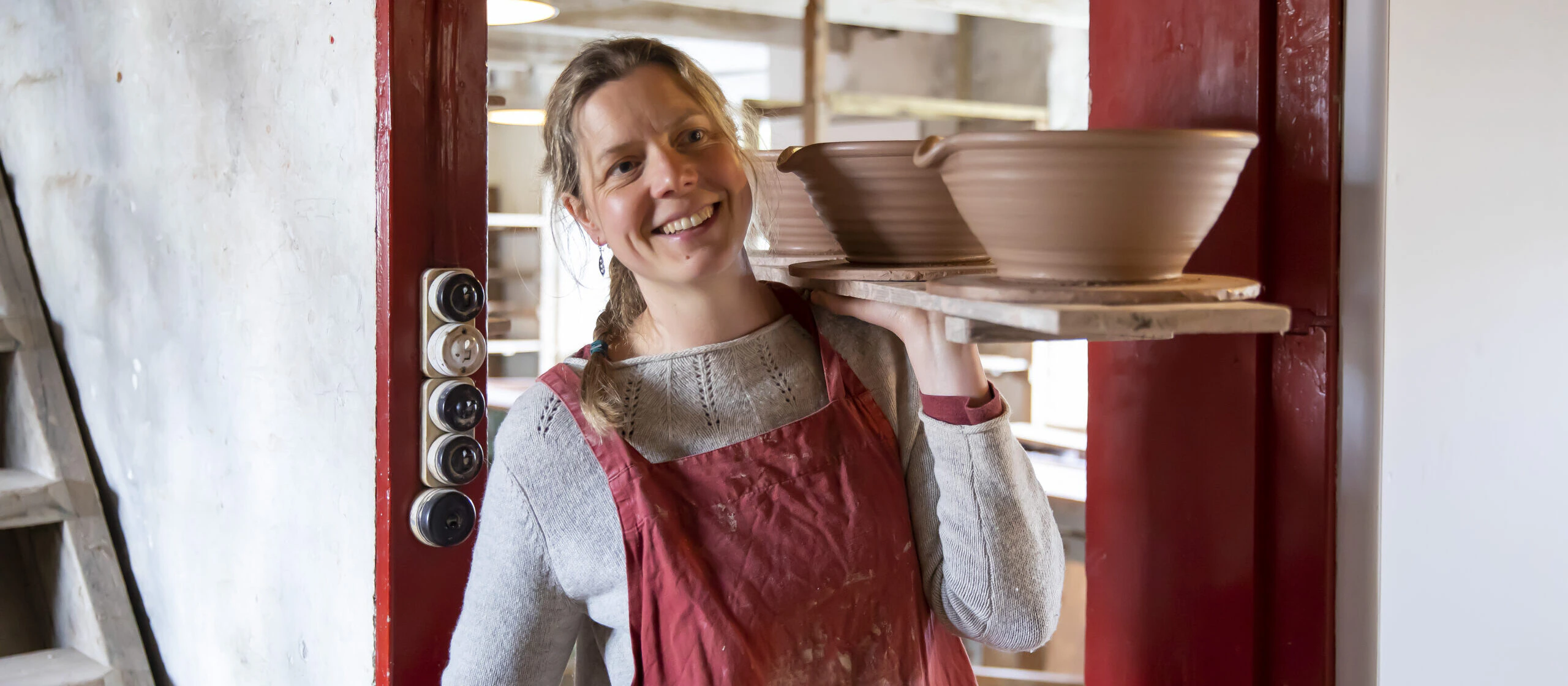
Leach Pottery has stood on the same site in St Ives, Cornwall for more than 100 years.
What
Founded in 1920 by Bernard Leach and Shoji Hamada, the pottery is among the most respected and influential potteries in the world with an active studio pottery that continues to make Leach-inspired Standard Ware, alongside a museum, exhibition space and shop.
Bernard ran it with his son David until 1956 when Janet Leach, Bernard’s wife, took over and managed the pottery until her death in 1997.
Eventually, Penwith District Council bought the land and, with the help of lottery funding, the pottery reopened in 2008 with a museum, shop and working pottery studio. It is now run by the charity the Bernard Leach Trust. It is currently undergoing a long-term regeneration project.
Advertisement
“We are a living heritage site, which means we change and evolve,” says the curator and deputy director Matthew Tyas. “Bernard left a significant legacy of work – pots, illustrations, his books and writing. It is our job to work and engage with this rich resource.”
History
The Leach Pottery has been a place for learning over the past 100 years with potters coming from around the world to learn under the ethos of the pottery’s founders.
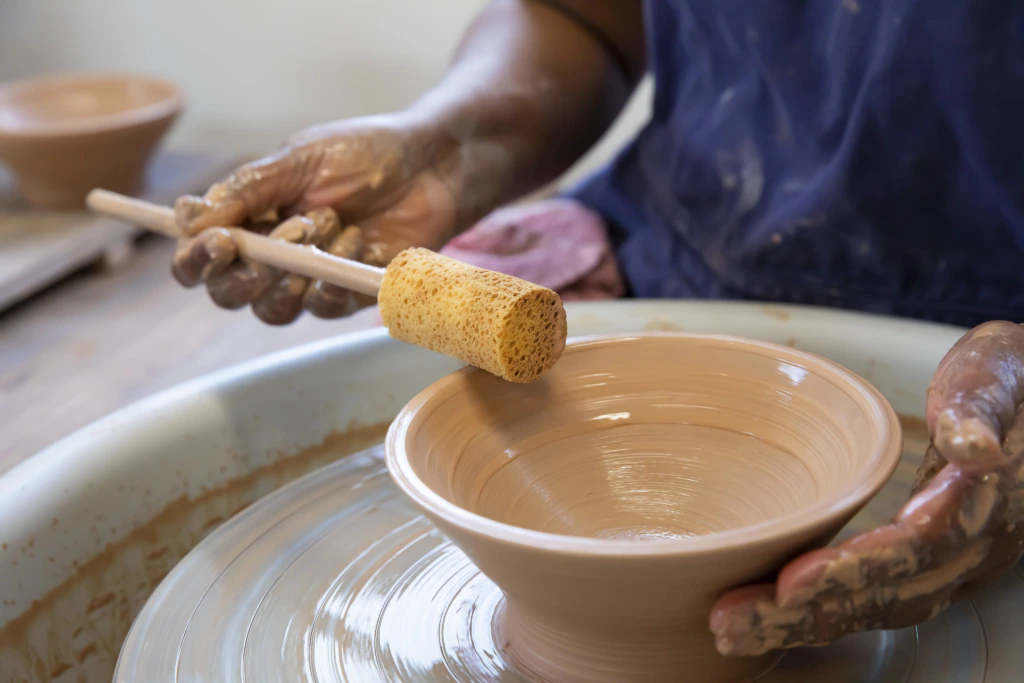
It runs a programme of workshops, classes and hands-on events. “Enjoyment of clay, beauty and utility of form are encouraged and taught with an approach sensitive to the teachings of Leach himself,” Tyas says.
Research
Tyas’s work with the Leach Pottery started in 2010. “The pottery was my research partner with Falmouth University,” he says. “For my PhD, I was looking at how digital manufacturing technologies could be creatively used to design and make new kinds of standard ware. But about 10 years before that, I accidentally found a piece of handmade pottery from David Leach’s [Bernard’s son] Lowerdown Pottery. That changed my life because I started going to pottery classes and began the journey of collecting and making pots.”
Advertisement
Highlights
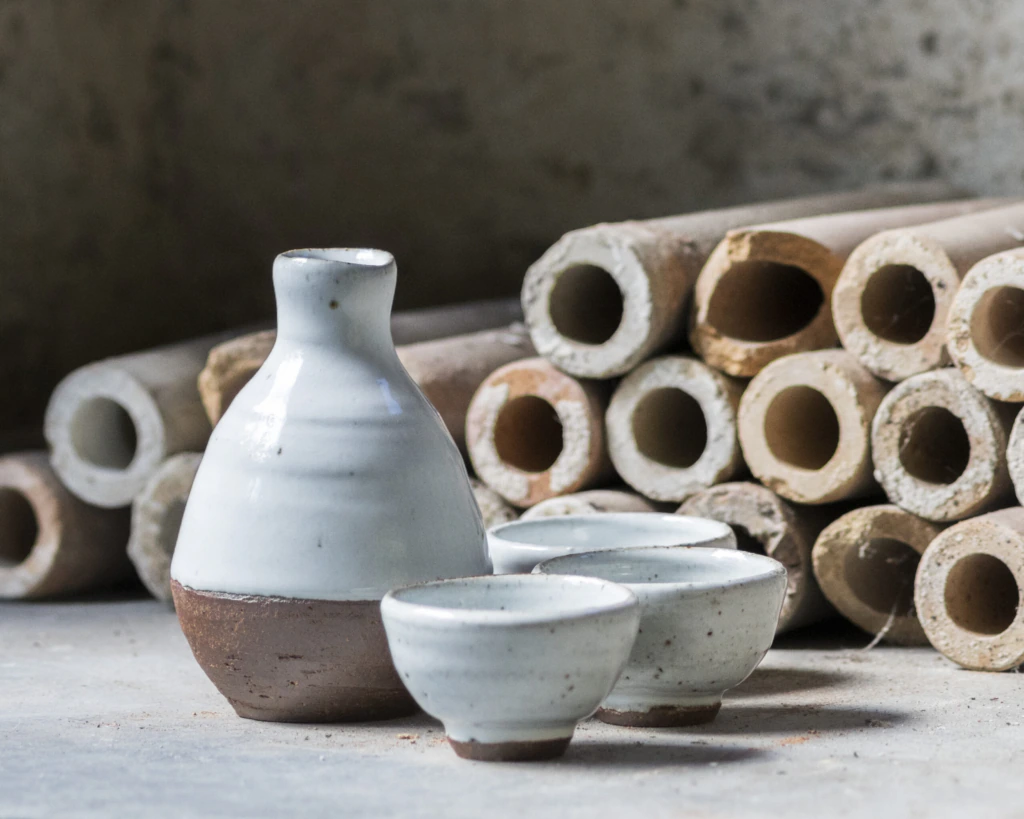
“Our Japanese-influenced three-chambered climbing kiln is in our old pottery,” says Tyas. “This version was built in 1923 – the first of its kind in the west.”
Built on a slope, a climbing kiln allows heat to transfer to upper chambers more efficiently, which means less fuel is needed overall so it economises the firing process. It is not as big as its Japanese cousins but it perfectly captures the essence of time and the nature of process. It could tell a few stories.”
Collection
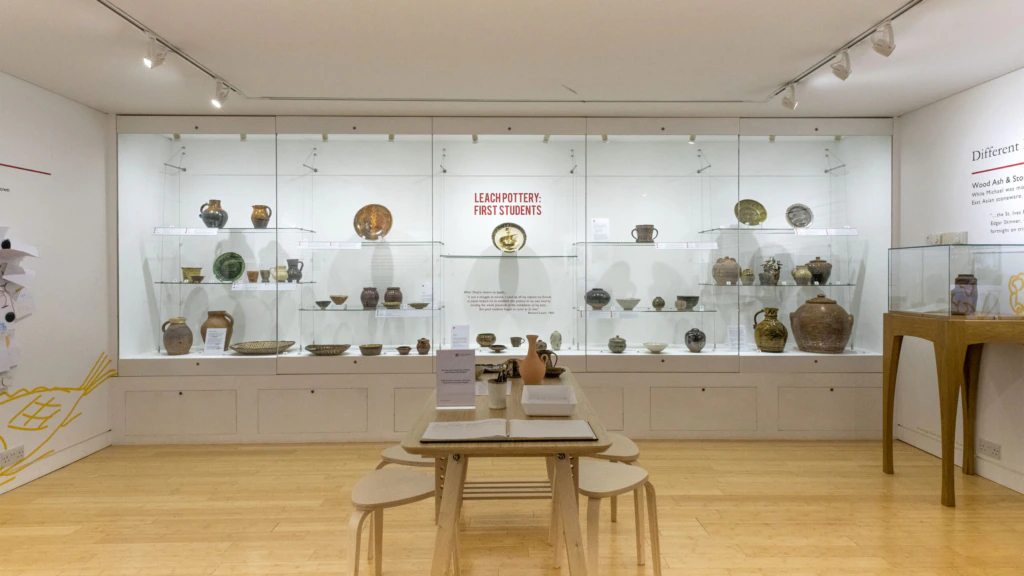
“We’re keen to develop our small collection,” says Tyas. “But one of our more symbolic acquisitions is a small cup attributed to Matsubayashi Tsurunosuke – made in the early 1920s when he was rebuilding the climbing kiln. It demonstrates how the pottery facilitated cultural exchange because handle-making was not part of Matsubayashi’s practise. The pot was discovered in a charity shop in nearby Penzance and we bought it.”
Future plans
The two-year transformation project, expected to complete in autumn 2026, includes a new learning and production studio, a revamped shop and newly designed museum. “As part of this project, we have set a target to increase our visitor numbers from 8,000 to 15,000 a year,” says Tyas.
Advertisement
“We have a wide demographic and get a lot of international visitors inspired by Leach and Hamada and have already seen a change in the visitor demographic, who are getting younger.”