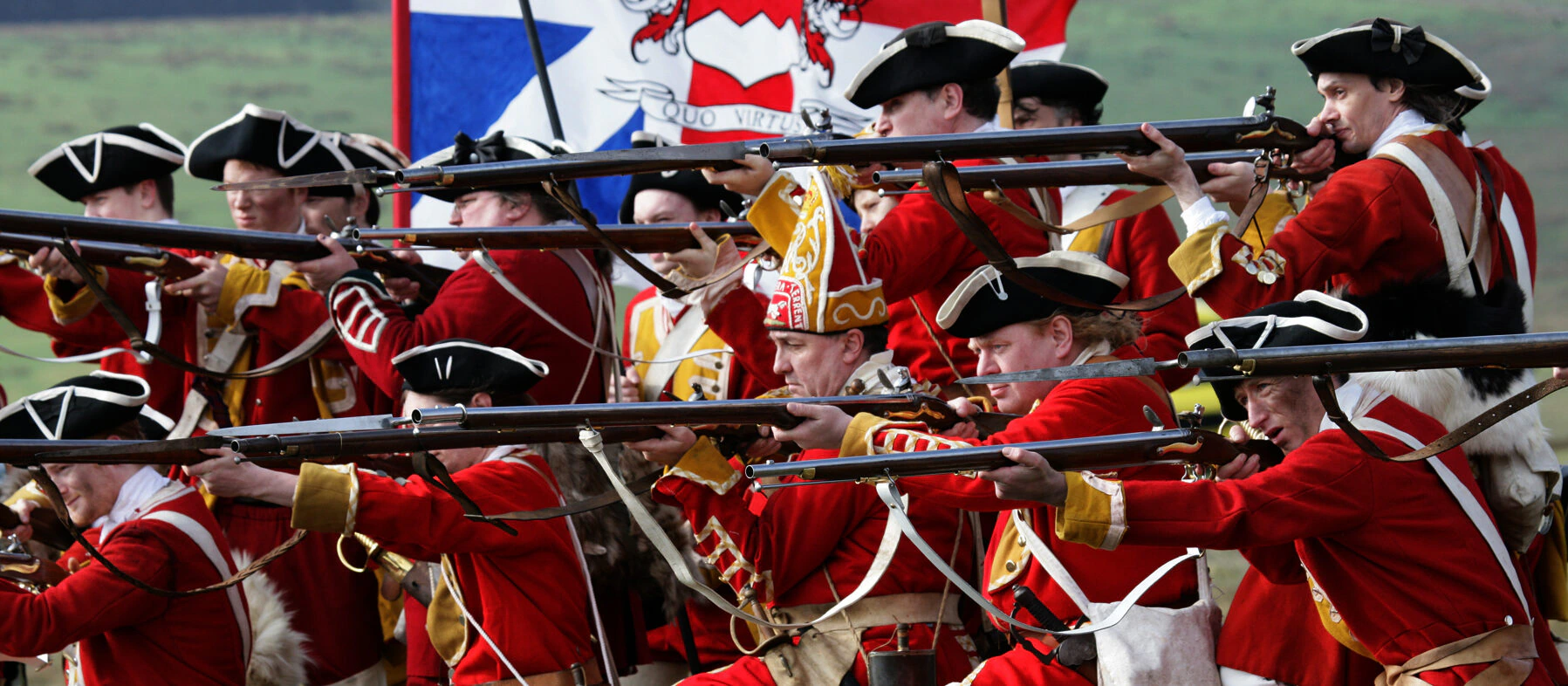
If there’s one conflict with wide-ranging consequences engrained in the English psyche, it’s the Battle of Hastings, the decisive Norman conquering of the English army under the Anglo-Saxon King Harold Godwinson, on 14 October 1066.
“It’s a date everyone remembers from school, even though they’re not sure of the significance of what happened next,” says Roy Porter, senior properties curator for English Heritage in south-east England, who leads the team that looks after and interprets Battle Abbey and the landscape.
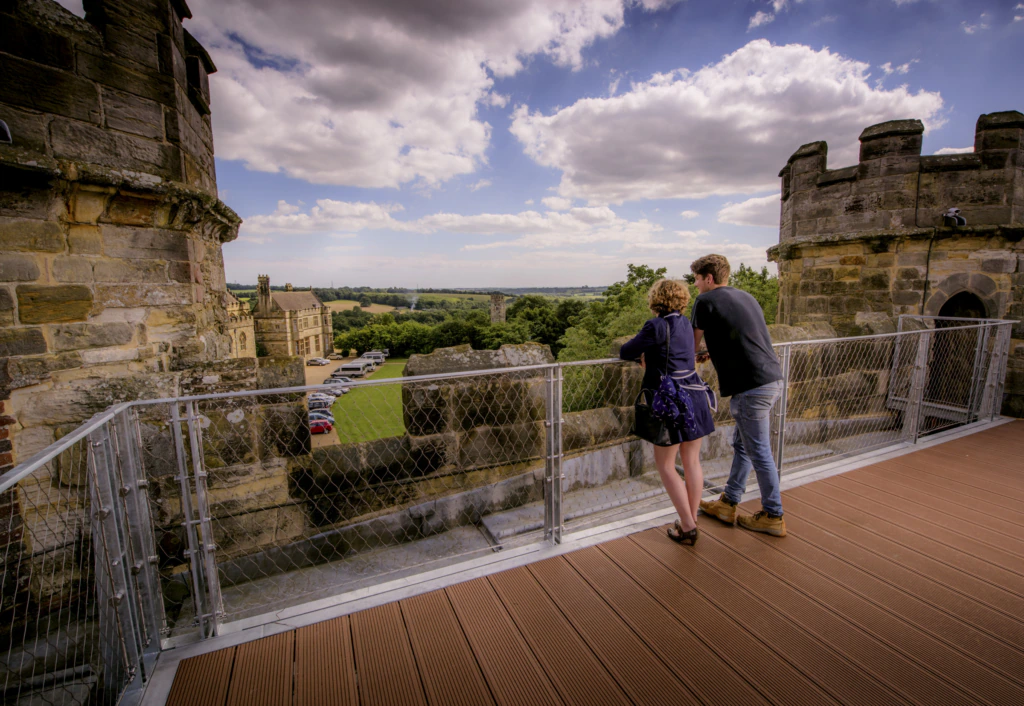
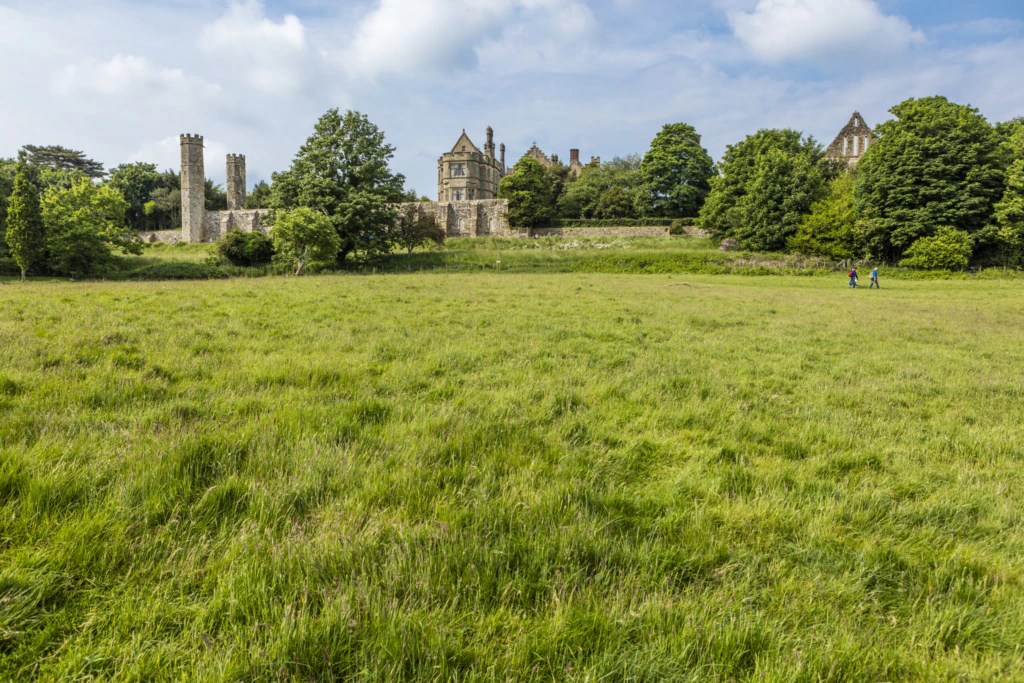
“It’s a huge area with ruins, cloisters, a gatehouse and monks’ dormitories that has been continually occupied since the 11th century,” he says. “Conservation of all the buildings is our major concern, but there is also an amazing landscape of parkland, a woodland area and monastic fishponds with biodiversity that we really want people to appreciate and understand.
“We make sure everyone can move around without spoiling what makes the place so special.”
Porter says that this work is not a straightforward operation in a location that is, in effect, a centuries-old giant graveyard.
“There are sensitivities to take into account,” he explains. “For a long while, Battle was a monastic site which, for some visitors, is emblematic of a challenging aspect of medieval Christianity. The scars of the Reformation are still raw for some people.”

Others, Porter says, continue to feel keenly what they see as the awful treatment of the English on the day of the battle and over subsequent years, choosing to lay flowers on the altar of Battle Abbey, traditionally the spot where Harold’s body was found.
Advertisement
“Some of the messaging can still be a little inflammatory, along the lines of ‘the last true English king’. The defeat is a painful episode to this day.”
What can be agreed by everyone, however, is that the battle itself was a truly terrible event, Porter says.
“The descriptions we have are blood-curdling; it was close-run and the damage inflicted by the weapons of the day were horrendous. Obviously, we want visitors to enjoy their time here but we also want to provide them with the opportunity to reflect on the reality of what transpired.
“In the visitor centre, we show a film of a reconstruction of the battle and it’s quite a sobering experience as it’s not triumphalist or flippant and gets across in a palatable way the awfulness of 11th-century combat.”
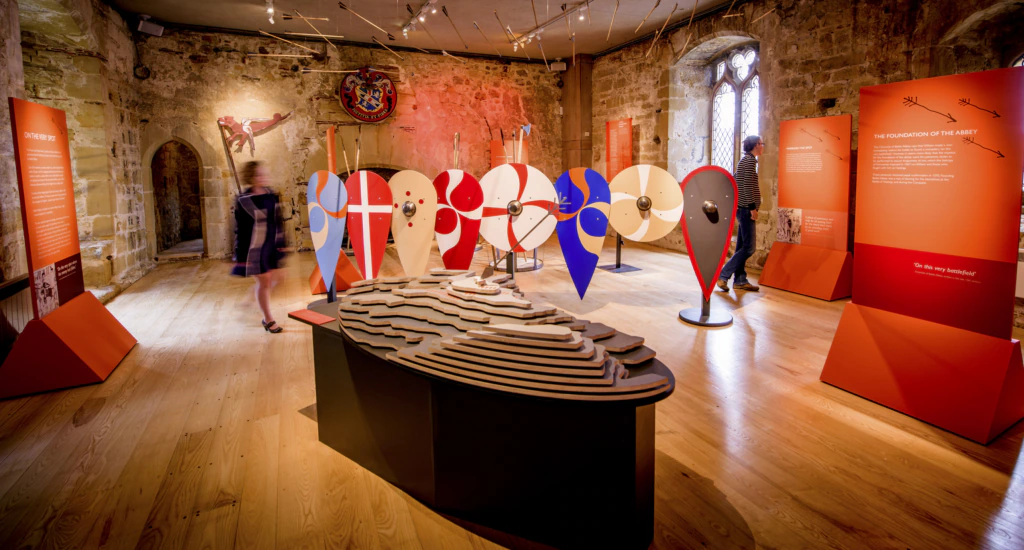
Along with the written accounts of the battle and its aftermath, the Bayeux Tapestry provides another source of information.
Advertisement
Porter says: “It’s like having a comic strip describing the events. It was made in England but it’s told from a Norman point of view. Interestingly, the battle imagery is all about cavalry, yet we know from written accounts that the English were a skirmishing force that fought on foot.
“This was probably done because the intended audience would have been knights and the aristocracy who all spent their lives on horseback.”
The famous arrow-in-the-eye death scene of Harold was also subject to a little medieval jiggery-pokery, he adds.
“I don’t think we can trust that one; early engravings of the tapestry before restoration show a figure holding a spear, which became an arrow over time. The story exonerates William the Conqueror from being the killer of an anointed king.”
Visitor centre displays also explore how England and Normandy were two entirely different cultures in the 11th century, while piecing together the dynastic debacle that was Anglo-Saxon monarchy after Edward the Confessor.
Out in the field, audioguides, interpretation panels and life-size wooden figures of English and French knights on the horizon help to ignite the imagination, Porter says. “This is a place where history tells stories about ourselves and people respond in unexpected ways.”
Advertisement
The not-so-civil war
Many other British battlefield sites are not so accessible to the public, however.
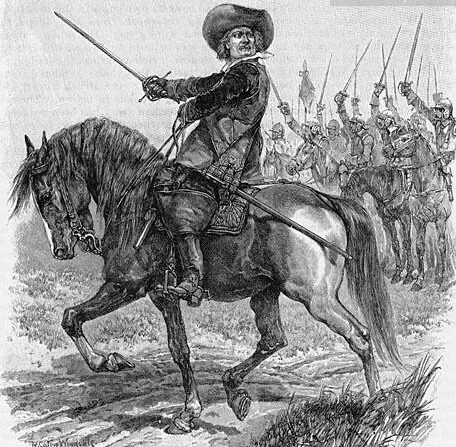
The battle of Marston Moor – the largest skirmish ever fought on English soil – took place on what is now agricultural land near York owned by a number of different farmers with differing attitudes towards the history on their doorsteps.
“We are always very conscious of securing the right permission to guide people around,” says Louise Whittaker of Battlefields Trust Yorkshire Region. She’s referring to the fields and moorland where, on the evening of 2 July 1644, the royalists lost control of the north of England during the civil war.
“I have an agreement, for example, with the farmer who owns Cromwell’s Plump – a group of trees thought to be the site of the Parliamentarian command post – that I can have permission to lead walks on specific dates.
“Unfortunately, another landowner wants nothing to do with the battlefield, in contrast to his predecessors who actually adapted one of their barns into a visitor centre with a hospitality area, which we have now lost.”
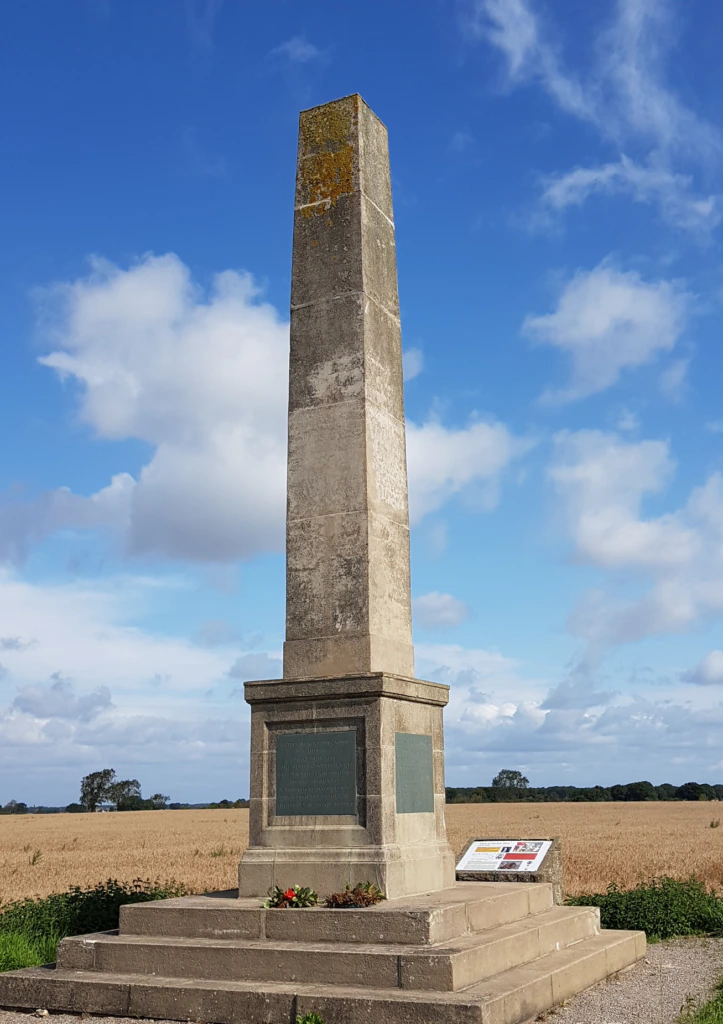
The focal point is now a monument to the fallen. This was erected by the Cromwell Association, which also worked with the trust on interpretation boards in the public areas of the site which, says Whittaker, has a unique atmosphere on misty mornings.
“You look over a place where 3,000 people died and many lie buried. There are a few ghost stories and sometimes you can feel you’re being watched in a strange way. We maintain objectivity in all we do and treat the atrocities as part of wider history.
“There are many written accounts of what happened at the time and the Sealed Knot re-enact the battle and lay a wreath on the anniversary each year.”
Whittaker says the future of many such sites is threatened by the very 21st-century charge of rural development.
“The trust has written to all local authorities with registered battlefields asking to be notified when applications are made that could affect the locations,” she says. “It’s a concern, for example, that small developments given the go-ahead on large battlefields result in people subsequently seeking ever-increasing chunks of it.
“Some people do say ‘it’s only a field’, but these events have resonated over the centuries,” Whittaker continues. “One of the greatest safeguards is investing local communities in them so that we can continue to remember who was fighting for which cause and what the long-term effects have been.”
Put to the sword
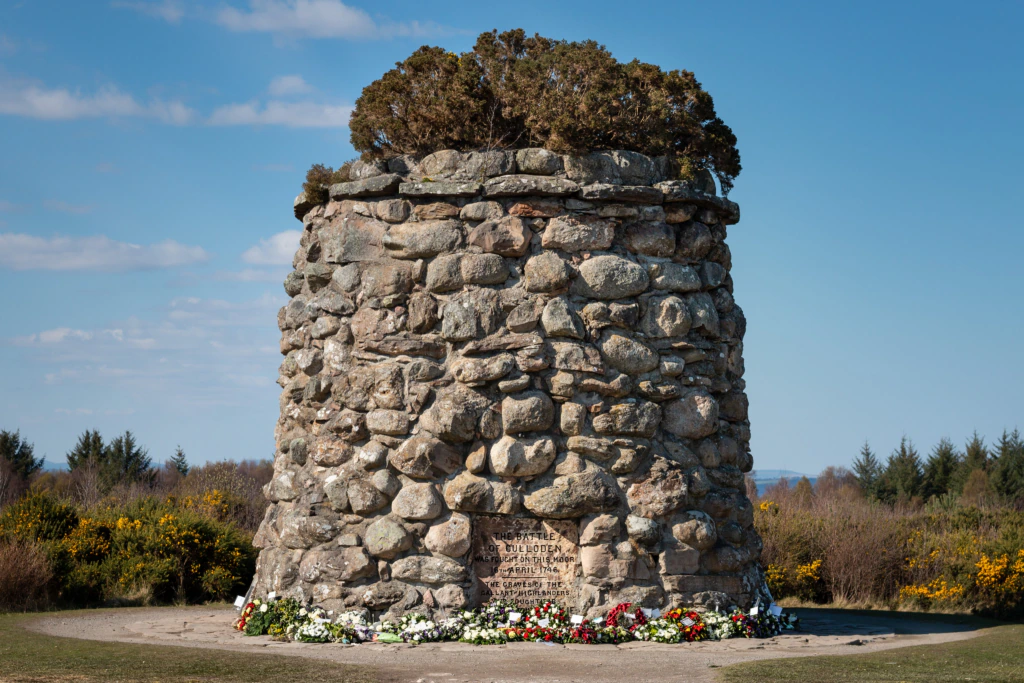
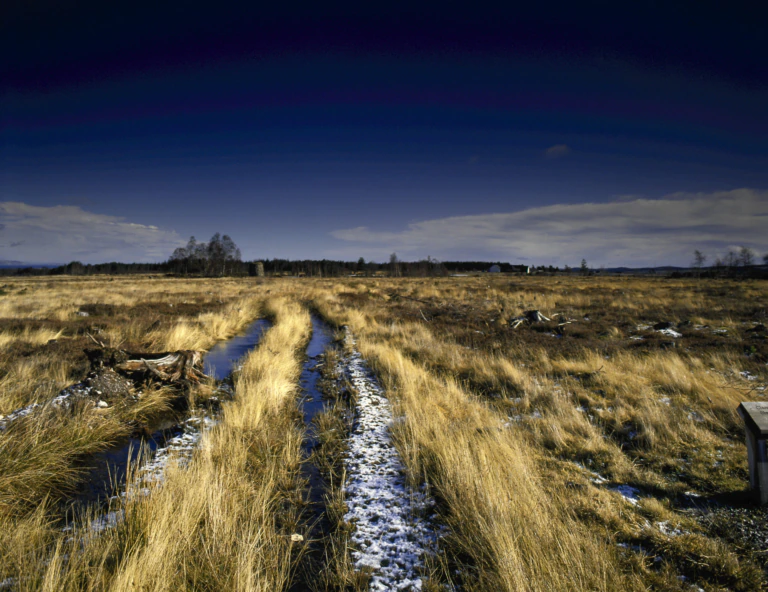
Our unpredictable climate has a role to play at Culloden near Inverness where the Jacobite rising – the rebellion aimed at restoring the House of Stuart to the British throne – was put to the sword by the government army in a bloody battle that lasted just an hour on 16 April 1746.
Culloden and its visitor centre is managed by the National Trust for Scotland (NTS) and is a big draw for visitors to the Scottish Highlands.
“It’s an incredible experience to stand out on the fields on a sunny day among the beautiful wildflowers with the skylarks singing overhead,” says Katey Boal, the former visitor services manager at Culloden, who recently left NTS after more than a decade with the organisation.
“Alternatively, it’s just as impressive when it’s heavily overcast with rain coming over the glen and pounding into us. The battle itself was fought with snow hammering sideways into the soldiers’ faces, after all.”
Guided tours of the battlefield are tailored to the interests of different parties, Boal says.
“We explore the real stories of real people, talking to visitors very honestly about what happened here. It’s a difficult and challenging piece of history and people often become very emotional.
“It’s a story of civil war that changed the course of British, European and world history. We hope that by interpreting what happened here, we can help people have a better understanding of what’s still happening around the world.”
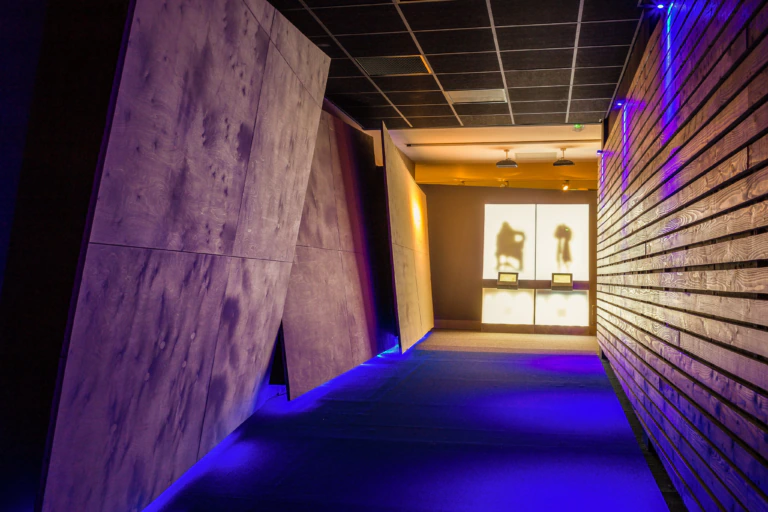
The visitor centre boasts an immersive theatre presentation where blood-curdling combat encircles sightseers who are also invited to handle weaponry and explore personal testimonies associated with the battle.
“There are many ways into the story so everyone can engage with it in a way that feels right for them,” says Boal, who adds that visitors are often keen to share their own intimate connections with the events of the mid-18th century. “Making such an event relevant to a person and their world is a powerful and memorable experience, but we are mindful that people come for different reasons, so we carefully balance sensitivities.”
No museum experience worth its salt is complete without a trip to a cafe and a retail opportunity, of course, and Culloden does not disappoint.
Boal says: “The shop features products such as jewellery, tartan and ancestry scrolls, gifts grounded in Scotland and the story of the battle, while the cafe has a Culloden whisky to warm weary walkers after what can often be a very cold hike around the battlefield.”


German naval attack
There are no bomb craters or muddy dugouts at Heugh Battery, one of the first world war’s lesser-known legacy combat zones. Heugh is not located among the killing fields of the western front; it is, in fact, on a headland on the north-east coast of England.
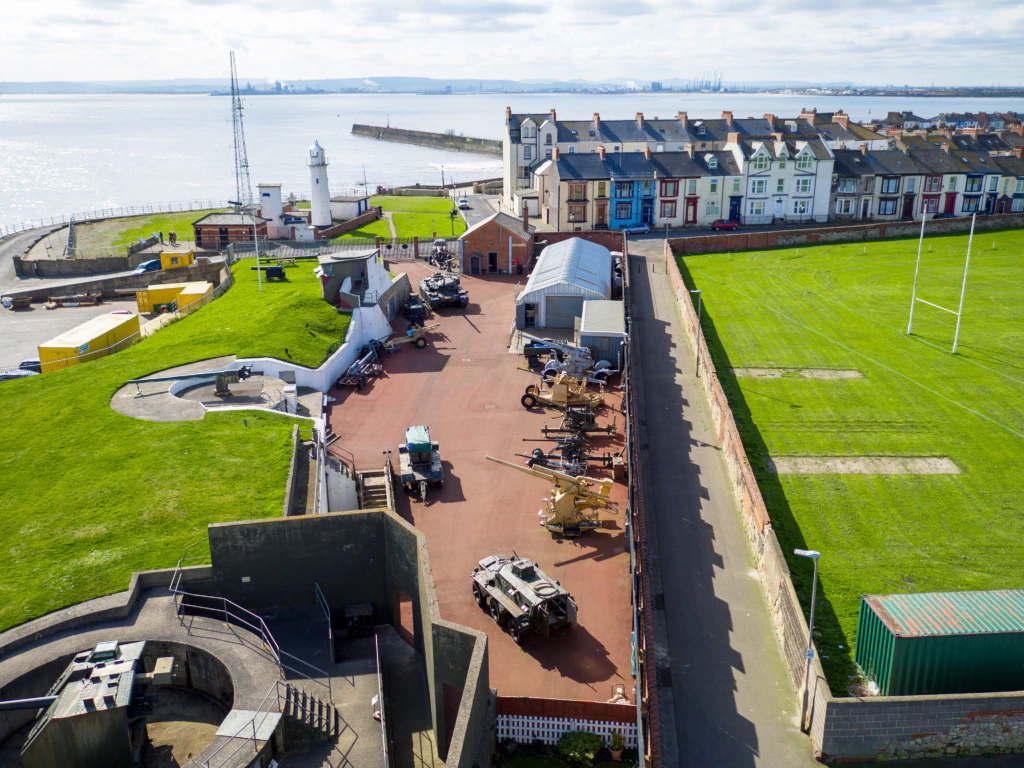
Alongside a picturesque lighthouse and neat rows of terraced housing, its historic heavy-duty artillery angrily gestures towards the North Sea in defiant remembrance of the day the Great War came to Hartlepool.
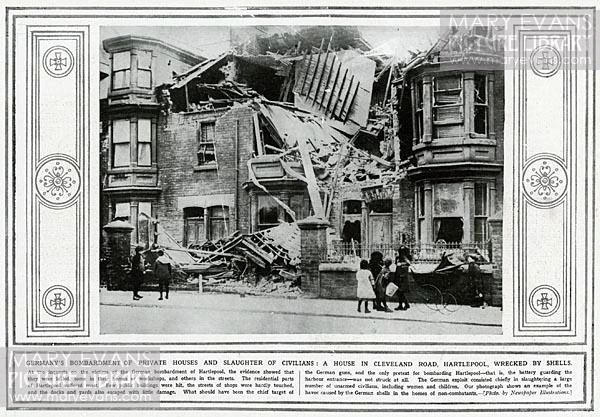
On the morning of 16 December 1914, the Imperial German Navy launched a ship-to-shore attack, firing more than 1,000 shells that largely destroyed the town, killing more than 100 residents and wounding hundreds more.
“The Germans wanted revenge as the Royal Navy had given them a bloody nose down in Argentina,” says Diane Stephens, manager of the Heugh Battery Museum.
“They damaged our docks and factories as well as shipbuilding and steel-making industries. We were considered a legitimate target because we were defended by the battery, which was constructed in the 1860s to protect us from French attacks.”
Nearby, Whitby was also bombarded even though it was undefended, while Scarborough was considered a target because of its medieval castle, she adds.
“Far from being a propaganda victory, the action received a lot of negative press, even in Germany, where the mood was against the shelling of innocent people,” says Stephens, who reports that the Hartlepool guns exchanged fire before the Germans disappeared into the mist.
“First Lord of the Admiralty Winston Churchill wrote a stirring letter to the mayor of Scarborough, calling the Germans ‘baby-killers’, while ‘Remember Scarborough’ became a rallying cry for army recruitment posters,” Stephens says.
Today, visitors to the Heugh Battery Museum come from far and wide to learn more about the site where Private Theophilus Jones – a young headmaster who had volunteered to join the Durham Light Infantry at the outbreak of war – became the first English soldier to die as a result of enemy action on home soil for nearly 200 years, she says.
“A lot of people from around the region wander in and are amazed to find out about what happened here in 1914,” Stephens says. “We also have a lot of people from overseas who are interested in us as one of the surviving Palmerston follies, the forts built in the late 19th century.”
The museum is housed in the old barrack room, while the parade ground boasts some impressive military hardware as well as spectacular views up and down the coast.
“In what used to be the underground magazine area, we have a film about the bombardment and armoury displays telling the broader story of warfare,” says Stephens. “We have everything from 17th-century muskets to modern machine guns, a second world war Anderson shelter and a 1960s Chieftain tank
“With school visitors in mind, we trace the history of conflict and look at how the military used and often drove new scientific discoveries and how medicines evolved.
“There are all kinds of ways we can talk about war, but we’re very careful not to glorify it. There’s a fine line between telling exciting stories and not understanding war’s long-term impacts.
“We are very respectful but we are an attraction and we run a variety of events to raise the money we need to stay open so we can keep commemoration at our core.”
On 16 December each year, the museum and community remember those who died during the bombardment. The names of the 37 children under 16 who perished are read aloud.
Meanwhile, the battery has another fight on its hands – this time against the great British weather.
“Oh my goodness, the salty air and the rain and military hardware do not sit well together,” Stephens says. “Our magazine and battery command posts are scheduled monuments and maintenance costs are high. Preserving the fabric of the concrete and metalwork is a battle.”
John Holt is a freelance journalist