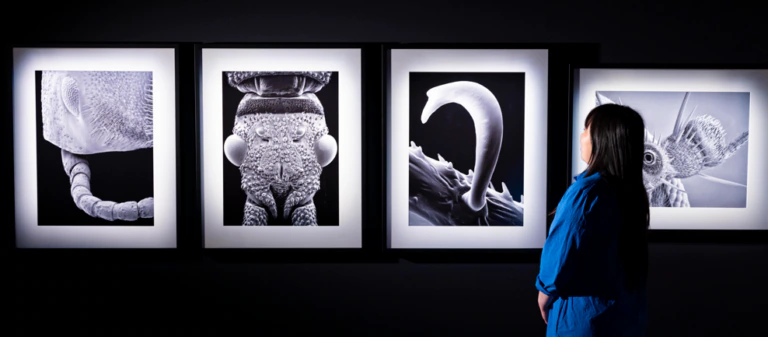
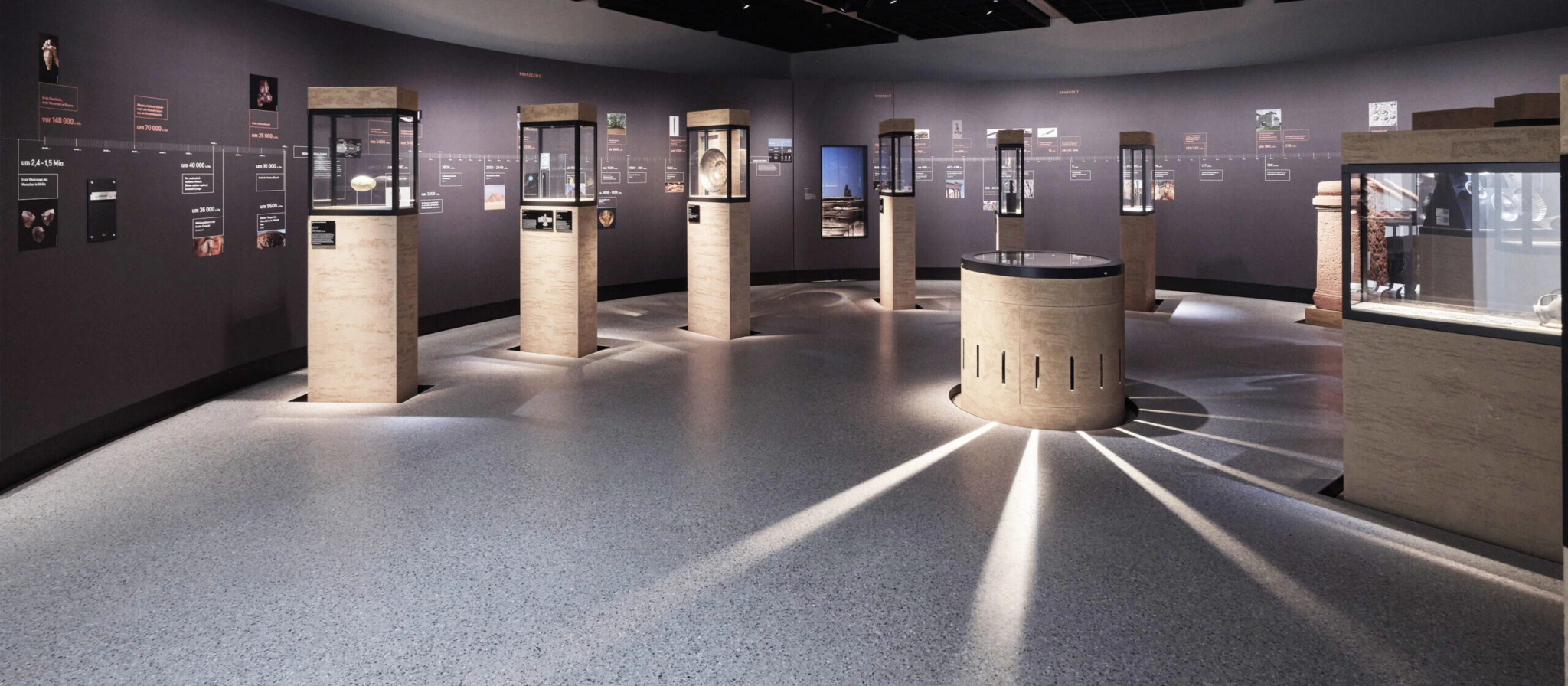
The redevelopment of the Archaeological State Collection in Munich was a huge and complex project that took eight years to complete. The museum, which houses one of Europe’s most significant collections of prehistoric and early historical material culture, closed in 2016 and reopened in spring 2024.
Established in 1885 from the private holdings of the physician and anthropologist Johannes Ranke, the institution collects, preserves and provides public access to archaeological finds from across the state of Bavaria, covering all historical eras from the ice age to the recent past.
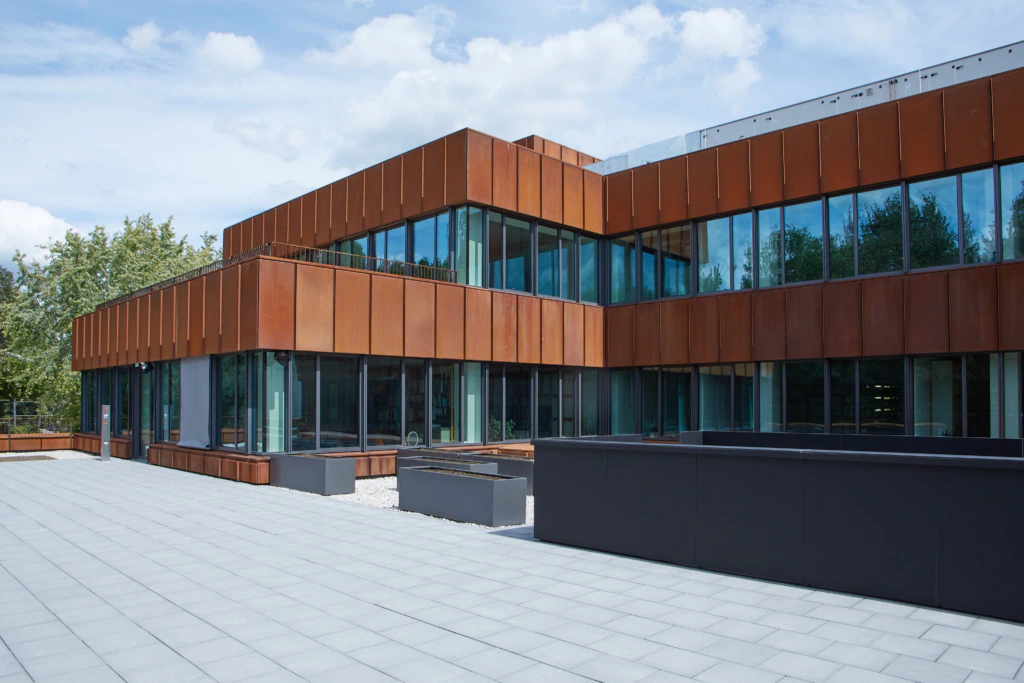
In 1976, the museum moved into its current building, which sits next door to Munich’s English Garden, one of the largest urban parks in the world. But by 2016 the building, well-known for its rust-coloured steel exterior, was in need of updating.
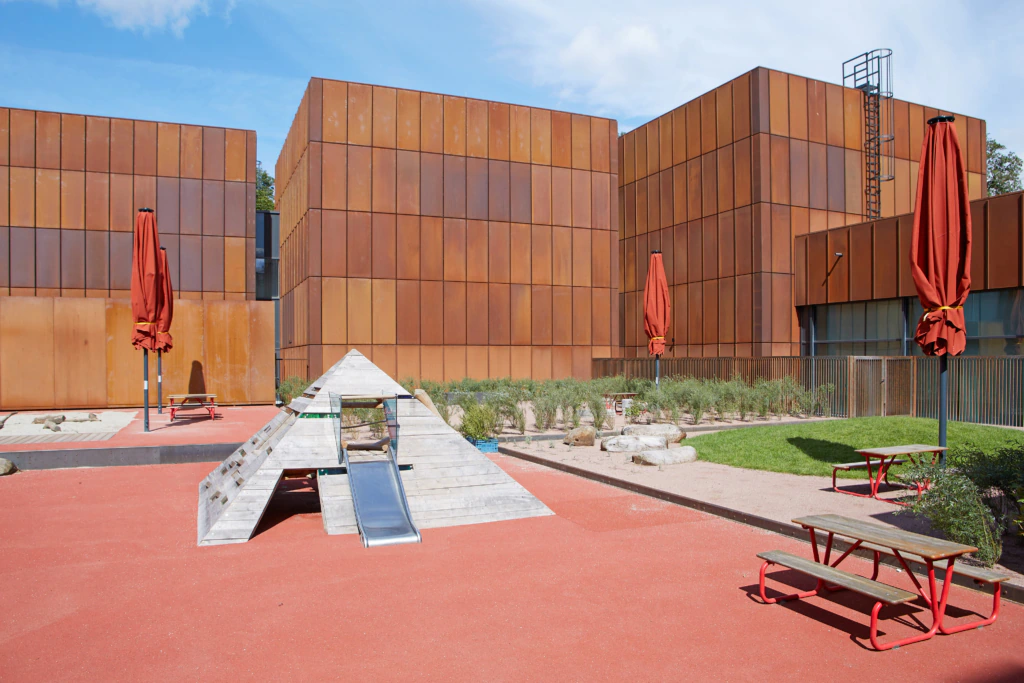
The project included an interior redesign, the addition of a 600 sq m underground hall for special exhibitions, and a new entrance “cube”, along with eco-friendly features such as roofs planted with greenery to shelter the insects that thrive in the English Garden.
In addition to its central site, the Archaeological State Collection operates eight branch museums across all regions of Bavaria.
Advertisement
Museums Journal spoke to the institution’s director, Rupert Gebhard, to find out more about the redevelopment and the work of the museum.
Rupert Gebhard
Director, Archaeological State Collection
What does the museum offer visitors?
Rupert Gebhard: The collection contains more than 20 million objects from all eras of Bavarian history, from the beginning of human activity around 150,000 years ago to the recent past – the most recent object is a 10 pfennig coin from 1977.
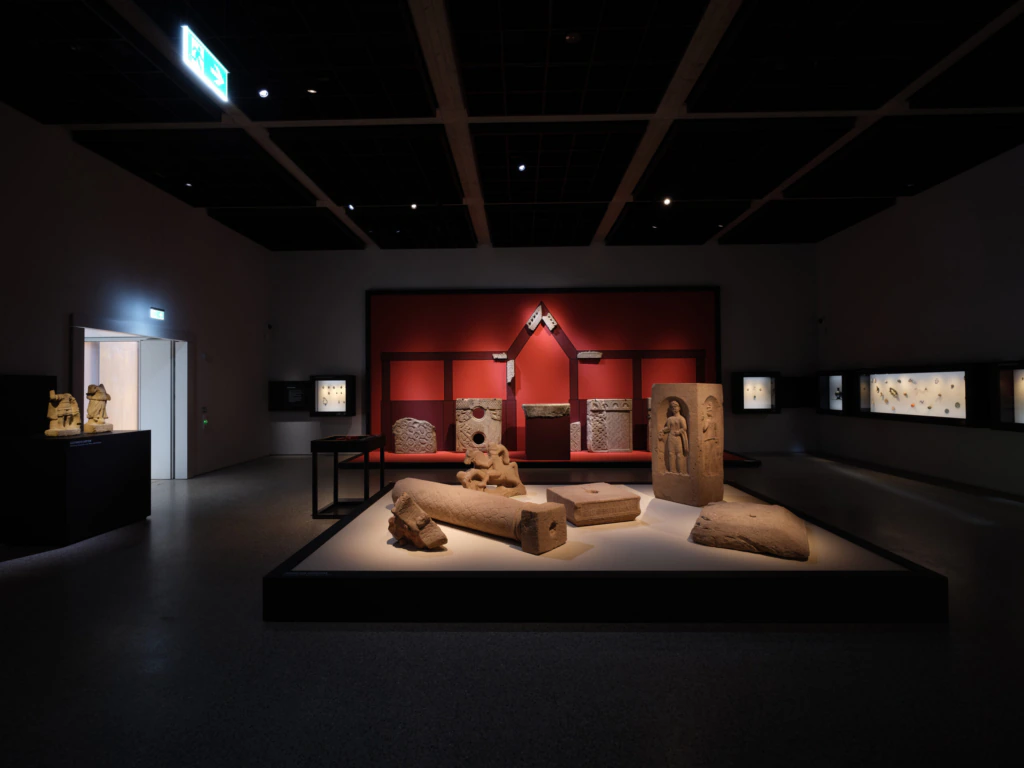
The exhibition, however, can only show around 20,000 archaeological artefacts – still an impressive amount. Our museum mission statement best describes what we want to offer our visitors. We have a vision of an archaeology of the future: we are an entertaining and educational place that sparks curiosity and enthusiasm for the treasures of the past. We make our finds and research data accessible to everyone – in the museum and digitally.
What were the main goals of the redevelopment?
Forty years after the construction of the exhibition and office building of the former Prehistoric State Collection in the mid-1970s, the building was getting on. The technical installations had to be renewed, a complete energy refurbishment was carried out and new barrier-free access was created in the public and non-public areas.
Advertisement
At the same time, the spatial concept was adapted to the standards of modern museum architecture. We also wanted to take the opportunity to create a large special exhibition area. With our ultra-modern, 600 sq m column-free hall, we succeeded in doing just that.
Can you tell us about the architecture of the building?
The original design of the building, with its striking orange-red steel facade, was created by the renowned architectural studio of Werz, Ottow, Bachmann and Marx in the mid-1970s. The internationally renowned architect firm Nieto Sobejano Arquitectos was commissioned to extend the building complex. It was extended to include the special exhibition hall, the only one of its kind in Munich.
The main entrance to the museum was accentuated by a new building cube, while the corrosion-resistant Corten steel on the facade was retained. The international studio Atelier Brückner redesigned the entire interior of the museum, including the permanent exhibition.
What is innovative about the new museum?
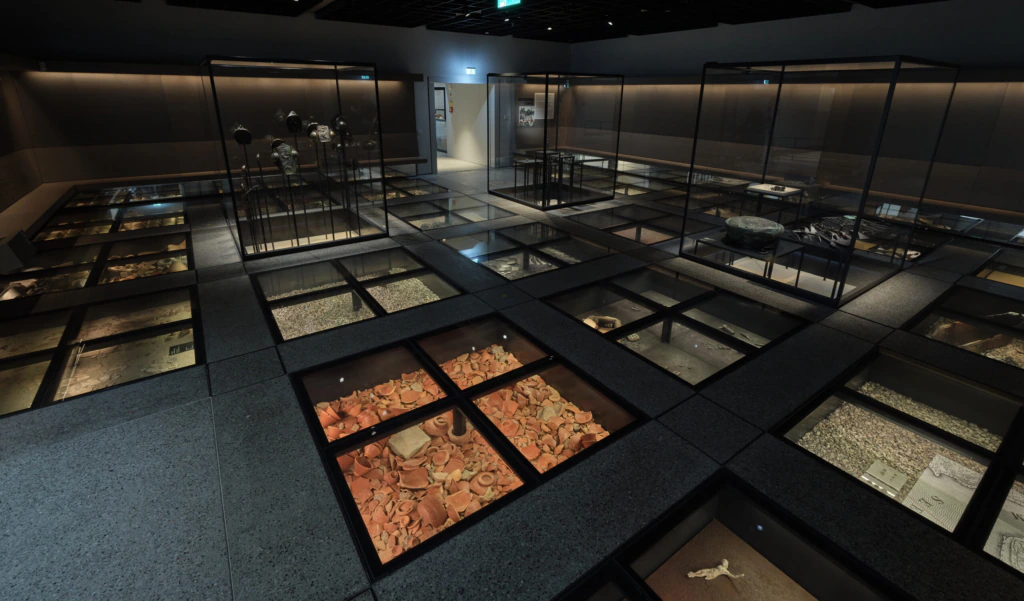
The permanent exhibition should respond to the needs of a modern museum audience. With a mix of original objects, which are at the centre of the exhibition, digital media stations where visitors can actively explore the past themselves, and hands-on workstations where they can grasp and move things – we really do have something for everyone.
Advertisement
There are also several digital audio tours and an adventure game where visitors can immerse themselves in the past using augmented reality. It is a wonderful combination of education and entertainment.
What are the highlights of the collection?
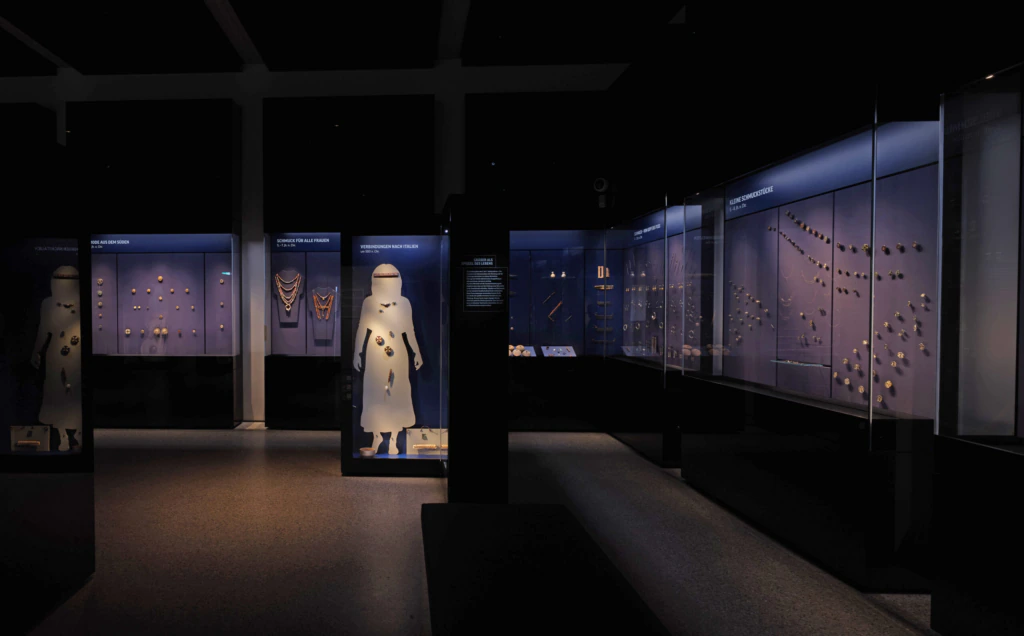
It is difficult to name a handful of highlights from the almost 20,000 individual artefacts on display in the exhibition. The spectrum ranges from the oldest stone tools of the ice-age nomads to precious gold objects from the bronze age, from the burial chamber of an iron-age prince to magnificent Roman weapons and from Celtic coin treasures to a medieval mummy.
We have tried to help visitors discover their own personal highlight. Perhaps our one-hour digital audio tour can help, which takes in fantastic curiosities and valuable artefacts – and whets the appetite for more.
What are the challenges of interpreting and displaying archaeology?
With our innovative exhibition concept, we not only want to show the material spectrum of people in the past, but also to make clear how people dealt with their environment, their fellow human beings and social challenges. It is, therefore, also important to always create a contemporary reference. We have succeeded in doing this through the thematic structure.
The Archaeological State Collection is creating a cutting-edge cultural experience for everyone through its consistent digital strategy. It opens a digital door to the needs, wishes and demands of all visitors and reacts dynamically to public behaviour.
Above all, the renovation has created completely new spatial possibilities for us. The special exhibition area, for instance, offers promising opportunities for fantastic museum experiences.
There is also a lot more room for innovative museum education concepts. Digital stations allow visitors to participate in the museum and open up completely new worlds of discovery.
And finally, we now have a modern gastronomic offer that is beautifully situated on a roof terrace overlooking the English Garden. Most of all, however, it offers space for encounters, communication and education for everyone.
As a future-orientated space of knowledge, communication and critical dialogue committed to the study of the past, the Archaeological State Collection faces up to its responsibility to society as a whole. We show and research the past in order to shape the future.
How have visitors responded?
We have implemented a digital visitor survey tool in which visitors can leave feedback, criticism and suggestions after their visit.
The feedback is important for us to further develop the experience for visitors and to adjust the exhibition to their needs. The feedback is largely positive and in some cases even enthusiastic.
The online ratings of 4.5 out of 5 stars are also an acknowledgement of a great exhibition and of a fantastic performance by the team.
Project data
Cost
€66m
Main funder
Bavarian State Ministry of Education and Culture, Science and the Arts
Architect
Nieto Sobejano Arquitectos
Interior exhibition redesign
Atelier Brückner
Project management
Munich 1 State Building Authority
Exhibitions
Planet Africa – An Archaeological Journey through Time, 16 May to 28 September
Admission
Adult €7 (€1 on Sundays); concessions €5 (€1 on Sundays); under 18s go free