Thames River Police Museum
The waterborne origins of the oldest police body in the world

Rob Jeffries
Honourary curator, Thames River Police Museum
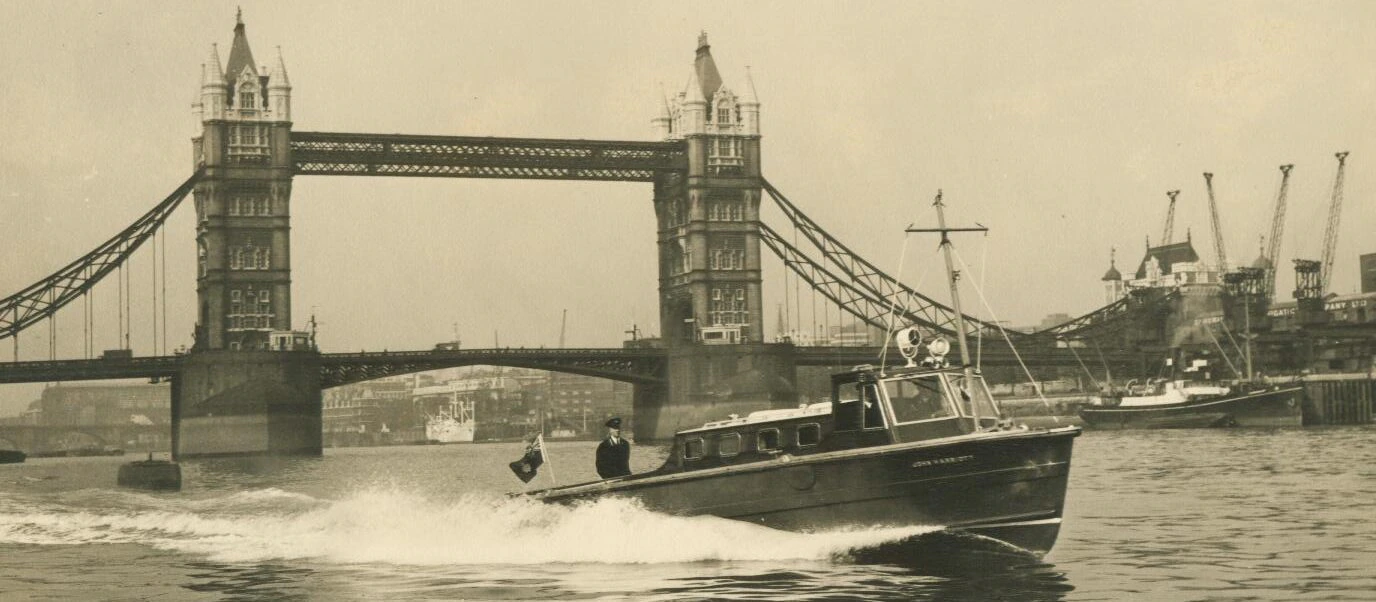
Rob Jeffries guides visitors around the Thames River Police Museum with the same reassuring manner he deployed when he patrolled the famous waterway in uniform.
Now the honorary curator of the museum – which is based in the Metropolitan Police’s Marine Police Unit at Wapping in east London – Jeffries served 32 years in the Metropolitan Police, latterly as an officer with what used to be known as Thames Division.
He took to the water in 1988 after stints on the London beat and in diplomatic protection, his sheer enthusiasm for the new role making up for a pronounced lack of the maritime experience expected at the time.
Advertisement
“I knew nothing,” he says, “and my long-suffering trainer had to go through everything from how the tides behaved to how boat engines worked. I quickly discovered that, rather than being a dangerous occupation, the job was all about trying to avoid precarious positions.
“You see people at risk and you either dissuade them from what they’re doing or show them a better way of doing it. When someone’s in the water for whatever reason, they’re normally quite grateful when help arrives. It’s a much more sobering, colder experience than you might imagine.”
The museum tells the story of what is thought to be the oldest organised body of police in the world. It was formed in 1798 and funded by West India merchants to combat the crime in and around the docks that was costing them a fortune.
The government at the time frowned on policing against the will of the people but soon changed its tune when the fledgling force saved it considerable sums in duties and taxes.
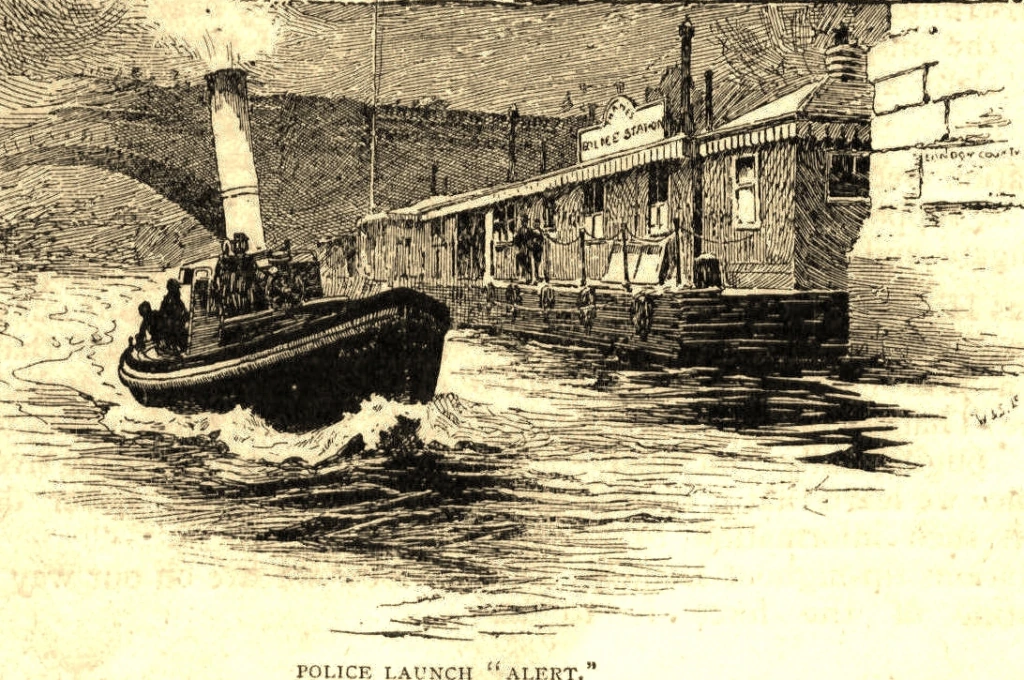
“Cities around the world were quick to take notice and the idea took hold across the empire and London got its own police force 30 years later,” says Jeffries who presides over a collection that includes poignant items alongside the artefacts and memorabilia.
Advertisement
“We have the ensign that adorned the Princess Alice, the pleasure cruiser involved in this country’s worst inland waterway tragedy, which took place in 1878,” he says. “It was preparing to drop off passengers at Woolwich Jetty when a collision with a cargo vessel occurred, probably because of a lack of understanding of commands.
“Around 640 people died – a vast number – probably due to ingestion of the huge amount of raw sewage in the water. Some survived, but we don’t know for how long,” says Jeffries, who adds that the river is a more pleasant working environment these days.
“The tidal section would once have been devoid of life but there are now some 130 species of fish happily swimming about,” he adds.
Jeffries – who was on duty the day the Marchioness pleasure boat sank in 1989 with the loss of 51 lives – has watched the job change beyond recognition, too.
“In my day, the role was patrolling the Thames but officers now have to deal with different hazards, such as direct-action demonstrators climbing bridges and the like. You really have to know how to deal with the public.
“It’s also quite possible now that they can receive a Home Office request to take a boat down to Dover to assist Border Force, which requires a whole new level of navigation skills to work on the open sea,” he says. “It would be a bit embarrassing if a police boat got stuck on a sandbank.”
Advertisement
Bow Street Police Museum
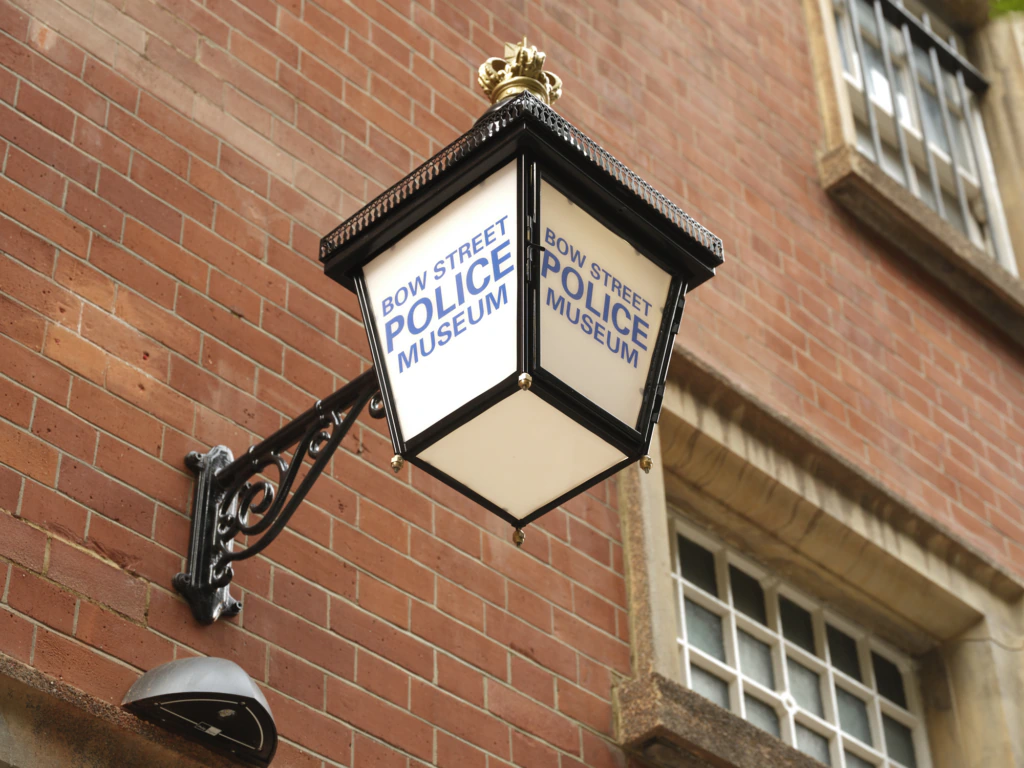
The Bow Street Runners are among this museum’s stories, along with notorious inmates

Ciara Meehan
Museum coordinator, Bow Street Police Museum
Former officers play an important role in the operation of Bow Street Police Museum in London’s West End.
“Alumni networks hold regular reunions and they give us advice and an insight into what working life was like here to help with our displays and exhibitions,” says museum coordinator Ciara Meehan.
“It’s a trip down memory lane for them. Every week, someone who has a direct link to the old station and magistrates court comes in, whether they worked in law enforcement or spent a night in the cells.”
Care is taken when visitors recall the latter, says Meehan. “There’s no judgment here when people are sharing their stories as we’re aware that while some people can laugh it off as a daft, drunken escapade, there are others whose lives were irrevocably changed by the experience.
“We know the legal system doesn’t always work for people and is not always applied fairly, so we try to keep our discussions open and make sure that extends to the language we use in our interpretations.
“We don’t, for example, refer to anyone as a criminal – you could have spent the night in a cell and left the next morning with no charges against you.”
Criminal motives
Bow Street is a popular destination for visitors drawn by the central role that the grand old police station and famous magistrates court played in the crime story of London. A few are also curious about the notoriety of the thoroughfare that placed it on the traditional Monopoly game board.
“We trace the story back to the original nightwatch service, which was wholly ineffective,” says Meehan. “Armed with just a bell and a rattle, they basically just sat there, waiting for crimes to be committed.
“The famous Bow Street Runners were formed in 1749 by the novelist Henry Fielding who, as a local magistrate, realised that he needed volunteers to bring him people accused of crimes to ensure he was successful.”
An original cutlass used by the Runners is a star exhibit, she adds. “It was up to individual officers to arm themselves and while some went for a pistol, the majority preferred the short sword, which was both ceremonial and very intimidating,”
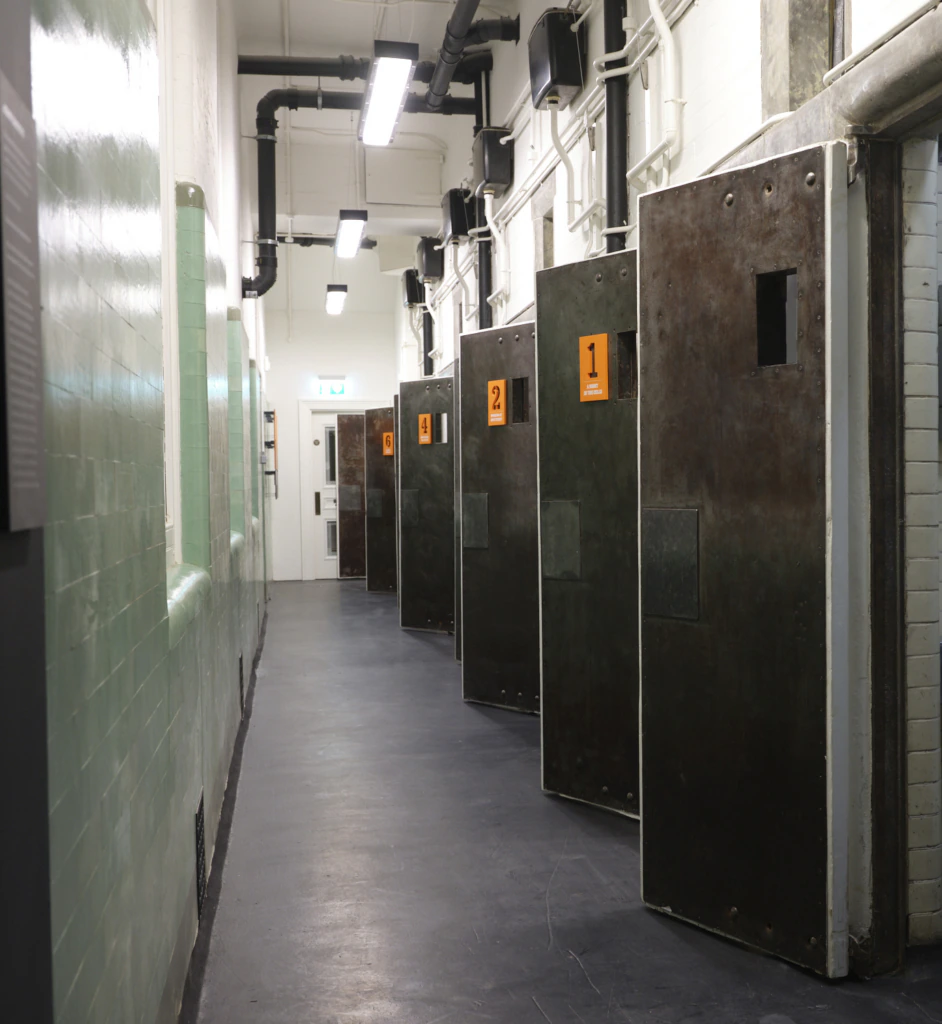
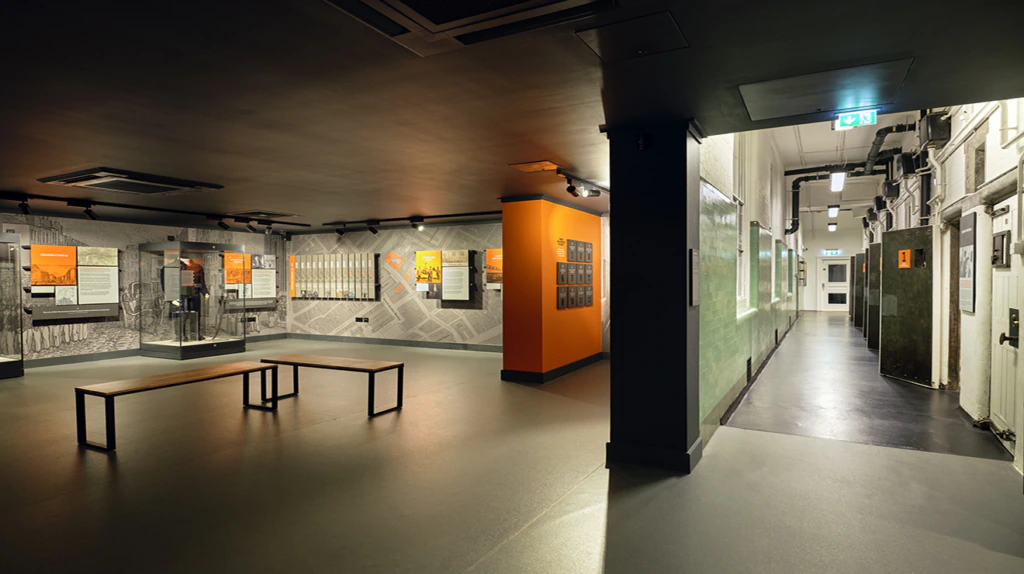
Alongside the main exhibition space, the original cells date back to 1881 and are used to tell stories of developments in the police force. These include the first killer caught with the use of an indentikit face drawing and shocking incidents, such as the murder of PC Yvonne Fletcher outside the Libyan Embassy in London 40 years ago.
“As visitors walk down the corridor towards the cells, you can hear audible gasps. It can be quite overwhelming. We keep all our cell doors open and even though the ceilings are high, they still feel like compacted spaces,” says Meehan.
Some of the famous and infamous characters brought before the Bow Street beak (18th-century slang for anyone in authority) over the years are also remembered, she adds.
“Operating out of east London, the Kray Twins had all their local police stations watched as the police tried to persuade people to give evidence against them, so the investigation was switched to Bow Street Station, which had a back entrance.
“Successful interviews were secured before the Krays found out, and they subsequently appeared before magistrates here before their case was heard at the Old Bailey.”
Other exhibits include the dock in which writer Oscar Wilde made one of his crowd-pleasing court appearances, as well as records of the many suffragettes who passed through Bow Street’s hefty doors.
“There was standing room only when the Pankhursts and Flora Drummond appeared here following a civil rights demonstration at the Houses of Parliament,” she says.
“Eventually, the line of suffragettes waiting for their cases to be heard spilled out into the yard,” says Meehan, who has noticed another captive audience that can’t resist a snoop around the building.
“The true crime fans are always at the back of the queue. They look as if butter wouldn’t melt, but then they ask their really scary questions and are almost apologetic about their enthusiasm for murder and the darker side of life.”
RNLI Grace Darling Museum
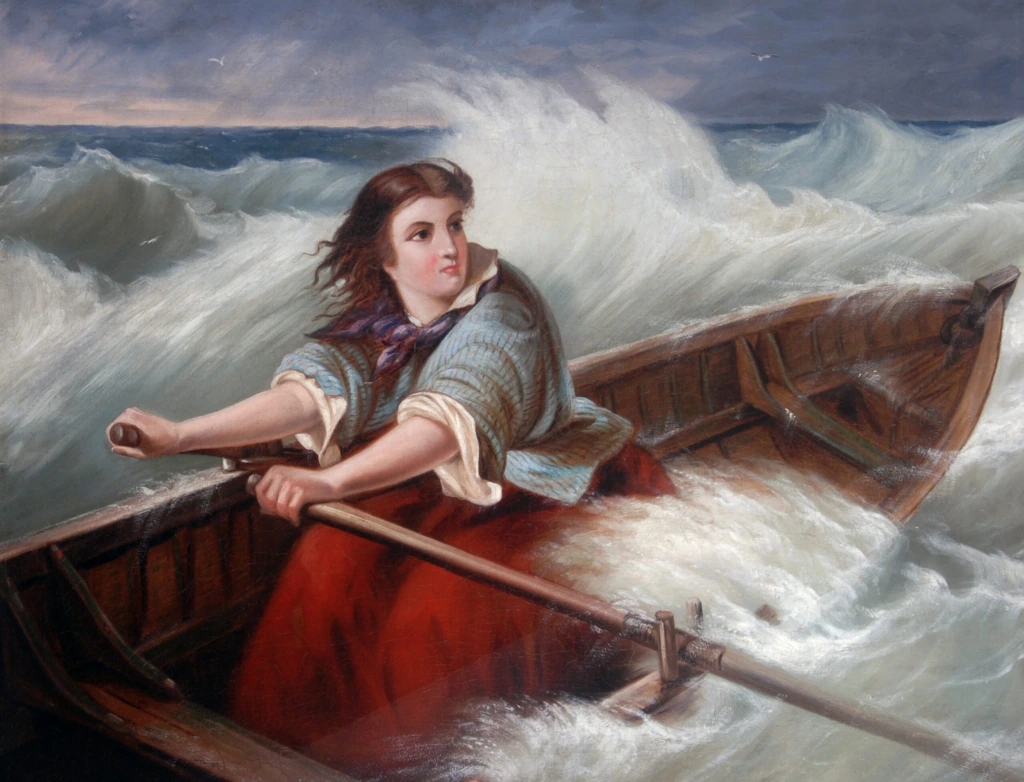
The bravery of lifeboat crews is conveyed through the story of one heroine

Andrew Lewis
Heritage development manager, Grace Darling Museum
For those in peril on the sea, there can be no more comforting sight than the striking orange livery of an Royal National Lifeboat Institution (RNLI) vessel crewed by courageous volunteers who venture out in all weathers to preserve life on the ocean wave. Museums, however, face a challenge in bringing the full force of a dramatic rescue in hostile conditions to the calm environment of their buildings.
“AV can only take you so far, so our focus is very much the human element – the story of remarkable individuals,” says Andrew Lewis, heritage development manager at the Grace Darling Museum in Northumberland.
Darling became one of Victorian Britain’s most famous faces after risking her life to row to the rescue of nine survivors from a shipwrecked paddlesteamer in 1838.
“The rescue was just a small part of her short life that was changed completely as a result, so we tell the background of her fairly simple beginnings as the daughter of a lighthouse-keeper, as well as the impact of her long-lasting fame,” says Lewis.
“Her bravery was one of the first events to catch the public’s attention through national media, and the parallels with having a young Queen Victoria on the throne increased the interest in a young woman who carried out an amazing life-saving feat.”
The admiration and gratitude of the public is reflected in the museum’s collection of gifts, honours and portraits that Darling received. These stand alongside her possessions such as her crib, the books she used when she was home-schooled in the lighthouse, and her letters.
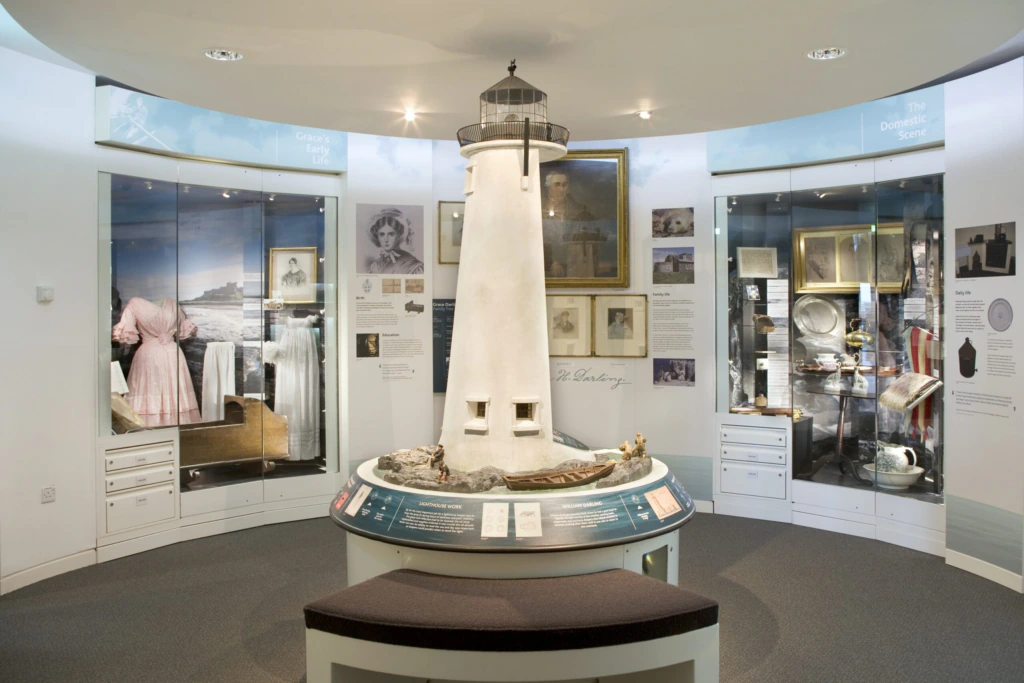
“Everyday things she would have used from childhood to the era of her celebrity,” says Lewis. “Tragically, she died at 26, the theory being that she caught something from a well-wisher who had journeyed to her lighthouse. As she rarely came to shore, she hadn’t had the exposure to diseases common in populated areas.”
Concentrating on individuals provides strong museum narratives that can be brought up to date to play a pivotal role in the 200-year-old RNLI’s engagement and fundraising programmes, Lewis adds.
“We extend our history of Grace Darling to look at the role women have played in the RNLI ever since. Our museum in Whitby opened last year and tells the tale of Henry Freeman, the only surviving member of the lifeboat crew caught in a huge storm in 1861.
“He was the first person to be saved by a lifejacket made with cork. We follow that up with stories of rescue up to the present day, while providing dressing-up stations for kids of all ages to don a uniform, climb aboard a boat and act out their own lifesaving missions.”
Below: a painting of Grace Darling in her coble (a type of traditional fishing boat) as she sets off on her rescue mission
Essex Fire Museum
A sensory insight into the threats faced by firefighters

Dan Bailey
Heritage and volunteer lead, Essex Fire Museum
There’s nothing like a hands-on demonstration to provide an insight into the threats the emergency services have always faced.
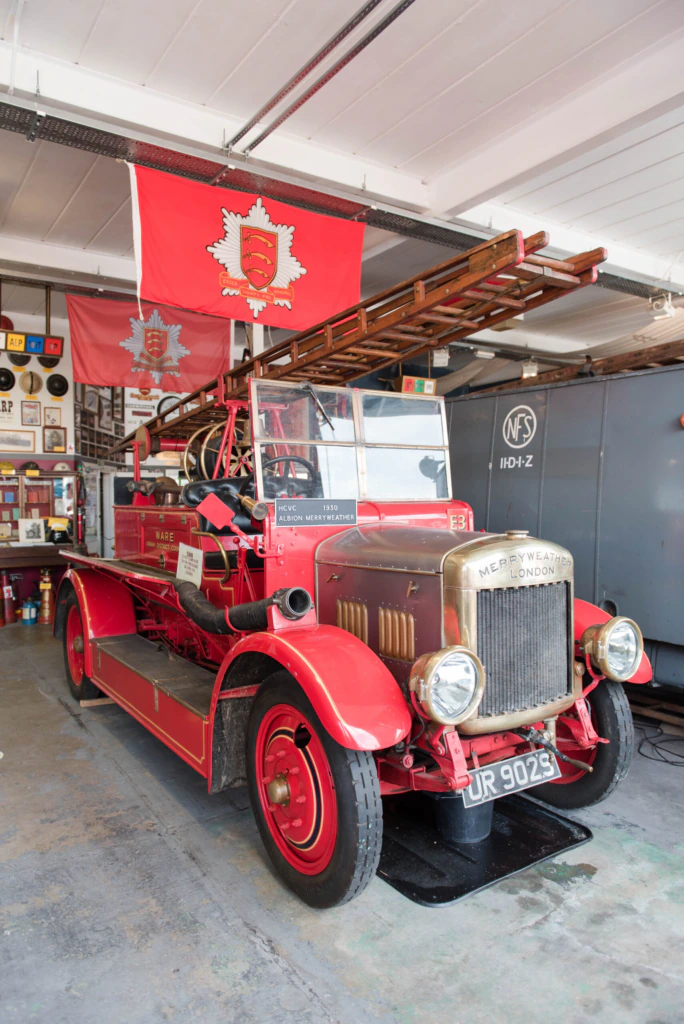
“When we show visitors items like our Victorian breathing mask fed by a bellows pump, they can get a real feel for how dangerous and challenging entering a burning building could be,” says Dan Bailey, heritage and volunteer lead at the Essex Fire Museum in the town of Grays.
“We have a second world war display that highlights the bravery of the Auxiliary Fire Service, volunteer firefighters who provided vital back-up to brigades facing great challenges due to lack of resources.”
Visiting schoolchildren are delighted to see fire engines and equipment at close quarters while learning valuable lessons about fire hazards, Bailey adds.
“Visitors are encouraged to sit on our fire engines, handle artefacts and squirt water from our hoses; they can also go in a hazard area, a mock-up of a bedroom full of fire threats for them to identify.”
The museum relies heavily on its team of volunteer fire service aficionados who maintain the vehicles and equipment.
“Many have been with us since we opened in 2007 and some own their own fire engines,” he says. “They also carry out research, develop materials we have on aspects such as vehicle development and the formation of brigades across the county, and help to answer enquiries from the public about relatives they have had in the Essex Fire Service.”
In addition, the museum takes some of its star exhibits on the road to external events such as emergency services days, fetes, fairs and care home visits.
“We also have special open days for Halloween and Christmas. We dress up the breathing apparatus training chamber as a haunted house or Santa’s grotto, respectively,” says Bailey, who adds that the museum’s 1960s turntable ladder engine also attends service funerals. “A coffin can be mounted on the middle of the fire engine to take a firefighter to their ‘last shout’.”
John Holt is a freelance journalist