There is a long tradition of museums and galleries commissioning artists to shed new light on their collections, which has recently evolved into an exploration of the colonial legacies of institutions.
Examples include What Have We Here? (17 October 2024–9 February 2025), Hew Locke's recent exhibition at the British Museum, which used more than 150 objects to focus on Britain’s historical interactions with Africa, India and the Caribbean.
Locke has long been interested in questioning and challenging the narratives of British imperialism, and developing stories around this through his art.
There is also Glenn Ligon: All Over The Place at the Fitzwilliam Museum in Cambridge (20 September 2024–2 March 2025). The exhibition features work the US artist has done over the past 30 years, other areas where his work is juxtaposed with items from the permanent collection and also displays where he has rehung an existing gallery.
The latter includes a display of Dutch still-life paintings of flowers from the 17th and 18th centuries that were created at a time when the Netherlands was a colonial power. Ligon, whose work is often focused on themes of identity, race and history, is interested in the contrast between the beauty of the paintings and their links to the violent expansionism of empire.
One of last year’s four shortlisted Turner Prize artists was chosen for an exhibition that explored the colonial history of collections held by Oxford’s Ashmolean Museum. Pio Abad’s work, which is on display at Tate Britain until 16 February alongside the three other shortlisted artists for the Turner Prize, combines drawings, sculptures and museum artefacts.
Advertisement
There have also been group shows focused on legacies of empire, most notably Entangled Pasts, 1768–Now: Art, Colonialism and Change (3 February–28 April 2024) at the Royal Academy (RA) in London. This featured more than 100 major contemporary and historical works and was part of a wider RA project to research its colonial past.
Contemporary artists represented in Entangled Pasts included Locke, as well as Lubaina Himid, Frank Bowling, El Anatsui, Isaac Julien, Barbara Walker, Kara Walker, Shahzia Sikander and John Akomfrah. There were also works by historical figures, including Joshua Reynolds, JMW Turner and John Singleton Copley.
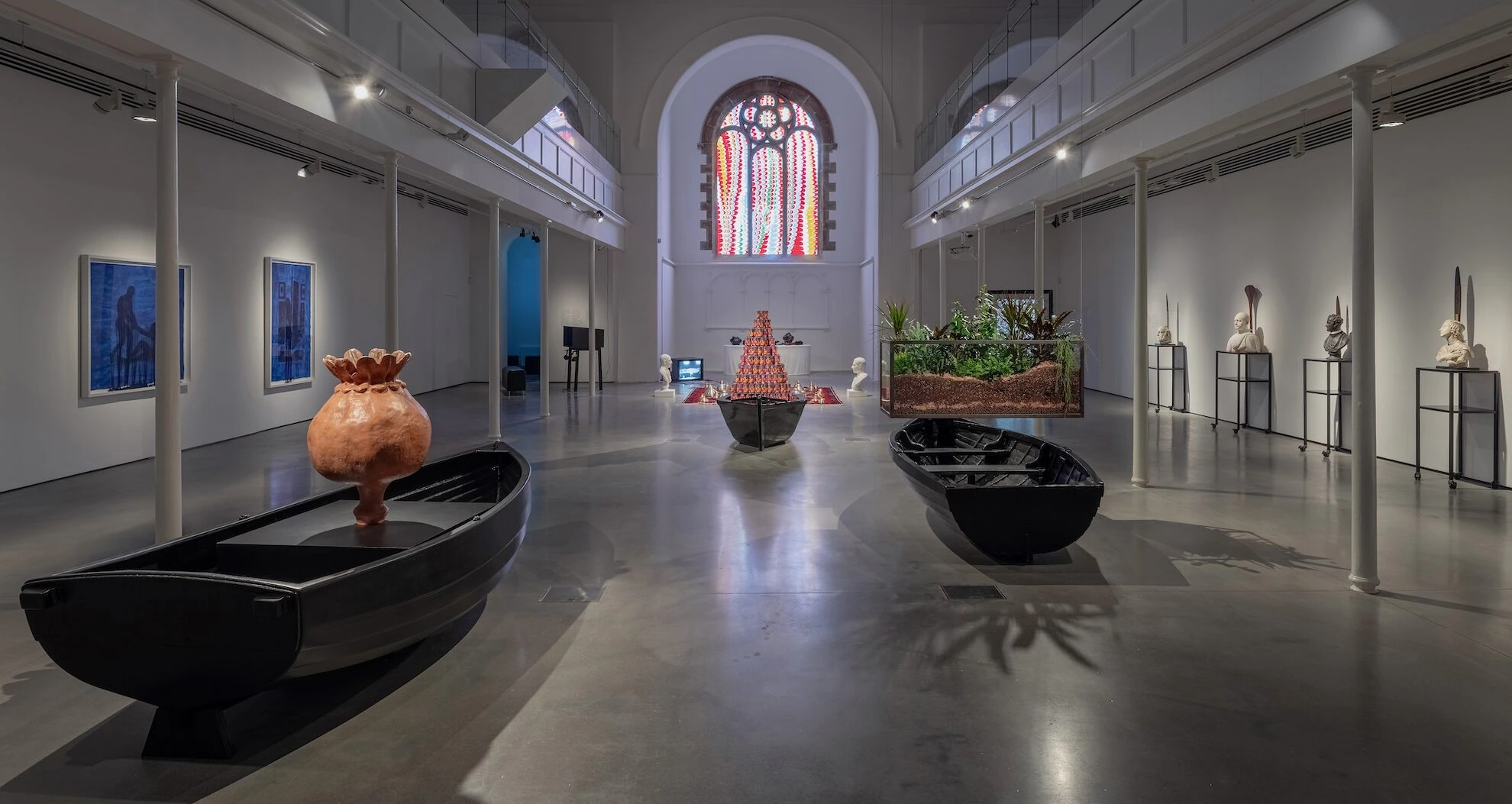
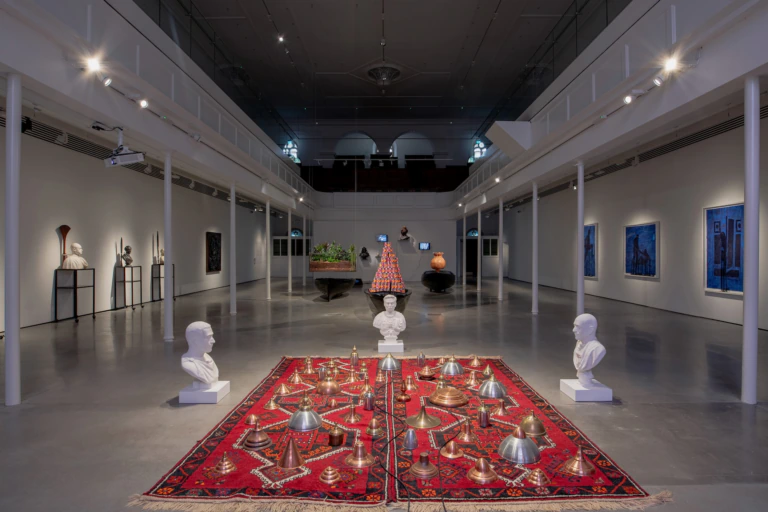
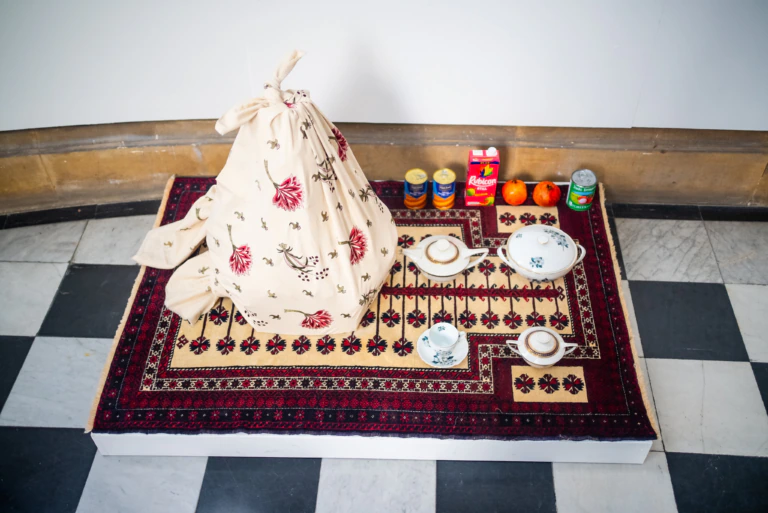
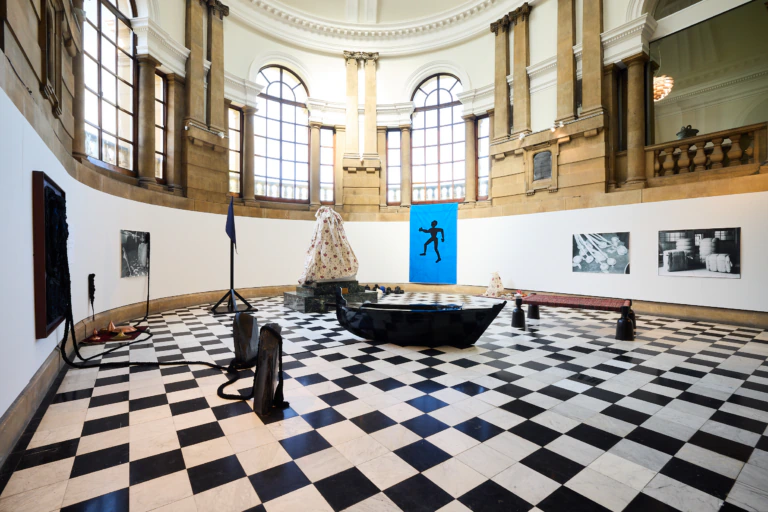
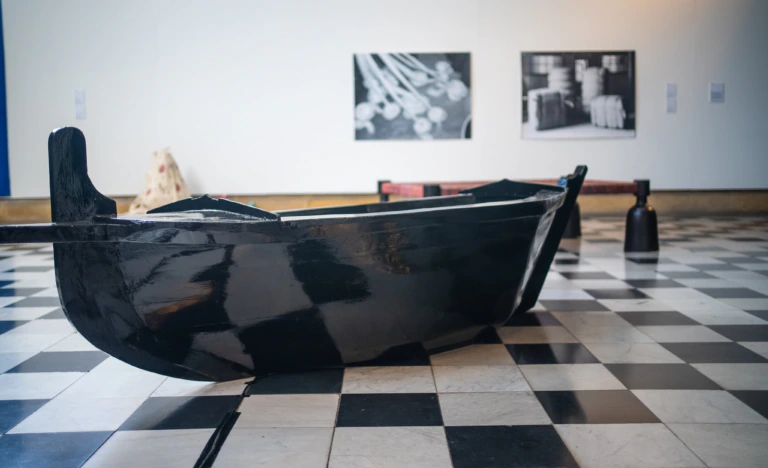
The latest artist to use museum collections to explore the legacy of colonialism, among other subjects, is Osman Yousefzada. His When Will We Be Good Enough? (2 November 2024–9 March 2025) show at The Box, Plymouth, is supported by the Henry Moore Foundation and considers issues of global power and exploitative extraction that have historical roots, often in empire, but remain present today.
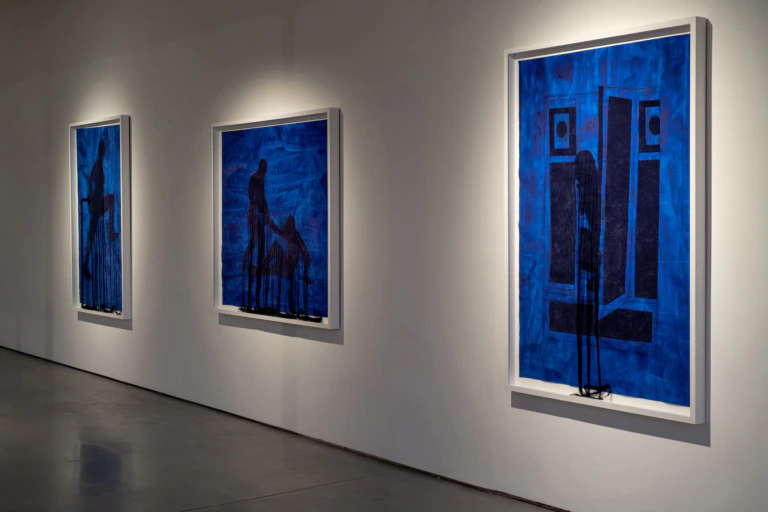
Yousefzada, described as interdisciplinary artist, writer and social activist, was born in Birmingham. His South Asian heritage is a strong influence on his work, which reflects and questions the injustices he saw while growing up, and which continue today. Issues of power, colonialism, class and race are all present in his artistic practice.
In 2022 Yousefzada published his memoir, The Go Between, which gives an insight about growing up in the 1980s in Birmingham in a Pakistani migrant community.
Advertisement
His past projects include an exhibition at the Victoria and Albert Museum (V&A), What Is Seen And What Is Not (27 July–25 September 2022), which responded to the 75th anniversary of Pakistan and featured themes of displacement, movement, migration and climate change.
“I try and do work that is very site sensitive and often the same themes keep on evolving,” Yousefzada says. “In the V&A, it was colonial roots and colonial traces within the museum and then in Plymouth as well.
“I was let loose in the archives in Plymouth and I created these walls of things that wouldn't necessarily go together, but they all connected,” Yousefzada continues. “My practice is very like a collage, like a sort of sculptural practice. It’s about making connections across timelines. And I'm always interested stories, particularly working class histories that are never really told.”
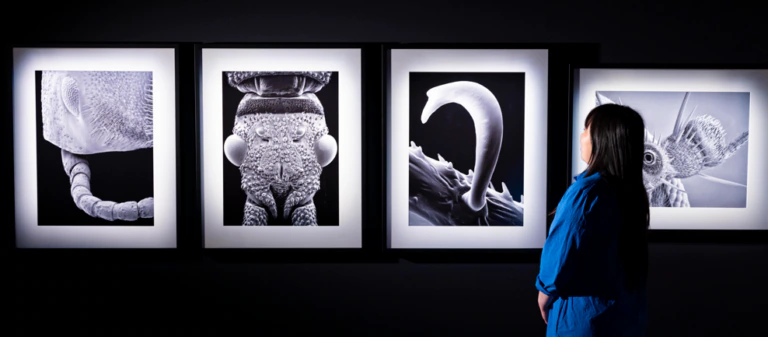
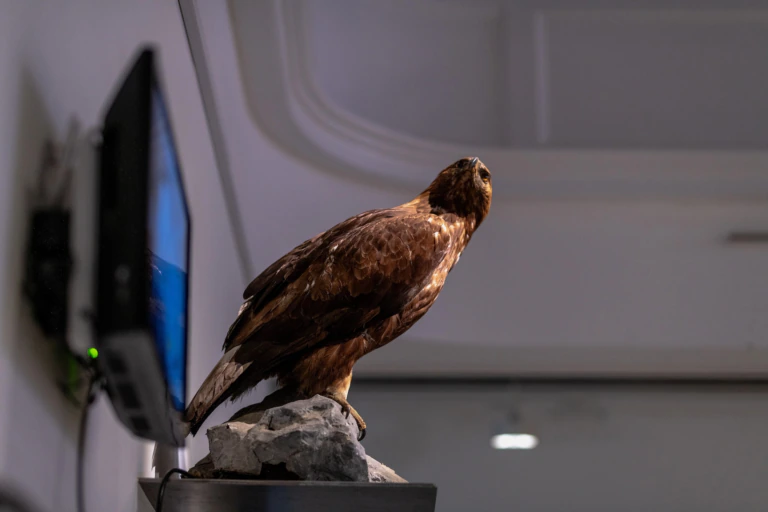
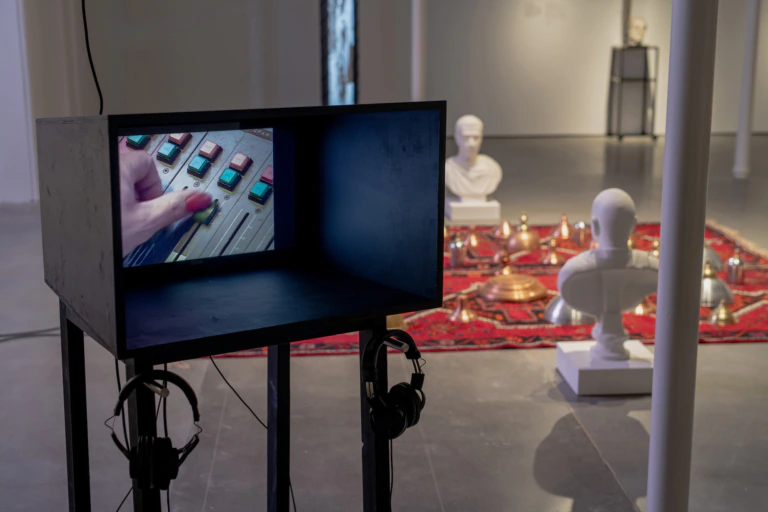
For the exhibition in Plymouth, Yousefzada's work is combined with items that he has selected works from The Box's collections, some of which are rarely on display. These include weapons from the world cultures collection, specimens from the natural history collection and 19th-century busts from the art collection.
For the exhibition at The Box, Yousefzada has taken aim at modern-day empires in the form of US tech leaders, making links between colonial histories and today’s information age.
“Tech giants like Elon Musk, Jeff Bezos and Mark Zuckerberg are our new kind of overlords,” Yousefzada says. “For the exhibition in Plymouth, I ended up making sort of emperor busts of them. They sit on the floor with these objects around them who sing to them.”
Advertisement
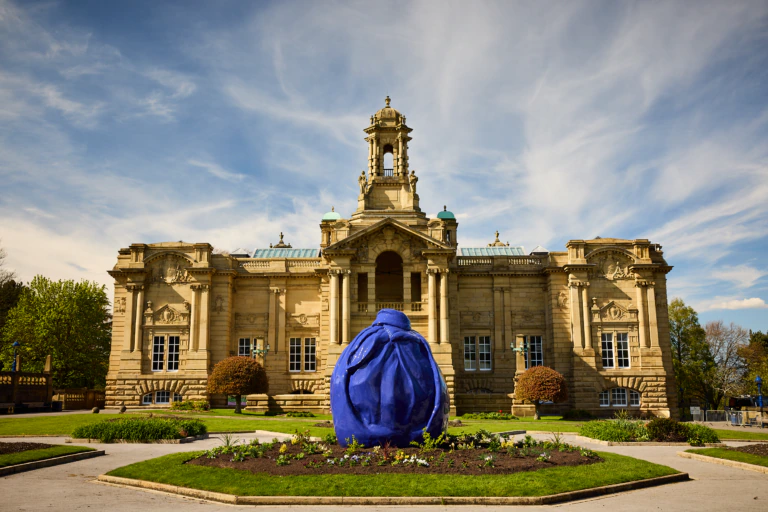
Yousefzada’s work was also on show in Yorkshire recently as part of the countdown to this year’s Bradford City of Culture. Where It Began (3 May–13 Oct 2024) presented work inside and outside Cartwright Hall Art Gallery. Yousefzada’s father arrived in Bradford in the 1960s and the exhibition again looked at issues of class, immigration and colonialism.
The work of artists exploring the colonial histories in museums and galleries has produced some fascinating exhibitions that have shone new light on collections and sometimes institutions themselves.
But this trend has thrown up some interesting questions about the impact of this work and the motivations of those involved, particularly the museums.
One key question is whether museums are interested in seeing meaningful change. Or are they just using artists to bolster their reputations without really having to take any actions to decolonise their institutions. Lots of the issues associated with colonial legacies are linked to the power structures that exist today and that impact these have on museums as institutions and how they work with the public.
As for the artists who do most of the work, are they properly funded and supported? And are they given any say on what impact they would like to see on the institution that they are working with, particularly as most of what they do is, by its nature, temporary?
It would be a mistake to see artists who address colonial issues as an homogenous group. They all have different approaches, motivations and interests. And the impact of decolonisation is being felt across the sector, with the work of artists being just on element if it.
But artists often have new and interesting things to say about museums and their collections, providing visitors with fresh perspectives and ideas. If they are supported in the right way, this could have a lasting and positive impact on museums and the communities they serve.
Join the Museums Association
This section of Museums Journal is usually just for members.
To read much more great content, as well as accessing our extensive back archive, join the Museums Association from as little as £4.80 per month.