Where
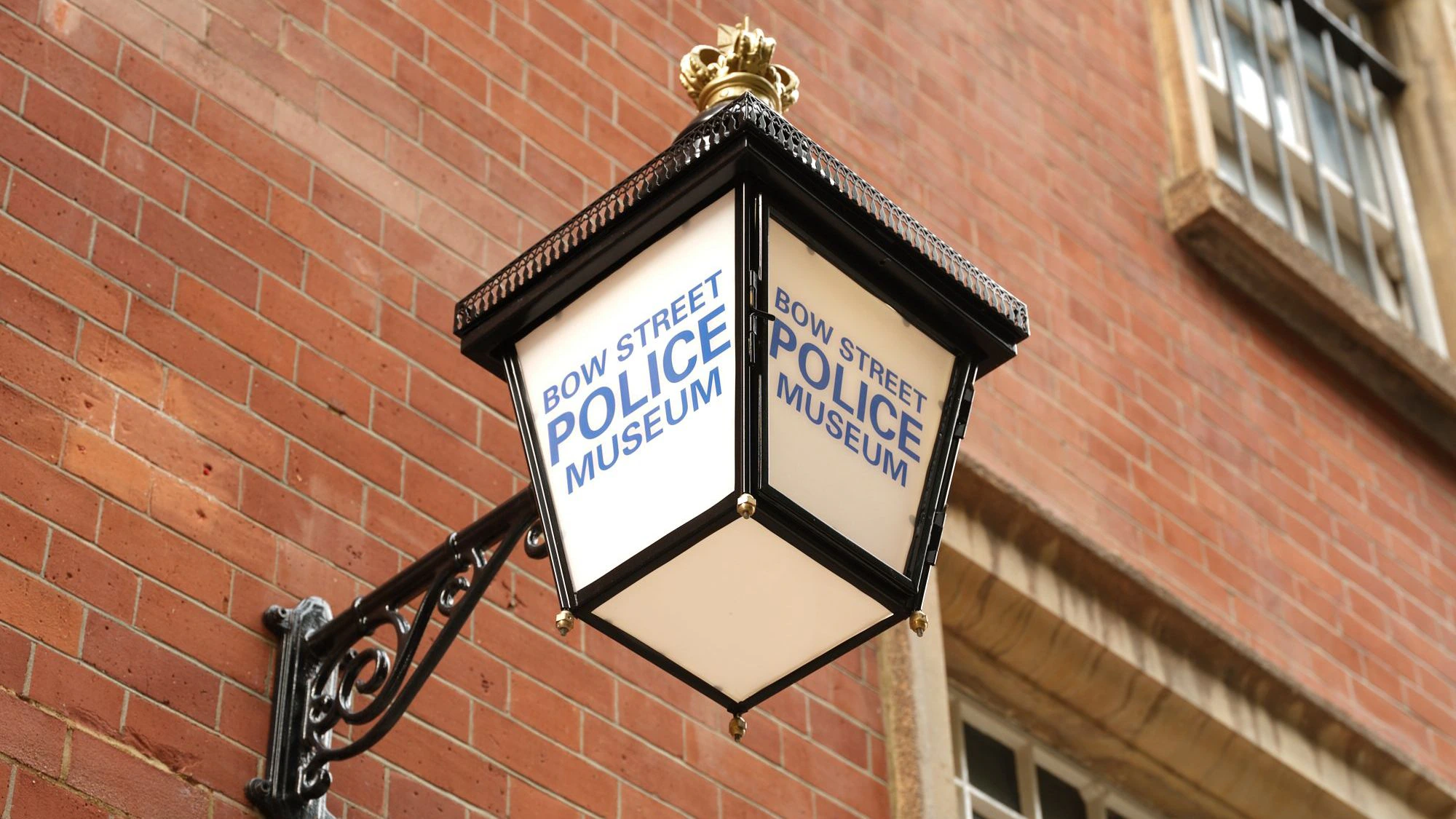
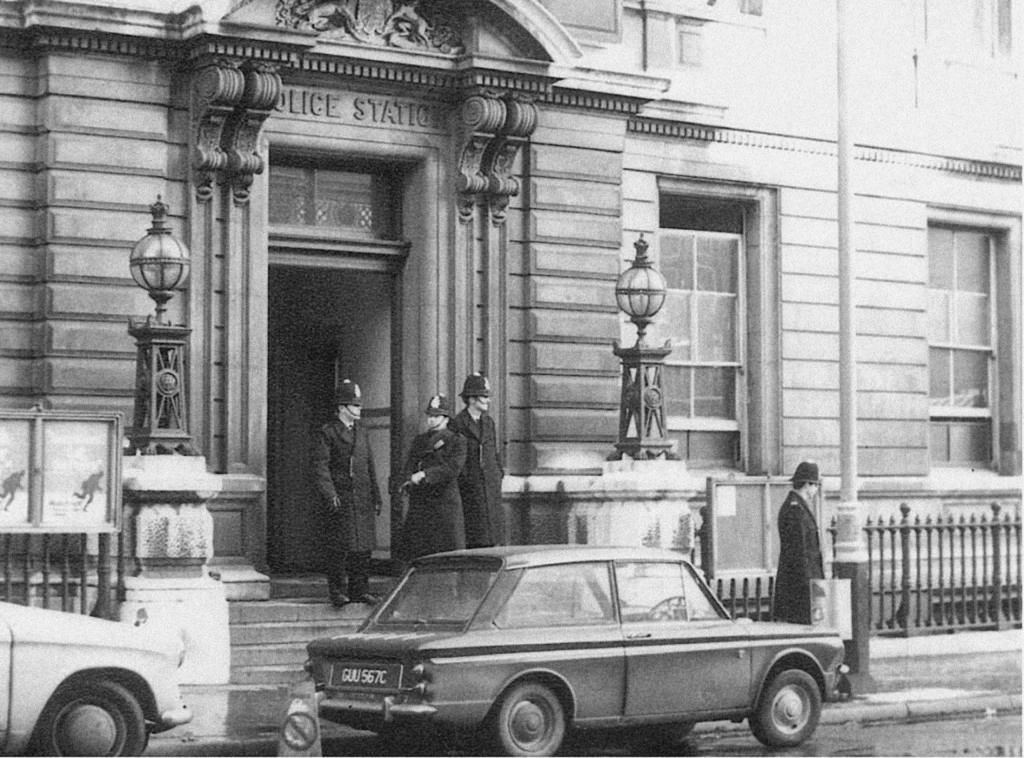
28 Bow Street, directly opposite the Royal Opera House in the heart of London’s Covent Garden. The building was home to Bow Street Magistrates’ Court and Police Station from 1881 until it closed in 2006. A section of the former station is now dedicated to the museum, with the rest being a hotel. It opened on 28 May.
What
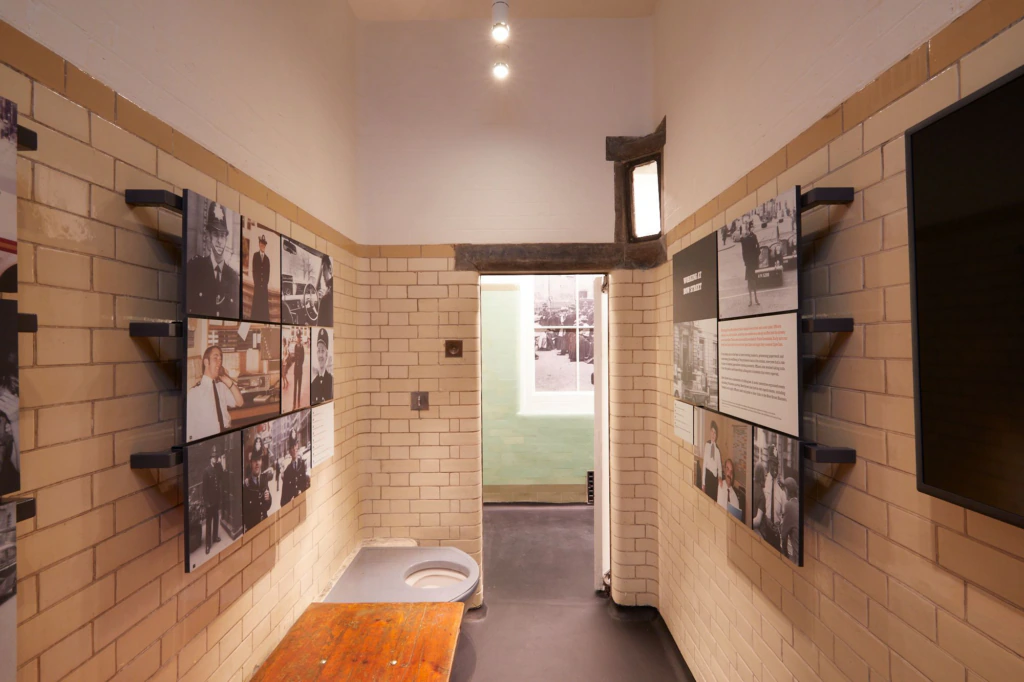
Museum curator Jen Kavanagh and museum manager Vicki Pipe explain that the museum tells the story of the Bow Street Runners and the Metropolitan Police officers who followed in their footsteps.
“We explore the social and working history of life at the station and the people the officers encountered when walking the beat,” they say. “The famous faces who passed through the Magistrates’ Court are also featured, including the writer Oscar Wilde and the gangster Kray Twins.”
Advertisement
Collection
The museum is working with the Metropolitan Police to borrow historic items related to Bow Street. “We’re also loaning items from former serving Bow Street police officers,” says Kavanagh. “From pocketbooks and beat maps, to truncheons, handcuffs and hats, we want to give an insight into everyday working life.”
Highlights
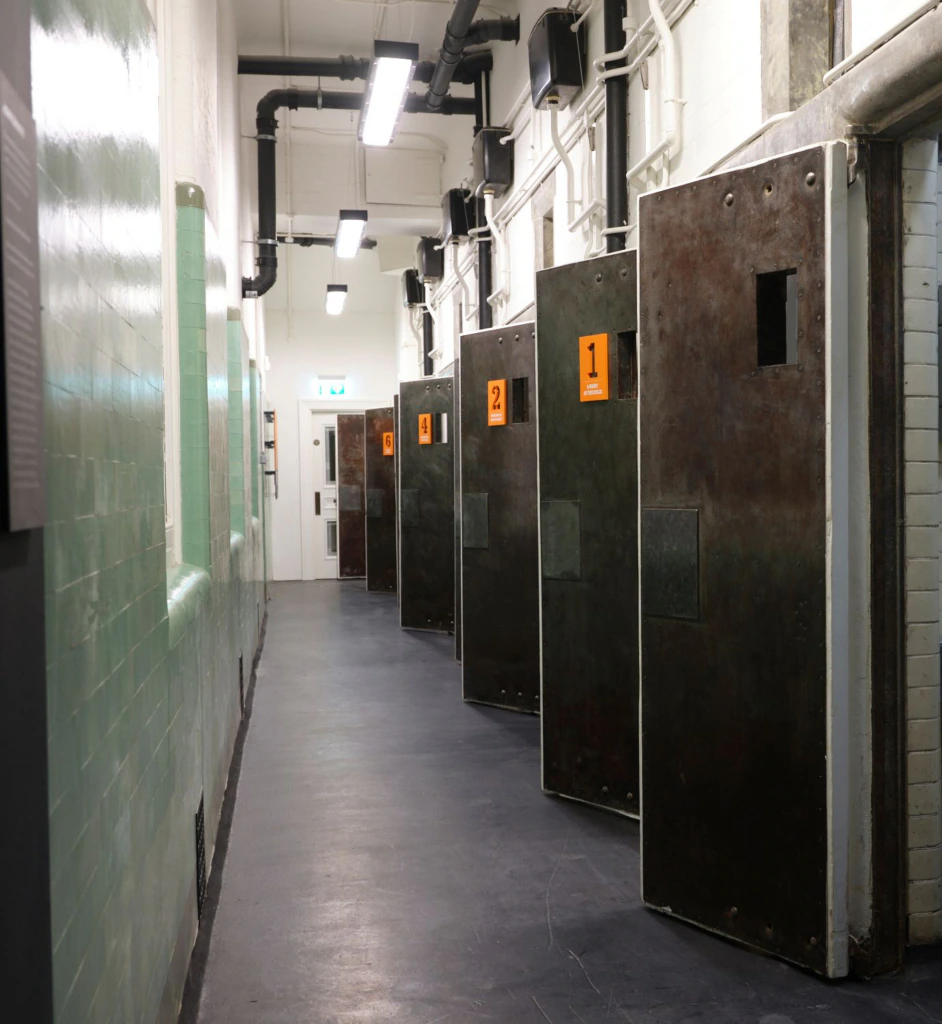
The museum features first-hand accounts of Bow Street officers from a range of backgrounds and eras, as well as a specially commissioned talking-heads film that spotlights six former officers, including the modern Metropolitan Police’s first Black officer, Norwell Roberts.
Help at hand
The museum has started with a small team of staff. It is looking to provide volunteering opportunities as soon as plans develop, and to eventually become involved in programmes for early-career professionals.
Advertisement
Budget
As an independent charity, the museum is supported initially by the owner of the building, but should eventually become self-sufficient. Admission is £6, or £3-£4.50 for concessions.
Survival tips
“Get to know your neighbours,” says Pipe. “Museums thrive when they are a part of the communities in which they are situated. Listening to, understanding and supporting the needs of your local audiences can often provide vital lifelines for everyone, and has never been so important.”
Pandemic tips
Both Kavanagh and Pipe say they have been inspired by the incredible work of museums around the country that have quickly adapted their engagement strategies over the past year, even reaching new audiences by bringing their events and activities online. “We hope to match their creativity and connect audiences with our stories in ways we may not otherwise have considered,” says Kavanagh.
Advertisement
Future plans
The museum aims to fulfil its purpose as a charity to engage audiences in an ongoing conversation about the history of policing in London. Through exhibitions, talks and workshops, the museum will focus on the role of Bow Street within that history and explore the impact it had on the lives of Londoners past and present.
Chiara Wilkinson is a freelance writer