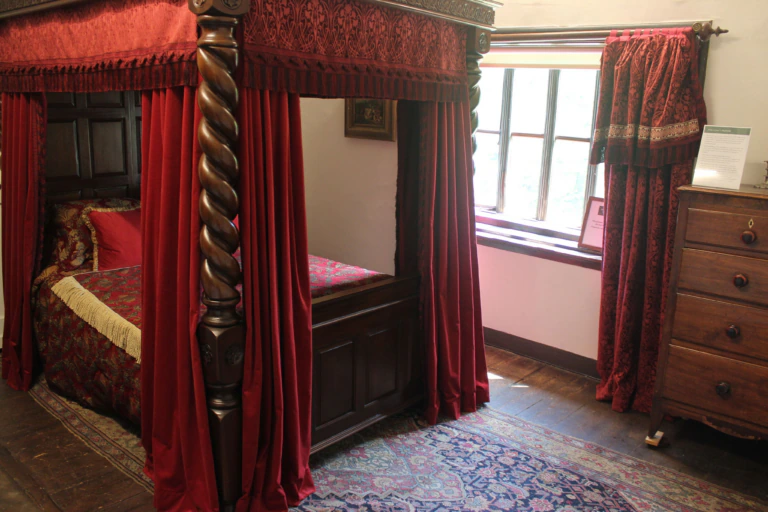
Visiting Shibden Hall in Halifax last summer, one American lady was horrified at the cavalier way in which the 600-year-old venue was treating its historic furnishings. A strongly worded complaint was raised about visitors lying on the luxurious four-poster bed of the house’s most famous occupant, the 19th-century industrialist and lesbian icon, Anne Lister, and taking selfies wearing her famous top hat.
The visitor’s concern was well meaning but misplaced. Keen to capitalise on the extraordinary influx of visitors that the site had experienced since the huge BBC/HBO production Gentleman Jack hit television screens last spring, Calderdale Museums, which runs Shibden Hall, has renovated Lister’s bedroom – previously filled with nondescript Edwardian furniture – to include a few subtle nods to the show.
“We wanted to do more about Anne in her bedroom but we had very few references – her writing just says it was a ‘blue room’,” says Richard MacFarlane, the manager of Calderdale Museums. “So we rather shamelessly made it a copy of what you see on television.” With a reproduction bed and Instagram-friendly top hat, visitors care little that the bedroom scenes were one of the few parts of the show not to be filmed on location.
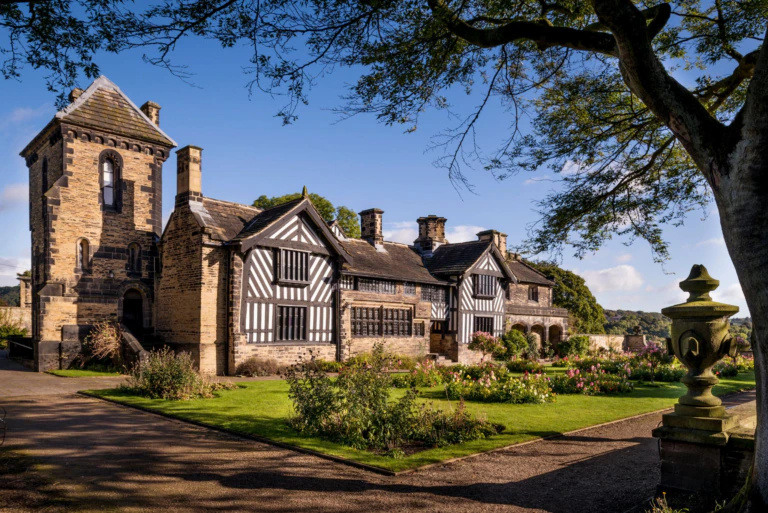
There’s money to be made on screen, and Shibden Hall is one of many museums and heritage sites that have started hiring out their historic assets for use on film and television. But what happens when a show goes on to become a massive cult hit?
The historic house is currently at the epicentre of a Gentleman Jack boom that has brought benefits to the whole of West Yorkshire. Footfall to the venue has tripled since the show aired and, although its success was not unexpected, the museum service has struggled to adapt at times.
Advertisement
“It’s more than doubled our running costs and we’ve taken on extra staff to cope with the demand,” says MacFarlane. “We’ve had to check things like the floor loadings, because they were starting to suffer.”
Even simple tasks such as putting down floor wax have been tricky, as the house opened for an extended season last year.
But the benefits have been significant, says MacFarlane. Calderdale Museums has been able to plough the money it has made back into its sites, carrying out long-awaited improvements to its shops, cafes and security. “It does put us in quite an unusual position, as a local authority museum, of being able to get stuff done,” he says.
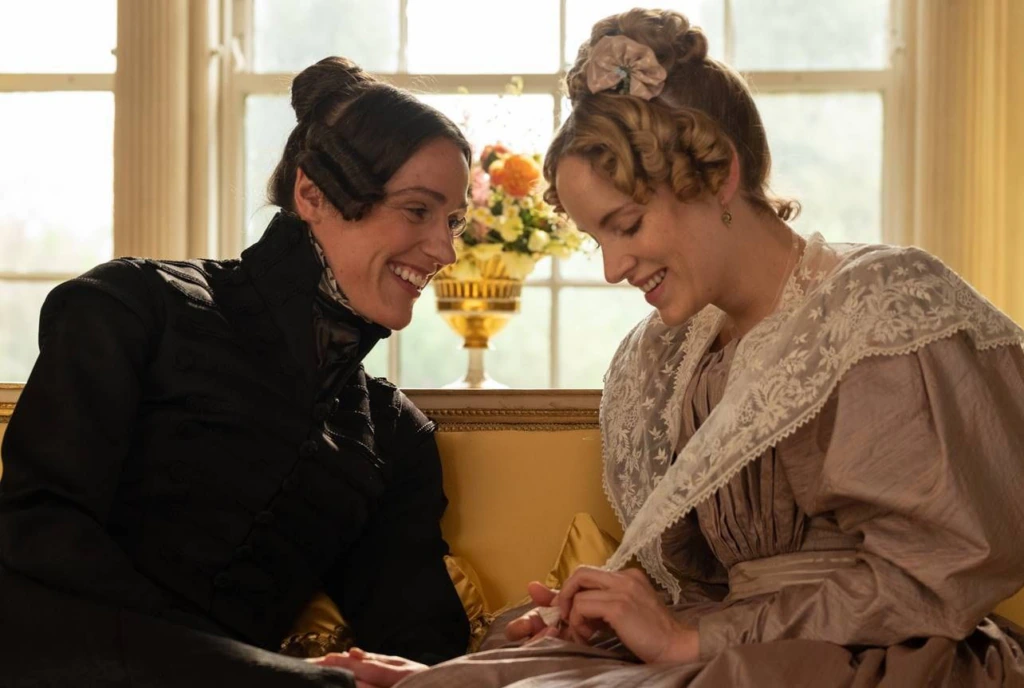
It’s not hard to see why Shibden Hall has become such a draw; more than just a backdrop, the property is an integral part of the series. “The great thing about it is that Anne is a real person in a real house,” says MacFarlane. “A lot of the actors said how wonderful it was to film in the places where it actually happened. It gives a different atmosphere to the show.”
Written by Sally Wainwright, a Halifax local, the programme combines an incredible real-life story with a sprinkle of showbiz magic in Suranne Jones’s tour-de-force performance. The charismatic Lister's encrypted diaries were one of the first pieces of writing to unapologetically celebrate same-sex desire and love between women, and as her profile grows, Shibden Hall is becoming a sacred place for the lesbian community worldwide.
Advertisement
“Pilgrimage – that’s the sort of language people use,” says MacFarlane. “Many visitors have watched the show and had to come and see the place where she lived.”
Fans’ pilgrimage
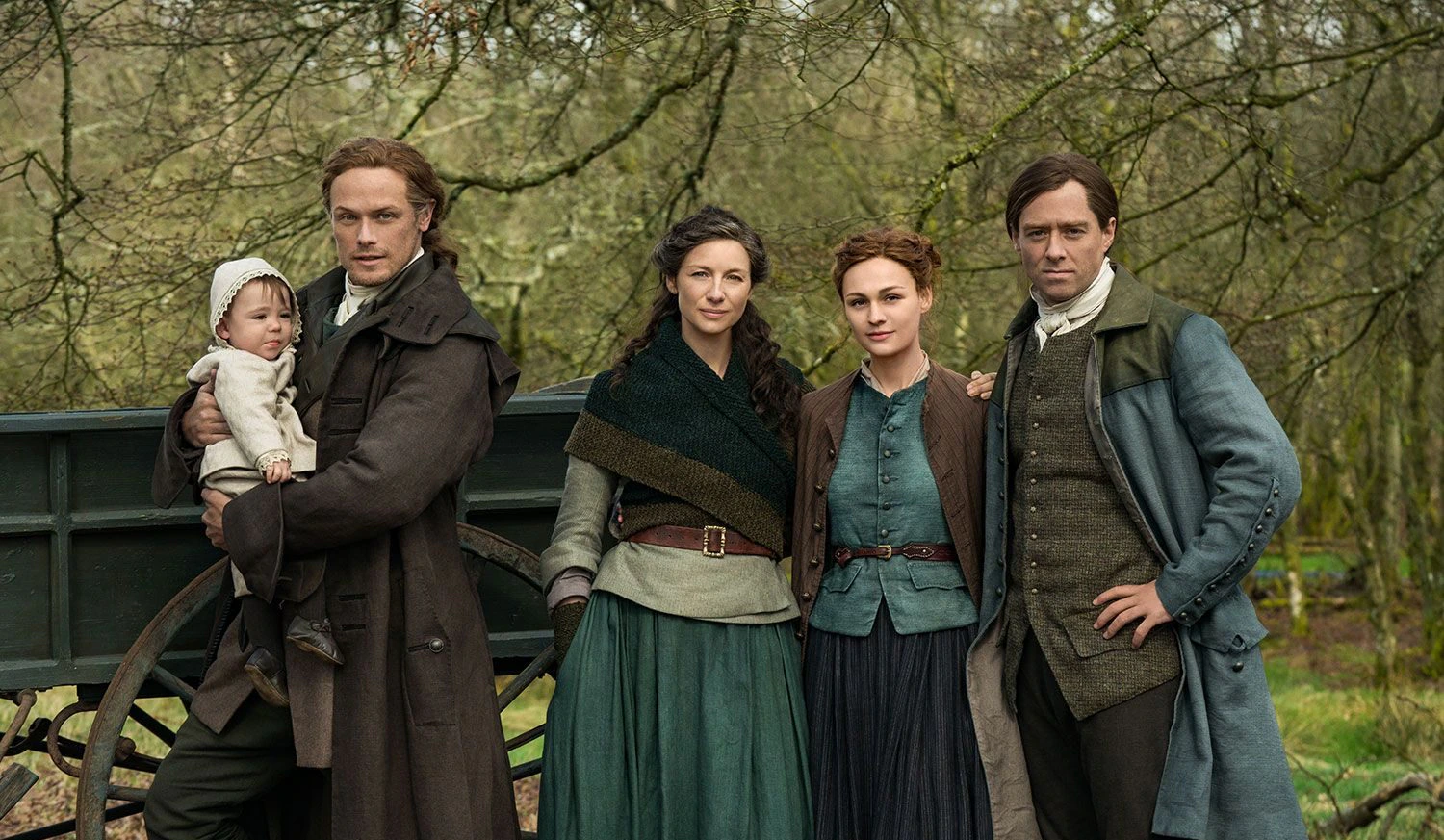
Devoted fans are something that the Highland Folk Museum is used to coping with. In 2014, the open-air museum, which is set across acres of rural landscape in the Scottish Highlands, was the setting for what was then an unknown production about a time-travelling second world war nurse who meets a strapping 18th-century Highlands warrior.
“It’s the one where she pees in the bucket,” says the museum’s operations assistant, Joann Hopkins, of the infamous episode shot at the site for the first series of Outlander, the swashbuckling romantic drama broadcast on online film platform Amazon Prime. The show, based on US author Diana Gabaldon’s book series of the same name, has become an international hit.
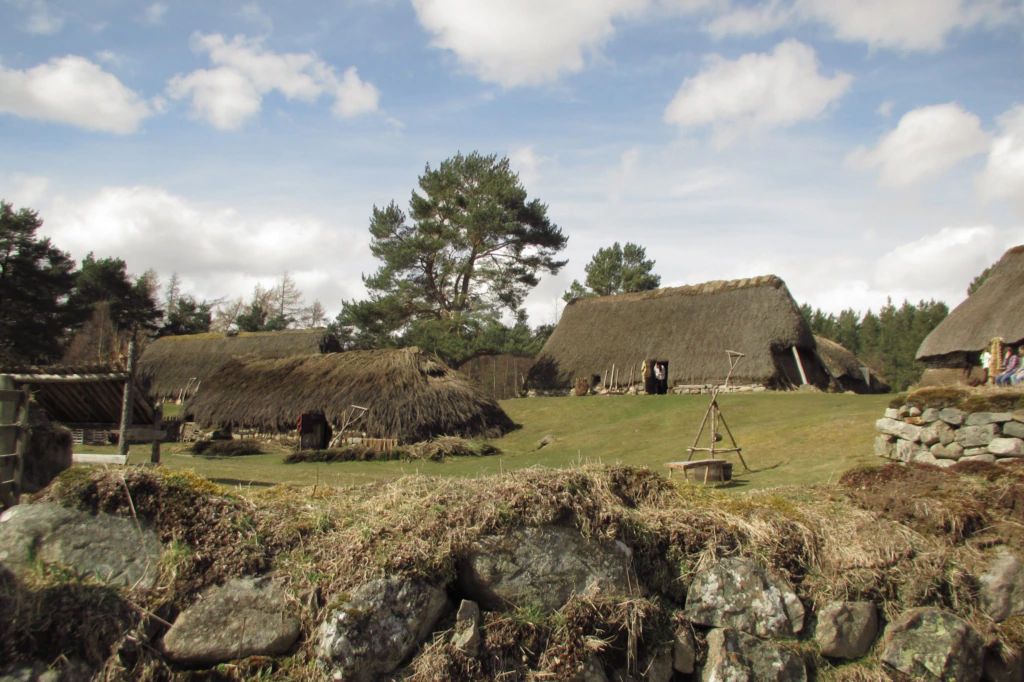
Filmed among the thatched buildings of the museum’s historic township, the episode shows the heroine Claire Fraser taking part in a “waulking” session, a local folk tradition that involves women singing rhythmic songs together while beating newly woven cloth to soften it. The cloth must be soaked in urine – and Claire is asked to step up to the task.
Advertisement
Luckily, it’s not a scene that the museum’s many visiting fans choose to re-enact, says Hopkins, although they do occasionally present other challenges. “They get very excited,” she says. “Even when we’re closed for winter, some try to climb over the gate, asking if they can take a quick look around. We have to tell them ‘no’.”
Although many productions have a closed set, this wasn’t the case at the Highland Folk Museum. The museum’s curator helped out with historical details, and gave the filmmakers deaccessioned objects to use as props – some staff even appeared as extras. But the televised version of life in the Highlands should be taken with a pinch of salt, according to Hopkins. “There’s a bar scene where the men are taking their shirts off,” she says. “It’s not like that round here; we try to keep our clothes on. It’s too cold!”
“The museum has made local friends and met groups we’ve never worked with before.”
The museum first started to become aware of Outlander’s popularity after a rise in visitor numbers the following summer. It was then approached by a local fan group about running a festival devoted to the show. The event has gone on to become an annual tradition that sees enthusiasts turn up in costume for sword fighting, potion-making and all things Outlander.
Scotland’s tourism growth has outstripped the rest of the UK’s for some years now and it’s likely that the Outlander effect has played a part in this, bringing in many new visitors from America, Europe and elsewhere. Last year, Historic Environment Scotland’s website crashed after it ran a ticket giveaway to the many heritage sites that feature on the show.
Hopkins is proud of the museum’s connection to the programme. “We’re really pleased. It’s given us a lot of support and increased our visitor numbers,” she says. “The museum has made local friends and met groups we’ve never worked with before from all around the world.”
Transforming fortunes
But there’s one TV phenomenon that has outstripped all others in the past decade: Game of Thrones, the HBO series based on the fantasy-fiction series of books by George RR Martin. The show, which ended last year, inspires an almost religious level of devotion among its millions of fans, and with many episodes shot on location across Northern Ireland, it has transformed the tourist economy there, bringing bus loads of outlandishly clad visitors to hitherto quiet corners of the six counties.
One of the many heritage sites to benefit is Castle Ward, an 18th-century National Trust estate near Strangford in County Down that claims a special place in the early lore of the TV show. “The assistant location manager for the pilot episode was a regular visitor here,” says Sarah Sharp, the senior visitor experience officer at Castle Ward. Legend has it that he was present when Martin was being shown photos of potential locations for Winterfell, the stronghold of the book’s protagonists, the Starks.
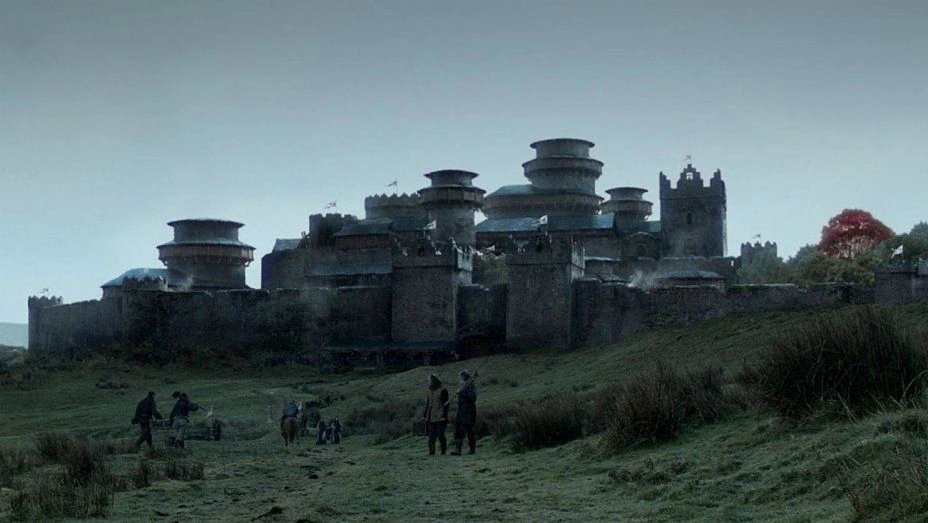
“A lot of the places were in Scotland but George said it was ‘too Braveheart’ and he didn’t want that,” says Sharp. “So the assistant showed him a photo of our site and said ‘what about this?’ George apparently saw the photo and said: ‘That’s Winterfell.’”
Castle Ward appeared in only a few episodes – Winterfell was to later burn down, which would have been a logistical nightmare for a heritage property – but it formed the backdrop of many iconic scenes whose impact reverberated throughout the following eight series. This wasn’t clear at the time, however, as the set was closed and site staff saw very little of what was taking place. “We never knew it was going to be what it turned out to be,” says Sharp.
The set took nine weeks to build and a further nine to dress. “This was our first big film and, in all honesty, we didn’t expect the big circus that came with it,” says Sharp. “Our driveways were not designed for massive articulated lorries and we still live with some of the challenges from that.”
Castle Ward’s visitor numbers had been low before Game of Thrones, but about eight years ago, staff started to notice a change. “There was a shift in the demographics of people coming,” says Sharp. “A lot more started coming from overseas looking for the Game of Thrones experience.”
The family-friendly National Trust was wary of being associated with a show in which incest and murder are an everyday occurrence – so Castle Ward came up with a compromise, inviting a local company to set up Winterfell Tours, a privately run experience that takes visitor to key filming locations around the estate for archery practice, re-enactments and photo opportunities. The site has also run two Winterfell festivals, becoming the first National Trust property to close entirely for a private event.
“In all honesty, we didn’t expect the big circus that came with it.”
“It’s taken on a life of its own outside the National Trust,” says Sharp. “Our income has gone up – we get a lot more paying visitors than other trust sites, which bucks the national trend.” However, the influx of overseas visitors means the estate does struggle to meet its recruitment targets for National Trust membership.
Over time, the trust has warmed to the idea of cashing in on the site’s Game of Thrones connection, giving Castle Ward funding towards a themed gift shop. An entire cottage industry has sprung up around the show in Northern Ireland, and amid the plastic dragons and t-shirts, the shop sells high-end items sourced from local suppliers with links to the show. There are glass goblets by the company that made similar props for the set, and jewellery by the designer who created the necklace for Melisandre, a cult figure in the show.
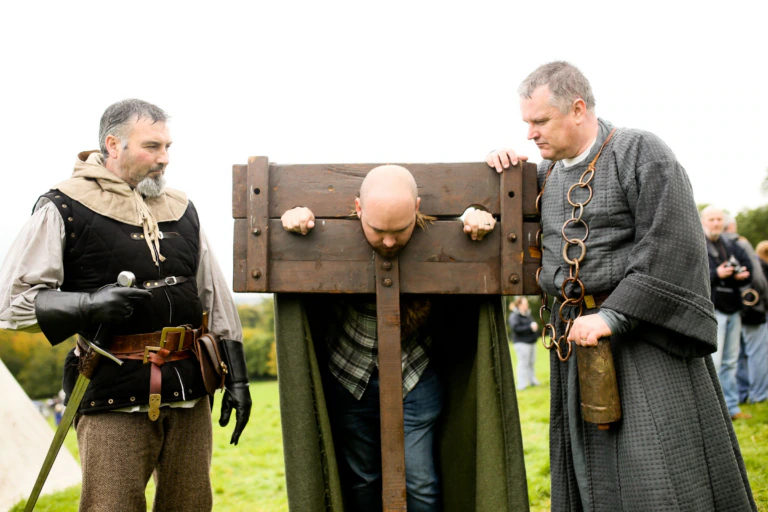
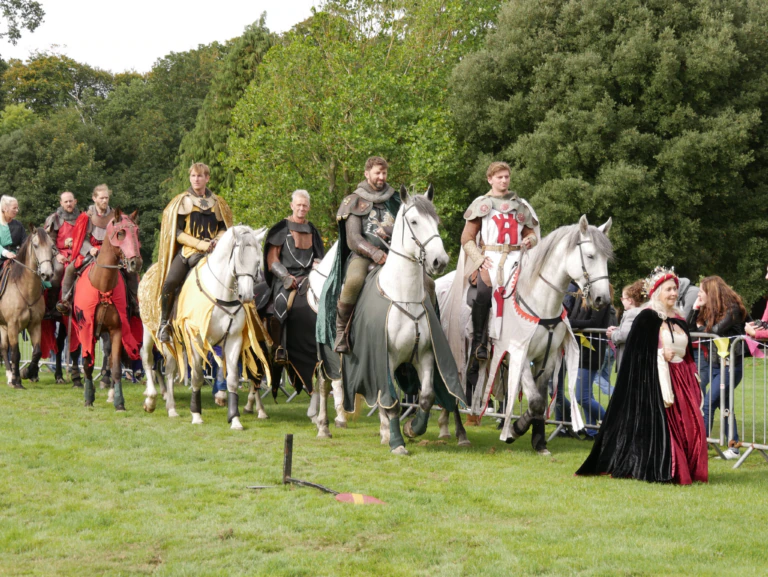
The trust also has opened up a previously closed monument on the estate, Audley’s Castle, which served as Rob Stark’s battle camp on the show. “Visitors love it,” says Sharp. “Game of Throners go up there for marriage proposals – we’ve seen all sorts.” And the grounds have been used for numerous TV and film productions since – albeit with a more stringent set of filming conditions.
Finding a balance
But the fantasy nature of Game of Thrones means that, unlike some of the aforementioned shows, not many of its fans are interested in engaging with the real history of Castle Ward. “Last year we tried to put on tower talks inside our 15th-century tower house, which is fascinating in itself,” says Sharp. “But people weren’t interested. They just wanted to ask if it was the tower that Bran fell from.” (It wasn’t.)
Although Castle Ward is glad of the benefits that the Game of Thrones phenomenon brings, Sharp says she does wonder whether the property has got the balance right. “We had the National Trust director general here once and, as she’s talking to us, a bus full of Game of Thrones tourists in full costume turns up,” she says. “I told her this is what happens here twice a day.”
Sharp, who has never watched an episode of the show, says her ambition is to capitalise on Game of Thrones to bring the estate’s true heritage to a wider audience. She is particularly passionate about the largely untold story of the house’s former occupant, Mary Ward, an astronomer, scientist and all-round polymath who was also the first known person to die in a motorcar accident.
“Game of Thrones is brilliant but it’s not a long-term thing,” says Sharp. “We’re making hay while the sun shines, so we can do the stuff that has a long-term impact – the stuff that makes us happy.”