A research project has provided valuable insight into what causes a museum to close – and what becomes of its collection after the doors have shut.
Published by the Mapping Museums Lab at Birkbeck, University of London, the project’s final report, Museum Closure in the UK 2000–2025, revealed that 524 museums had shut since 2000, and the risk of closure is far higher within the first 10 years of an institution’s life.
The two-and-a-half-year study – the first of its kind in the UK museum sector – was funded by the Arts and Humanities Research Council. It documented museum closures between 2000 and 2025, and examined the reasons behind them.
Fiona Candlin, director of the Mapping Museums Lab, gave an overview of the data at the report’s launch last December.
The research found that the sector has grown since 2000, with 870 museums opening over the past 25 years. However, the growth rate has “flattened” in recent years and the sector is ageing, with fewer museums opening each year.
The closure rate has stabilised at about 1% after reaching a high of 2% during the austerity years of the early 2010s. Age is a significant factor in determining the risk of closure, the data showed, with museums much more likely to shut within their first 10 years.
Advertisement
Private museums
Many museums that opened in the late-20th century did not survive to 2025, according to the report. Private museums those run by individuals, families, organisations or businesses – had the highest rate of closure, at 37%.
Private museums that closed included the Goonhilly Satellite Earth Museum, the Cotswold Cricket Museum, North Cornwall Museum and Art Gallery, Paulton’s Romany Museum, as well as the Mechanical Music Museum, Barometer World, and the Bakelite Museum.
Local authority sites
One of the report’s most striking findings was the loss of local authority museum provision, which has shrunk by almost 8% since 2000. The rate of closure has outpaced openings, with 139 museums shutting over the past 25 years.
Ten districts that had local authority museums in 2000 did not have any in 2025, including Barnet and Wandsworth, in London, and Neath Port Talbot and Caerphilly, Wales. A further 21 local authorities have lost all but one of their museums.
Advertisement
Three of those districts are in London, where the decrease in local authority museum provision is particularly marked.
A further nine local authority districts, including two in London (Greenwich and Southwark), had three or more local authority museums in 2000 but were left with just one in 2025.
By contrast to this, the closure rate for independent museums in the UK rarely rose above 0.5% over the same period.
“One of the things that really stuck out for me was the loss of local authority museums,” Candlin tells Museums Journal. “That is such a loss of public services, and while some of those were amalgamations or some of them were replaced, the majority weren’t. And the majority were those medium-sized museums – they were places that the public were going to.”
A wide range of reasons was cited for the closures, with funding cuts being the most common trigger for local authority museums.
“Local authorities are struggling to cover the costs, and the rising costs of statutory services,” says Candlin. “And museums are an area where spending can be legally reduced or indeed cut entirely. They are not statutory, so we’re seeing funding cuts for them.”
Advertisement
Independent museums
Rising costs pose the biggest risk for independents, the research found. “Museums often close incrementally,” says Candlin. “They gradually reduce their opening times. They shift to seasonal opening, they end up just having open days and, finally, they are completely closed.”
The study highlighted that footfall was no guarantee of survival. Thirty large museums – each attracting between 50,000 and 100,000 visitors a year – have closed since 2000.
More than 100 museums welcoming between 10,000 and 50,000 visitors annually also closed, with museums posting this level of footfall reporting a higher rate of closures than openings over the 25-year period.
“These museums had an audience; they were serving their communities,” the report says. “They may have been uncommercial or unsustainable, but they were not irrelevant.”
Some closures were strategically planned, with 45 museums shutting because a replacement museum was planned or as part of an amalgamation process.
Loss of premises was also a common reason for closure, particularly for military museums.
Collections after closure
The research project explored what happened to collections after closure, finding that in recent years, the collections of closed local authority museums were increasingly likely to be put in storage or remain mothballed in situ, rather than being transferred to other institutions. No reports of irresponsible disposal were found by the study.
“On the contrary, it was clear that staff at closed museums had often put a great deal of time, thought and imagination into securing appropriate homes for their collections,” says the report.
The research found that such transfers went to a wide variety of recipients, including other museums, the armed forces, civic organisations, schools and universities, as well as some more unusual venues such as care homes, lighthouses and airports.
Benefits of transfers
“One of the things to stress about some of these transfers is that they can be really beneficial to the recipients,” says Candlin.
She highlights the case of Firepower: Royal Artillery Museum in Woolwich, London, which closed in 2015 due to financial pressures.
The museum’s collections ended up at some 117 different sites, including the Heugh Battery, County Durham, the only first world war battlefield in the UK. This influx of objects “effectively turned [the Heugh] into a museum rather than an empty historic space, and since then, it’s become a real hub of community action,” says Candlin.
These positive aspects are something that should be analysed more broadly across the sector, according to Candlin. She hopes the report will lead to a more nuanced discussion about closure, and a recognition that some museums have a natural and limited lifespan, with “[closure] not automatically seen as a terrible thing”.
“There are a lot of varieties, in terms of outcomes,” says Candlin. “In a lot of cases, collections go somewhere else – they’re often used. You could see it more broadly as process.”
Sharing data
The Mapping Museums Lab has launched an open-access web application that allows users to explore and visualise the data.
Candlin is planning to follow up the research project with a book, due out next year, that will delve more deeply into what happens to collections after closure: “Why do things get stuck in limbo, or why do some collections stay together and others get split up? What does it really mean that things end up in storage? What gets scrapped and why?”
Neil Mendoza, who led the UK government’s 2017 review of museum provision in England and is now the chair of Historic England, said the data gathered for the project gives a snapshot of a “dynamic sector”.
“We need to understand the museum sector completely… it’s not a totally negative picture,” he said at the launch event.
The data will help inform discussion on what the UK museum sector should look like in future, said Mendoza.
“What kind of museum sector do we want?” he asked. “What kinds of museums should we have? How many should we have? Do we have too many? Do we have too few?”
“[With the data] we will be able to understand museums by size, by location, by type, by outcome. It’s really useful and it’s going to be important for museums.”
Gone but not forgotten
Jewish Museum London
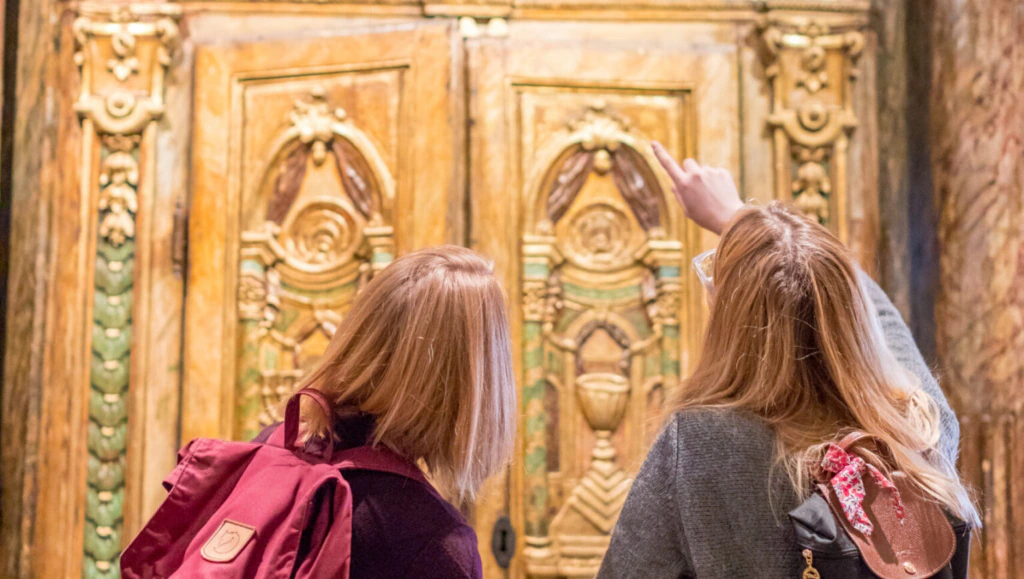
Closed in July 2023. The institution, which has a 90-year history, had been at its current site for 13 years. Rising costs were blamed on the decision to shut. The organisation is hoping to reopen the museum in a more prominent location.
The North Mill in Belper
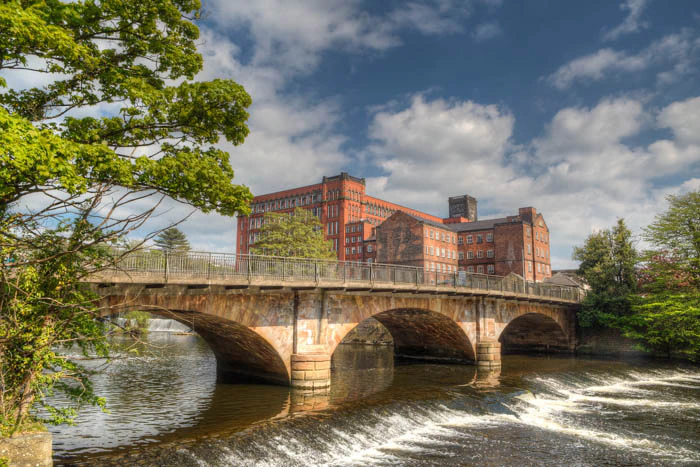
Part of the Derwent Valley Mills Unesco World Heritage Site, housed a museum that was forced to close in September 2022 after the withdrawal of a council grant. The public can still visit the site as part of a tour.
Bodelwyddan Castle, Denbighshire
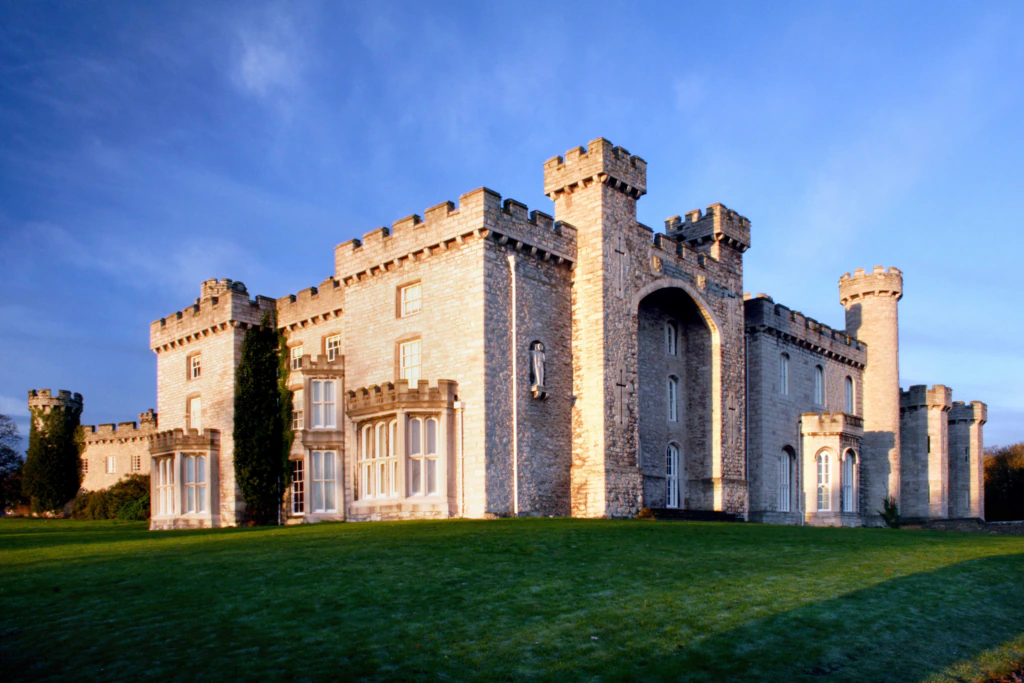
Originally built as a mansion house in the late-17th century, closed in 2019 after Denbighshire Council withdrew its annual £144,000 grant. The former museum now looks likely to be turned into a hotel.
The River & Rowing Museum
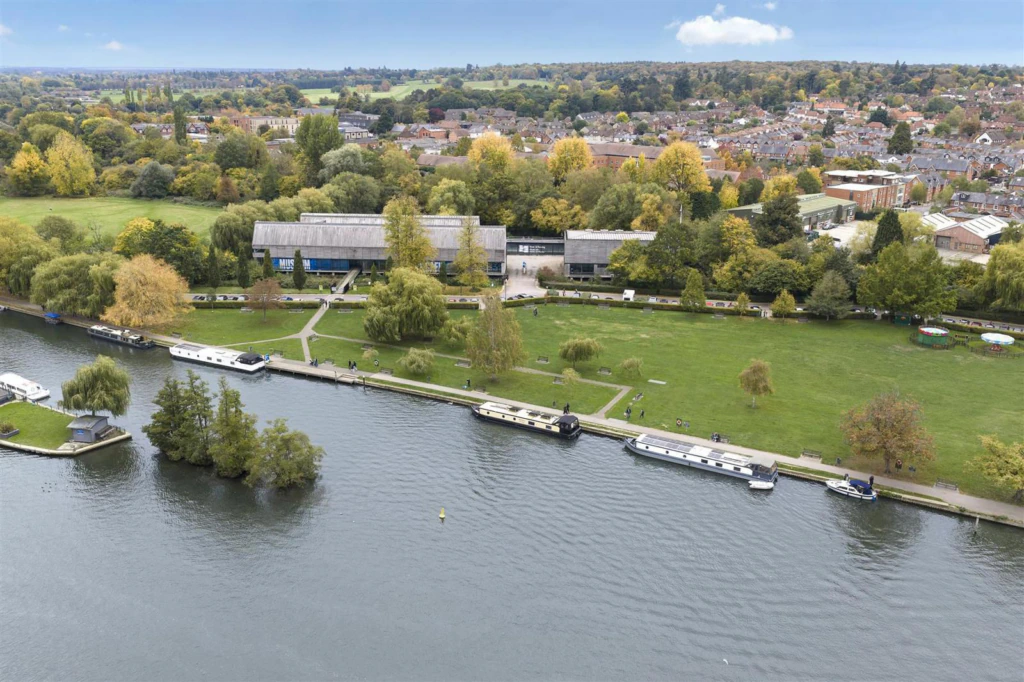
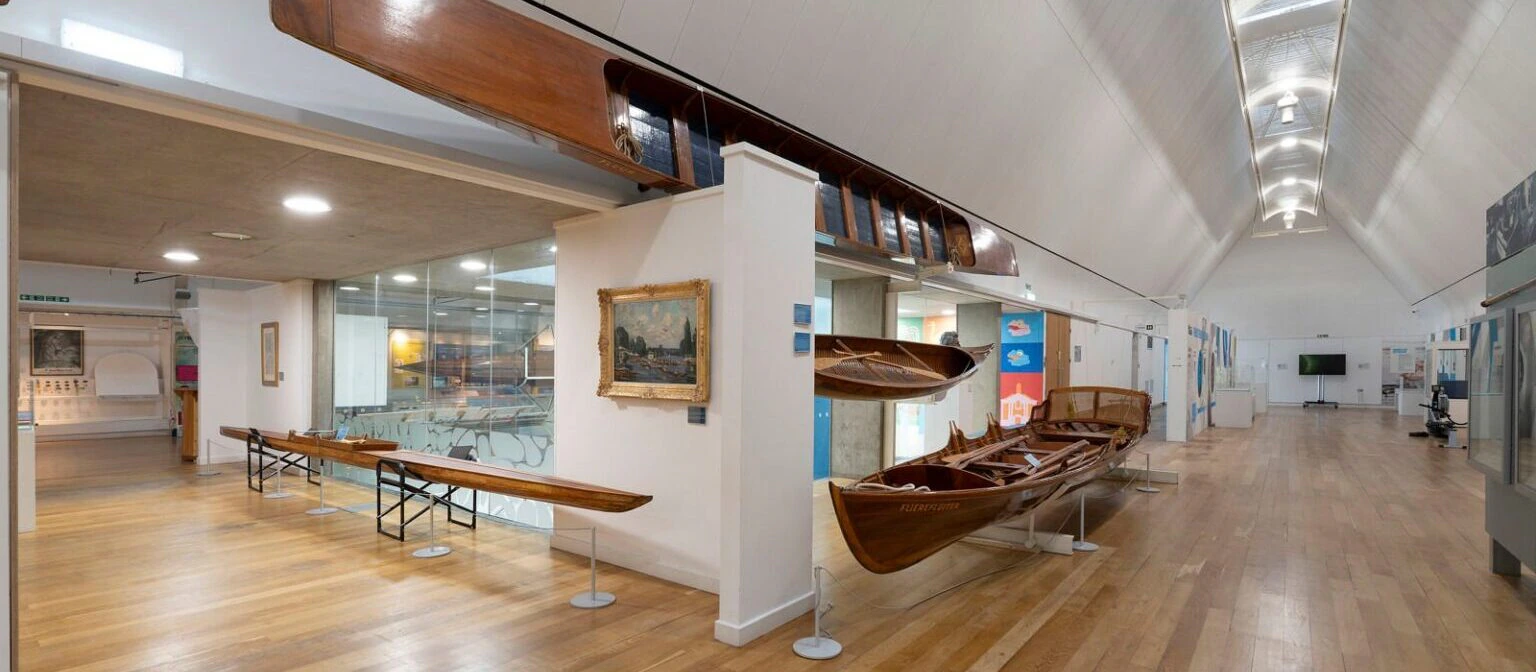
Based in Henley-on-Thames, shut its doors in September 2025. The museum, which opened in 1998 to display artefacts related to Henley’s boating culture, has struggled for some time with significant financial pressures.
Falconer Museum
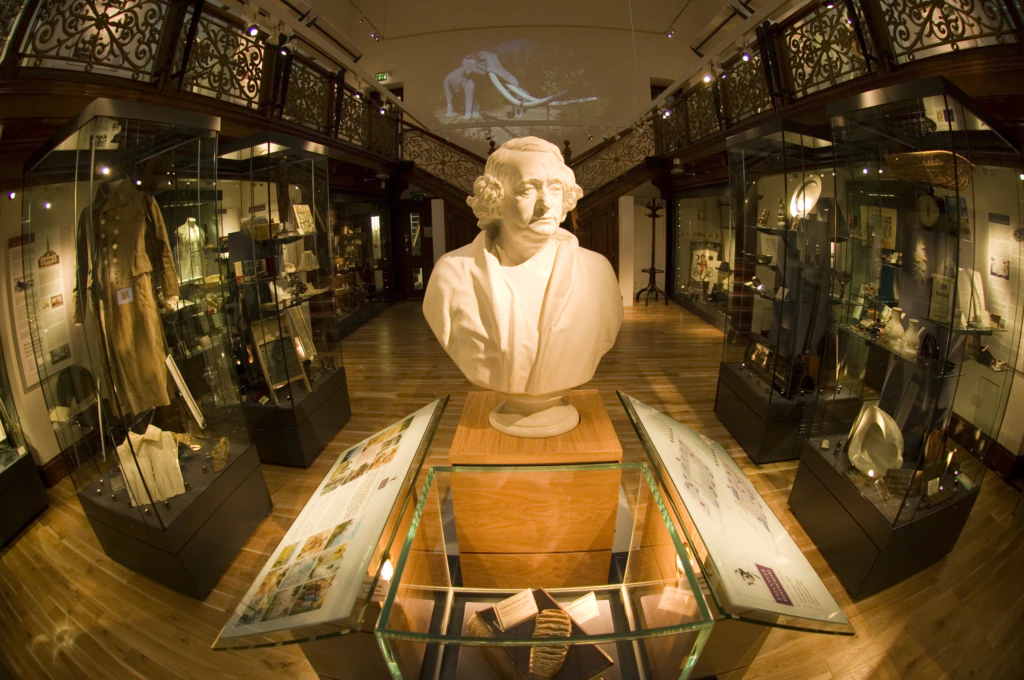
Located in Forres, north-east Scotland, the museum was mothballed in 2019 after Moray Council cut its £80,000 annual grant due to budget pressures. Following a feasibility study last year, however, a group of locals came forward to form an independent body to manage the museum.