Two years ago, the Museums Association (MA) began consulting the sector on revising its Code of Ethics.
The code is one of the most important pieces of work produced by the MA on behalf of the sector, setting ethical standards and providing a framework for the practical application of those standards to everyday work in museums.
Last revised in 2014, the document required updating to take into account the significant changes that have taken place since then, within the museum and gallery sector and across society as a whole.
Eleven years ago, the climate crisis still felt to many like a remote threat rather than the very real emergency it is today; the worldwide anti-racism movements of 2020, highlighting the structural nature of racism, had yet to take place; and conversations around the legacies of colonialism and slavery in the UK’s museums – although recognised as necessary and long-overdue– were not happening at scale. Meanwhile emerging digital technologies such as generative AI were still in their infancy.
The picture in 2025 looks very different, and these emerging areas of ethical practice came through strongly from the MA’s sector-wide consultation. The sector also expressed that, while the new code should represent a broad church of views, it should not be so vague or generic as to be ineffectual.
Museums Association members will be invited to vote electronically to ratify the new code from 19 September until the MA’s AGM, which takes place at Conference 2025 on 7 October.
Advertisement
There were valuable – and sometimes difficult – discussions with a huge range of stakeholders on what the new code should look like, and the consultation period was extended last year to allow more time for debate and consensus-building.
Targeted workshops on some of the more contested issues were facilitated by museum ethics scholar and consultant Janet Marstine.
The result is a code that has been informed and shaped by a diverse range of voices and sets concrete and clearly defined standards that can be used to guide ethical decision-making in all areas of museum work.
This month, the MA publishes its final draft of the new Code of Ethics on its website, which members will be asked to vote on at the AGM held at this year’s MA Conference in Cardiff on 7 October.
The new code maintains the sector’s firm stance on the longstanding ethical considerations such as financially motivated disposal, about which it states that the MA is “unequivocal that unethical sales from museum collections and targeting collections as a source of income are unacceptable”.
There are also some new changes for members to consider. The draft code has been restructured under three fundamental guiding principles: that museums should be equitable and inclusive; transparent and accountable; and responsible and sustainable.
Advertisement
It features new guidance on the aforementioned emerging ethical priorities, specifically asking museums to “embrace an approach that is anti-discriminatory, anti-racist and anti-ableist”, as well as referring to environmental sustainability and responsible use of AI.
It strengthens and clarifies existing guidance around issues such as freedom of speech, which has been the subject of much sector debate in recent years, stating that museums should “support freedom of speech, expression and debate” and “respect the right of all to express different views within the museum unless illegal to do so or inconsistent with the purpose of the museum as an anti-discriminatory organisation and an inclusive public space”.
The new code asks museums to take an aspirational approach to ethics, asking museums to “meet and exceed” minimum standards of practice and “aspire towards ethical best practice”.
And the language used in the document has been made more people-centred, active and participatory, with an emphasis on equitable and collaborative relationships with local and source communities.
“We did the review of the Code of Ethics in full consultation with the sector as we wanted to hear from people across the sector, who work and with museums of all types and sizes, about how the code should be updated,” says India Divers, the MA’s policy and ethics lead.
“We knew that the sector and society have changed significantly in the past 10 years so we wanted the new code to reflect these changes. The consultation told us that anti-racism, decolonisation, the climate crisis and emerging technology such as AI were all important new areas of ethical practice that should be included in the code.
Advertisement
“We heard from the sector that the code should be people-focused; include more active, participatory language; and emphasise equitable relationships with communities. The new code encourages museums to meet and exceed minimum standards of practice and aspire towards ethical best practice.”
Steve Miller, the president of the MA and the head of Norfolk Museums Service says: “This has been one of the most extensive consultation exercises ever undertaken by the MA. We received a diverse range of views, and it has been incredibly helpful to have these conversations and to find common ground on the important, and often challenging, ethical considerations that museums face today.
“I would like to offer my sincere thanks to everyone who has taken the time to participate in the discussion and share their insights and experiences.”
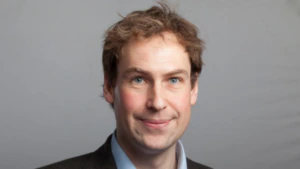
Michael Terwey
director of public engagement and research, National Trust for Scotland
“As chair of the Ethics Committee, I’ve been closely involved in the reviewing the code at every stage over the last two years. We’ve consulted widely and I’m grateful for all the feedback that we’ve had from members and stakeholders. I hope the changes we have made bring the code up to date with current practice, and the day-to-day work of members. The code should be a practical tool to enable people to address the issues that arise in the course of their work.”
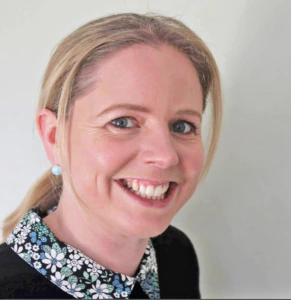
Hannah Crowdy
Head of curatorial, National Museums NI
“At National Museums NI we have been pleased to review and comment on the revised Code of Ethics – to reflect the unique and sensitive context for ethical best practice in Northern Ireland’s post-conflict society. In recent years our Ethics Policy has proven to be an essential touchstone for us in our work. We look forward to updating this policy in line with the new Code of Ethics, ensuring it remains relevant and continues to help us build trust and support good relations with our communities, partners and other stakeholders.”
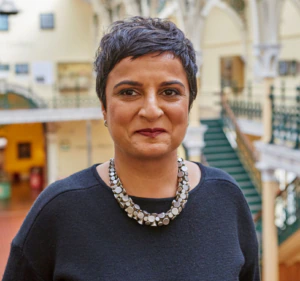
Sara Wajid
Co-chief executive officer, Birmingham Museums Trust
“I attended some fruitful consultation workshops led by Janet Marstine and was also involved in a private discussion of Museum Detox members. I hope the changes will empower those working to tackle the stubborn stuck areas particularly relating to freedom of speech and decolonisation. In Birmingham Museum and Art Gallery we recently opened The Elephant in the Room gallery about the ethics of collections relating to empire. Being involved in the Code of Ethics discussions and learning from wise colleagues deepened my understanding and raised my expectations.”