
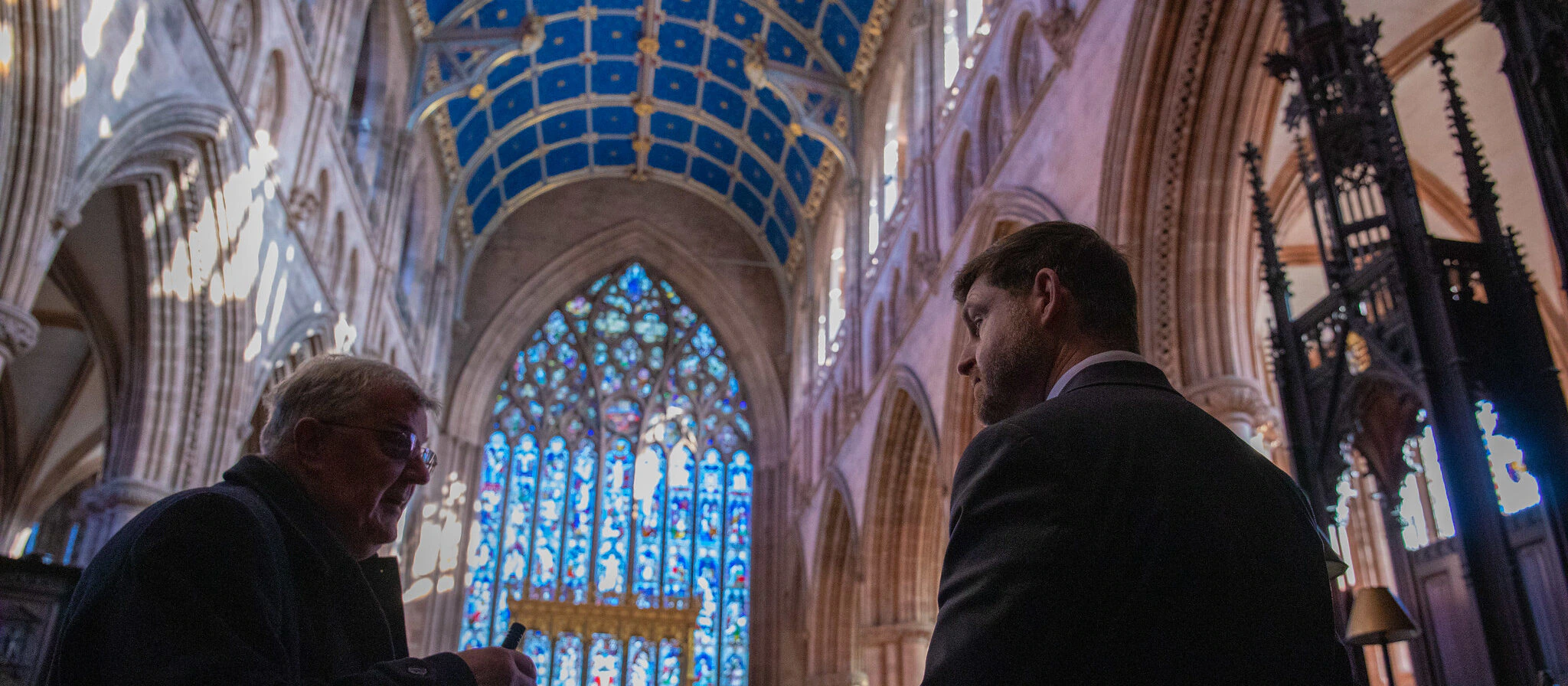
The UK is one of the Europe’s most centralised countries when it comes to political power and public spending – but that’s all about to change.
In July, the UK Government tabled its English Devolution and Community Empowerment bill, which, if passed, will give local and regional leaders across the country sweeping new powers and responsibilities for decisions that affect local communities.
The government outlined this vision in a white paper published last December, which called for a “generational project of determined devolution” in England aiming to tackle regional inequality and ignite growth.
The white paper stated that “micromanaging from the centre combined with short-term, sticking-plaster politics has left England’s regions in a doom loop, unable to achieve their potential”.
“Top-down micromanaging of individual decisions” will be replaced by a “principle of constitutional autonomy and partnership”, said Jim McMahon, minister for local government and English devolution.
“Everyone – from frontline councillors convening their communities, to regional mayors leading strategic economy policy – needs the tools and trust to deliver change.”
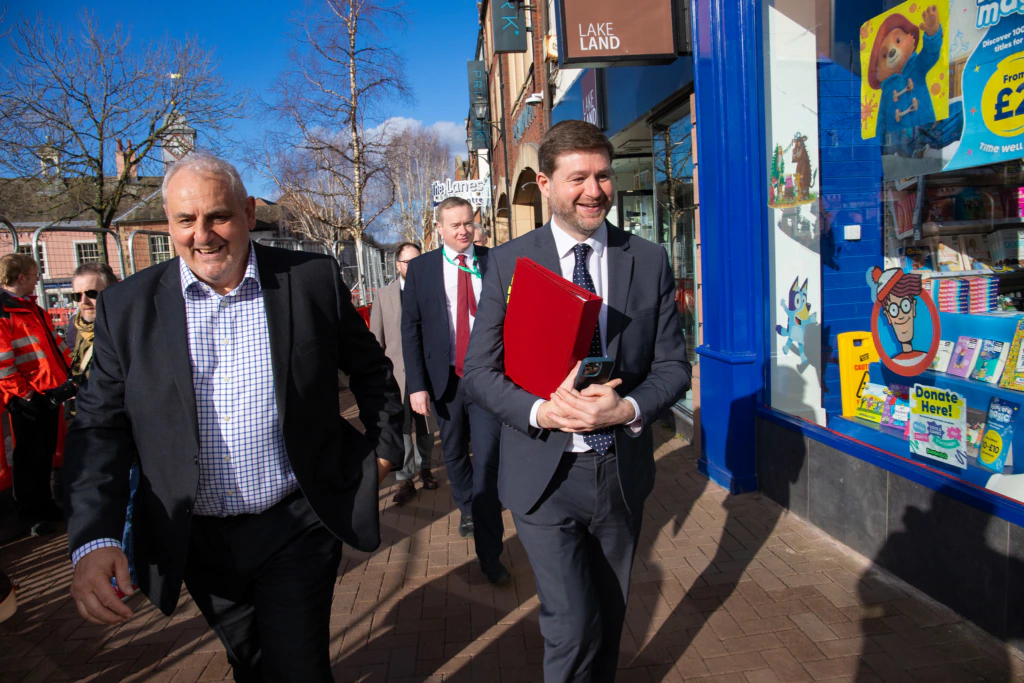
Strategic authorities
The new bill aims to create a new architecture for local government, introducing the concept of strategic authorities that will bring more than one local authority together over a large geography.
Advertisement
The government’s ambition is that each authority in England will eventually be led by a directly elected mayor, expanding on the model established in areas governed by mayoral combined authorities, such as Manchester.
These new authorities will have a mandate to strategically drive growth in areas such as economic development and regeneration, health and wellbeing, and public service reform. The idea is also being considered in the devolved nations, with the Scottish government eyeing “devolution deals” to hand more power to the cities and regions.
So what could this devolution revolution mean for local and regional museums, and cultural services?
The civic sector is in a precarious state after 15 years of spending cuts and some sector leaders have expressed concern that culture and heritage have been largely absent from the national debate about devolution policy, despite being identified as key strategic growth areas by the UK’s national governments.
According to one insider, culture wasn’t even mentioned in the earliest drafts of the white paper. Thankfully, after some lobbying from the sector, the white paper now emphasises that culture, heritage, sport and tourism are “vital anchors in regional economies” with “huge potential to drive local economic growth and create opportunities”.
The government says it will work with mayors and local authorities to “devolve the levers of growth in these sectors” and ensure funding decisions align with local growth plans.
Advertisement
The government will review data on cultural spending to ensure it provides a better picture of local impact and investment.
Supporting local areas
“We want to ensure all of the Department for Culture, Media and Sport’s [DCMS] arm’s-length bodies – including arts, sports and heritage organisations – do their bit in supporting local areas to grow and develop their culture, sports, heritage and tourism offer,” the white paper says.
Ahead of the bill, six areas will join a Devolution Priority Programme, fast tracking them to becoming mayoral authorities: Cumbria; Cheshire & Warrington; Norfolk & Suffolk; Greater Essex; Sussex & Brighton; and Hampshire & Solent.
Museums Association president Steve Miller, the head of Norfolk Museums Service, has been part of the discussions around devolution in Norfolk and Suffolk, where plans are in motion to elect a mayor for the combined region in May 2026.

“The museums in these two counties are very engaged with the devolution process on many levels, including through the Norfolk and Suffolk Culture Board, where the larger museums are represented,” he says.
Advertisement
“Culture and heritage have a strong voice and strategic involvement in Norfolk and Suffolk, and key bodies such as Norfolk County Council have an excellent record of investment and championing culture and heritage.”
Ensuring museums are part of discussions on future policy is key, he adds. “In our region, many highly valued strategic partnerships and arrangements are in place, and we would want to work together to ensure our communities continue to benefit.”
Although it won’t solve the structural funding issues facing civic museums, Miller believes devolution has exciting potential for local culture and heritage.
“The creation of mayoral authorities could bring a helpful focus to the work of museums and their intrinsic value in shaping strong and resilient communities, and also in supporting the local economy, particularly the visitor economy,” he says.
“There is the potential to build new narratives around heritage and culture, and possibility of creating funding programmes and projects that the sector could support and even provide leadership around.”
Civic culture has benefited from this approach in established mayoral combined authorities, which were first introduced under the Conservative government in May 2017. Several of these authorities, including Greater Manchester and Tees Valley, have since produced specific culture strategies and investment programmes.
In Manchester’s case, this led to a “Trailblazer Devolution Deal” with the government in 2023, which has a specific element focused on culture, as well as a Creative Health Strategy focused on maximising the potential for culture to contribute to wellbeing.
Arm’s length bodies
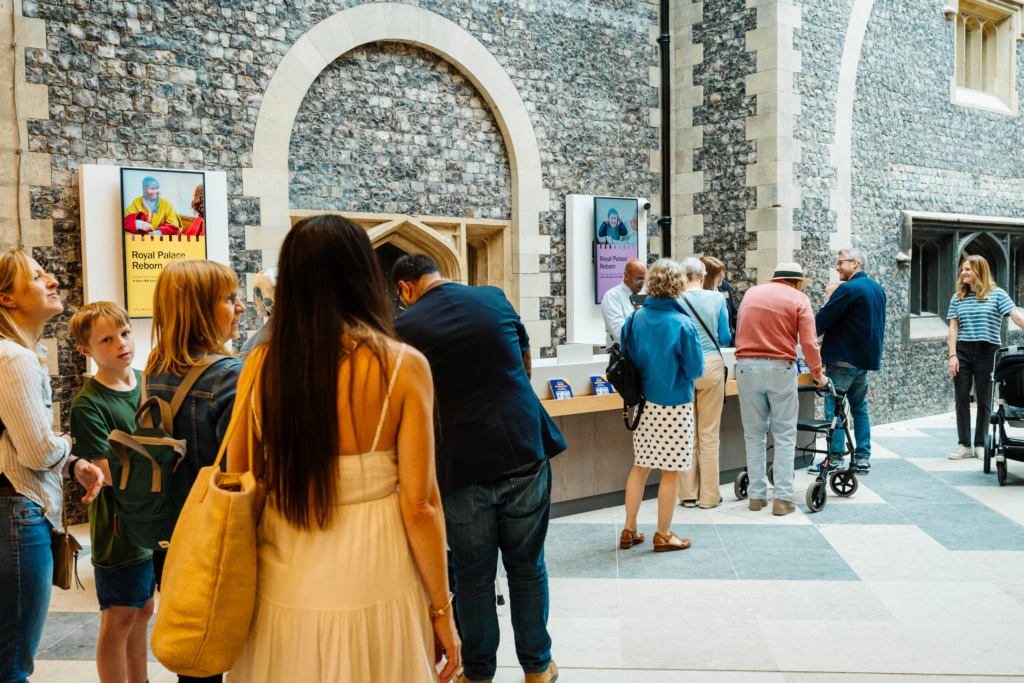
But what about existing national development agencies such as Arts Council England and Historic England? Arm’s-length culture and heritage bodies will certainly have a vital role to play in this process, and the government has committed them to work in partnership with mayoral authorities.
But Museums Journal understands that conversations with arm’s-length bodies about devolution have also indicated a reluctance to devolve funding and power.
The architecture of central government itself is also in flux, with a 1.4% funding cut to DCMS and a review of Arts Council England ongoing as Museums Journal went to press.
Another challenge might be the sector’s ability to adapt to this new world. “Given the many challenges facing the museum sector, I am sure that the processes of devolution seem distant and not a high priority for many organisations,” says Miller.
“However, awareness of and engagement in the process feels very important. In Norfolk, we feel positive about the benefits of devolution because they are so clearly evident elsewhere and are able to open up new opportunities and new funding streams.”
Power play
The consultancy Culture Commons recently published a report setting out policy recommendations intended to help the UK’s creative, cultural and heritage ecosystem to make the most of devolution in the coming years.
“It’s not right to look at devolution as a policy – it’s a prism through which you look at policy,” says Culture Commons director Trevor MacFarlane. “It’s not about handing over power to the [culture] sector but handing over power to local communities.”
The report says that culture has “sometimes been an afterthought” in devolution deals, and calls for local or devolved policymaking centred on the creative industries to involve cultural organisations from the start.
With resources depleted in local government, work needs to be done to establish a more robust framework for cultural policy-making at a local and regional level, including stronger statutory protections for cultural heritage.
“Until regional infrastructure is in place, we think it would be irresponsible to outsource policy-making,” says MacFarlane.
The report calls for partnerships to support culture, better-targeted long-term investment, and a “clear and compelling narrative about the value devolution can add to the creative, cultural and heritage ecosystem”, to ensure that devolution is a success.
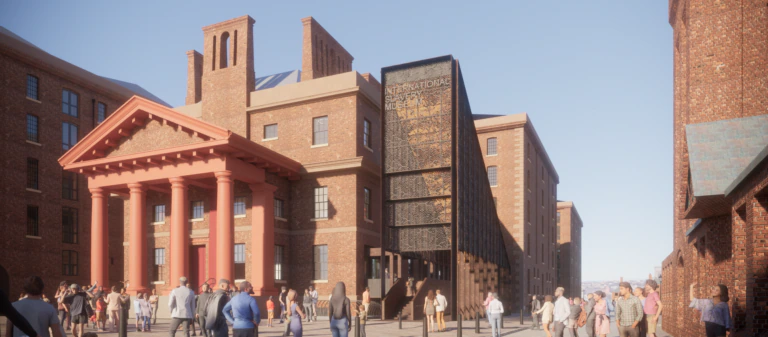
I see significant risk that the DCMS funded museums that are cornerstones of culture in some of our regions (I recognise there are gaps) such as NML, Science and Industry Museum, Royal Armouries, Media, and Railway Museums get excised from the portfolio and given to Combined Authorities, there to prosper – or wither – as the dictates of the (Reform?) directly elected mayors dictate. Meanwhile DCMS would continue to fund all the London institutions and branches giving them an ever greater spending power relative to the poorer north. Unduly pessimistic?
As far as ACE is concerned, for all its faults, it is not subject to the daily whims of party politics – something that would certainly not be true were its funding devolved to combined authorities.