It’s been just over two years since Museums Galleries Scotland (MGS) launched its strategic vision for museums and galleries, which covers the remainder of the decade up to 2030.
At the heart of the Scotland’s Museums and Galleries Strategy document is a “Celtic knot” of three interlinking strands – resilience, connection and workforce. These are supported by 10 priority areas for the sector: inclusion, health and wellbeing, education, place, fair work, diversity, skills and confidence, financial resilience, climate action, and collaboration.
Published in the wake of the Covid pandemic and cost-of-living crisis, it’s a good thing the document was designed to be adaptable, because the slow-burning pressures on museums have only worsened since then.
Brink of bankruptcy
The ongoing local authority funding squeeze was exacerbated by national government cuts last year, including 15.5% for non-national museums. By the end of 2024, some cultural institutions were warning that they were on the brink of bankruptcy.
The real-world consequences of the crisis can be seen in the recent closures of Auchindrain Historic Township in Inverary, which is currently exploring new operating models, and Alyth Museum in Perthshire.
Advertisement
The Scottish government – which has had its own leadership crisis to grapple with since Nicola Sturgeon’s resignation as first minister in 2023 – has since reversed some of these cuts, boosting funding for non-national museums by 39.3% in 2025-26 and launching a Scottish Culture & Heritage Capacity Fund, which will provide £4m to help address the challenges facing the sector.
Despite this much-needed funding boost, cultural bodies have warned that this year’s budget does not go far enough, with most of the additional money swallowed up by rising costs.
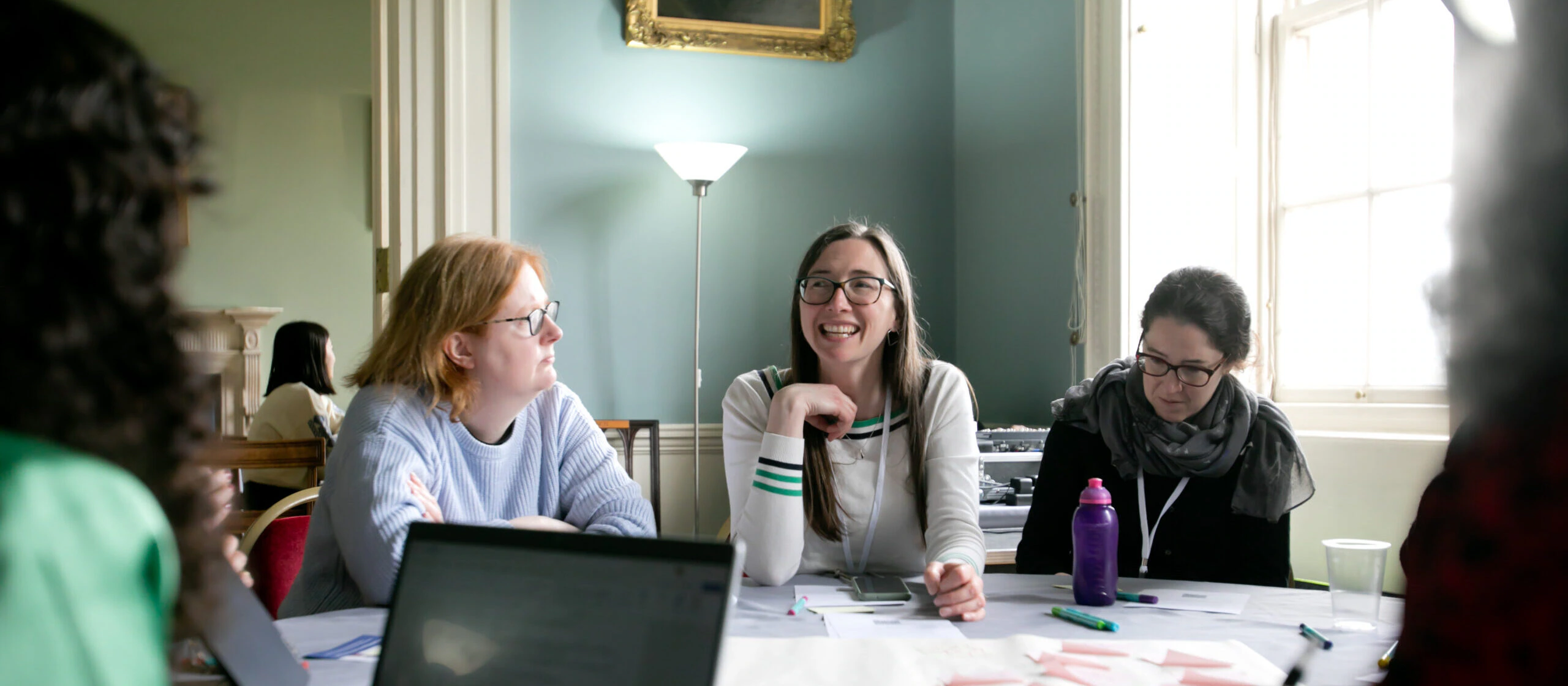
So how is MGS’s strategy faring in this uncertain climate? Earlier this year, MGS held a symposium bringing about 300 professionals from across Scotland together to discuss the progress of the strategy and the state of the sector.
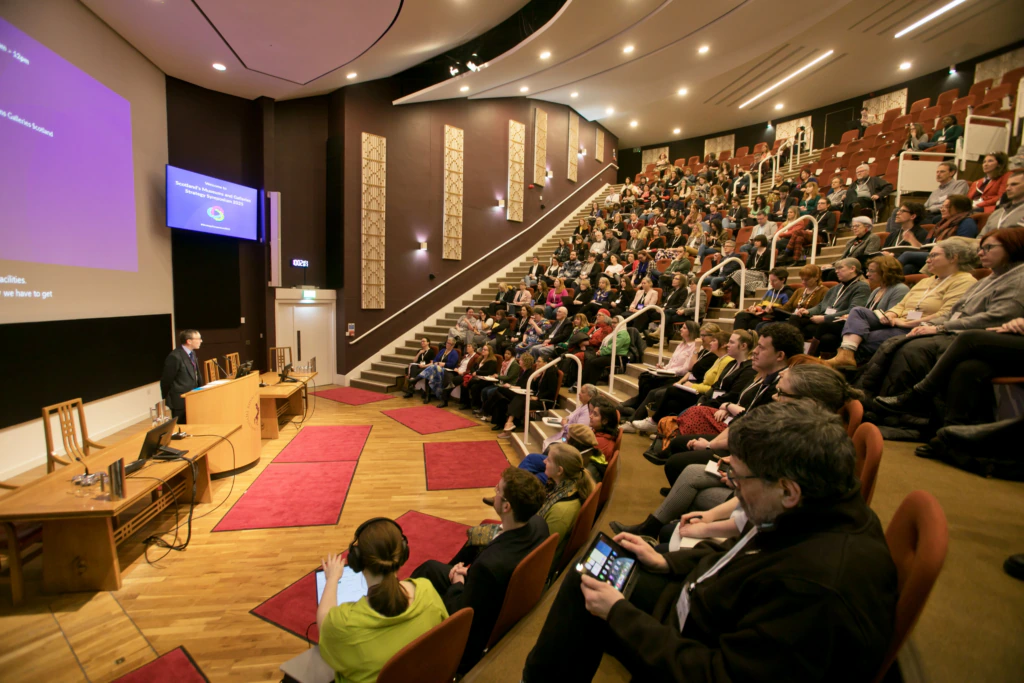
After the ups and downs of the past few years, there was a sense that some stability is gradually returning.
MGS’s chief executive, Lucy Casot, says: “As the strategy enters its third year, we are at a pivotal moment with new sources of funding that will enable us to help deliver across multiple strategy priority areas.
Advertisement
“MGS has access to increased capital funding to help address a backlog of repairs, maintenance and upgrades across the sector. We are also currently working with colleagues in the Scottish government to establish the parameters of the new £4m Scottish Culture & Heritage Capacity Fund, which will respond to the urgent needs in the sector and how we can adapt to create greater resilience. We hope to announce more details of this fund soon.”
However, although welcome, museum sector bodies have warned that time-limited grant funding on its own will not suffice. More fundamentally, a feeling remains in the sector that the government fails to recognise the intrinsic value of heritage or the high cost of caring for collections, which sets museums apart from other cultural services.
As one museum director told Museums Journal, no matter how much the sector tries to build resilience and diversify income, some sites – particularly in remote areas off the main tourist trail – will always require core public support.
A key ask of the government over the next few years will be multi-year funding for non-national museums, similar to the regular funding provided to other cultural organisations by Creative Scotland, or Arts Council England’s National Portfolio.
Museums Association policy officer India Divers says: “We are pleased the Scottish government has committed to providing much-needed capital funding to museums. We will continue to make a strong case for continued investment and for the benefits of introducing multi-year funding for the sector, which would give museums some much-needed certainty and the ability to plan ahead.”
This year, there will be a vital opportunity for the sector to make the case for a new approach to public investment. In March, Scottish culture secretary Angus Robertson launched a review and consultation into culture funding, which aims to investigate and develop “innovative funding solutions as well as non-financial support for the sector”.

External pressures
In addition to the more sector-facing concerns explored at the symposium, there was discussion of the new external pressures that museums are likely to face in the coming years.
Advertisement
The historian David Olusoga, who gave a keynote speech, warned that work in key strategy areas such as diversity and inclusion, as well as addressing legacies of empire and slavery, would be made harder by the “global political winds”.
However, there is confidence that the strategy will stand the test of time, even in this fast-changing environment.
“The sector strategy was always designed to flex, depending on evolving needs, and the conversations that were had at the symposium are helping us stay focused on key priorities, and mean we can provide strategic support where it is most required,” says Casot.