Cultural education has taken a hit in recent years, with fewer students taking courses such as art, design, dance, drama and music. Many in the cultural sector feel there has been a systematic downgrading of these subjects in educational establishments, particularly state schools.
This has led to concerns about the impact that this will have on the arts ecosystems and the wider creative industries. This ranges from involvement in grassroots arts, the benefits of arts education on wellbeing through to people being interested in arts careers.
The Cultural Learning Alliance’s Blueprint for an Inclusive Arts-rich Education for Every Child, issued in May 2024, states: “An arts-rich education is an integral part of a broad and balanced education, contributing to children’s personal, social and creative development. It also provides young people with skills for life and work that are valued by both young people and employers, enabling them to thrive as active citizens.”
Hopeful outlook
Despite efforts to explain to the previous government the societal and economic benefits of investing in arts education, little progress was made. But the new government has ushered in a more hopeful outlook, pledging to combat the decline in the number of pupils studying arts subjects.
Sally Bacon, co-chair of the Cultural Learning Alliance, says. “The rhetoric from the new government about arts and cultural learning has been positive, as has the emphasis on removing barriers to opportunity. But it’s all about signals, as well as practical changes. What will the upcoming interim report from the Curriculum and Assessment Review tell us about changes to the curriculum, assessment accountability systems to ensure that they properly value expressive arts subjects?
Advertisement
“The review is a massive opportunity to properly embed arts and cultural learning within England’s schools, and to halt the stark decline that we revealed in our 2024 Report Card. There is a lot of arts and cultural learning infrastructure that needs to be rebuilt. Our 2025 Report Card will soon tell an even more urgent story about why our schooling system needs to change, and which children and young people are missing out on arts opportunities and experiences under the current system.”
The review of the curriculum, announced shortly after the new government was elected last summer, is being led by education policy expert Becky Francis. It aims to create “a broader, richer, cutting-edge curriculum that drives high and rising schools standards and sets all young people up for life and work”.
Financial commitment
Leeds Museums and Galleries’ head of learning and access, Kate Fellows, is positive about the review, which will publish its recommendations later this year. “The statement talks about music and art, which is a broad brush for cultural education as a whole,” she says.
“There was also reference to digital literacy, inclusion and Send [Special educational needs and disability] practice and environmental sustainability – all topics where museums can contribute significantly to the conversation and potentially lead the way.”
Fellows wants any new approach to come with a financial commitment: “I’d like to see a cultural education plan alongside the review, or preferably embedded within it, with funding attached to make it more than just words. That would show the sector, and the wider public, that cultural education is valued, and not just for its economic impact.”
Advertisement
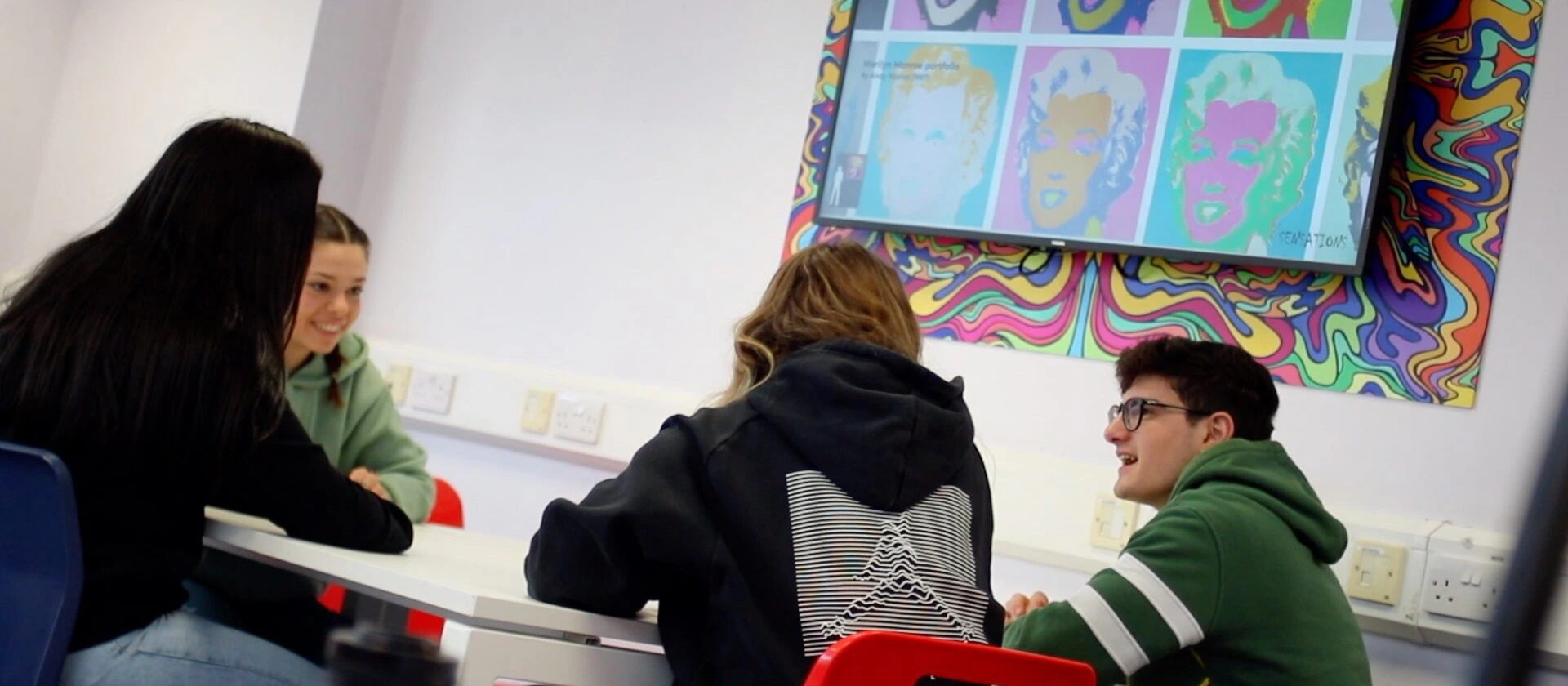
Organisations, meanwhile, are launching their own initiatives. After a successful pilot, Art in Schools has extended its initiative to increase access to artworks for children and young adults. The programme places large screens in schools that show works of art – including paintings, sculptures, photography, video and digital art – from museum collections.
Institutions taking part include the National Portrait Gallery in London and Paris’s Louvre Museum. The programme will expand to 15,000 students in 15 secondary schools across the UK this year, with a target of reaching 1,000 schools by 2027.
Education and art consultant Karen Hosack Janes says: “Art feeds our own creativity and should be part of everyday life. Art In Schools helps all schools to make this happen.”