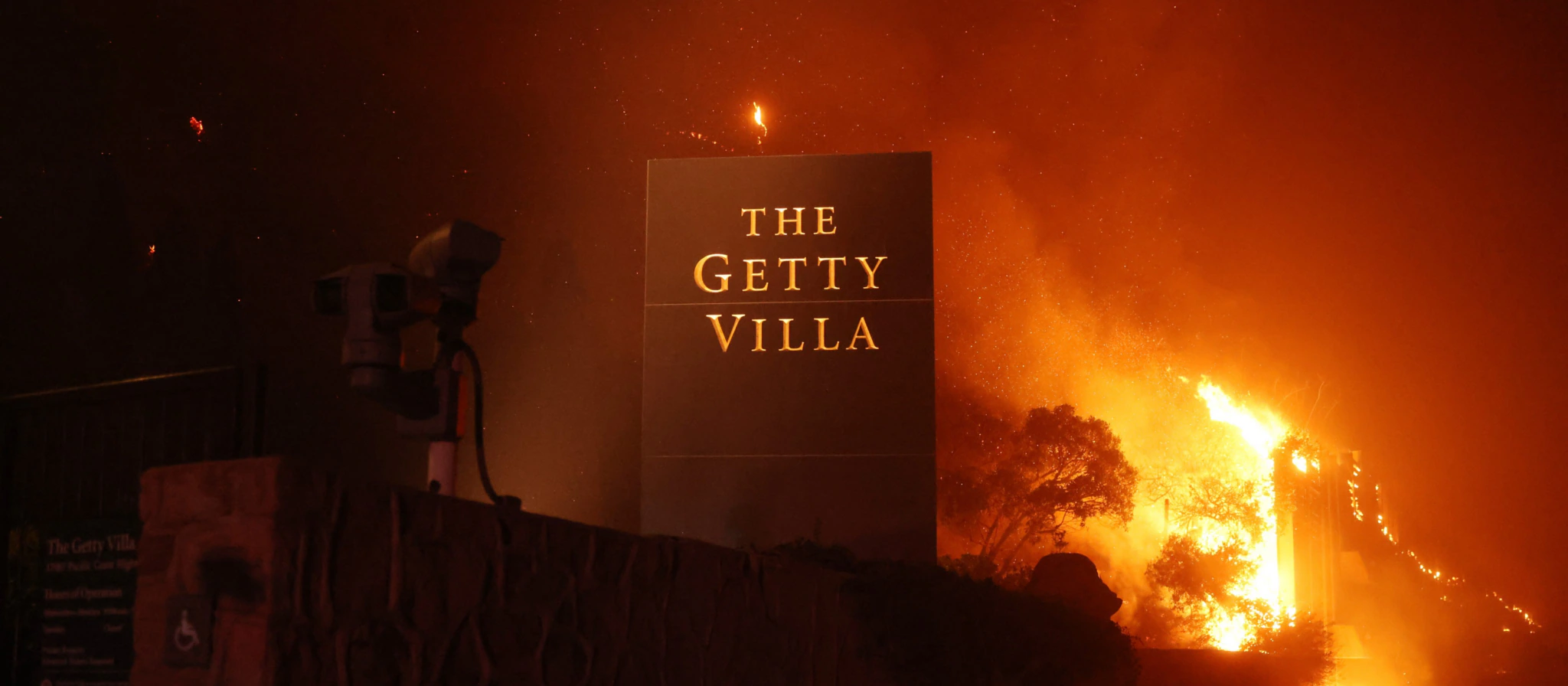
In January, as cataclysmic wildfires surged towards the Getty Villa in Los Angeles, museum staff spread out across the grounds with fire extinguishers, desperately trying to put out the falling embers.
To anyone following the news the day the Pacific Palisades blaze first broke out, the destruction of the museum looked almost inevitable, as it vanished behind a wall of smoke and flames.
The loss of the institution, which holds a collection of more than 40,000 antiquities from the ancient Mediterranean, would have been a terrible blow to the world’s cultural heritage, on top of an already catastrophic tragedy for the city and its residents.
“[I would like to see] the full integration of culture into climate action plans on all levels”
But thanks to the heroic efforts of those on the ground, as well as the museum’s extensive fire mitigation measures (see box), the building and its collections miraculously survived. Days later, the museum’s sister institution, the Getty Centre, avoided a similar fate as new wildfires swept through the Brentwood area of the city.
Owned by the J Paul Getty Foundation, the Getty museums are among the richest cultural institutions in the world, with the resources to protect their buildings and collections against a multitude of disasters.
Advertisement
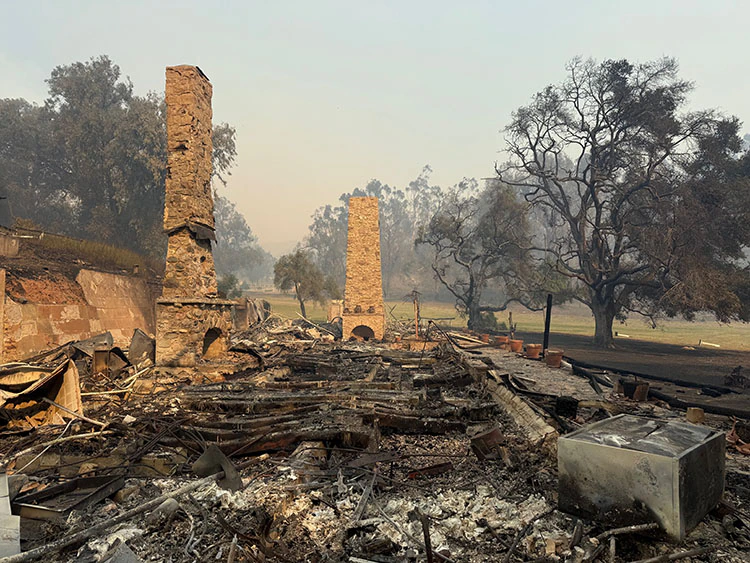
Other important museums and heritage sites, however, were not so lucky, including a ranch-turned-museum that belonged to the early Hollywood movie star Will Rogers, as well as countless private collections and studios full of art and cultural property.
Increased threat
The wildfires have once again highlighted the increased threat posed by global heating not just to people’s lives and livelihoods, but to the world’s shared cultural heritage. Just months before, deadly flash floods in Valencia, Spain, caused irreversible damage to a range of museums, heritage sites and artist collections.
Across the world, cultural institutions are grappling with the cost of mitigating extreme weather events, repairing damage and reducing their own impact on the planet.
In addition to practical adaptation, the climate crisis has become an increasing priority for culture sectors in terms of public programming, with many institutions demonstrating the uniquely powerful role they can play to inspire awareness, hope and action.
Advertisement
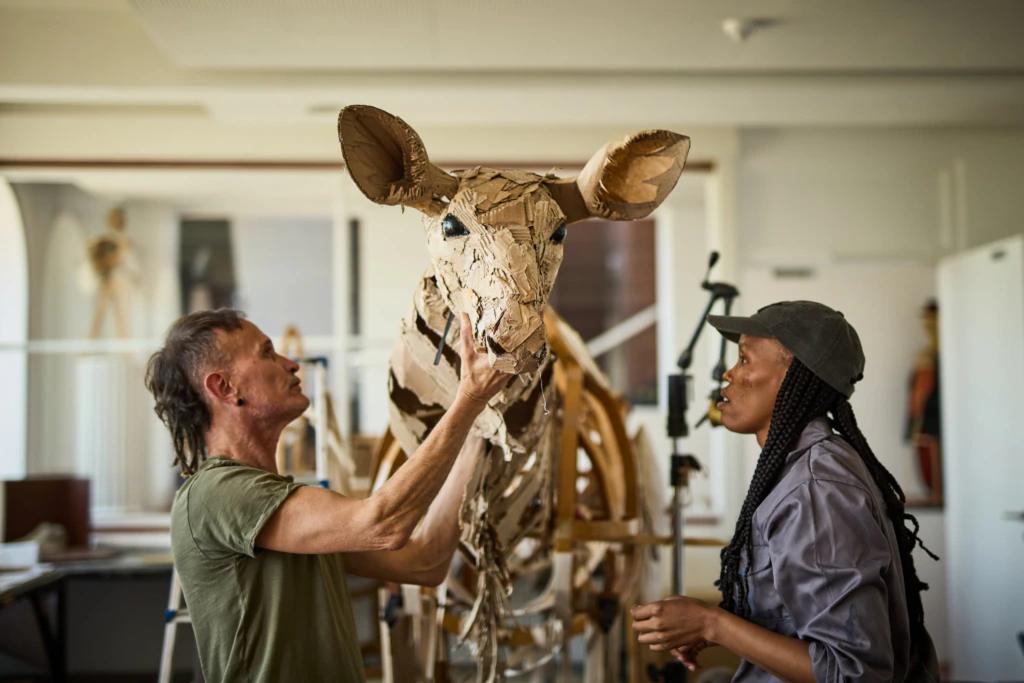
This potential is evident in large-scale projects such as The Herds, an ambitious global public art endeavour that will see herds of life-sized puppet animals travel 20,000km from the Congo Basin to the Arctic Circle this spring to raise awareness of climate change and ecosystem destruction, in partnership with institutions across 11 countries.
However, a key challenge for the arts and culture community at policy level is that it continues to have only a small voice in international climate discussions.
To address this, the Cultural Heritage Network launched a global call to action in 2023 – backed by more than 1,500 organisations globally, including the Museums Association – to “put cultural heritage, arts and the creative sectors at the heart of climate action”.
‘Capacity to enact change’
The network argues that “culture has an unparalleled capacity to enact change” and urges governments around the world to push for a Joint Work on Culture and Climate Action decision at the UN’s annual Conference of Parties (Cop).
Advertisement
According to the network, this would address a “critical gap issue” in climate crisis discussions – namely, the intersection of culture and climate action – and would enable a “landmark work programme putting culture and heritage at the heart of climate policy, planning and action” to be introduced at a future Cop.
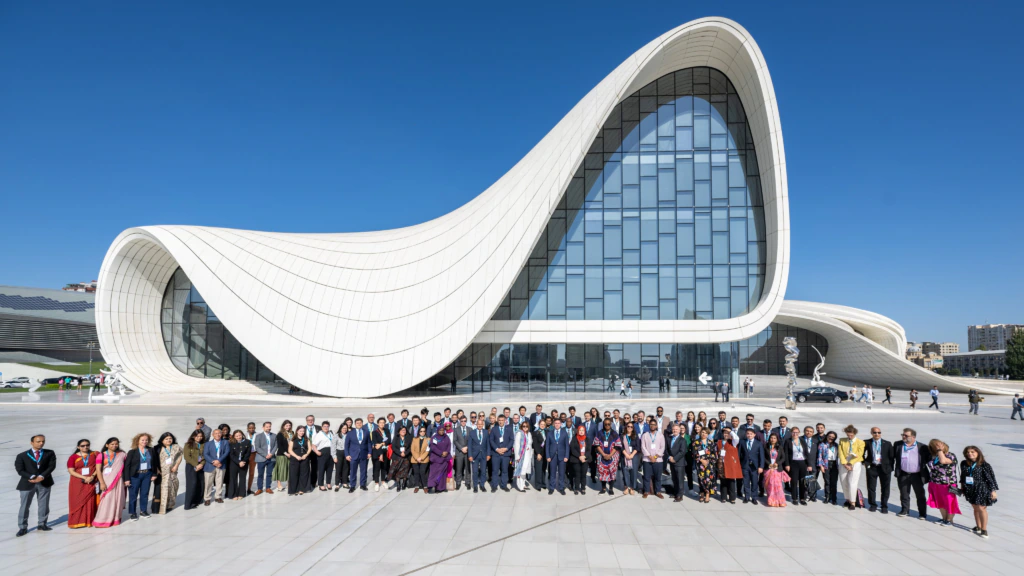
Culture did successfully make it on to the agenda at Cop29 in Baku, Azerbaijan, last November, where the International Council of Museums (Icom) and the Group of Friends of Culture-Based Climate Action held a ministerial discussion to highlight the importance of cultural heritage
in climate action.
Icom’s director general, Medea Ekner, told the meeting that she would like to see the “full integration of culture into climate action plans on all levels” and would seek to mobilise the museum community “as a unified force, driving meaningful and collective action to address the climate crisis”.
In spite of these talks, however, Cop29 was largely a disappointment on culture, as the hoped-for joint work decision and a request to hold a workshop on culture-based action did not come to fruition.
Alison Tickell, co-founder of the charity Julie’s Bicycle, wrote in a blog reflecting on her time at the conference as part of the culture delegation: “For obvious reasons G20 priorities focused on climate ambition, finance and conflict. Against these issues, culture might seem of lesser importance – and therein lies the problem. Culture is not properly understood and we, the culture community, have to work much harder to make the case.”
However, Tickell said she was hopeful for future conferences. “We didn’t get the mentions, nor the workshop request at Cop this year, but we are closer,” she said.
“And not only to bridging the culture gap with culture-led policy… it also brought us, in Baku and beyond, closer to one another. And therein lies our path. I have never felt common cause for culture at Cop so powerfully, nor so connected to the culture crews that rock up to this strange event.”
Protecting cultural heritage
In other positive news, the UAE Framework for Global Climate Resilience, which was adopted following Cop28 in 2023 and makes climate adaptation a top priority for all nations, prioritises the protection of cultural heritage as a key sector in the framework.
The focus now is on ensuring that cultural heritage has a higher presence at Cop30, which takes place in Brazil in November. It must be hoped that this year there will be less fiddling about while the world burns – and the world’s cultural heritage along with it.
How the Getty emerged unscathed
The J Paul Getty Trust’s two museum sites, the Getty Villa and Getty Centre, emerged as beacons of hope during the devastating LA wildfires. This was no miracle, however, but a result of careful preparation.
“Everybody always told me about the James Bond-like construction of our sites – and then I actually saw it in action,” says Getty president and chief executive Katherine Fleming. “It is pretty astonishing.”
Fire resistance is a key consideration in all aspects of the buildings. Walls and roofs are made of fire-resistant stone, reinforced concrete and protected steel. Additional protection includes double-walled construction in galleries, sprinklers – only used as a last resort – and a high-tech air-handling system that keeps smoke and ash out.
Both sites have an irrigation system and onsite reservoirs. Plants are chosen for their fire-resistant properties, while the grounds are routinely cleared of excess vegetation.
Even these measures may not have been enough had it not been for the museum’s workers, however, who dedicate hours each year to emergency preparedness.
As it became clear that this was no ordinary brush fire, staff headed home apart from a dozen security and facilities employees who volunteered to stay. They worked round-the-clock to patrol the hilltop acres around the museum.
As flames encircled the grounds, the on-site team kept in touch with staff monitoring the situation from the Getty emergency operations centre 10 miles away. Fleming describes watching footage of the fire on security cameras and directing those on the ground towards flare-ups.
The fire got within six feet of the building, but the museum emerged unscathed – although the water in its fountains had turned black with ash.