The appointment of Sinn Féin’s Michelle O’Neill as Northern Ireland’s first minister in February was a defining moment.
Taking the reins after two years without a government, O’Neill is the first republican politician to hold the role, and her accession has inevitably sparked a renewed conversation about the potential unification of Ireland.
However, the Stormont assembly has been suspended for much of the past seven years, and the newly formed executive has a lot on its plate and much to prove to voters before it would be in a position to broach such a momentous change.
The Northern Ireland Executive is keen to send out the message that the nation is open for business.
The power-sharing government, led by O’Neill and deputy first minister Emma Little-Pengelly of the Democratic Unionist Party (DUP), has been making a show of unity; in March, the two attended the St Patrick’s Day ceremony at the White House – the first joint visit by executive office ministers since 2016.
For Northern Ireland’s culture, arts and heritage sector, this new feeling of stability, and perhaps even optimism, hasn’t come soon enough.
Advertisement
As Museums Journal has reported previously, the power vacuum in government had left a sense of paralysis and stagnation across a sector that was struggling with the impact of the pandemic and cost-of-living crisis.
Projects delayed
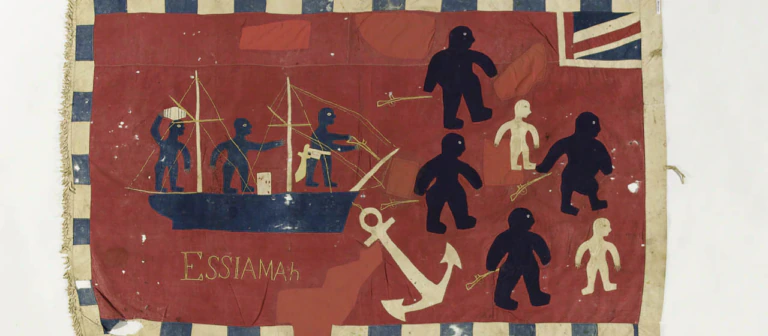
Important capital projects, such as the Derry-Londonderry on the North Atlantic (DNA) maritime and migration museum, were hit by departmental delays, while major budget decisions – such as last year’s 5% cut to Northern Ireland’s museum bodies – were made without democratic scrutiny or ministerial oversight.

The DUP’s Gordon Lyons, the minister for the Department for Communities, which includes culture and museums in its remit, has said his priority is to “deliver real, positive and lasting change”.
“My strategic focus is on those programmes and policies that are transformative for people’s lives and for our society,” Lyons said in his first statement as minister.
Advertisement
“There is a huge task ahead, particularly due to the budgetary constraints, but I am up for the challenge. I will be looking carefully at every pound spent to make sure it goes to those who need it most and to deliver positive impact for people.”
Lyons’s appointment has been welcomed by the sector. Sharon Heal, the director of the Museums Association, says: “We look forward to working with Gordon Lyons to promote the vital role museums play in bringing communities together.”
Ministerial support
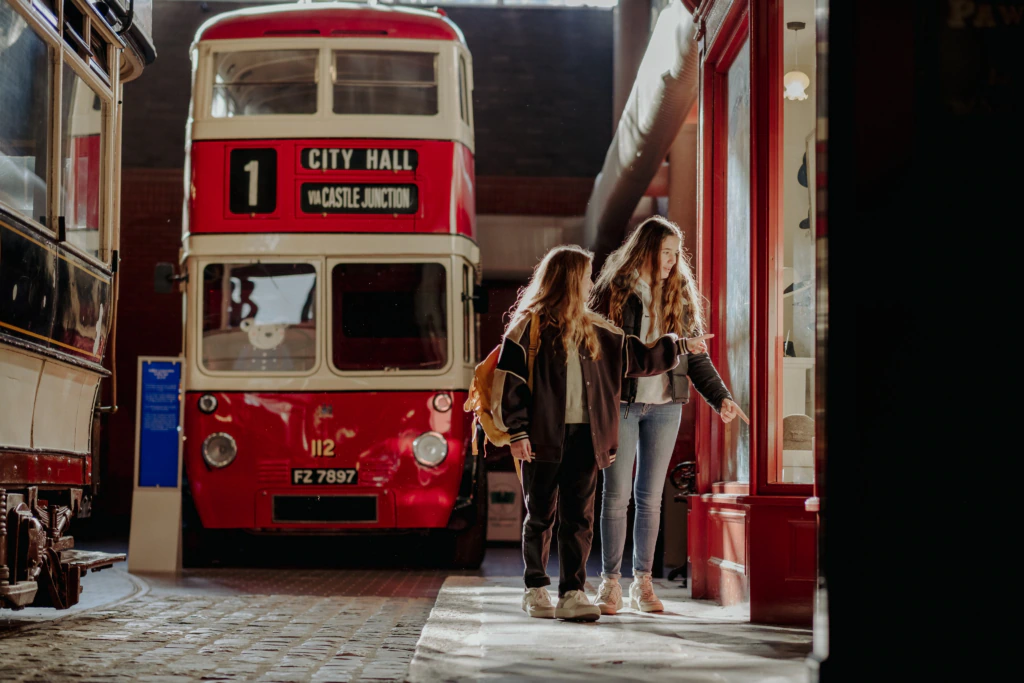
Lyons has proven to be supportive of heritage and tourism. In his role as economy minister in the previous executive, he helped to secure the long-term future of the HMS Caroline museum ship in Belfast, as well as supporting Ulster Transport Museum’s Museum of Innovation permanent exhibition.
However, there appears to have been little movement as yet on the sector’s urgent priorities.
“There’s a lot of showboating from politicians but it hasn’t trickled through to the culture sector,” one museum professional told Museums Journal – although more is apparently going on behind the scenes as teams of civil servants are assembled.
Advertisement
For museums, two of the department’s most important tasks will be the development of a long-awaited culture, arts and heritage strategy, which is due to be put out for public consultation this summer, and a new museum policy, which is being updated for the first time since 2011.
Developing a museum policy for Northern Ireland
Members Together, 6 June
Join us at our free members’ event at Ulster Museum on 6 June to hear representatives from the Department for Communities discuss their plans for a new museum policy for Northern Ireland.
The event is open to members of the Museums Association and the Irish Museums Association.
MA members: please book via our website
IMA members: please email events@museumsassociation.org to book your place
The strategy has been developed in response to the recommendations of a taskforce that was set up two years ago.
A 2023 report by the taskforce found that culture, arts and heritage have been “pushed to the fringe of investment priorities” and said there was a “track record of decisions continually reducing investment in the sectors over a prolonged period” (see box).
Culture, Arts and Heritage Taskforce report, 2023
“The taskforce strongly encourages the Northern Ireland Executive and local government to reassess the value they place on culture, arts and heritage, and its intrinsic importance to people, communities and in place making.
We recommend the government invests in strengthening sectoral organisations and supporting practitioners that already deliver and catalyse economic, social and environmental benefits for this region.
We want executive departments, local councils, arm’s-length bodies and other agencies to increase and align investment to fully recognise and support the impact and potential of our sectors.
The taskforce believes the value, impact and relevance of culture, arts and heritage is not sufficiently recognised, understood nor supported across executive departments and aspects of local government.
This fundamental barrier must be addressed, as it fuels decisions that directly lead to decreased investment, lack of strategic alignments, reduced benefits for people, communities and places, and missed opportunities for this region.”
The taskforce found that Northern Ireland “pales in comparison to the focus and intent of [its] neighbours” when it comes to investing in culture. Government investment in the arts through the Arts Council of Northern Ireland was £5.44 per capita in 2022-23, compared with £10.35 in Wales and £25.90 in the Republic of Ireland.
The nation’s already-poor record of investment in culture has fallen further in recent years, the report said. Between 2011-12 and 2019-20, baseline investment in National Museums Northern Ireland fell by about 35%, which the report pointed out “was before the impact of Covid on self-generated income”.
The report warned: “Right now, the sustainability of these sectors in Northern Ireland is perilous.”
Meanwhile, in a separate submission, the taskforce highlighted that the significant contribution of culture, arts and heritage to the educational agenda had also been overlooked, with no reference to these sectors made in a recent independent review of education – although members of the education review panel have since met with the taskforce.
‘Systemic approach’
The taskforce has recommended “a systemic approach to how the culture, arts and heritage sectors are perceived and engaged with across government”, and a strategy that guarantees “an investment focus and framework to increase and align long-term support”.
The strategy is eagerly anticipated, but that’s not to say that the sector has been inactive in the meantime.
Although recent changes in planning regulations caused fresh delays, work is finally beginning on the DNA project, with the museum scheduled to open in 2026.
Meanwhile, the city’s Peacemakers Museum – which will tell the story of how Bogside residents and politicians such as Martin McGuinness, John Hume and Mitchel McLaughlin contributed to the peace process – is due to open soon.
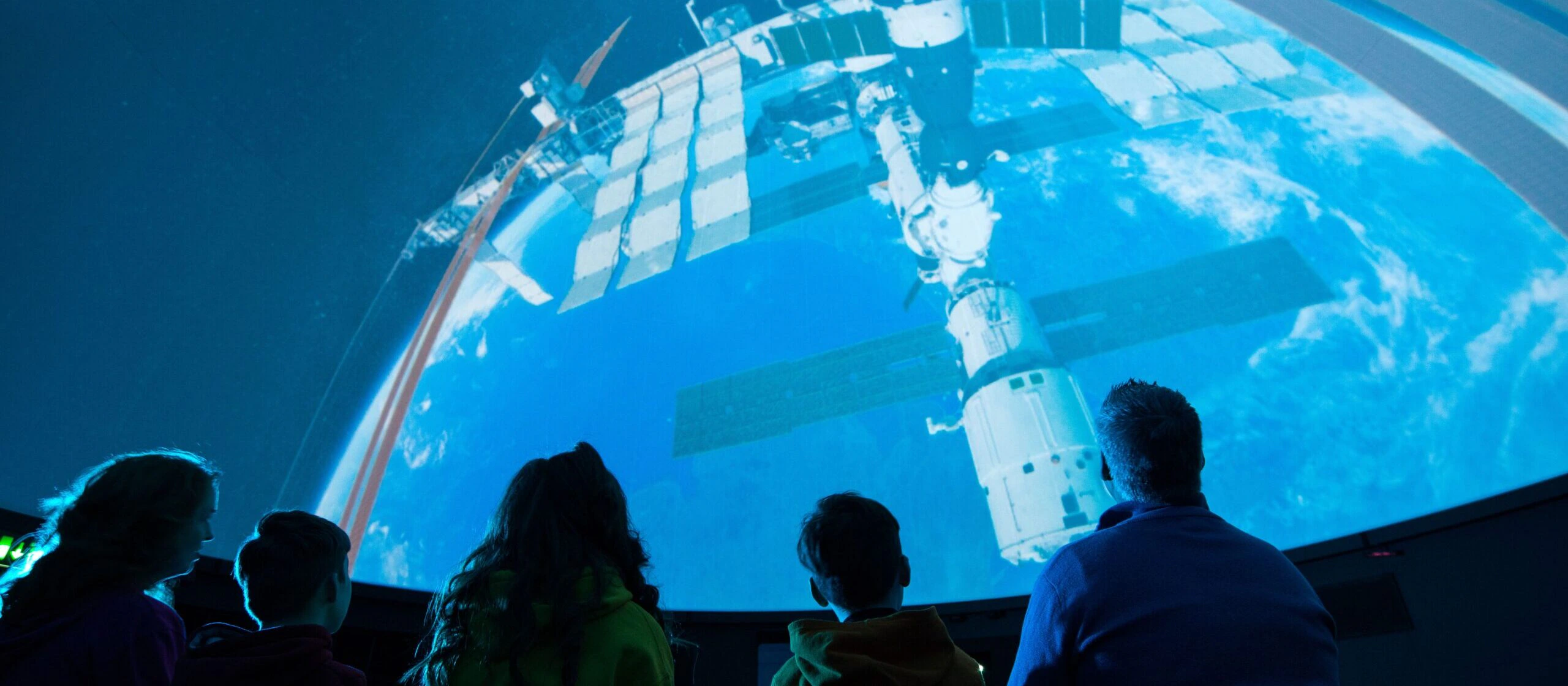
Also in the offing are major redevelopments of the Armagh Observatory and Planetarium, and Ulster Folk Museum. Both are expected to receive funding from Peace Plus, a £1.1bn cross-border programme launched by the Special EU Programmes Body last year, which received support from governments in the Republic of Ireland, EU, UK and Northern Ireland.
Although the new executive faces huge challenges, there is also a sense of expectation in the culture and heritage sector that, after a long period of uncertainty and lack of leadership, change might finally be coming.