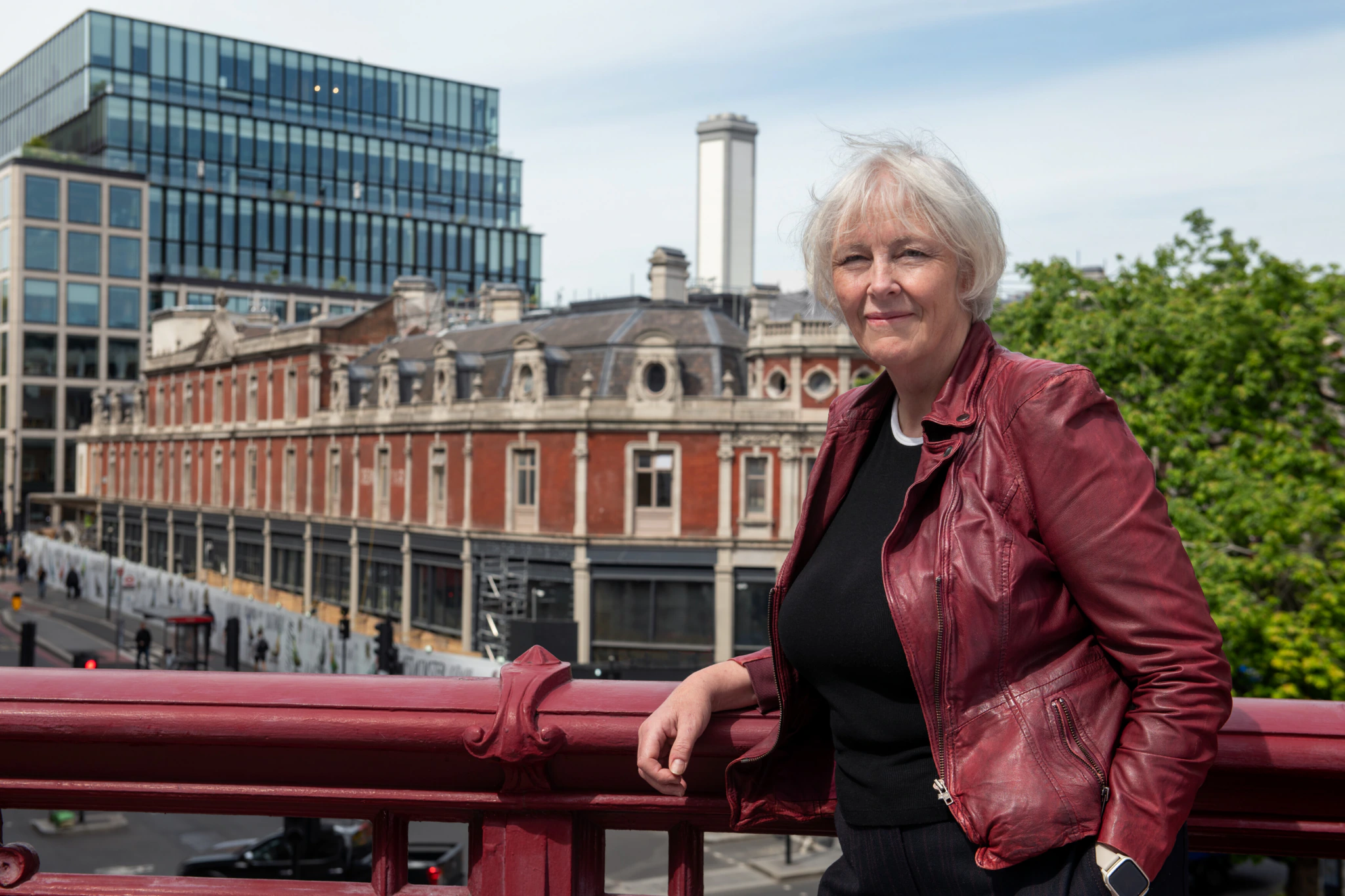
Sharon Ament is the director of the London Museum, which reopens at a new site at Smithfield market on 28 November.
The museum, which has moved from London Wall and changed its name from the Museum of London in 2024, cost £437m to develop. Funders include the City of London Corporation and Mayor of London Sadiq Khan, alongside support from others including Bloomberg Philanthropies, Goldsmiths’ Foundation, Linbury Trust and the National Lottery Heritage Fund.
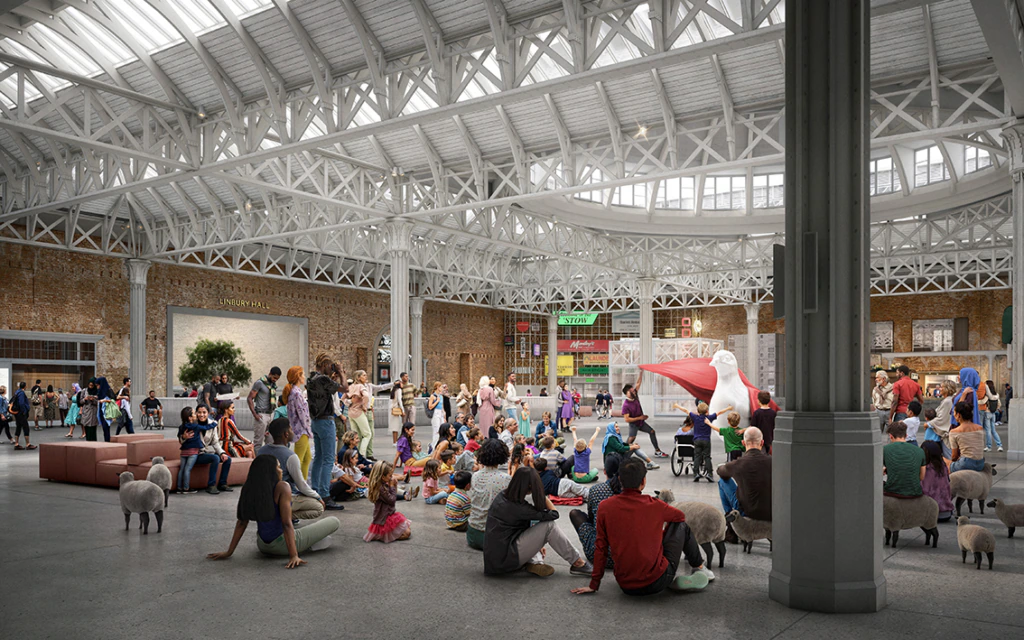
The formerly derelict Victorian General Market will house the museum’s permanent galleries, cafe, retail and event spaces. The adjacent Poultry Market will contain the museum’s learning centre, temporary exhibition spaces and collection stores when it opens in 2028.
London Museum is designed by Stanton Williams and Asif Khan, working with conservation architect Julian Harrap.
The museum was created from two other museums – the original London Museum and the Guildhall Museum. These organisations were amalgamated in 1965 and the new Museum of London opened at 150 London Wall in 1976.
Ament was born in Peckham and joined the London Museum in 2012 from the Natural History Museum, where she was the director of public engagement. She studied history of art at the University of Leeds and is committed to lifelong learning.
Advertisement
What will the move to this new site allow you to do?
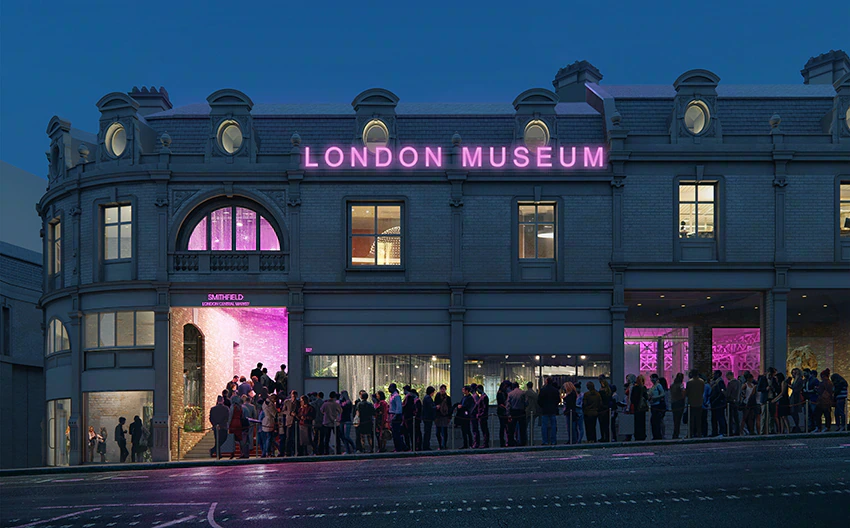
Moving to a market, a building that originally had a very different purpose, has made us be much more creative than if we had to build a museum from scratch. New museums are an architect's dream, but you often get the same old foyer, cafe and galleries. We will have four entrances because markets were made for people to come in and out really quickly.
Markets are super-democratic spaces, and that is really important. There is no intellectual or physical barrier to coming into a market and they are often in really good locations at the centre of transport hubs. We have gone from being completely hidden away at London Wall to being on the Farringdon Road, next to the eighth busiest train station in the UK.
How will the building work as a museum?
We've had to deal with the eccentricities of a building that was built across multiple levels because it's on the banks of the river Fleet, which runs under Farringdon Road, so it's on a slope. You have these different weird views of London and we had made the most of that. We've got a train line running through the basement so we have made it a feature. We've got a six-metre by three-metre window that means you'll be able to see into the museum as you go through on the train and see the other way round as well. It's brilliant.
Advertisement
How will the museum operate differently?
We’ve six shops and various offices that we are going to let to people, so we’re going to become a landlord. We've let one space to a pub, to be called the Poet, which is really cool. And we've got a bar. We have to have a different economic model for the museum and for the first time we'll be able to really generate secondary income, which is important because we're a free museum.
One of the outlets is going to be like an incubator for new chefs, which will be supported by our food and beverage partner, Green & Fortune. There are some really exciting things happening here.
It's a museum about the whole of London, but will you also tell a story about Smithfield and the local area?
We will tell a definitive story of 2,000 years of the history of London from when the Romans crossed into the town. And we dip a little bit before that, looking at what kind of people were living on the shores of the river Thames. London as a global city is a really important story, including the 33 boroughs and very specifics of that.
But unlike other museums that have gone into buildings that have had a former use, we will look at the history of the market, how it came about and who populated it. We don't have a Smithfield Market Gallery but we have Smithfield stories populated all around the site. I hope that people will kind of fall into those stories – they're on the walls, they're in the windows, they're all over the place.
What have been the main challenges of the project?
Keeping it going during a pandemic and there was also Brexit and raging building inflation. It is a massive project, which means you're going to get pressures to change it, to cut it, so it was important to know what really matters and what we were going get over the line by hell or high water.
Advertisement
How did you engage London’s communities in the project?
In the euphoric optimism and naivety of the early days, it was about how do we make the best museum for London. And then one of those questions was how do we engage the whole of the city. So, we gave ourselves a big scary target of engaging 100,000 people, which meant that we focused on it and we measured it all. There's been loads of community work, and it goes on and on and on.
And are young people an important part of that?
Absolutely – one of our strategic objectives is to engage every young Londoner. Often in museums, the recording of a young person's life is from the aspect of the memories of adults. It’s actually a kind of recollecting. We wanted to go right in now, so we recorded the lives of the young and we have collected their stuff. We've created this archive that will be shown and represented in the museum.
What impact has the project had on the organisation itself?
I guess it's fundamentally transformed everyone within it. We've just done a massive recruitment of colleagues who'll be working front of house. And we've had to bring in new skills that we never thought we'd need. We've had to limber up in terms of our commercial skills because we need to have far more capacity to generate money.
And it's not been simply just a lift and shift from London Wall to Smithfield – it's a complete change in our collections, including focusing more strategically on the management of our stores in Hackney. It’s enabled us to do a massive piece of work on our collections that we had kind of put to the back of our minds, with every generation before me going, "yeah, we'll get to that," and they never did. So, it's been a great opportunity to do a load of good collections housekeeping that we needed to do.
And what about the sustainability of the project?
We set a range of principles at the beginning, and sustainability was one of them. We asked how could we be the most sustainable that we can possibly be and that set the tone for the rest of the museum. The building has the BREEAM kite mark and to reach that level of sustainability with a Victorian building and a 1960s building is remarkable.