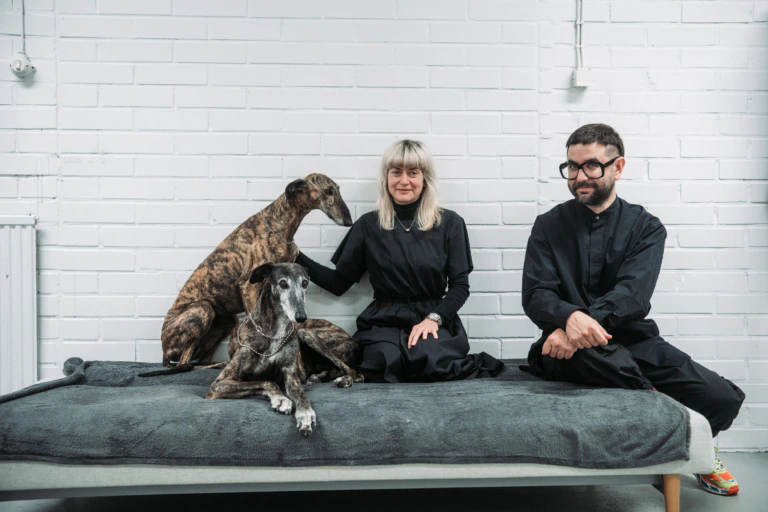
A new permanent exhibition at the Powell-Cotton Museum, at Quex House and Gardens in Kent, aims to uncover the stories behind objects held in its collections for nearly a century. Reframing the Zulu Collection builds a portrait of the people whose personal belongings were collected by museum founder Percy Powell-Cotton and his daughters when they visited Zululand in 1935.
The new exhibition seeks to challenge inherited perspectives by creating space for dialogue, reinterpretation and reclamation. Building on the museum’s ongoing decolonisation work, including the Decolonisation in Practice East Africa project, it invites visitors to engage critically with the histories, meanings and legacies embedded within the collection.
Museums Journal spoke to Rachel Gefferie, curator of material culture at the Powell-Cotton Museum about the new permanent display.
How was the museum’s Zulu collection previously displayed?
Rachel Gefferie: The previous display resembled a trophy cabinet. Numerous objects were crowded together, leaving little space for visitors to appreciate them individually. Limited interpretation meant that the histories, cultural knowledge and social significance attached to the objects were largely absent.
How did the new display evolve?
The new display encourages visitors to look closely at the objects and engage with the knowledge they carry. Fewer objects are exhibited, giving each one space to breathe and be appreciated individually. Interpretation labels introduce their cultural significance, while careful positioning respects the ethical values and protocols associated with them.
Advertisement
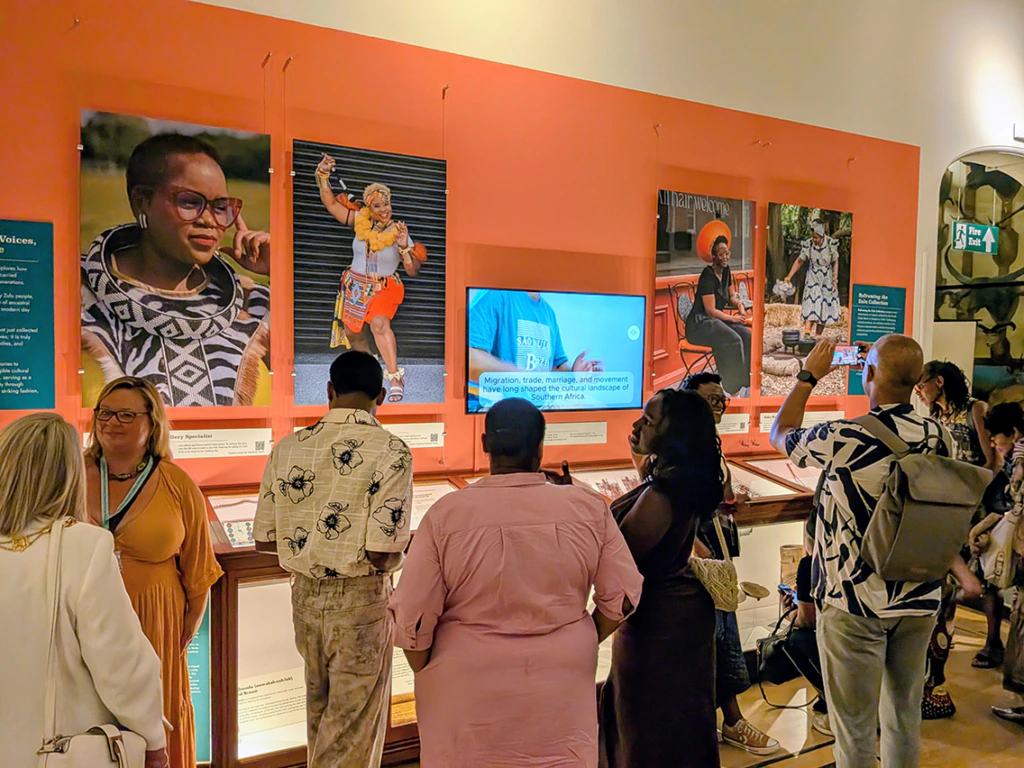
The exhibition also incorporates Zulu terminology, restores Indigenous names to people shown in historic photographs and also includes contemporary Zulu voices.
Did you work with communities to create the exhibition?
Yes. The exhibition could not have been achieved without the active involvement of members and knowledge bearers from the Zulu community. They participated as paid consultants and contributed directly to the co-curation process, helping the museum reconsider how the collection should be interpreted and presented.
How has the exhibition shifted the museum’s presentation of Zulu objects from a colonial to a decolonial perspective?
The exhibition moves away from presenting objects as anonymous curiosities. It restores cultural context, Indigenous terminology, personal names and community knowledge. Most importantly, Zulu people are represented not merely as historical subjects but as active interpreters of their own heritage.
Advertisement
Which historic object particularly stands out?
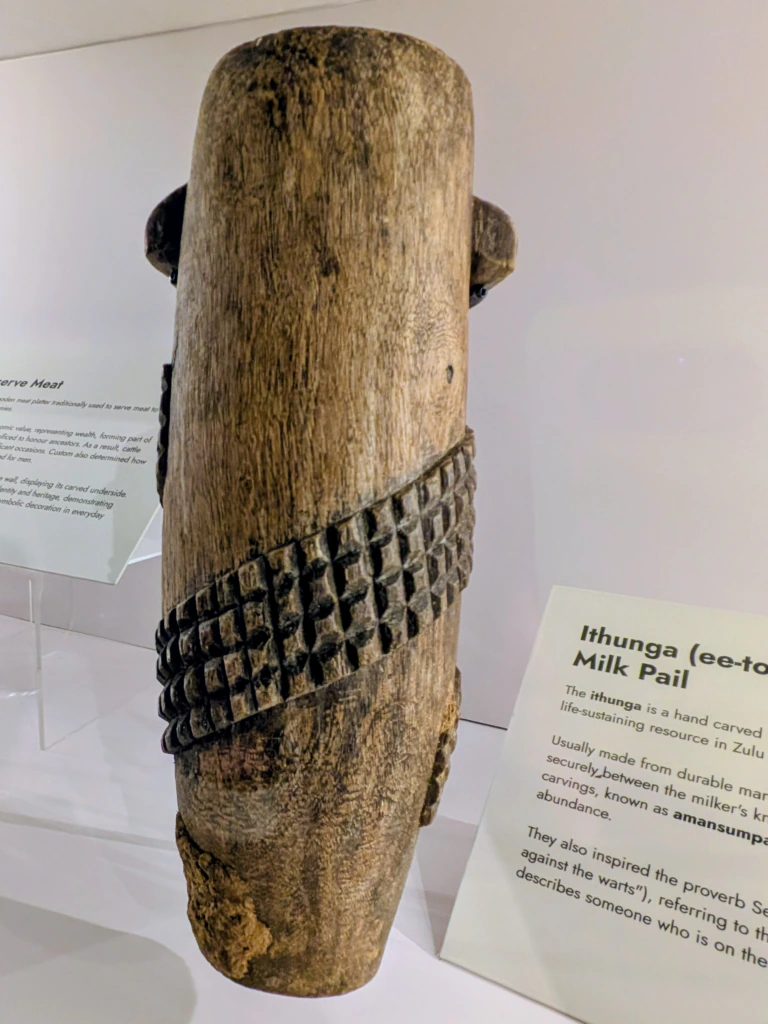
One object that has captured the attention of visitors and Zulu knowledge bearers is the Ithunga, a hand-carved wooden milk pail. Traditionally made from durable marula wood, it was carefully designed for collecting and storing milk. The object carries important social, cultural and gender-related meanings. Traditionally made examples are increasingly rare, making the museum’s Ithunga especially significant.
What contemporary material is included?
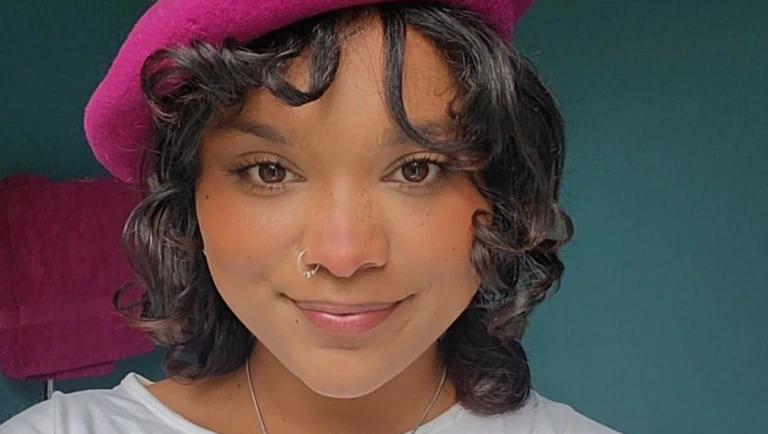
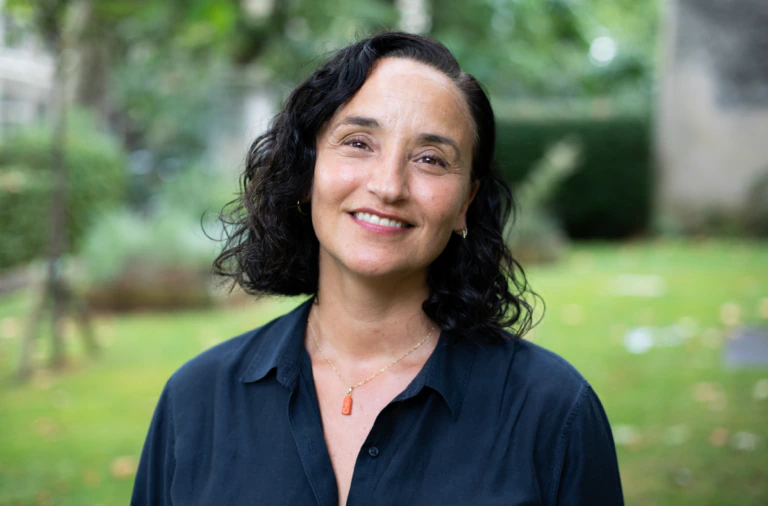
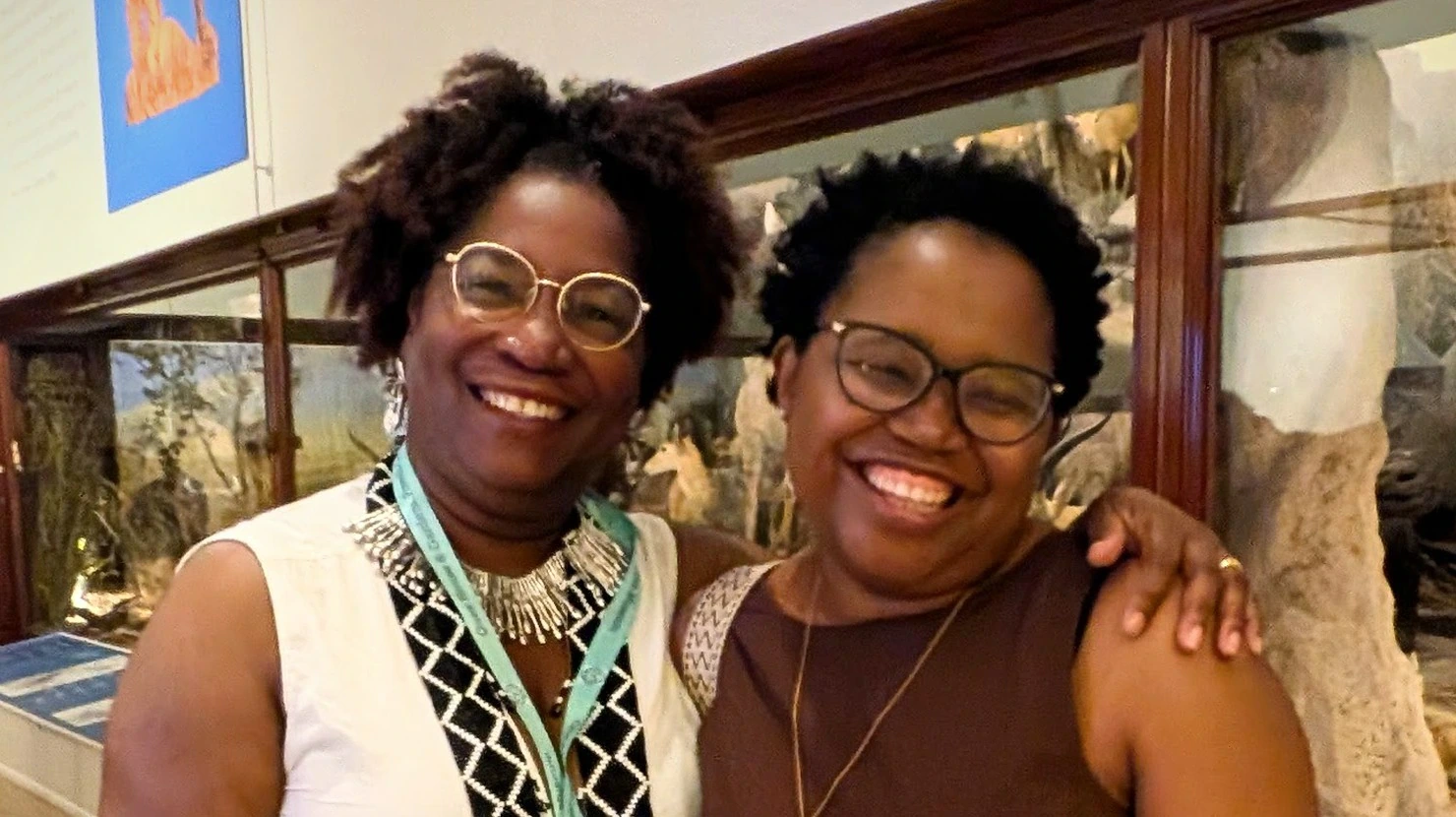
The contemporary section features life-size portraits and personal narratives of present-day Zulu people living and working in the United Kingdom. Each person has achieved recognition within their field while continuing to embrace, express and transmit aspects of their cultural identity.
What is your favourite aspect of the exhibition, and what comes next?
My favourite aspect is the inclusion of contemporary voices because it demonstrates that living heritage continues, even when disrupted by colonialism and displacement. The next stage is to develop post-launch programming, including talks and object-focused evenings. More broadly, we aim to apply this community-based, decolonial approach across other parts of the museum’s collection.