The Alongside Project is a health and wellbeing project to support individuals from the submarine community, which was created by the Scottish social enterprise Albatross Arts and funded by the Royal Navy and Royal Marines Charity to celebrate the 125th anniversary of the creation of the Royal Navy Submarine Service.
Artworks created by participants formed part of a temporary exhibition at the Scottish Maritime Museum on Irvine Harbourside, including two banners that hung in the museum’s new community gallery in the Boatshop.
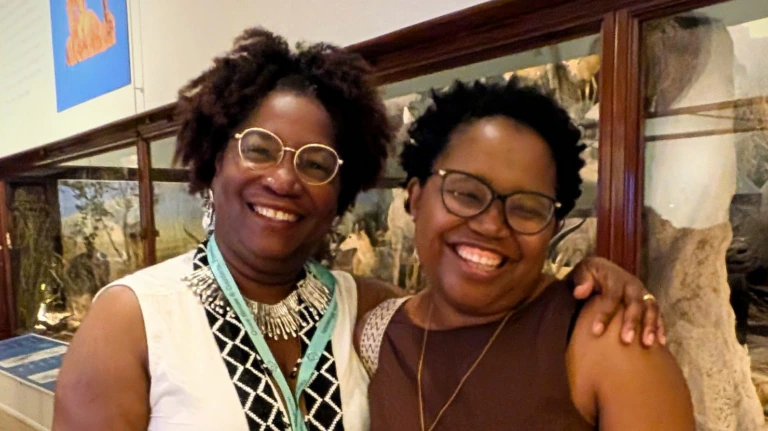
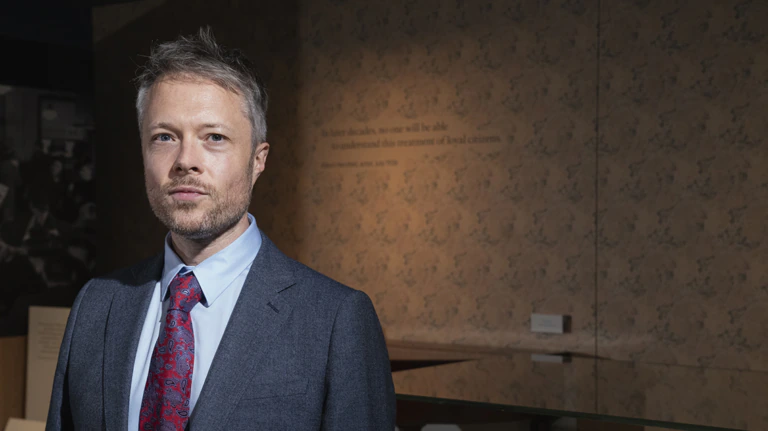
Museums Journal spoke to Alexandra McEwan, the creative director and creative artist at Albatross Arts and Claire Jones, the deputy director – learning, engagement and volunteer manager, at the Scottish Maritime Museum, to find out more about their partnership.
Alexandra McEwan
Creative director and creative artist at Albatross Arts
Claire Jones
Deputy director – learning, engagement and volunteer manager, at the Scottish Maritime Museum
Q: Can you tell us more about the Alongside Project?
Alexandra McEwan (AM) ‘Coming alongside’ is a navy term for when a submarine docks or is approached by a surface vessel at sea. For this exhibition, it references how we worked in tandem with the community.
Advertisement
The submarine community has a big presence on Scotland’s west coast, and we wanted to celebrate them and their “families” – not just partners, parents or children but also their friends and others close to them. People working on submarines can feel quite disconnected or even isolated from their wider communities, which cause distress.
For Coming Alongside, we sent out many packs of ideas and materials so people could do creative activities at home with their families, with their crew mates or on their own. People could also join online workshops and create ‘together’.
We know people can connect through art and creativity, but in this instance the art was the secondary output – it was a catalyst for connection and community.
Q: How did the Scottish Maritime Museum become involved?
Claire Jones (CJ): We’ve expanded our community engagement and wellbeing programmes over the past three years, but this is the first time we’ve worked with Albatross Arts. When we met, we realized that our values and aims were really aligned.
What’s new for us is handing over so much control to our partner, so it was important to have trust in each other, be open and upfront about our boundaries and both recognise the importance of sharing human stories.
Advertisement
Our community gallery is a flexible space where we can showcase our community engagement work for free [the rest of the museum is ticketed] in an area of our site next to the café where there is high footfall.
Q: Can you describe the exhibition for people who didn’t see it?
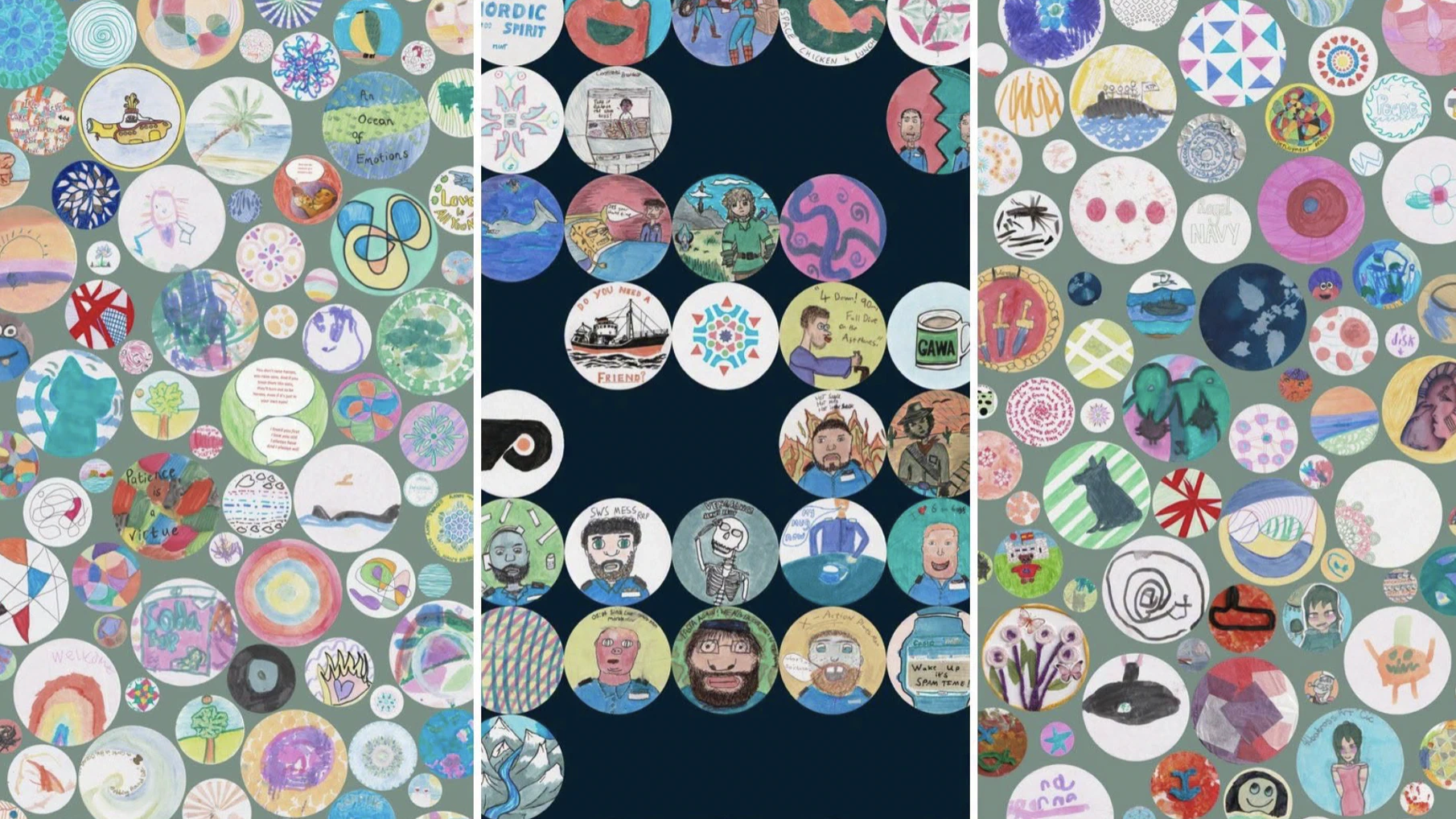
AM: We tried to make the creative packs as accessible and open as possible, and we found the activity people seemed to connect with the most was decorating beer mats – so that’s what we exhibited.
The question was how best to display these? We asked Glasgow School of Art’s Centre for Advanced Textiles to turn the coaster designs into a bespoke graphic which was then printed onto fabric.
The result was much more vibrant than just having the original coasters on display in display cases, and made them so much more precious. Visitors were also able to decorate their own drink mats and get involved – the response was huge.
Also on display was a largescale paper display called Ebb & Flow inspired by ‘family-grams’ – the short, one-way messages sent to service personnel while on deployment.
Advertisement
Q: What lessons about museum partnerships have you taken from this project?
AM: Having a collaborative approach with the museum has been brilliant. For charities and community groups like us, getting this sort of work funded is like walking uphill through treacle with shopping a lot of the time. And then getting them displayed is another level on top of that.
So, to find a museum that has funded roles, bringing a level of professionalism and commitment… it’s a different ballgame. Museums can give voice to lived experience and overlooked conversations.
There’s no point in doing a big project for health and wellbeing if you can’t then connect it to a wider audience, and if you haven’t got the team to help you support that then you’re doing it isolation – which is the anthesis of what it’s meant to be.
Q: What’s the legacy of the project for the museum?
CJ: There is a definite commitment for co-production in the museum, which was demonstrated when a two-year Museums Galleries Scotland post was turned into a core role (our first new one in 10 years). And we’re now looking at how it can work across the board, from education to interpretation.
For us, co-production is about meeting people where they are and understanding what everybody’s skill is. It sounds a wee bit trite, but really great things happen when different people get together.