The Turkish exhibition design company DEM Museums is a global pioneer of the "experience museum" model, engaging growing numbers of visitors in ancient history through multi-sensory environments and advanced immersive technologies.
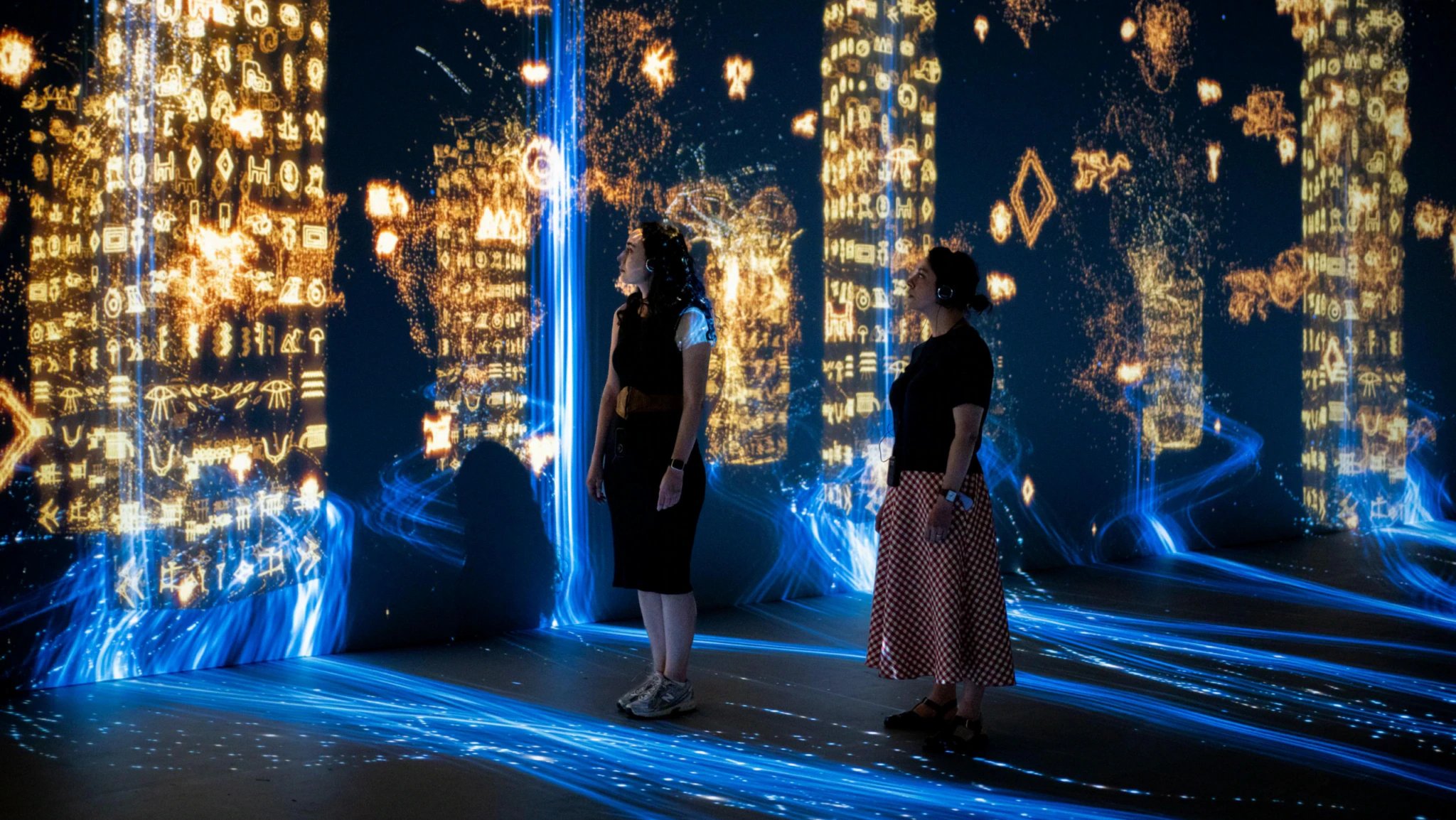
This summer, DEM Museums made its UK debut at London's Excel Waterfront arena with Timewalk, an ambitious show that explores how early societies shaped fundamental aspects of human development, from architecture and astronomy to writing systems and belief structures.
Promising to push the boundaries of immersive technology, the walk-through experience combines cinematic visuals, layered soundscapes, and research-led storytelling centred around ancient civilisations such as Göbeklitepe, Ancient Egypt, Babylon, the Maya, and Rapa Nui.
The line between traditional displays and immersive exhibitions is becoming increasingly blurred, but DEM Museums is clear that its ethos is to complement and collaborate with - not replace - museums, with the ultimate aim of making history more meaningful and accessible to wider range of people.
Museums Journal caught up with Eda Bildiricioğlu, the chief executive of DEM Museums, to hear her thoughts on this rapidly evolving medium - and discover the secret to creating a successful immersive experience.
Tell us about Timewalk and how it was developed
Eda Bildiricioğlu: Timewalk is an immersive historical experience that explores stories from across human civilisation, beginning at Göbeklitepe and continuing through ancient cultures including Babylon, Ancient Egypt, the Maya and Rapa Nui. Rather than focusing on a single place or period, it brings together different moments in history to encourage visitors to reflect on both the diversity of human cultures and the connections between them.
Advertisement
From the outset, our aim was to create an experience where historical research, storytelling and technology could work together in a meaningful way. We wanted visitors to engage with history not only through information, but through atmosphere, space, sound and narrative, creating opportunities for a deeper emotional connection with the past.
The project is the result of more than two years of collaborative development involving over 250 professionals, including historians, archaeologists, scriptwriters, architects, designers, artists and technology specialists. Bringing together such a wide range of expertise allowed us to approach the project from multiple perspectives while maintaining a strong commitment to historical research.
At DEM Museums, we have spent many years developing projects that explore new ways of engaging audiences with cultural heritage. Following the award-winning Hagia Sophia and Ephesus Experience Museums, Timewalk marks an important step in our international journey and reflects our ongoing interest in how immersive interpretation can help make history more accessible to wider audiences.
What archaeological research and collections did it draw upon?
Historical research formed the foundation of the project from the very beginning. Each civilisation featured in Timewalk was developed through extensive archaeological and historical research, drawing on published academic sources and the expertise of historians, archaeologists and subject specialists.
Timewalk does not present original artefacts or museum collections. Instead, it offers an interpretative experience informed by research. Architectural settings, landscapes, rituals and aspects of everyday life were developed using the best available historical and archaeological evidence, while recognising that, in many cases, elements of interpretation are an essential part of bringing the past to life.
Advertisement
We were fortunate to work with an outstanding group of advisors throughout the development of Timewalk, including Eleanor Robson, a historian of the ancient Middle East; the Egyptologist Edward Scrivens; the journalist, author and historian Laurence Blair; Necmi Karul, archaeologist and professor of prehistory at Istanbul University; and the archaeologist Celal Uludağ.
Their expertise and guidance helped ensure that the experience remained grounded in current scholarship while making complex historical narratives accessible to a broad public audience.
Throughout the project, our creative and academic teams worked closely together. Our aim was to respect the available evidence wherever possible, while creating an experience that inspires curiosity and encourages visitors to continue exploring these civilisations beyond the exhibition.
In what ways does the exhibition push the boundaries of immersive experiences?
Rather than asking how far technology can go, we began by asking how immersive storytelling could deepen people’s engagement with cultural heritage. For us, innovation is not about using more technology, but about using it more thoughtfully.
Advertisement
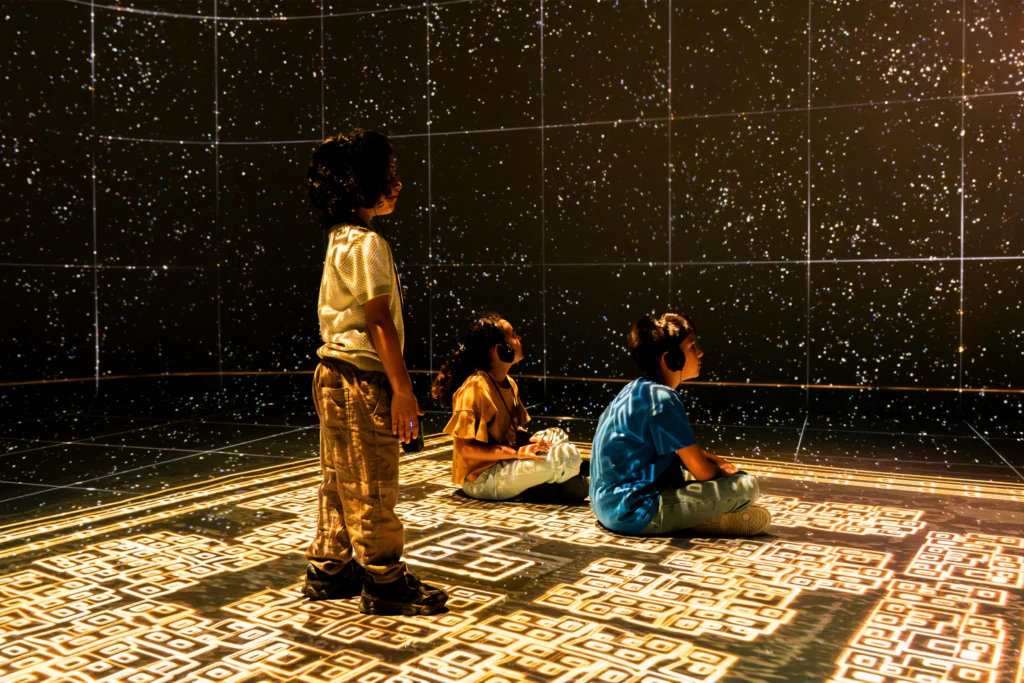
Timewalk combines large-scale immersive projection, spatial audio, lighting, music and environmental design to create a coherent narrative experience rather than a sequence of digital effects. Every creative decision was guided by the historical story we wanted to tell.
Another important aspect is scope. Rather than focusing on a single monument, event or civilisation, Timewalk brings together 21 civilisations spanning thousands of years. Our ambition was to create a journey that helps visitors understand both the uniqueness of individual cultures and the shared threads that connect human history.
Ultimately, we believe the boundaries of immersive experiences are pushed not by technology alone, but by finding new ways to make history meaningful, memorable and emotionally engaging.
Can you give us a taste of what visitors can expect during the experience?
Visitors embark on a journey through more than 12,000 years of human history, beginning at Göbeklitepe and continuing through 21 civilisations, including Babylon, Ancient Egypt, the Maya and Rapa Nui.
Visitors journey through a sequence of immersive environments where architecture, sound, light, music and storytelling work together to evoke different places and periods. Each chapter has its own atmosphere and visual identity while contributing to a broader narrative about the development of human civilisation.
Throughout the experience, we encourage visitors to explore not only individual civilisations, but also the connections between them. While each chapter reflects a distinct historical and cultural context, together they reveal shared themes such as creativity, belief, innovation, resilience and the exchange of ideas across time and geography.
Our intention is not simply to present historical information, but to create moments that encourage curiosity, reflection and emotional connection. We hope visitors leave with a renewed appreciation for our shared cultural heritage and a desire to continue exploring these stories beyond the exhibition.
What's your philosophy when it comes to designing an immersive experience - and how do you decide if a subject is suitable for immersive treatment?
We believe not every subject needs to be immersive. Technology should never determine the story; the story should determine whether immersion adds value.
For us, immersive interpretation works best when it helps people experience something that is difficult to communicate through text or objects alone, whether that is a lost landscape, a monumental architectural space, or the atmosphere surrounding an important historical moment.
The starting point is always research. We begin by asking what we want visitors to understand, feel and remember. Only then do we consider which creative tools can best support those objectives.
The most successful immersive experiences balance historical integrity with emotional engagement. They respect the available evidence while recognising that storytelling plays an essential role in helping audiences connect with the past.
Can you tell us a little about how you evaluate the impact of immersive exhibitions on visitors?
Evaluating impact is an ongoing process for us. Like many museums and visitor attractions, we look at a combination of quantitative and qualitative measures rather than relying on a single metric.
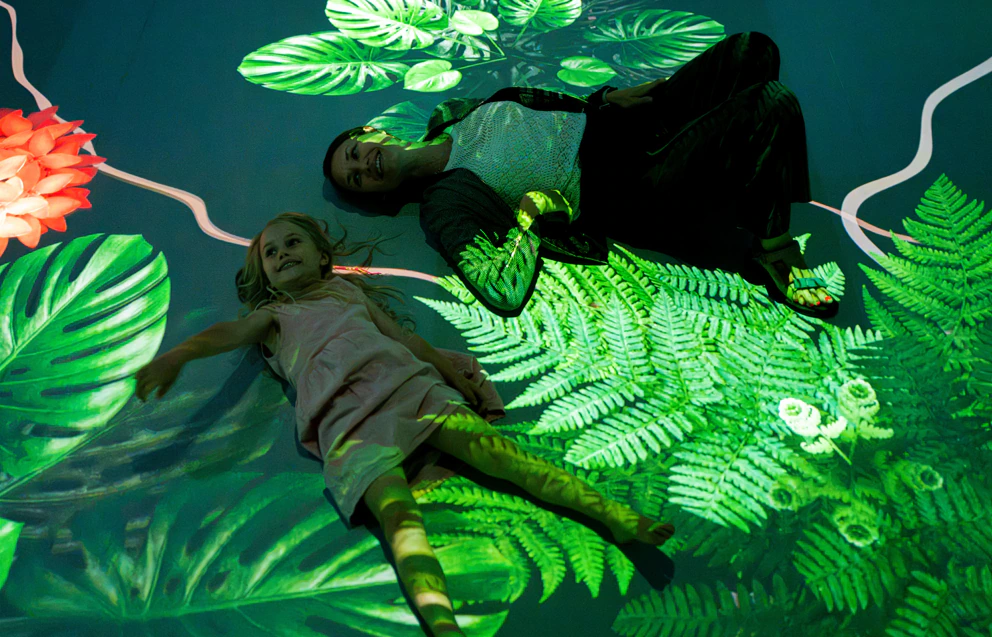
Visitor dwell time and completion rates help us understand how audiences move through the experience, while visitor feedback and observation provide valuable insight into emotional engagement and overall satisfaction. We are also interested in whether visitors feel encouraged to continue learning after their visit, whether by visiting museums and archaeological sites or by exploring the subjects further on their own.
For us, success is not measured simply by how long people stay, but by the quality of their engagement. If the experience encourages curiosity, conversation and a lasting interest in cultural heritage, then we believe it has achieved something meaningful.
More generally, what trends are you currently seeing in the world of immersive exhibition design?
We see audiences increasingly looking for experiences that combine learning with meaningful participation. Visitors today expect to be actively engaged rather than simply observing from a distance, but they also expect authenticity and substance. Spectacle on its own is no longer enough.
Technology will continue to evolve rapidly, offering greater realism, flexibility and opportunities for personalisation. However, we believe the most important developments will not be technological—they will be interpretative. The challenge is not how to create more immersive experiences, but how to create more meaningful ones.
Over the next decade, we expect closer collaboration between museums, heritage organisations, researchers and creative studios. Immersive interpretation will become one of several complementary ways of engaging audiences with cultural heritage, alongside museums, archaeological sites and digital learning.
We do not see immersive experiences replacing museums. Rather, we believe they will play an increasingly important role in broadening access to cultural heritage, inspiring curiosity and encouraging more people to explore history in greater depth.