How did the idea for the Echoes from the Dock project come about?
It came from the museum’s 19th-century wooden dock from Court No 2 in the former Bow Street Magistrate’s Court. Knowing that it had been where Oscar Wilde had stood in April 1895 the morning after his arrest on charges of “gross indecency”, we knew we had to conserve it. However, to make it accessible, we would need external funding – and at that point, the project was born.
How did the project develop?
We felt it was massively important to explore the laws and attitudes of the time that led to Wilde’s arrest, conviction and subsequent imprisonment. And in doing so, we felt we had to explore how laws and moral perspectives may have changed since. That identified the need for us to explore the wider LGBTQ+ communities’ relationship with the criminal justice system.
A large part of the development of the project has therefore involved reaching out to various organisations, groups and individuals to identify potential partners to help co-produce the exhibition. Two of our key partners are Mosaic Trust and Schools Out – we are very excited to be working with them.
Advertisement
As project lead, is the subject matter close to your heart?
I’m passionate about us exploring all sides of the criminal justice system. There are always at least two sides to every story and every case that has come through Bow Street over the years – whether that’s a famous or infamous case, or not. I’m particularly interested that in revisiting these stories, we look at changing attitudes and laws throughout history.
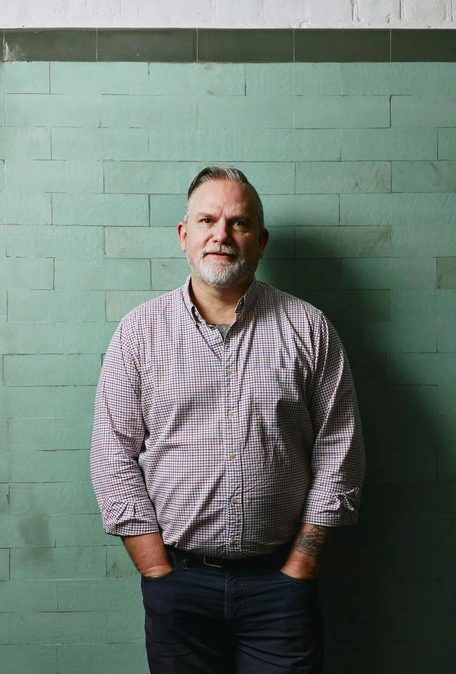
As a gay man myself I, of course, recognise what has often been a challenging relationship between LGBTQ+ communities and the criminal justice system. But regardless of my own sexuality, that history is something that needs to be explored further, as it has so often been overlooked, erased or recorded from only one point of view.
How has your career led to this conservation project?
Prior to joining Bow Street, I spent four years at the Museum of Freemasonry. Before that, I was at English Heritage for nearly 18 years and worked at many sites in that time. So in the 25 years-plus that I have worked in the museums and heritage sector, I have been indirectly involved in many conservation projects – but not as a project lead. This is therefore an exciting new challenge for me. However, as with all aspects of this project, it is collaborative, and I am lucky enough to have a pool of great people supporting me.
What are the challenges and opportunities of managing Bow Street?
We’ve been open less than five years, so one of the biggest challenges is ensuring people know of our existence. And, of course, as a small independent museum, we have the same challenge as many in the sector – that of financial sustainability. But every week there are fresh opportunities.
Our team is small and that requires everyone to look at their roles as multidisciplinary. Some of the most inspirational ideas come from sitting down together and sharing our thoughts. This is my first role as a museum director and what I enjoy most is the diversity that comes with that. No two days are ever the same, which can be challenging. But it is ultimately very rewarding. I consider myself very lucky to do a job that I genuinely love.