
Throughout the 1980s and 1990s, disability rights activists made headlines by chaining themselves to buses, blocking roads and occupying public buildings in their fight for equal rights. Their groundbreaking campaign led to protections for disabled people being enshrined in the Disability Discrimination Act, which passed in 1995.
Unlike other civil rights movements, however, the work and achievements of disabled activists from that era have largely disappeared from public consciousness.
A major new digital archive hopes to change that. Launched in June, the National Disability Movement Archive and Collection: Crip Fights For Civil Rights (NDMAC) tells the story of Britain's disability rights movement through oral histories, films, photographs and personal collections gathered from the people who lived it.
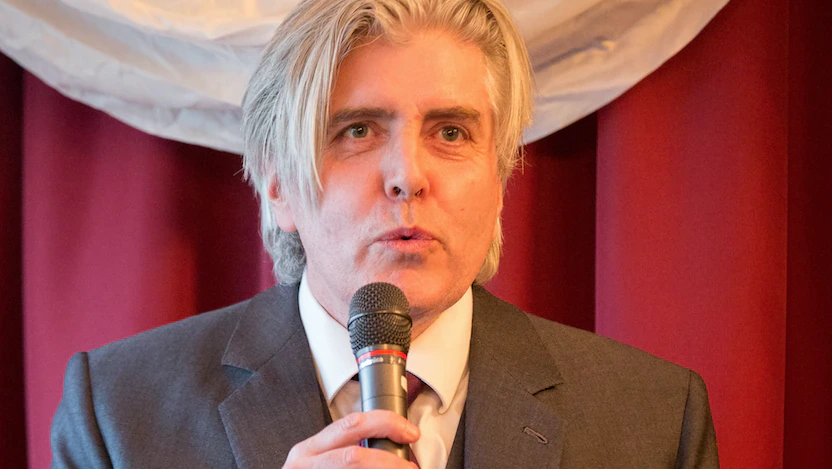
Museums Journal spoke to David Hevey, the CEO of the disability-led arts organisation Shape Arts and former project director of the National Disability Arts Collection and Archive (NDACA), to find out more.
Can you tell us more about the new digital archive and how it came together?
David Hevey: When I was project director of NDACA, I led the team that travelled around England collecting and digitising great landmark disability movement arts – and on these travels, I noticed that several people also had unique disability rights movement ephemera such as banners, stickers, leaflets, hand-written letters from ministers whom they were lobbying and so on.
Advertisement
Many disabled activists had been in both the disability arts and disability rights movements.
I realised that, if we collected the rights ephemera too, then we had a unique rights movement archive on our hands through which we could tell the disability rights movement’s heritage story.
The National Lottery Heritage Fund agreed and gave us both development and delivery phase funding – and so the NDMAC was born. The main gap was that there wasn’t an overarching, nationwide disability rights movement archive and collection.
What is your collecting policy and how did you go about sourcing and selecting material for the archive?
We wrote an acquisitions/collecting policy that focused on collecting ephemera and oral histories that told the story from the point of view of the foot soldiers in the rights movements – some of the people who did a lot for the movement and were at the front row of history, people like John Kelly, Keith Armstrong and Jane Campbell. It’s very much an archive and collection of the personal, rather than organisational stories, though there are all sorts of elements to it.
Can you tell us about some of the highlights of the archive? What are some of the most surprising or overlooked campaigns and acts of protest that it documents?
Well, the huge impact collection has been that of Keith Armstrong. For decades, the wheelchair-user activist-photographer Keith Armstrong, who died in 2017, photographed himself and his fellow activists from within this rights movement, which is one of Britain's most significant civil rights movements; the modern fights for civil rights by disabled people from the 1980s onwards.
Advertisement
Armstrong's unique photographic work captured disability protests from the 1980s and 1990s with an intimacy few photographers could achieve. That’s why it has been taken up so widely.
We at NDMAC feel his photographs should be recognised as one of the most important visual records of the UK Disability Rights Movement and as a unique record from inside that movement that fought for rights – and won.
Every time we post them on socials, they get major take up. When Keith’s images were a large part of Shape’s landmark 2024 show, Crip Arte Spazio: The DAM [Disability Arts Movement] in Venice, which I developed and curated, they became probably the most posted elements on social media in that show, reaching millions of online viewers. I think that’s because the street photography images are so genuinely and naturally from within the movement and its just fight for rights. That makes people feel very moved and empathetic and is why Keith Armstrong’s imagery has proved so popular.
Other highlights are the interpretation tools, such as the graphic novel Liam Roden wrote for NDMAC, Piss On Pity, which has the story of the movement from theory to action, with some of the key characters too. Nearly 2,000 copies went out in July 2026 alone.
Did you come across material that challenged the established version of events or changed the story you were planning to tell?
Yes, the main challenge to the established version of events is how wide and impactful the movement was; it is presumed now to have been small and niche, but it was huge.
Advertisement
It was regularly across daily tabloid newspapers, it was often the leading story on the BBC news, and even dominated the tabloid gossip columns, such as the relationship between the Tory disability minister Nicholas Scott and his daughter, who was a part of the disability rights movement – and their subsequent family tensions!
So its width, breadth and dramatic impact have been forgotten. Our catalogue of 1,500 newly digitised items re-tells that breadth. What also comes across is the sheer exuberance, wit and fighting spirit of the disability movement, which I myself was in; this tends to get forgotten amidst the more dry versions of history.
What measures does the digital archive take to be fully accessible?
Firstly, making a newly digitised archive is making access, because now all users can use the tools, whereas they were previously lost in boxes in garages. Getting the tools out to where people are, too, is part of access, so we have many social media campaigns, the Piss On Pity graphic novel is out there in over 20 bookshops, and our exhibitions show in various places, too.
We have also designed and created the archive to look and feel as it came out of the movement, not a dry archive of forgotten people behind a glass frame. We’ve created a ‘crip’ folksonomy: a search tool using the language crips use, not cleaned up and nice but, quite the opposite, very street and activist.
For access tools specifically, we have used Audio Description, Plain English, Easy Read guides to the website, films subtitling and much more.
What could other archives learn from your approach?
I think what other archives can learn from our approach – and something I have done all my career – is make creative work and archives as if they come from inside the movements one is collecting, not cold dispassionate overviews.
Take a position – and join the movement with the work you do – is my view. All the approaches should be to convey life inside the movement.
I am a passionate believer in conveying in arts and heritage what it was like to live and be in those lives we collect and show. So, for me, it’s important do a dive deep, see the world as they saw it, convey the elements as those activists saw it, and so on.
You describe the archive as documenting a 'hidden history' - why do you think this history remains largely absent from Britain's collective memory?
What has happened is that, since the Disability Discrimination Act, which was flawed but at least recognised disability as a matter of barriers, a lot of things have gone backwards for disabled people – from austerity to Covid, to the new cuts to benefits – so the fight for rights and winning feels so hidden now and it’s even more vital to tell this story of when disabled people did advance and did change the world for the better.
There is a feeling among some activists that disability rights have fallen off the political agenda. Did this form part of your thinking when creating the archive?
Yes, most certainly. We wanted to explore the strategies, the moves, the ideas behind the dynamic rights movement so that new and future generations might be inspired to use the tools in their lives.
What questions should other museums, archives and heritage organisations be asking themselves when it comes to representing the history of disability rights?
My view is that museums, archives and heritage organisations need to be bold and tell stories of the political fights for progress in the UK.
We are charities and have to be mindful of the law on political activism, but, as we say at Shape, we tell the story of the fights for rights, and so should many others – tell radical stories!
Perhaps within the world of less funding, organisations are in danger of becoming timid but my view is: come out fighting! And that way you find larger audiences for your more vibrant stories and that, paradoxically, adds to your relevance.
an excellent article, a hugely important story to keep telling!