For the last 60 years, Manchester Museum has housed some of the world’s most endangered amphibians and reptiles. Currently home to 30 species, the museum’s Vivarium supports internationally significant conservation work and has established the world’s first captive ‘back-up’ populations through its breeding programmes.
Recently granted £200,000 for its Habitats of Hope redevelopment project from the DCMS/Wolfson Museums and Galleries Improvement Fund, the Vivarium is now planning to extend its educational offering and improve animal habitats. By enhancing the accessibility of their displays, the museum hopes to dissemble perceived barriers between human beings and natural world.
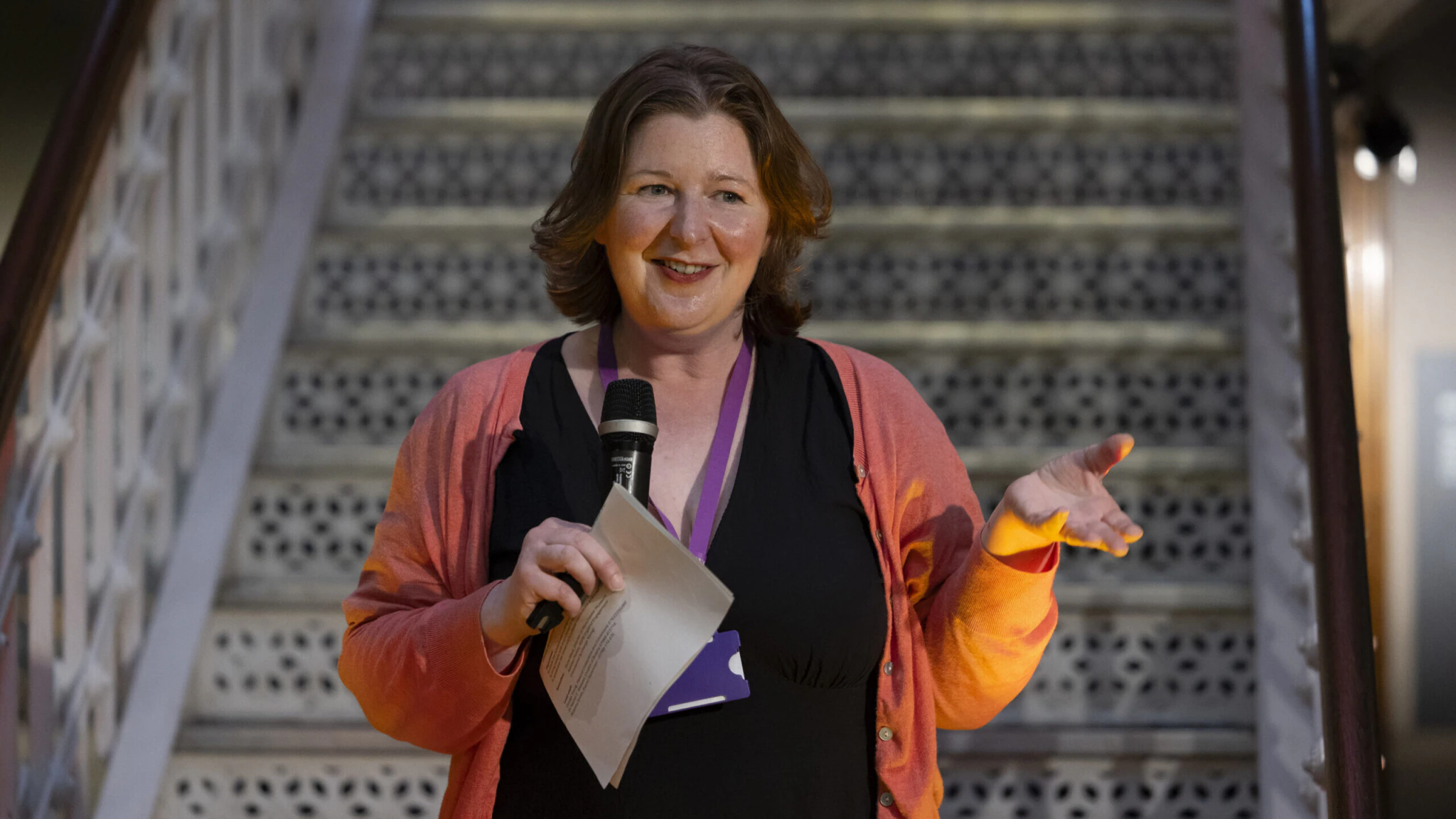
Museums Journal spoke to Georgina Young, the head of collections and exhibitions at Manchester Museum, to find out more about the Vivarium’s work.
What sort of animals does Manchester Museum’s Vivarium support?
Georgina Young: We have quite a narrow selection of species, our specialism is predominantly amphibians – often from tropical environments and extremely biodiverse areas like Costa Rica and Panama. A large proportion of the animals in our collection are species that are either critically endangered or on the brink of becoming critically endangered. They are seriously vulnerable.
We select species to hold in the Vivarium based on genuine conservation needs through partnerships with organisations like Panama Wildlife Conservation.
Advertisement
We form global partnerships to support species, but we also support them in situ. It’s far better that these creatures survive in their wild habitats than in captivity. We also support non-invasive research to understand what makes these animals thrive.
That understanding is relevant not only to our care for them in captivity, but also for conservation in situ in Panama and Costa Rica.
Not all of the reptiles we hold are critically endangered, but we make sure they live happily with the frogs. We create groups of animals that thrive together and do well in captivity. There’s a practicality there; we wouldn’t keep a species shown to do badly in captivity because then we’d be doing more harm than good.
What does conservation in situ look like?
It can look like a lot of things. Part of it is work in the field, and understanding how these species are doing. There’s a monitoring component to the work which specialises in EDNA – a technique through which you can understand if a species is present by sampling the water. You don’t need to actually find a frog to know it’s there. A lot of the time, we are supporting with monitoring and understanding what is really happening in the wild.
It also means working in partnership with conservation charities. We have the most enduring partnerships and communities on the ground in Panama and Costa Rica.
Advertisement
On top of that, there’s a lot of educational work. There’s a frog festival in Panama, and we support with education around new species. We are trying to work in genuine partnership for the good of the species we support with partners who are effective on the ground.
We aren’t just coming in and disappearing again, our emphasis is on long term partnerships with conservation charities.
How will DCMS/Wolfson Funding improve conservation at the Vivarium?
We are hugely grateful for DCMS/Wolfson for supporting this project because it isn’t easy to secure capital investment for work like this.
It’s quite a rare and special fund in that regard, particularly for regional museums. We want to keep growing and improving as a museum and the DCMS/Wolfson fund enables that.
What changes will the Habitats of Hope project make possible?
The first thing is improving the conditions for the animals. We strive to provide the best standard of care. We are licensed as a zoo and are always looking at how we can make our Manchester habitats as close as possible to the wild experience. Our ultimate priority is care of the animals, but there is also a need for an improved experience for visitors.
Advertisement
The Vivarium hasn’t had a huge amount of investment for well over a decade. The route visitors follow isn’t great, and it gets quite congested because it’s very popular, so we’ll be making improvements to visitor flow and access; simple things, like having the floor a different colour from the walls because it’s very dark in there and can be hard to see.
As part of the University of Manchester we are fortunate to know researchers who are doing fascinating work in conservation, species identification and understanding what makes animals thrive. We have been given an opportunity to showcase that, so we’ll update all the interpretation to be much more focused on ongoing work.
We’ve often focussed on the ‘glamorous’ species – the ones that are international and critically endangered – but, as part of The Vivarium’s work, we also do things like reintroducing glowworms to UK habitats.
We’ll tell those stories, too, because we want to bring things closer to home and show people in Manchester that they can make real improvements for species in their local area. We want to show our visitors the relationship between international conservation work and the sort of work they can do on their doorsteps.
How will Habitats of Hope improve education at the Vivarium?
To provide more space for learning, we are also developing a gallery adjacent to The Vivarium. We often struggle to fit an entire school class into The Vivarium, which means we are quite restricted in terms of how much formal education we can currently provide.
As part of Habitats of Hope, we are going to blend the Vivarium into the Nature’s Library gallery – providing more space for groups to gather and learn – by refurbishing about 80 square metres of floor space and surrounding display cases.
We are also going to focus on connecting our living and historic collections. We have a huge natural sciences collection of the more traditional kind, which contains enormously valuable data about historic biodiversity – where species have thrived, where they’ve dwindled – so we are looking at how to take live work and draw connections to the historical.
Why is education around conservation important right now?
There is a biodiversity crisis. There is a climate crisis. The research data about amphibian species is somewhat depressing.
Amphibians are very sensitive; they’ve got thin skins, quite literally. They are strong indicators of how changes in the environment are having an impact on the survival of species.
We want to encourage people to want to care. These animals are extraordinary and fascinating. If people begin to want to care about them, it might change the way they behave. It’s less about lecturing people than showing them what is possible and exposing them to what’s happening in the natural world with honesty.
How do reptiles and amphibians influence human culture and understanding?
Something we’ve been doing for a number of years at Manchester Museum is trying to break the divide we created between nature and culture. By classifying and separating our collections out, we’ve created a false divide between human culture and the natural world.
One of the structural things we have been doing at the museum is trying to reconnect things we separated through our categorisations, to represent the world more holistically. We want to recognise the interconnection between animals and people.
Creating a great habitat for frogs doesn’t necessarily mean creating a poor environment for humans – sometimes that is a false opposition.
There’s lots of traditions and folk tales about frogs. According to one folk story, if you put a frog in your mouth, it will cure a sore throat. I wouldn’t advise that, it’s a very bad idea, but there’s lots of ways that amphibians and reptiles play a part in people’s stories and ways of life.
How has being involved with the Vivarium and Habitats for Hope affected you?
It’s a huge responsibility. As the head of collections, species on the brink of extinction are what keep me up at night, but it’s a massive privilege to be able to walk out of my office, go two minutes down the corridor and see these incredible species up close.
For me, it makes a vast difference to the way I go about my life.
I have an appreciation of these animals and how vulnerable they are. I suppose that’s what we are hoping to translate to our visitors: a sense of appreciation and wonder, and therefore, responsibility.