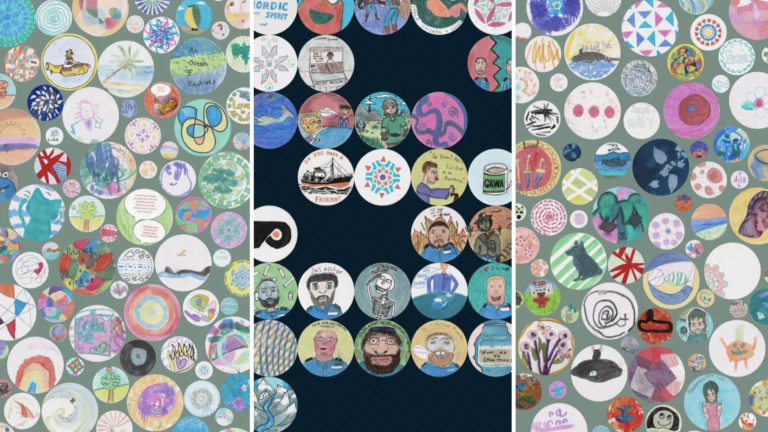
Potty about pottery? Mad about mud? Well, the Suffolk town of Ipswich has a new cultural development in the pipelines for spring 2028. The venue will explore clay as a material found in homes and cultures around the world.
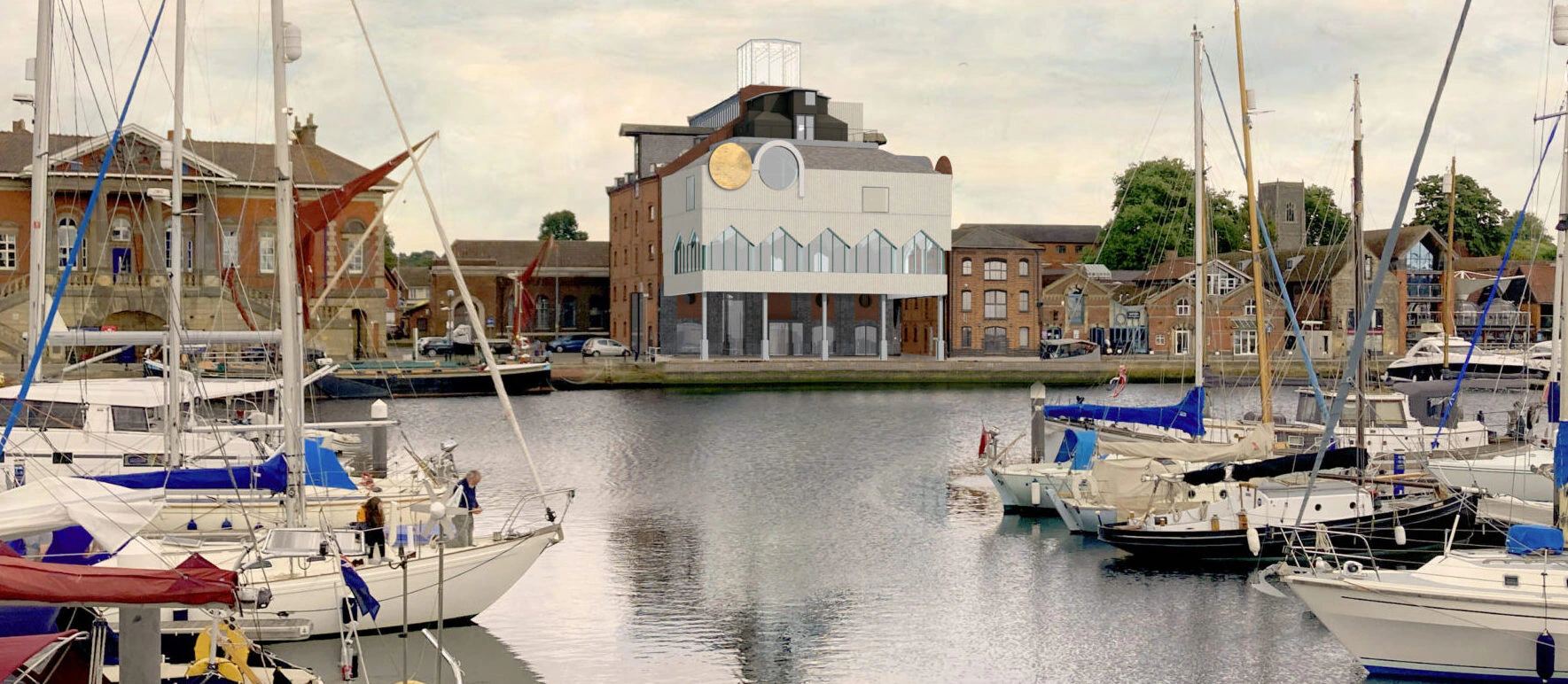
Titled Clay 1A, the new visitor attraction will open in one of the old barley stores on the town’s historic waterfront.
Adjacent to the old Customs House, which was built as part of the wet dock development in the 1840s, Clay 1A will be a welcome addition to Ipswich’s cultural scene.
The port town still carries out major agricultural export trade, particularly in barley, so this development will bring to life an area of the town that is intrinsic to Ipswich’s commercial success, historically and now.
Clay 1A aims to be a welcoming, community-focused attraction for all ages, with a leaning towards doing, as opposed to looking at, stuff.
Experiences throughout the building will be designed to engage the senses and invite participation, with opportunities to explore objects closely, share ideas and, in some areas, work directly with clay and express creativity.
Advertisement
With spaces for learning, making and gathering, and strong connections to the waterfront outside, Clay 1A is intended to feel active, social and continually evolving.
Even the cafe is geared towards audience engagement. There will be a first floor “teatime experience” that will involve visitors constructing their own cup of tea while at the same time finding out how tea bags are made, what goes into them and choosing their mug.
There will, of course, be some objects on display – from bricks and pipes to cooking pots, crockery and artworks by celebrated British makers as well as less-well-known local artists, and famous local artists.
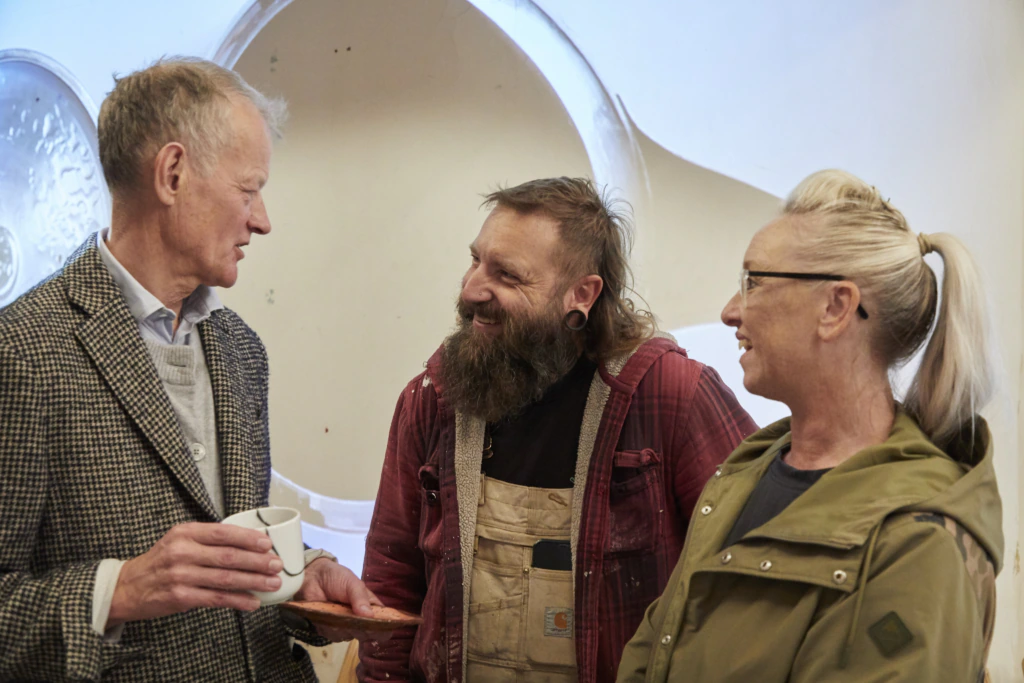
Indeed, as part of its launch activities, Clay 1A held a tea party for its birthday in October 2025 with local groups attending and the esteemed local artists Maggi Hambling and Sarah Lucas donating personally made cups and saucers to use, which will go on show in the venue when it opens.
The project is supported by a £20m lead gift from a local philanthropist, alongside a £2.28m grant from the Towns Regeneration Fund. Together, this investment will support the restoration of Waterfront House – Clay 1A’s home – as well as the creation of a new cultural space for exhibitions, interactive displays, learning activities and community events.
Advertisement
Alongside the revamped Ipswich Museum, which is due to reopen in 2027, and the opening of new waterfront venues like the purpose-built archive service, the Hold, in 2021, and Brighten the Corners, a venue and music management agency, in 2023, Clay 1A will become another cultural pillar for the town.
The organisation is looking to grow relationships with all local cultural bodies, including the theatre and hospitality scene.
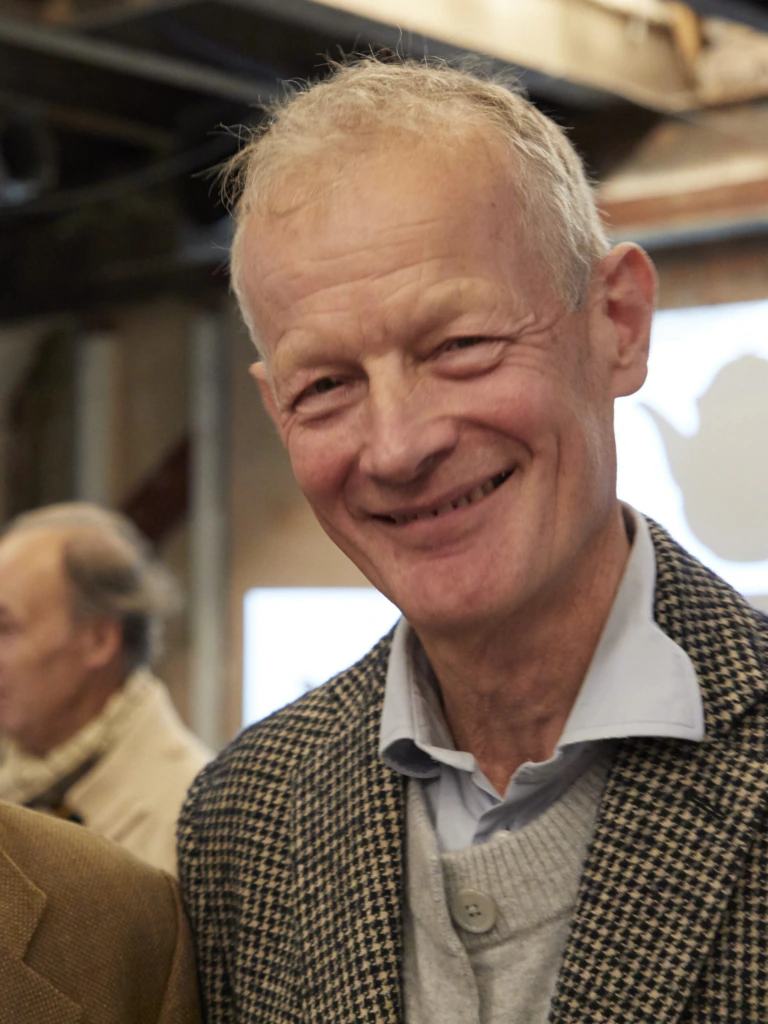
Chief executive of Baylight Properties, Crispin Kelly, is leading the project to restore Waterfront House and transform the building into Clay 1A. He says: “The idea is when you get back home after visiting Clay 1A, you will think about your world differently.”
Who came up with the idea for Clay 1A?
Crispin Kelly: As a keen potter and collector of pots, and as a housing developer, three years ago I thought it would be great to build a place that combined my love of Clay with my interest in what makes us feel at home. But I wanted to avoid the deadly museum vitrine, and the focus on just looking. We want to avoid the static, glass-case model and instead create a place that excites curiosity through all the senses. We want people to get close to objects, to look carefully, think and question.
Advertisement
Why Ipswich?
Ipswich was one of the most significant centres of pottery production in Anglo-Saxon England, known for “Ipswich Ware” – an early industrial-scale grey ware that was exported widely. Clay has been part of the town’s story for over a millennium.
What will your exhibition programme be like?
We’re building the programme around two complementary strands. At the heart of Clay 1A is Loose Clay, a double-height space on the top floor dedicated to participation and making. This is where visitors can work directly with Clay; contributing to evolving community projects, such as adding their own idea of “home” to a growing model of Ipswich. Clay is tactile, and we want people to experience it physically, not just observe it. The space will also host workshops, courses and events, spanning creativity, wellbeing and practical skills.
Alongside this, our first-floor gallery will present a rolling programme of temporary exhibitions – around three per year – exploring themes that connect Clay to how we live today. These might examine collecting, domestic life, making and material culture, often developed through artist residencies and community collaborations.
So it’s not either/or. There will be a strong, consistent participatory offer, alongside changing exhibitions that bring fresh ideas and perspectives into the building. What ties everything together is our ambition to be active, intriguing and genuinely approachable, a place where people feel invited to engage rather than simply look.
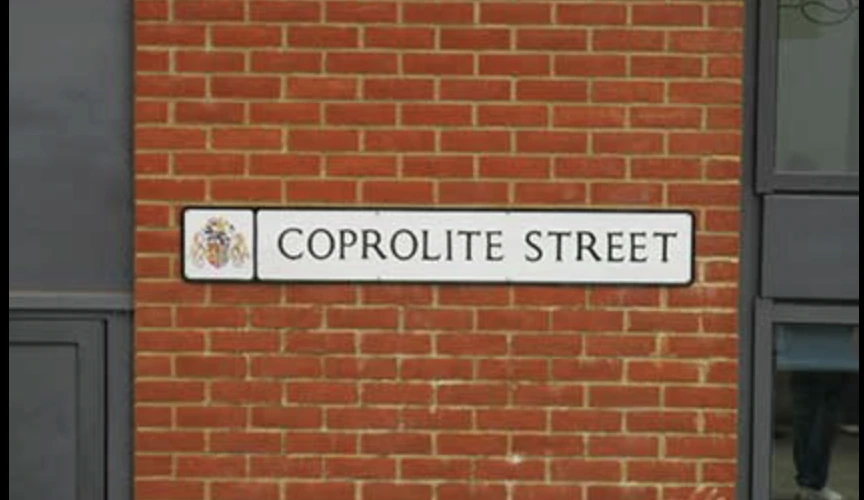
Will you touch on Ipswich’s illustrious history of coprolite – fossilised poo – as fertiliser?
Great question about coprolite! We have two areas of interest here. The first is that the story of our homes is partly one of the progresses of sanitation, so we are exploring the history and culture of the bathroom, including pipes and poo. The second is the way that trade has enriched and transformed the way we live. So yes, fertiliser from home and abroad is part of this story too.
Do you have a collection?
We will have our own collection, which we are inventorising at the moment. But we also aim to have no storage, so that our collection is a workhorse, and we accept that there will be a turnover in new things that arrive and old things that need to find new homes.
How does the project chime with the regeneration of Ipswich’s waterfront?
The redevelopment of the waterfront has been ongoing for decades. The most important anchors are Dance East, the centre for contemporary dance in East Anglia, and the Hold, Suffolk County Council’s archive space, and the University of Suffolk at the eastern end.
Unlike the town centre’s retail focus, the attractions of the waterfront are predominantly culture, education and hospitality. We see a good fit, with the target of attracting 60,000 visits a year to Clay 1A, providing another place to visit in Ipswich.
What is the venue like?
Waterfront House is a landmark 19th-century grain warehouse on Ipswich’s historic Wet Dock, which was the largest of its kind when it opened in 1842. Built for the malting company R & W Paul – the farming Paul family still live locally – it was part of the dockside buildings that helped shape the town’s commercial success.
Clay 1A represents the next chapter in its life – restoring and opening up this historic waterfront building for public use and continuing the long story of regeneration along the River Orwell.
How are you funding the project?
Baylight Properties has committed £20m to the project, divided between capital works and an endowment to support long-term sustainability. Also with the backing of Ipswich Borough Council, we have secured a £2.28m grant that reflects shared confidence in the benefits Clay 1A will bring to the town.
We are aiming at 60,000 visits per year, with two thirds of these from outside Ipswich. Our expenditure will be funded by the around-£12 admission charge (with free and discounted entry as appropriate for our audiences), endowment income, and event rental income.
Why the name Clay 1A?
The address of the building is 1A Wherry Quay. We like 1A as it has a resonance of a home address, and our DNA is how objects we have at home can take us on journeys to arouse our curiosity and creativity. 1A sounds both modest and excellent.