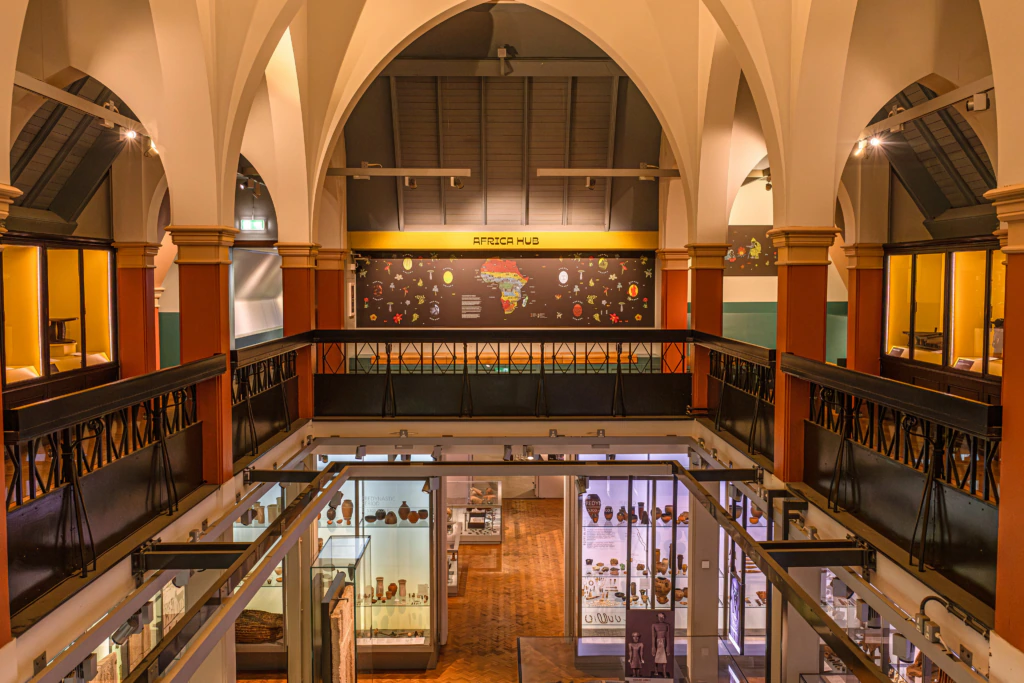
Manchester Museum, at the University of Manchester, recently opened the Africa Hub, a new type of space that aims to expose the information the museum does not know about the African collections it cares for.
Many of those collections have sat in storage for years and key details are absent from their object labels, highlighting gaps and silences in the museum records. In many cases, all that is known about the objects is the name of the donor or the institution from which they were acquired.
By taking an honest approach to these gaps in its knowledge, Manchester Museum says it hopes to start a process through which it can better understand the African collections it cares for and make collective decisions on how they can best inspire future generations. This could mean restitution to communities of origin or working with diaspora communities to develop new ways of sharing cultural heritage.
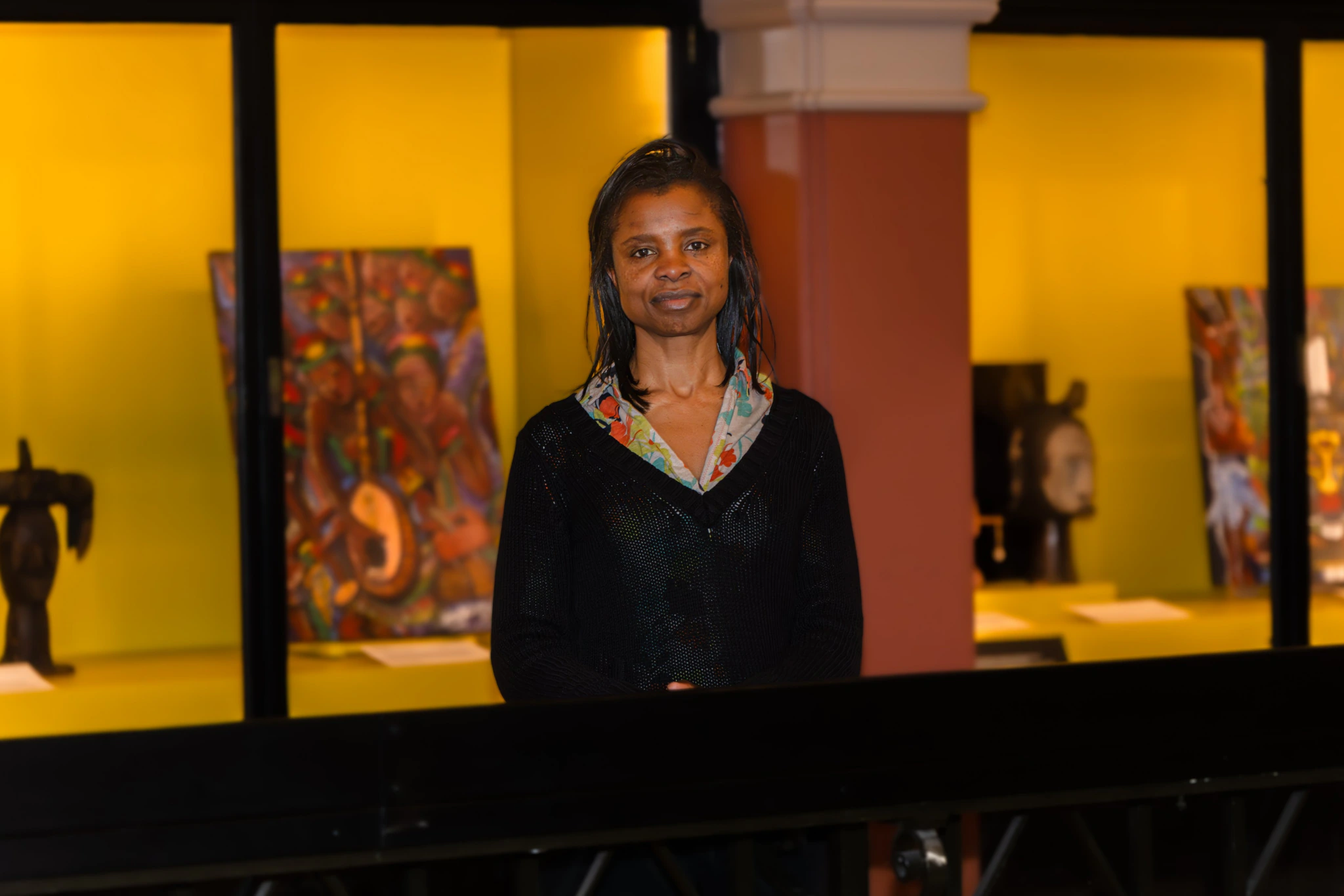
Museums Journal caught up with Lucy Edematie, Manchester Museum's curator of African collections from colonial contexts, to find out more.
Why has Manchester Museum launched the Africa Hub?
Africa Hub builds on Manchester Museum’s work around restitution, provenance research, and new models of co-curation.
Advertisement
While the museum’s African collections are significant, they remained under-researched and difficult to access. We heard clearly from audiences and community partners that there was a desire for deeper engagement and greater openness.
It was important not to wait for a finished narrative - Africa Hub is transparent about what we know and what we do not and creates space for people to share knowledge where they have it.
It responds directly to community demand for fewer barriers to accessing African cultural heritage and for honest conversations about where these collections belong and how their futures should be shaped.
Why is community collaboration so important to the project?
Community collaboration is central to Africa Hub because the processes of collecting were unequal and harmful. In many cases, objects were removed from their cultural contexts and important aspects of their histories, meanings and uses were lost in the process.
Communities are therefore not only important as co-researchers but also as key voices in shaping the future of these collections.
Advertisement
While it is not possible to undo the injustices that led to these collections being held by the museum, it is essential to work in equitable partnership with stakeholder communities to determine how they are researched, interpreted, and cared for going forward.
What do you hope visitors to the Africa Hub will get out of it?
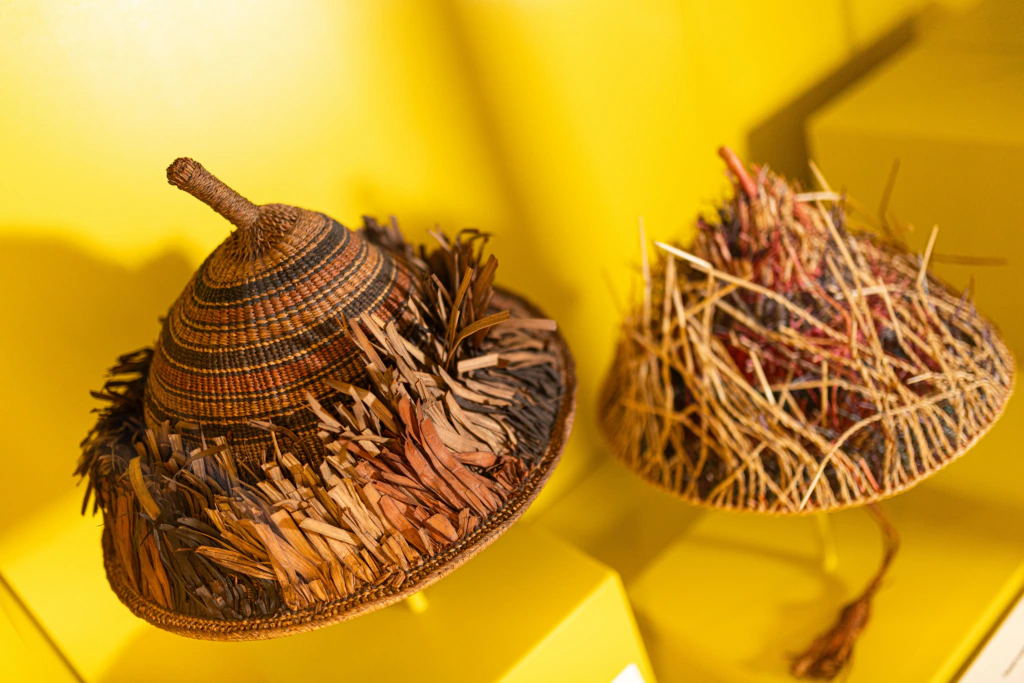
We hope visitors enjoy encountering collections that are usually kept in storage and gaining a sense of the breadth and complexity of the museum’s African collections. Africa Hub offers an opportunity to see these materials differently, not as finished displays but as part of an ongoing process.
Visitors are also invited to learn more about how museums work, including collecting and research practices, which matters to us as part of the University of Manchester. Importantly, Africa Hub encourages people to participate in that research by sharing knowledge, perspectives, and experiences where they have them.
More broadly, we hope visitors feel able to contribute to shaping the future of the African collections at Manchester Museum. Through co-curated displays, events and conversations, Africa Hub offers opportunities to learn about the continent of Africa and its diverse diasporas, not only through objects but through the stories and knowledge shared around them.
Advertisement
Do you anticipate any challenges?
Africa Hub is still at an early stage, so we know we will need to adapt to challenges. One key consideration is how to equitably and actively include and recognise those who may be able to identify particular objects, or to contribute knowledge that helps deepen our understanding of them.
There are also practical challenges associated with managing responses, including the time required to review contributions and decide how to proceed where accounts of particular items may differ. As the profile of the collections increases, we also anticipate a higher volume of requests for access, engagement, and return.
Do you hope that other museums will take inspiration from the project?
The project is evolving and we are continuing to learn as we go, rather than presenting a fixed model for others to follow.
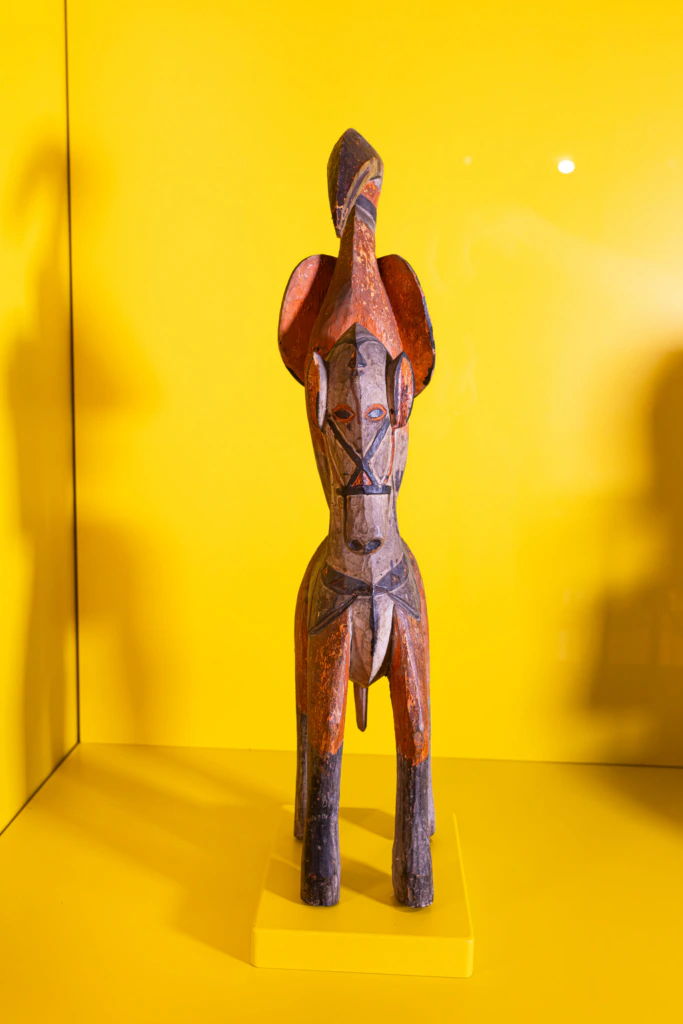
That said, one aspect that may be of interest to other museums is the decision to bring objects out of storage and into view. Making collections visible allows them to be researched and understood in ways that are not possible when they remain largely unseen.
In this sense, Africa Hub supports better conservation, fuller histories, renewed connections, and more responsible stewardship of collections.
As the project develops, our aim is to share our progress and learning openly with colleagues across the sector, particularly around restorative approaches to provenance for African collections from colonial contexts, which so many museums have sitting uncomfortably in their stores.
By doing so, we hope that others may find elements of the approach useful or adaptable within their own contexts, particularly where there is a shared commitment to transparency, collaboration, and care.