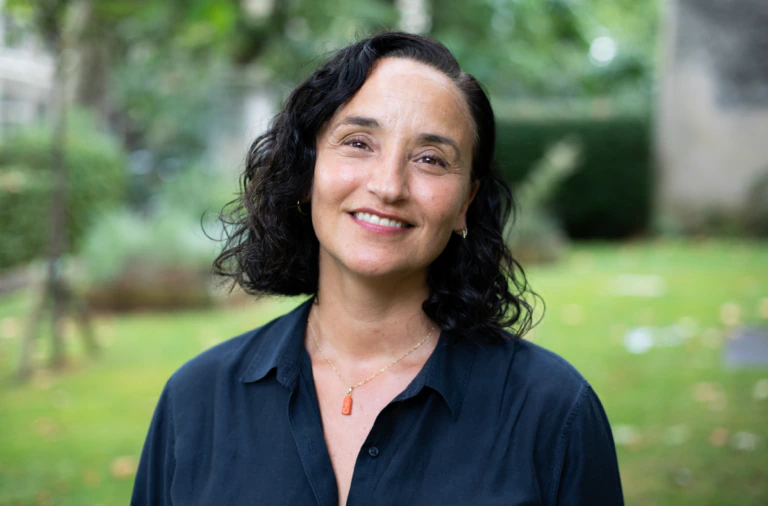
You could deduce much about Clare Gittings simply by listening to the way she greeted her primary school visitors to the National Portrait Gallery.
“Hello people”, she would announce in welcome, not wanting to belittle them, and always addressing them as if they were quite capable of knowing the answers to the questions that she asked them in front of the paintings that they were considering.
She made visits to the gallery very exciting and her audiences were seduced.
Clare worked at London’s National Portrait Gallery, from 1989 to 2013 as the Education Officer and later Learning Manager in the Education Department.
She ran the learning programme for primary schools and secondary school history, as well as working with teachers and managing a team of freelance educators.
Advertisement
She also ran a national video conferencing programme (until 2011) and wrote the National Museum Online Learning Project Webquests, enabling thousands of pupils to participate in sessions each month.
In addition, Clare curated exhibitions at the gallery on subjects such as ideas of beauty through the ages, women and gardens, and women travellers.
She regularly hosted trainee teachers on placements and kindly mentored numerous students and graduates, including helping with their dissertations.
She had a generous spirit, being welcoming and supportive to new staff members, using her passion for and her extensive knowledge of the gallery’s collection to inspire them.
Clare’s career began as a teacher in primary schools, followed by two years training teachers in the Republic of Maldives with the international volunteering charity VSO.
Her university qualifications were in history, with postgraduate research into the history of death in England. She contributed catalogue essays to two exhibitions about death at Dulwich Picture Gallery, as well as chapters in various edited volumes on death.
Advertisement
Clare was on the editorial board of the interdisciplinary journal Mortality, and she taught on the Death and Society MA at the University of Reading (1999-2002) and on the course of the same name at Bath (2006-2011). In addition, from 2010, she was visiting research fellow at the Centre for Death and Society, University of Bath.
Clare’s published works range from a book on brass-rubbing, written when she was sixteen, to academic works of historical research including a classic work Death, Burial and the Individual in Early Modern England (1984, re-published 2023) which charted how modern concern with the individual gradually alienated death from English society.
Clare had a Masters in museum studies from the University of Leicester and she held an Associateship of the Museums Association (AMA).
She was awarded with a Millennium Fellowship (1999), which she used to spend six weeks in Walsall on secondment to the New Art Gallery, working at the cutting edge of interactive museum display.
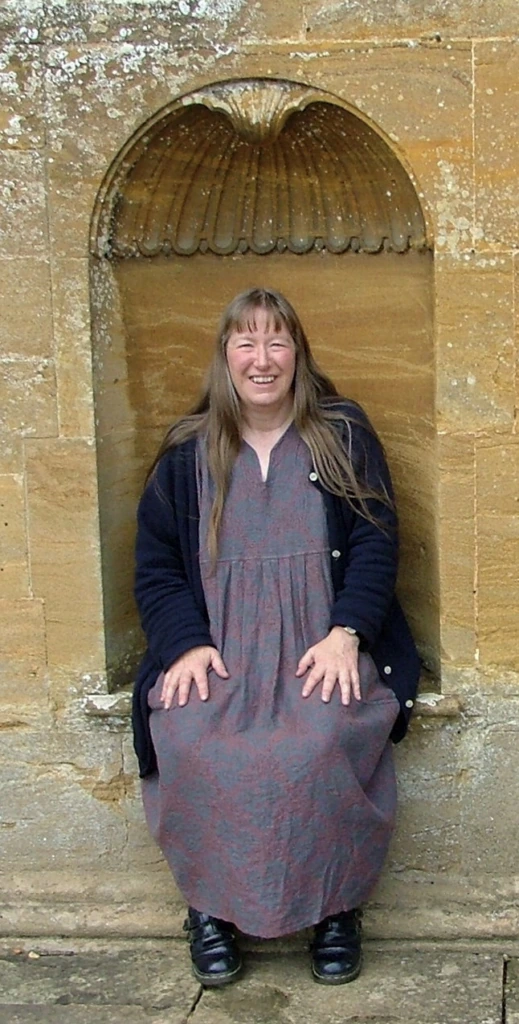
In addition, Clare was given a Marsh Award for Excellence in Gallery Education (2013), awarded via Engage. She was a trustee of the Hertford Museum, a school governor, a Sandford Award judge, and a freelance educator at the Wallace Collection.
Advertisement
Clare was an extremely kind, talented and modest individual. Those who knew her from one part of her life might never imagine that she had different capabilities in other areas.
She was a most generous and thoughtful colleague and treated everyone with the same respect. Clare was a staunch member of the union and a believer that everybody had a right to a full education.
As her husband Malcolm reflected: “Clare touched many hearts across her different fields.”
She will be missed dearly by her family, friends and colleagues.