What sparked your interest in working with collections?
When I was a child, I loved visiting museums and being among collections. Museum objects have unique power – they each tell a story, connecting us to people, times and places we may never have been.
I studied the history of science at university and researched anatomical and zoological museums in London in the nineteenth century. I was fascinated by the motivations of collectors and visitors to these spaces.
Talk us through your career?
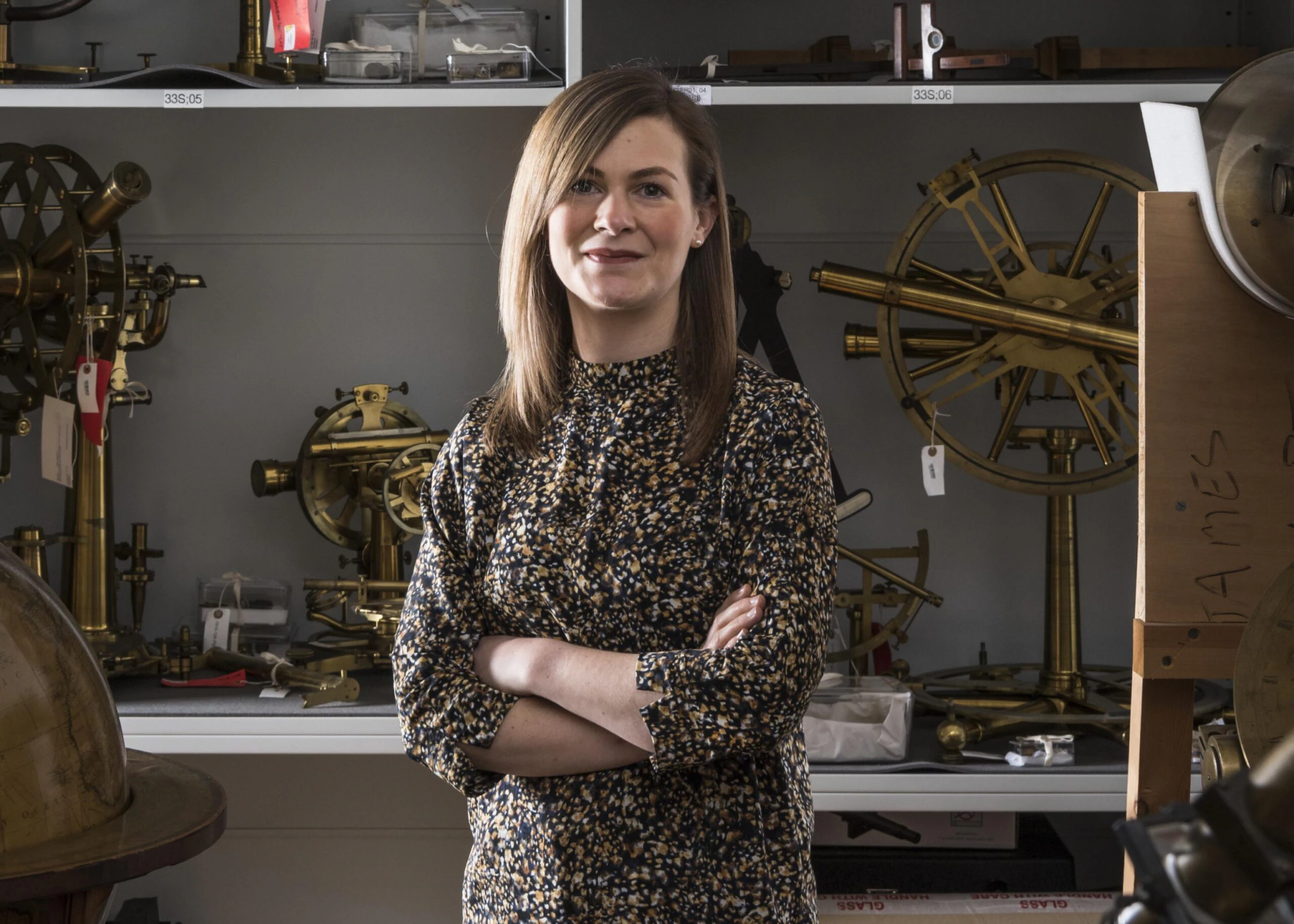
My degree led to my first job at the Science Museum, where my interest in collections deepened. I learned about the important role that objects can play in bringing to life, complex and intangible ideas.
Later in my career at the Science Museum I was part of the team responsible for moving and digitising 350,000 objects from London to a new collection facility. This was an incredible opportunity to reimagine how collections can be cared for sustainably, for future generations.
Advertisement
Director of collections is a newly created role at the museum. What are your ambitions for it?
The Natural History Museum’s collection is extraordinary. In a planetary emergency, there is an urgent need to ensure the collection is secure, accessible and well-used by researchers and scientists around the world. My ambitions include supporting the acceleration of our digitisation programme, moving millions of specimens to a new science and digitisation centre, and sharing the knowledge, insight and expertise of our curatorial teams with a wider audience.
What have you enjoyed most since starting in the role this year?
I have been blown away not just by the care and dedication of the teams who care for collections at the museum, but also by the innovation. My first visit to the digitisation lab, where the team are piloting the use of robotics and AI, was particularly exciting to see how we are developing new ways of working to scale up our impact. Over the next 10 years, the museum will be taking its digitisation experience to a new level as, together with 90+ partners, we lead a new national programme to digitise the UK’s natural science collections containing 140 million specimens.
A new Science and Digitisation Centre is in the works at NHM. Can you tell us more?
The NHM’s new science and digitisation centre at Thames Valley Science Park near Reading will ensure that more of our collection is accessible to researchers, both physically and digitally. The 28 million specimens that will be housed at the centre will sit alongside innovative digital, analytical and genomic technologies and facilities.
A significant part of my role over the next few years is to work with the teams to prepare the collections to move – the world’s largest ever natural history collection migration! This is a once in a generation opportunity to enhance the condition and discoverability of a huge number of specimens.